
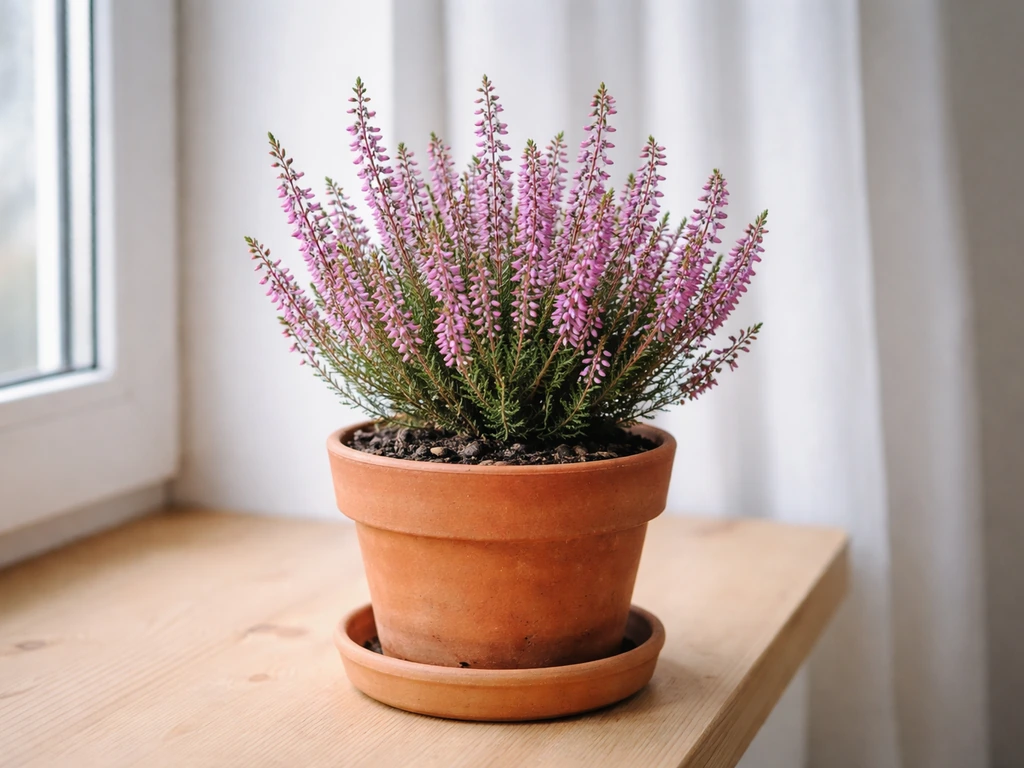
Heather can grow indoors, but I want to be honest with you upfront: it's not the easiest houseplant, and most failures come down to one thing, not enough light. Can horsetail grow indoors too, and what conditions does it need? If you have a south or west-facing window that gets at least four to six hours of direct sun, or you're willing to run grow lights, heather (both Calluna vulgaris and Erica species) can survive and even bloom inside your home. If your place is dim or you run your heat high all winter, it's going to struggle. That's not a reason to skip it, just a reason to set things up right from the start.
Can Heather Grow Indoors? Setup, Care, and Troubleshooting

James Hartwell
18 May 2026
What heather actually needs indoors
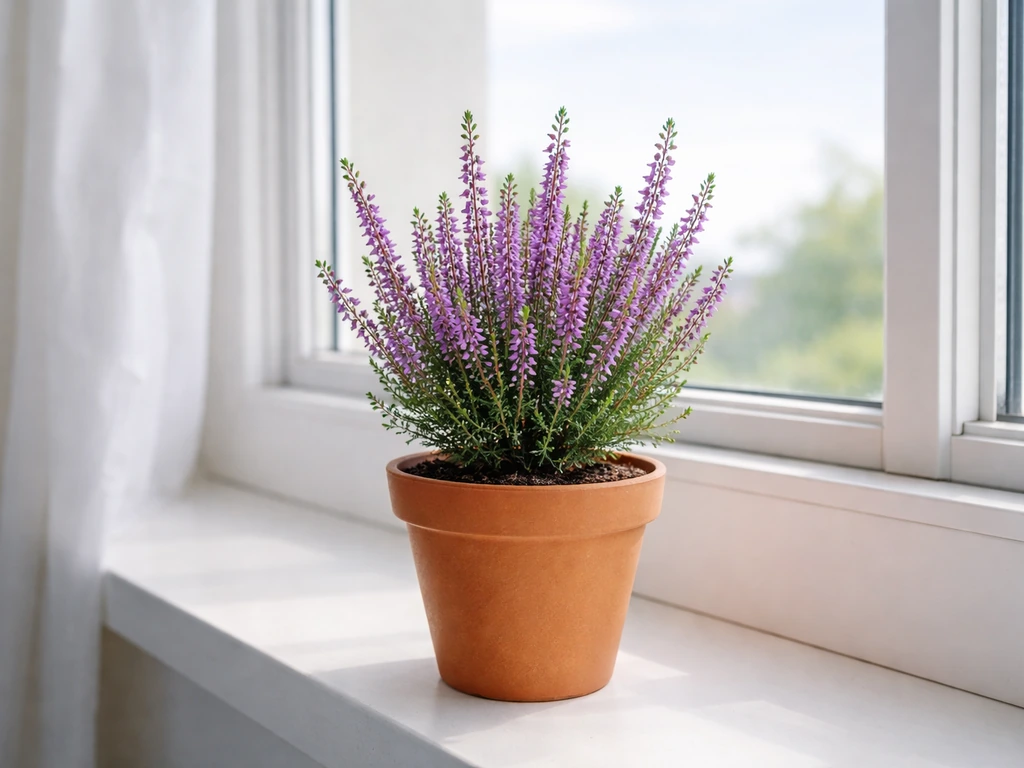
Heather is a moorland plant. It evolved on exposed hillsides with full sun, cool breezes, and poor acidic soil. Bringing it inside means mimicking that environment as closely as possible, which is a different challenge than, say, a pothos that tolerates shade and warmth. Here's what you're working with.
Light
This is the make-or-break factor. Heather needs a minimum of four hours of direct sunlight daily, and six or more is better. A bright south-facing windowsill is your best bet. East or west windows can work if they get strong morning or afternoon light.
North-facing windows almost never provide enough intensity. If your windows are limited, a full-spectrum LED grow light placed 6 to 12 inches above the plant for 12 to 14 hours a day can compensate well. One thing I've learned: don't place heather too close to the glass in winter if temperatures drop sharply overnight, but don't push it so far back that it loses the light. Find the sweet spot, usually six to twelve inches from the pane.
Temperature
Heather prefers cool conditions, ideally between 45°F and 65°F (7°C to 18°C). It genuinely dislikes a warm, centrally heated living room sitting at 72°F all winter. If you can keep it in a cool room, an unheated porch, a garage with a window, or a cool spare bedroom, it will thank you for it. Avoid placing it near radiators, heat vents, or fireplaces. Consistent temperature matters too, Penn State Extension notes that sudden swings in temperature (like moving a plant from a cold car into a warm house) can trigger leaf or flower drop, so acclimate heather gradually when you first bring it inside.
Humidity
Indoor air, especially in winter with heating running, gets very dry. Heather prefers moderate humidity, think 40 to 60 percent. In a typical centrally heated home, you might be at 20 to 30 percent humidity in January, which stresses the plant. A small pebble tray filled with water placed under the pot (without the pot sitting in the water itself) adds local humidity around the plant. Grouping it with other plants helps too. Avoid misting directly onto the foliage, which can encourage fungal problems.
Picking the right heather variety and pot
Not all heathers behave the same indoors. For a detailed look at dusty miller specifically, see can dusty miller grow indoors. Erica gracilis (Cape heath) is the variety most commonly sold as a potted indoor plant, especially around the holiday season, and it's the most forgiving of indoor conditions for a short to medium term. Calluna vulgaris (Scotch heather) is hardier outdoors but can work indoors if you have excellent light and keep temperatures cool. Erica carnea is another cold-tolerant option that handles container growing well. If you're buying at a garden center, look for compact, bushy varieties rather than leggy ones. Avoid plants that are already dropping flowers in the store, that's a stress signal.
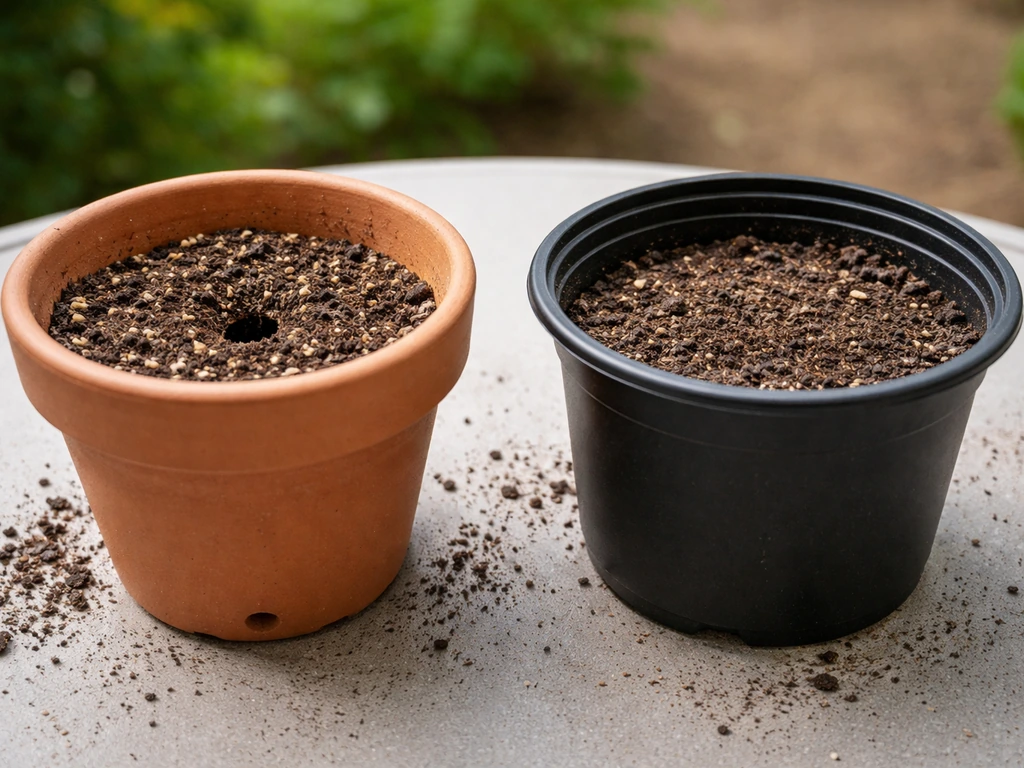
For the pot, choose terracotta or unglazed ceramic over plastic if possible. Terracotta is slightly porous and helps prevent the waterlogging that heather hates. The pot must have drainage holes, this is non-negotiable. A pot that is 6 to 8 inches wide works well for most individual heather plants. Avoid oversizing the pot; too much soil volume around the roots holds moisture too long and invites root rot.
How to grow heather indoors: step by step
- Choose your location first, before you buy the plant. Confirm you have a bright south or west window, or set up a grow light at the correct height. Committing to the spot before purchasing saves a lot of heartbreak.
- Mix your ericaceous potting compost. Use a peat-free ericaceous (acidic) compost as your base — the RHS specifically recommends this for Calluna in containers. You can blend in 20 to 30 percent perlite or coarse horticultural grit to improve drainage further.
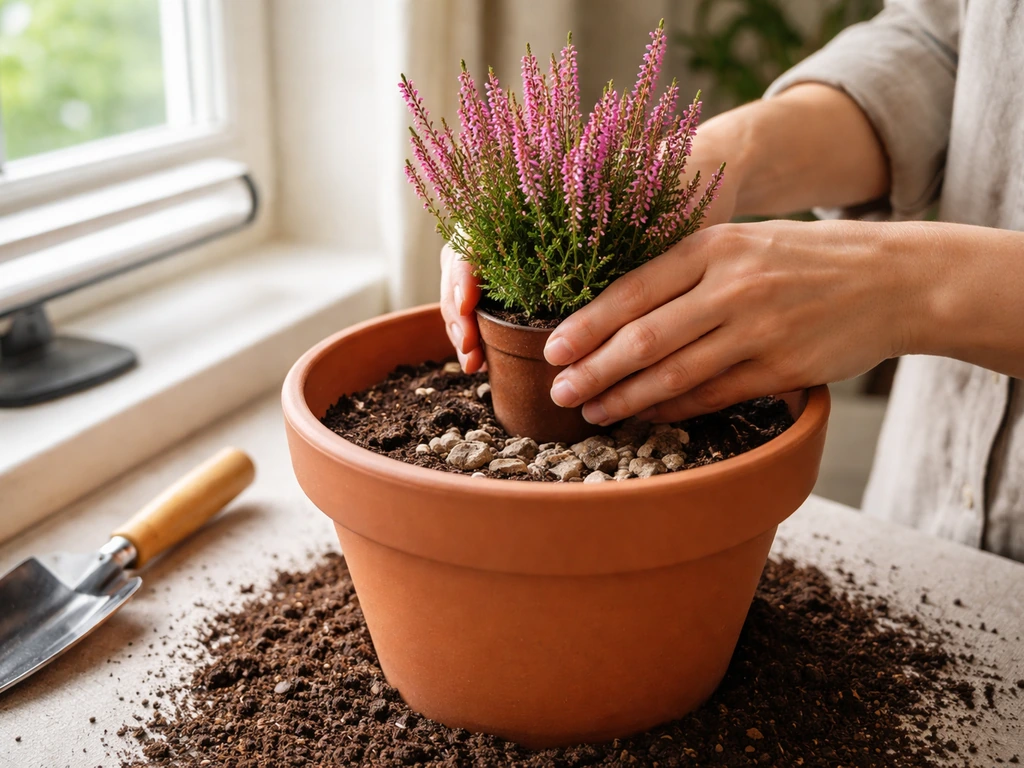
- Pot the heather at the same depth it was growing in its nursery pot. Firm the compost gently around the roots but don't compact it. Leave about an inch of space at the top of the pot for watering.
- Water thoroughly right after planting, until water runs freely from the drainage holes. Then let the top inch of compost dry out slightly before watering again.
- Acclimate the plant gradually if it has been outdoors or in a garden center. Don't move it straight from a cold, bright environment into a warm dim room. Give it a few days in a transitional spot, as sudden changes in light or temperature can cause flower or leaf drop.
- Place the pot on a pebble tray with a small amount of water to boost local humidity. Make sure the pot base sits above the waterline.
- Set up your grow light if natural light is borderline. Run it on a timer for 12 to 14 hours a day, keeping the light 6 to 12 inches above the plant canopy.
Watering and fertilizing: what to do and what to avoid
Overwatering is the number one killer of indoor heather. Heather in containers can dry out quickly in warm conditions, but it absolutely cannot sit in soggy compost. The RHS notes that container heathers need regular watering especially in summer, but the key is consistency rather than soaking. Check the top inch of the compost with your finger: if it feels dry, water thoroughly until it drains from the bottom holes. If it still feels damp, wait another day or two. In winter, when growth slows and temperatures are cooler, you can water even less frequently.
Use rainwater or filtered water when possible. Tap water in most urban areas is alkaline, and regular use gradually raises the soil pH, which is the opposite of what heather needs. If rainwater isn't practical, let tap water sit overnight before using it, or add a tiny splash of white vinegar (about half a teaspoon per liter) to slightly acidify it.
For fertilizing, use an ericaceous (acid-loving plant) liquid fertilizer at half strength once a month from spring through early summer. That's the active growing period. Skip fertilizing in late summer, autumn, and winter. Over-fertilizing heather, especially with general-purpose high-nitrogen fertilizers, produces lush but weak growth and can burn the roots. Less is genuinely more here.
| Season | Watering Frequency | Fertilizing |
|---|---|---|
| Spring | When top inch dries out (roughly every 3-4 days) | Ericaceous fertilizer at half strength, once a month |
| Summer | More frequently, possibly every 2-3 days in heat | Ericaceous fertilizer at half strength, once a month |
| Autumn | Reduce as growth slows | Stop fertilizing |
| Winter | Minimal, every 7-10 days or when compost is dry | None |
Getting the soil mix right
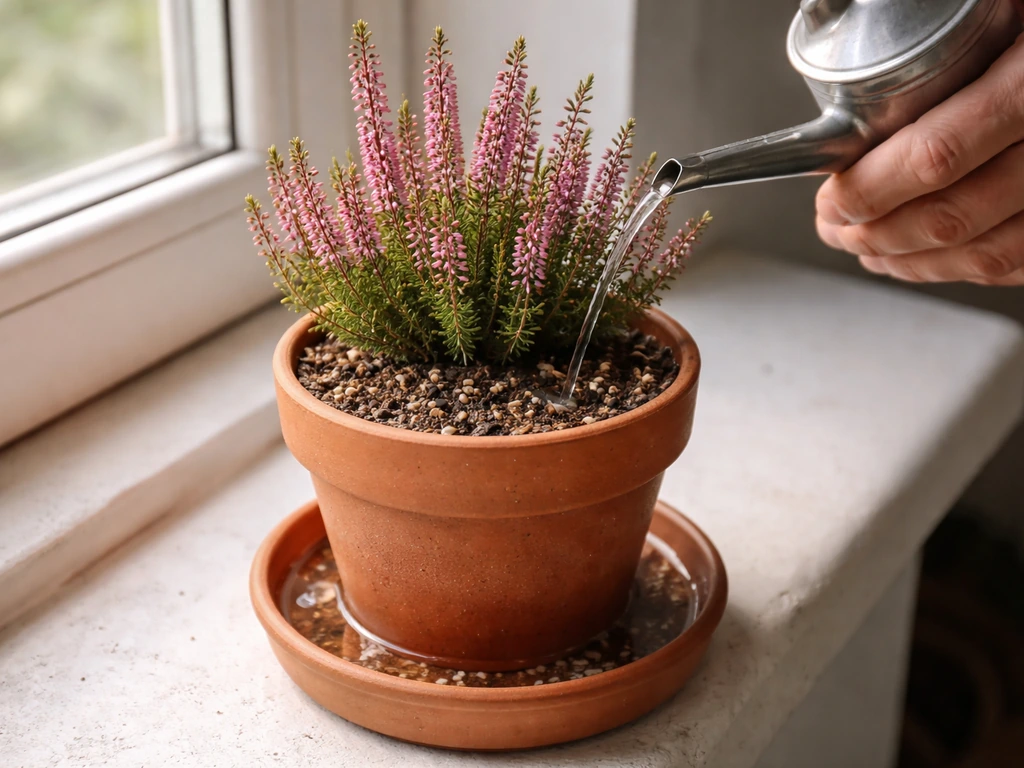
Standard multipurpose compost will not work for heather. Most general potting mixes are neutral to slightly alkaline and contain nutrients that are actually too rich for heather's liking. You need an ericaceous (acidic) compost, which has a pH of around 4.5 to 6.0. This is the same type of compost used for blueberries, azaleas, and rhododendrons. The RHS recommends peat-free ericaceous compost specifically for Calluna containers, and most garden centers stock it clearly labeled.
Good drainage is equally important. Even the best ericaceous compost can become compacted and waterlogged over time. Mix in around 20 to 30 percent perlite, coarse grit, or fine pine bark to keep the structure open and freely draining. When you pot the plant, add a thin layer of grit or small stones at the base of the pot (on top of drainage hole, not blocking it) to prevent the soil from washing down and blocking drainage over time.
Check the soil pH once a year with an inexpensive soil pH test kit. If it's crept above 6.5, you can add a small amount of sulfur chips to the top of the compost, or simply repot with fresh ericaceous mix. This annual refresh also prevents the compost from becoming compacted and nutrient-depleted.
Long-term care and fixing common problems
If you've set everything up correctly, heather can bloom reliably indoors once a year, typically from late summer into autumn for Calluna, or late winter into spring for many Erica varieties. But things do go wrong, and here's how to handle the most common issues.
Leggy or sparse growth
Leggy growth, where stems stretch out and become thin and gappy, almost always means insufficient light. Move the plant closer to the window or increase grow light duration. After flowering finishes each year, give the plant a light trim, cut back the spent flower stems by about a third to encourage bushy regrowth. Don't cut back into the old woody stems below the green growth, as heather doesn't regenerate well from bare wood.
Browning leaves or flower drop
Browning foliage can mean several things: the air is too dry, the plant is too close to a heat source, or you've been watering with heavily alkaline tap water. Check each factor in order. Sudden flower drop after bringing a plant inside is usually a temperature or light shock response, exactly what Penn State Extension warns about. Arizona Cooperative Extension notes that indoor light is essential for plant life processes and recommends avoiding temperature and light extremes, since sudden swings can cause stress such as leaf or flower drop temperature or light shock. Give the plant a week or two to stabilize before worrying too much.
Root rot
If the plant looks wilted even when the soil is wet, or the stems near the base feel soft and dark, you're dealing with root rot from overwatering or poor drainage. Act fast: remove the plant from the pot, cut away any black or mushy roots with clean scissors, let the roots air dry for an hour, then repot into fresh ericaceous mix with extra perlite. Hold off watering for a few days. Root rot caught early can be reversed; left too long, the plant won't recover.
Pests
Indoors, heather can attract vine weevils (which attack roots), spider mites in dry conditions, and occasionally fungus gnats if the soil stays too wet. Spider mites show up as fine webbing and tiny specks on foliage, increase humidity and wipe leaves with a damp cloth. Fungus gnats are a sign you're overwatering; let the soil dry out more between waterings. For vine weevils, check the roots when repotting and use a biological nematode treatment if you find grubs.
Not flowering
Heather that doesn't bloom indoors is almost always missing enough light intensity or hasn't experienced enough of a cool period. Heather needs a period of cooler temperatures (below 50°F/10°C ideally) to set flower buds. If your home stays warm year-round, move the plant to a cooler spot like an unheated room or garage for six to eight weeks in late autumn to trigger blooming. This is the same logic that works for coaxing Christmas cacti and other seasonal bloomers. Can you grow heuchera indoors too? The key is strong light and avoiding waterlogged soil.
One last thought: if indoor growing feels like an uphill battle with your particular setup, it's worth knowing that Mexican heather (Cuphea hyssopifolia) is actually a completely different plant that's often called heather but handles warm, indoor conditions far more easily. If you are mainly trying to grow something like heather indoors without fuss, Mexican heather is often a better match for typical indoor conditions can hypoestes grow indoors. It's not a true heather, but if you're attracted to that fine-leafed, flower-covered look, it might be a better fit for a bright, warm apartment. True heather (Calluna/Erica) is rewarding when conditions are right, but it's honest work to get there.
FAQ
How close can I keep indoor heather to my window in winter without it getting damaged?
Aim for the “sweet spot” mentioned in the article, usually about 6 to 12 inches from the pane. If the glass area is very cold, keep the pot slightly farther away and make sure the leaves are not touching the window, cold contact can contribute to leaf drop. Rotate the pot every week or two so growth stays even on both sides.
Can I use grow light only, or does heather need a real window too?
Grow lights can fully replace windows, but they must be bright enough and long enough. Use a full-spectrum LED and plan on 12 to 14 hours daily, keeping the light 6 to 12 inches above the plant. Also check leaf color, if it turns darker or leggy growth resumes, increase brightness or raise the schedule.
What water method is safest indoors for heather, top watering or bottom watering?
Top watering is usually simplest, water until excess drains out the bottom holes, then empty any saucer or cachepot so the pot never sits in runoff. Bottom watering can work if you prevent the compost from staying wet too long, but it can be slower to fully re-wet compacted ericaceous compost.
Is it okay to mist heather if my indoor air is dry?
Avoid misting the foliage. Instead, raise humidity indirectly with a pebble tray or by grouping plants, and keep the plant away from radiators. If you mist, do it very lightly and only for short periods, constant wet leaves are more likely to trigger fungal problems.
How do I tell the difference between dry stress and root rot early on?
Dry stress usually looks like crisp, drying tips and generally “stressed” foliage while the stems remain firm. Early root rot often comes with a persistently damp feel in the compost, wilting even though the soil is wet, and soft or dark stems near the base. Your best decision tool is the top inch of compost, if it is damp and the plant is wilting, investigate drainage and roots immediately.
Should I repot my store-bought heather right away?
Only repot right away if drainage is poor, the plant is in a non-ericaceous mix, or the pot has no working drainage holes. Otherwise, wait until after it establishes indoors, because moving it plus a light shift can cause flower or leaf drop. If you do repot, use fresh ericaceous compost and add extra perlite or grit to keep structure open.
What fertilizer should I use, and how can I avoid overfeeding indoors?
Use an ericaceous liquid fertilizer at half strength about once a month during spring through early summer. To avoid salt buildup, do not “top up” with extra feed, and consider occasional plain watering to flush the compost. If the plant looks greener but thinner and more fragile, you may be feeding too much or using the wrong formulation.
Can heather survive outdoors seasonally if I bring it inside in winter?
Yes, many indoor heather plants do better if they can spend warmer months in brighter outdoor conditions. Harden it gradually, then bring it inside before nights get too cold. When switching from outdoors to indoors, expect some flower drop or adjustment, and avoid changing both light and temperature at the same time.
My heather won’t bloom indoors, what cooling schedule should I try?
Try a cool period, ideally under 50°F (10°C), for about 6 to 8 weeks in late autumn. Place it in an unheated room, garage with a window, or a cool spare room, while keeping strong light. After the cool period, move it back to the brighter spot and avoid warm drafts, bud drop is common if conditions swing quickly.
What should I do if the compost pH rises above my target?
If your pH test shows it’s above about 6.5, refresh the medium or correct it. The article mentions sulfur chips, but the most reliable approach is repotting into fresh ericaceous compost because it resets acidity and nutrient balance. After repotting, wait a few weeks before fertilizing to prevent compounding stress.
How can I prevent fungus gnats if I tend to water conservatively?
Even with correct watering, gnats can show up if the top layer stays wet or organic debris accumulates. Let the top inch dry more between waterings, use well-draining ericaceous mix with perlite or grit, and avoid leaving standing water in saucers. If they persist, you may need to address larvae in the compost with an appropriate treatment rather than just spraying adults.