Yes, horsetail (Equisetum, most commonly E. If you are also wondering can you grow heuchera indoors, the light and watering needs are different and will depend on your home’s humidity. hyemale sold as an ornamental) can grow indoors, but it needs bright light, constantly moist soil, and a contained pot with good drainage. It is not a typical houseplant you can neglect or let dry out. Get those three things right and it will grow steadily and look striking. Get them wrong and it will yellow, stall, or rot within weeks. Here is exactly how to make it work.
Can Horsetail Grow Indoors? Care, Setup, and Troubleshooting
James Hartwell
12 May 2026
What 'growing indoors' actually means for horsetail
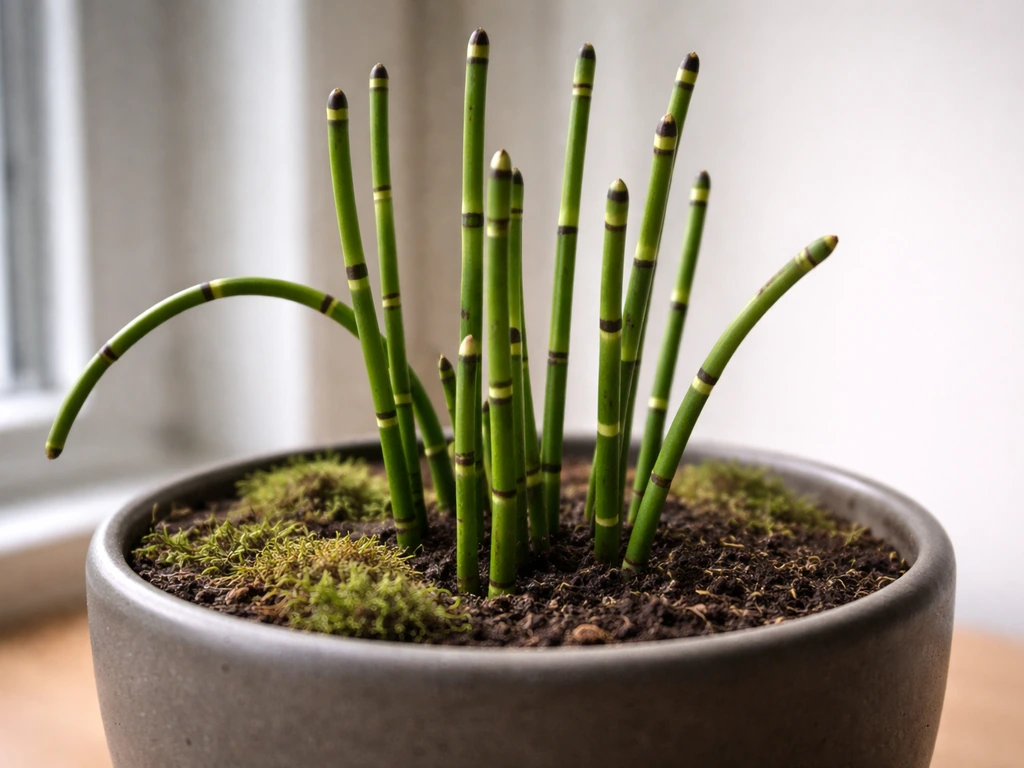
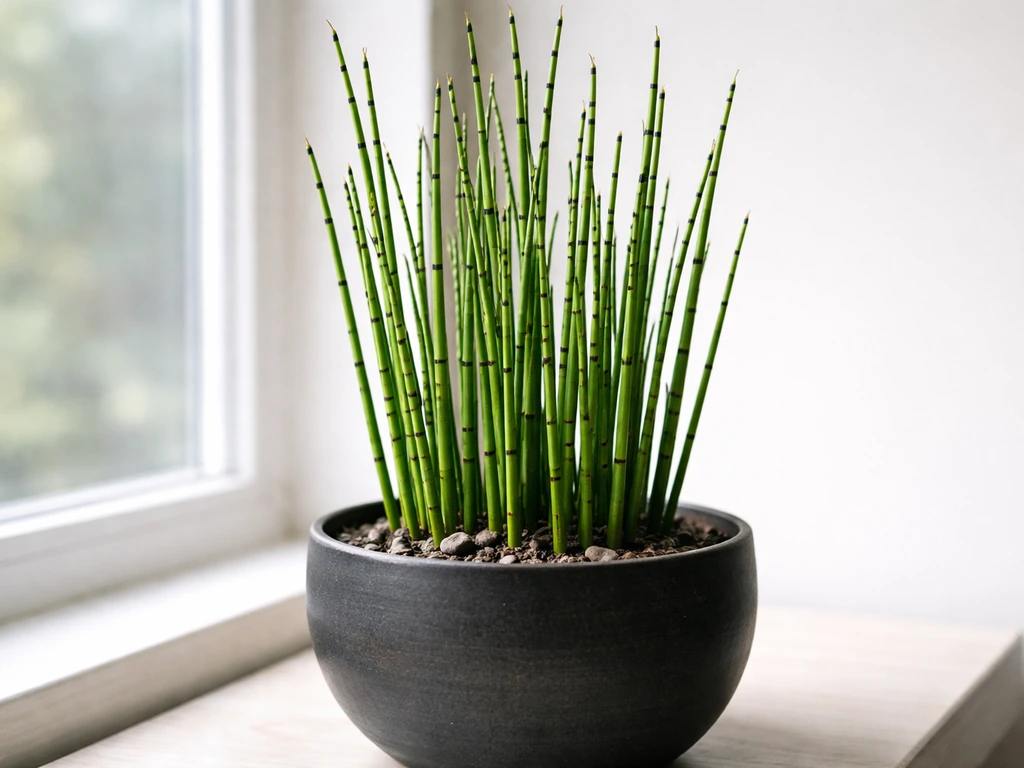
Horsetail is an ancient, primitive plant with no true leaves or flowers. Those hollow, segmented green stems are doing all the photosynthesis. Outdoors it grows in wet ditches, pond margins, and stream banks, and it spreads relentlessly underground via rhizomes. Indoors, the plant can absolutely survive and put out new stems, but you are essentially keeping a wetland plant in a pot in your living room. The plant will not behave like a cactus or even like most tropical houseplants. It wants to stay wet, it wants a lot of light, and given half a chance its rhizomes will try to take over. 'Growing indoors' here means active new stem growth, not just barely staying alive. If the stems stay green but nothing new emerges for months, something is off in your setup.
Pick the right type before you buy
There are around 15 Equisetum species, but for indoor growing the one you want is Equisetum hyemale, commonly called rough horsetail or scouring rush. It is the tall, dark-green, bamboo-like species sold at most garden centers and pond plant suppliers. It stays evergreen, handles container life better than most other species, and looks architectural in a pot. Equisetum arvense, field horsetail, is a different beast: it is shorter, feathery, goes dormant in winter, and spreads even more aggressively. You will occasionally see it sold as a weed remedy or herbal plant, but it is genuinely difficult to keep looking good indoors and has more serious invasiveness risk. Stick with E. hyemale unless you have a specific reason to grow something else.
Light, temperature, and humidity for indoor success
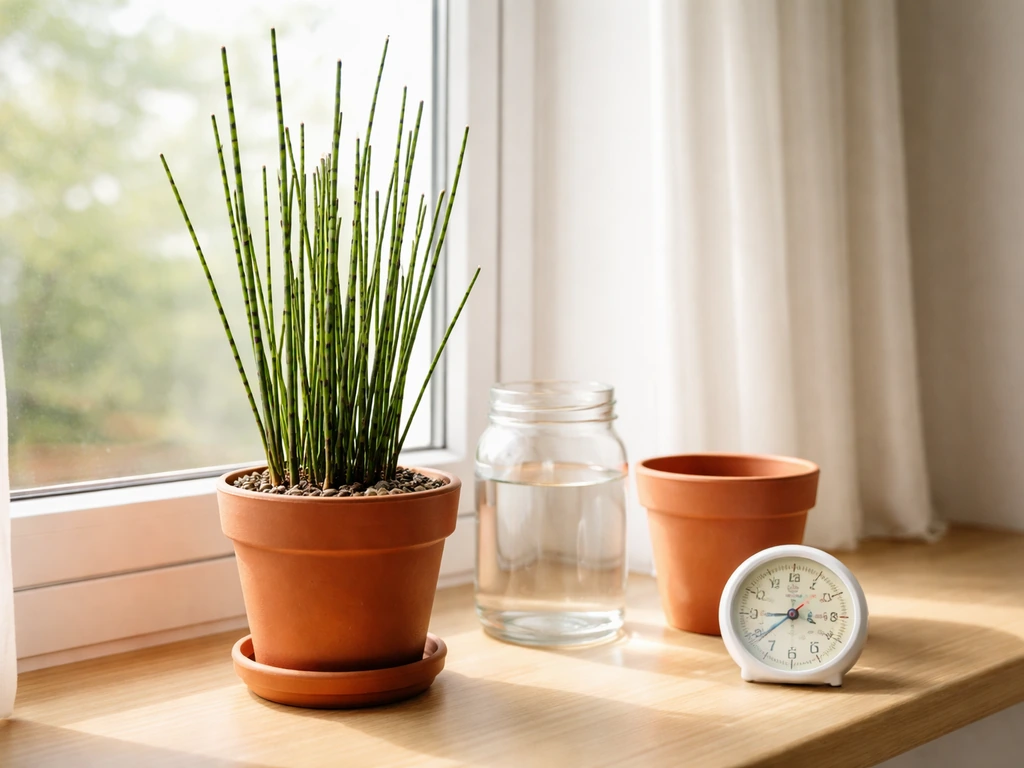
Light is where most indoor attempts fail. E. hyemale naturally forms dense colonies in full sun to partial shade outdoors. Indoors, that translates to your brightest possible window, ideally a south- or west-facing one. A few hours of direct sun coming through glass is fine and actually helpful. Filtered bright light can work, but dim corners will give you yellowing stems and no new growth. If your best window only gets a couple of hours of indirect light, plan to supplement with a full-spectrum LED grow light positioned close to the plant. I have seen horsetail limp along on a north-facing windowsill and look miserable. Move it to a bright spot and it bounces back fast.
Temperature-wise, horsetail is fairly tolerant. Indoor room temperatures between about 60 and 80 degrees Fahrenheit suit it well. It can handle cooler nights, which is helpful in winter. What it cannot tolerate is hot, dry air combined with neglected watering. A spot near a heating vent in winter, where the air gets warm and desiccated, will dry the stems out and cause browning at the tips. Humidity is less critical than moisture at the roots, but if your home runs very dry in winter, misting the stems occasionally or running a small humidifier nearby helps keep those green segments from crisping.
Getting the soil, pot, and drainage right
This is where horsetail differs from almost every other houseplant you will care for. Most indoor gardening advice tells you to let the top inch of soil dry out between waterings. With horsetail, you want the soil consistently moist, essentially never fully drying out. The plant thrives in moist sandy or clay-type soils in nature, and that preference carries indoors. A good indoor mix is a sandy loam or a standard potting mix blended with extra perlite or coarse sand to keep it moisture-retentive but not soggy. Avoid pure peat-based mixes that compact and repel water once they dry.
Pot selection matters more than most people expect. You absolutely need a pot with drainage holes, full stop. Keeping the soil constantly moist sounds like it contradicts needing drainage, but it does not. What you want is moist soil, not waterlogged soil with no oxygen. Stagnant standing water around roots rots them fast. A deep pot (12 inches or more) in a heavy ceramic or terracotta style is ideal. The depth accommodates the rhizomes as they spread, and the weight keeps the pot from tipping since horsetail gets tall. For an apartment-friendly option, place the drained pot inside a decorative cachepot and add a small amount of water to the outer pot to maintain ambient humidity, but empty it every day or two so roots never sit in standing water.
Watering and feeding: the two most common failure points
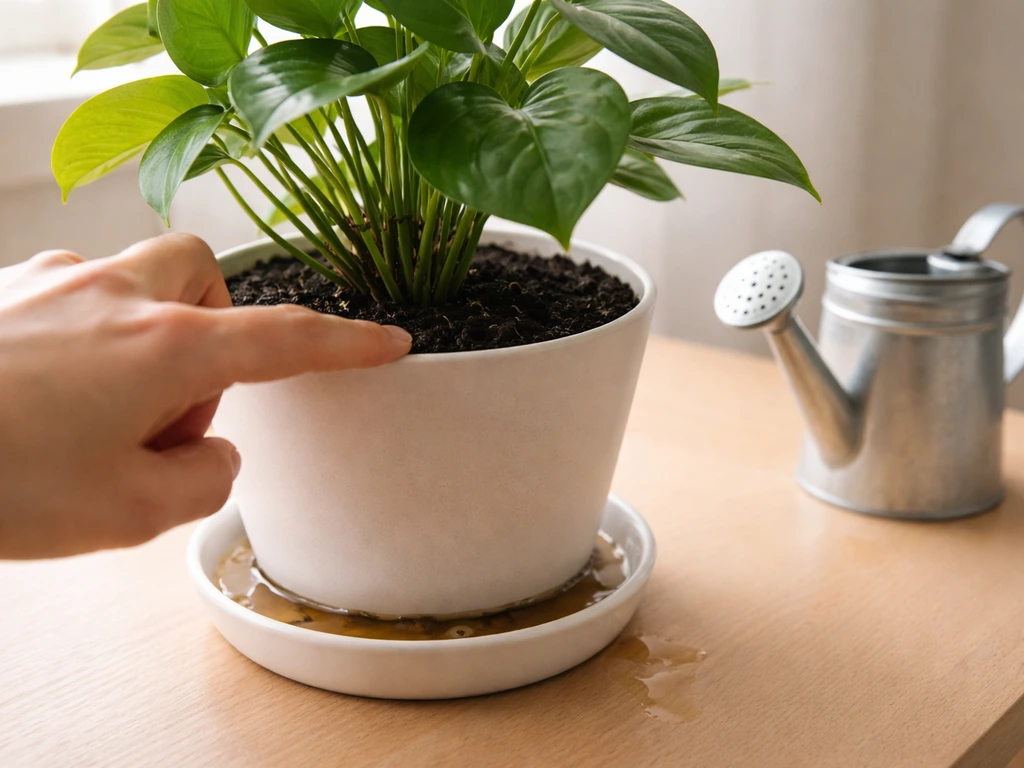
Water consistently and often. Check the soil every two to three days by pushing a finger about an inch in. If it feels barely damp or dry, water thoroughly until it drains from the holes. In bright light and warm conditions during the growing season, you may be watering every other day. In winter with lower light, you can back off slightly, but the soil should never feel truly dry. A dried-out horsetail turns yellow and then brown quickly. Once it starts browning from drought, even re-watering will not save the discolored stems; new growth has to replace them.
Overwatering in a pot without drainage is the other classic mistake. The stems will yellow, the base will get mushy, and rhizomes will rot. If that happens, take the plant out of the pot, trim rotted rhizomes with clean scissors, let it air for an hour, and repot into a container with proper drainage.
Feeding is simple: horsetail is not a heavy feeder. During the growing season (spring through early fall), apply a balanced liquid fertilizer at half the recommended strength once a month. Professional growers use standard balanced formulas, and the half-strength approach is the right call for containers indoors, where nutrients accumulate rather than leach away. Skip feeding in winter. Overfeeding pushes soft, weak growth and can burn roots. Less is genuinely more here.
Starting and propagating horsetail indoors
The easiest way to start horsetail indoors is from a divided rhizome section bought from a nursery or divided from an existing plant. Rhizome divisions establish quickly. Plant the rhizome horizontally, about one to two inches deep, in your prepared moist mix, keep it in a bright spot, and expect to see new stems pushing up within a few weeks during the growing season. Even tiny rhizome fragments can restart growth, which is why handling is important (more on that in the containment section).
Propagation from spores is possible but genuinely difficult indoors and mostly impractical for home gardeners. Horsetail spores have an extremely short viability window, sometimes just 24 to 48 hours after release. Equisetum arvense spore germination has been experimentally observed to occur at about 32 hours, with viability described as very limited and time-sensitive spore germination occurs at about 32 hours. More importantly, spore germination produces separate male and female gametophyte structures, and both must be present and fertilized with water for a new plant to form. The whole cycle takes months, and the conditions required (consistently wet, sterile growing medium, careful humidity control) are hard to replicate at home without laboratory-like precision. Unless you are specifically interested in the botany of it, skip spores and go straight to rhizome divisions.
What to expect as it grows: pace and maintenance
After planting or dividing, give the plant a few weeks to settle in before expecting much visible activity. Once established in good light with consistent moisture, new stems push up from the rhizome steadily during the growing season. The stems themselves do not branch or produce leaves; each one grows to its mature height and then holds that form. Indoor stems on E. hyemale typically reach one to three feet, somewhat shorter than outdoor specimens, which can hit four feet or more. In a bright window with consistent care, you will see several new stems emerge per month in active growth periods. If you are wondering whether can hypoestes grow indoors, the same idea applies: match the plant to your light and watering routine.
Maintenance is minimal. Trim old or yellowed stems at the base with clean scissors whenever they look tired. That is basically it. No deadheading, no shaping required. Repot every one to two years when roots and rhizomes visibly crowd the container, moving up one pot size at a time. Avoid breaking up the rhizomes unless you intend to propagate, because any fragment dropped in another pot or on moist soil can start a new plant.
Troubleshooting, containment, and safety you need to know
Yellowing stems
Yellow stems are the main symptom you will deal with, and they have three typical causes: too little light, inconsistent watering (usually letting it dry out), or root rot from a pot with no drainage. Work through those three in order. Move it to brighter light first, then assess your watering rhythm, then check the drainage situation. Yellowing from the bottom up often points to overwatering or root rot. Yellowing tips in otherwise green stems often point to dry air or drought stress.
Pests
Horsetail is unusually pest-resistant, largely because the stems contain silica, which most insects find unappealing. Scale and mealybugs can occasionally appear on weakened plants. If they do, a cotton swab dipped in rubbing alcohol removes them from individual stems, and neem oil spray keeps populations in check. Fungus gnats are a more common problem given the consistently moist soil. Let the very top layer of soil dry out slightly between waterings (while keeping the deeper soil moist) to discourage them, and use sticky traps near the pot.
Containment indoors
This is important. Horsetail rhizomes can travel. Outdoors, E. arvense roots have been documented reaching six feet deep. A Wiley study on field horsetail reports that in soil cores, half of the rhizome dry weight was in the uppermost 25 cm and about 10% occurred between 75 and 100 cm, reflecting a substantial depth distribution arvense roots documented reaching six feet deep. Indoors, the rhizomes will find drainage holes, crack thin plastic pots, and work their way into adjacent containers or even into moist potting mix nearby. Use a sturdy ceramic, terracotta, or thick-walled plastic pot. Inspect drainage holes seasonally to make sure rhizomes are not escaping. If you repot, dispose of rhizome trimmings in the trash, not in your garden or compost, where they could take root. Treat any fragment as a potential new plant.
Toxicity and safety
Keep horsetail away from horses, cattle, and sheep; it is documented as toxic to livestock and can cause serious problems if grazed. For dogs and cats, the ASPCA lists scouring rush (E. arvense) as toxic, so if you have pets that chew plants, place it somewhere inaccessible. For humans, the plant itself in ornamental form is generally handled safely, but horsetail extracts and supplements have been linked in rare cases to liver enzyme elevations in people who consume them. As a decorative potted plant you are not ingesting anything, but it is worth knowing if you have curious kids or animals in the house. Wash hands after handling the soil or rhizomes, and do not eat it.
Quick comparison: E. hyemale vs. E. arvense for indoor growing
| Feature | E. hyemale (Rough Horsetail) | E. arvense (Field Horsetail) |
|---|---|---|
| Typical use indoors | Ornamental, architectural container plant | Herbal or novelty growing |
| Evergreen indoors | Yes | No, goes dormant in winter |
| Mature indoor height | 1 to 3 feet | Under 1 foot (vegetative stems) |
| Light needs | Bright, filtered to full sun | Bright to partial shade |
| Invasiveness risk in pots | High (containment required) | Very high (more aggressive) |
| Beginner-friendly | Yes, with right setup | No, harder to manage |
| Recommended for indoors | Yes | Not recommended |
Your practical next steps
- Buy E. hyemale as a rhizome division or potted plant from a nursery or pond plant supplier.
- Choose a deep (12+ inch), heavy pot with drainage holes. Terracotta or thick ceramic works well.
- Mix standard potting soil with about 20 to 30 percent coarse perlite or sand for moisture retention without waterlogging.
- Place it in your brightest window or supplement with a full-spectrum LED grow light.
- Water every two to three days, keeping soil consistently moist but never sitting in standing water.
- Feed with half-strength balanced liquid fertilizer once a month from spring through early fall.
- Check drainage holes every few months for escaping rhizomes and dispose of any trimmings in the trash.
- Keep away from pets and livestock, and wash hands after working with the soil.
Horsetail is genuinely one of the more striking plants you can grow in a container indoors: that tall, segmented, bamboo-like silhouette works beautifully in modern and minimal spaces. It asks more of you than a typical foliage plant in terms of consistent moisture and bright light, but it is not fussy in other ways. If you are also wondering about can heather grow indoors, it helps to know how its light and moisture needs differ from horsetail. If you enjoy plants that require consistent attention rather than benign neglect, this one will reward you. If you are already exploring other architectural or textural plants for indoors, some of the other species covered on this site make interesting comparisons for low-maintenance alternatives. Yes, it can dusty miller grow indoors, but it also needs the right light and care to keep its silvery leaves looking their best.
FAQ
How wet should the soil be for indoors, and how do I tell if I’m overdoing it?
Aim for soil that feels consistently moist at the root level, but not muddy. A finger test is useful, if the top inch is drying out but the deeper area stays damp, you are close. If water pools on the surface or the pot stays heavy and waterlogged for days, that is overdoing it and raises the risk of root rot, even if the plant looks “green” for a while.
Can I keep horsetail in a self-watering planter or water reservoir?
Only if the inner container has proper drainage and the roots are not sitting in a reservoir. A true water tray style setup usually keeps the base too saturated. If you want a self-watering unit, set it so the reservoir only raises humidity around the pot, and empty any outer water daily or every other day so the rhizomes never contact standing water.
What is the best pot size for indoor growth, and when should I repot?
Start with a pot at least 12 inches deep for stability and rhizome spread, and choose a width that gives room for future crowding. Repot when you see rhizomes pressing against the sides, roots lifting the surface, drainage holes becoming obstructed, or growth stalling even with good light and moisture. Plan to move up one pot size, don’t just split the plant every time.
My horsetail is green but not putting out new stems. What should I check first?
Check light intensity before anything else, then verify watering consistency. If the stems stay green for months, it usually means energy production is low (dim window, blocked sun, or too far from the light) or the soil is drying more often than you realize. Finally, inspect the pot’s drainage and roots for early rot if the soil is staying wet and smelly.
Is it safe to place horsetail near humidifiers or heating vents?
It tolerates room temperatures well, but it dislikes hot, dry air. Avoid aiming a humidifier’s mist directly onto the pot if it causes soggy surface water or fungus gnats. Also keep it away from vents where winter airflow can dry the stem tips quickly, browning them even if you water on schedule.
How do I stop fungus gnats if I have to keep the soil moist?
Use a layered approach: keep deeper soil moist, let only the top layer dry slightly between waterings, and use yellow sticky traps near the pot. If gnats persist, consider letting the top layer dry a bit more while still maintaining moisture below, because adults lay eggs in the surface layer that stays constantly wet.
Do I need to fertilize, and what happens if I skip it?
You can skip fertilizer and many indoor plants will still grow steadily with good light and frequent watering, since the priority is moisture and light. If you do fertilize, use half-strength balanced liquid once a month during the growing season, because overfeeding can produce soft growth and can make rot more likely in consistently wet conditions.
Will trimming old stems make it branch or grow more new stems?
Trimming mainly improves appearance, it does not force branching. New stems are produced from the rhizome, so the fastest way to get more stems is to maintain bright light and stable moisture. If trimming is followed by no new stems, focus on setup issues rather than expecting pruning to change growth patterns.
Can horsetail escape through drainage holes or spread to other plants?
Yes. Rhizomes can grow into adjacent moist media and even into cracked pots. Inspect drainage holes seasonally, use a sturdy deep container, and when repotting treat any trimmed rhizome fragments as viable plants by disposing of them in trash rather than compost or garden soil.
What’s the difference between yellowing tips and yellowing from the base?
Yellowing tips in otherwise green stems usually points to drought stress or very dry air, often near heaters. Yellowing that starts from the bottom and progresses upward more often indicates inconsistent watering or root rot, especially if the pot lacks drainage. Use this pattern to decide whether to adjust light and watering rhythm or check for rot.
Is horsetail safe around pets and kids?
Ornamental horsetail is generally handled safely as a decorative pot, but ingestion of plant material or extracts is not recommended. Keep it out of reach of pets that chew plants, because some species are listed as toxic. Wash hands after handling soil or rhizomes, since curious kids may touch the plant and then touch food.