
Yes, you can grow heuchera indoors, but it comes with honest caveats. Coral bells are fundamentally outdoor perennials, and they'll survive indoors rather than truly thrive the way a pothos or peace lily would. That said, with a bright spot (or a decent grow light), fast-draining soil, careful watering, and decent airflow, you can absolutely keep one healthy inside for a season or even longer. The biggest killers indoors are crown rot from overwatering and slow decline from insufficient light, so as long as you nail those two things, you're in a good position. If you’re also wondering can hypoestes grow indoors, the key is matching it with similarly bright light and a careful watering rhythm so it doesn’t sulk.
Can You Grow Heuchera Indoors? Indoor Care Guide

James Hartwell
20 May 2026
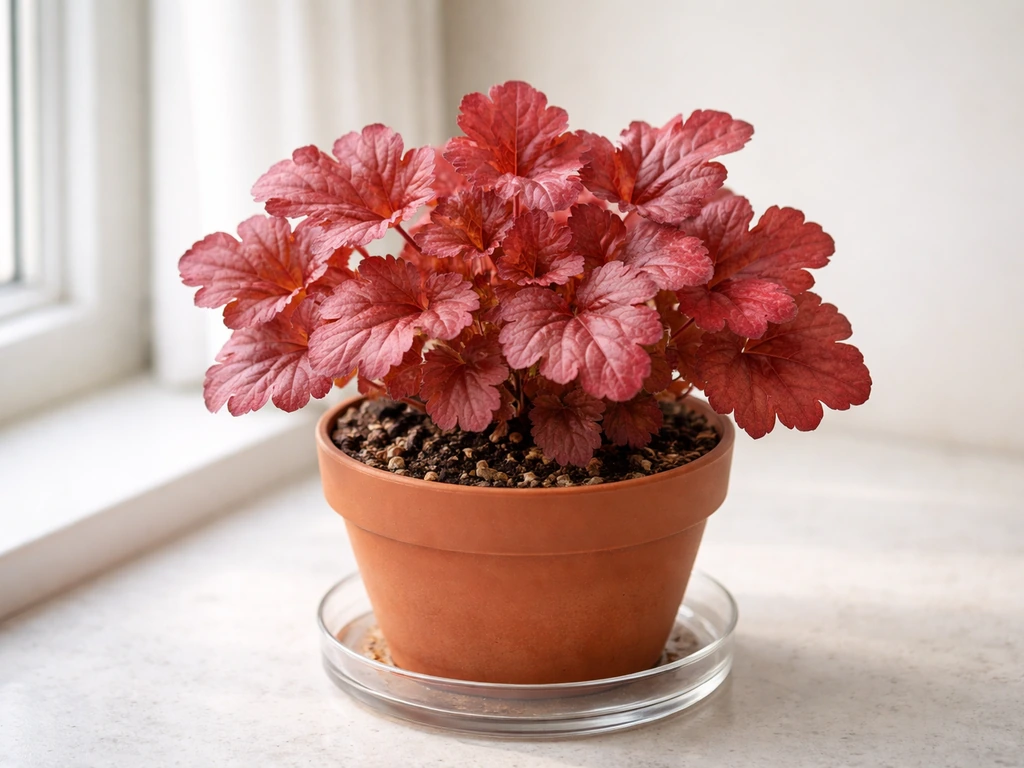
Can heuchera really grow indoors (and when it won't)
Heuchera is a shade-tolerant perennial, which sounds perfect for indoors until you realize 'shade-tolerant' in a garden context still means filtered outdoor light, which is significantly brighter than most living rooms. If you end up deciding the house conditions are too dim, the next-best related option is how to keep heuchera thriving indoors with better light and drainage can heather grow indoors. Most varieties prefer light shade to partial shade, which translates to a genuinely bright indoor spot, not a dim corner. The newer villosa hybrids tend to handle more variable conditions and are worth seeking out if you're committed to indoor growing. Illinois Extension also notes that most coral bells prefer light shade, while blank" rel="noopener noreferrer">newer villosa hybrids are more heat-tolerant, which can help when matching indoor light conditions.
There are situations where growing heuchera indoors just won't work well. If your home has no south- or east-facing windows and you're not willing to add a grow light, the plant will slowly go leggy and fade. Heuchera is also a short-lived perennial even outdoors, typically needing division every three to four years to stay vigorous, so expecting it to be a permanent, low-maintenance houseplant forever isn't realistic. Think of it more like a long-term guest than a permanent resident.
Where heuchera indoors genuinely makes sense: overwintering a container plant you want to protect from a harsh winter, growing it in a cool sunroom or bright conservatory, or keeping it on a well-lit windowsill for a season to enjoy that gorgeous foliage up close. I've done the windowsill version with purple-leaf varieties and gotten several months of beautiful color before moving them back outside in spring. Dusty miller can also be grown indoors, but it needs lots of light and a fast-draining setup to prevent leaf and root problems.
Light requirements and best window or grow-light setup
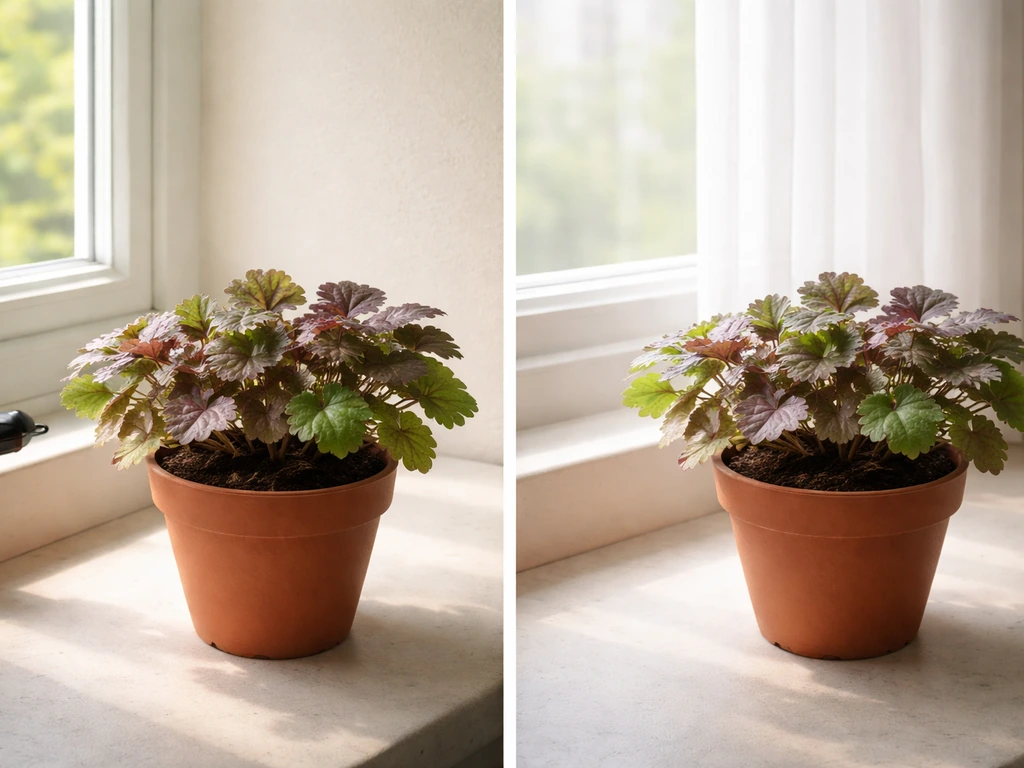
Heuchera needs four to six hours of light per day to stay healthy. A south-facing window is your best bet in the northern hemisphere, with an east-facing window as a close second for morning light. West-facing windows work in a pinch. North-facing windows almost always produce too little light for sustained health indoors. Keep the plant within two to three feet of the glass to get adequate intensity, not just duration.
One thing to watch: direct, intense midday sun through a south window in summer can cause marginal leaf burn on the more delicate lighter-colored varieties. If you see crispy brown edges developing, either pull the pot back a foot or use a sheer curtain to filter the harshest rays. Darker-leaved heucheras tend to handle more direct light, while pale gold or green varieties prefer softer, filtered brightness.
If your windows can't deliver four to six hours consistently, a full-spectrum LED grow light positioned six to twelve inches above the foliage and run for twelve to fourteen hours a day will do the job. Look for grow lights with a color temperature around 4000–6500K. This is probably the single best investment you can make if you're serious about keeping heuchera looking good indoors long-term. Without adequate light, everything else falls apart: growth gets spindly, color fades, and the plant becomes more vulnerable to rot and disease.
Potting, soil, and drainage for indoor success
This is where most indoor heuchera attempts fail. The plant absolutely cannot sit in soggy soil, and indoor containers tend to stay wetter longer than outdoor beds due to lower evaporation, lower airflow, and no rainfall variation. Crown rot is the primary indoor killer, and it starts from the bottom up before you even notice a problem.
Use a pot with multiple drainage holes, no exceptions. A terracotta pot is genuinely helpful here because it breathes and dries out faster than plastic or glazed ceramic. For soil, skip garden soil entirely (it compacts badly in containers and holds too much water). Instead, blend a quality peat-free potting compost with a generous amount of perlite or vermiculite, roughly a 2:1 ratio of compost to perlite. You want a mix that feels light and airy, not dense and clayey.
When potting, pay close attention to crown depth. The crown, which is that central rosette base where the leaves emerge, must sit at or slightly above the soil surface. Never bury it. This is one of the most repeated pieces of guidance from experienced heuchera growers for good reason: a buried crown in moist indoor soil is almost guaranteed to rot. I always set mine just a hair above the soil line and leave a small gap between the crown and any mulch or top-dressing.
Pot size matters too. A pot that's too large for the root ball holds excess moisture the roots can't use, which creates the same wet-feet problem as poor drainage. Start with a pot only two to three inches wider in diameter than the root ball, and size up gradually as needed.
Indoor watering and feeding schedule
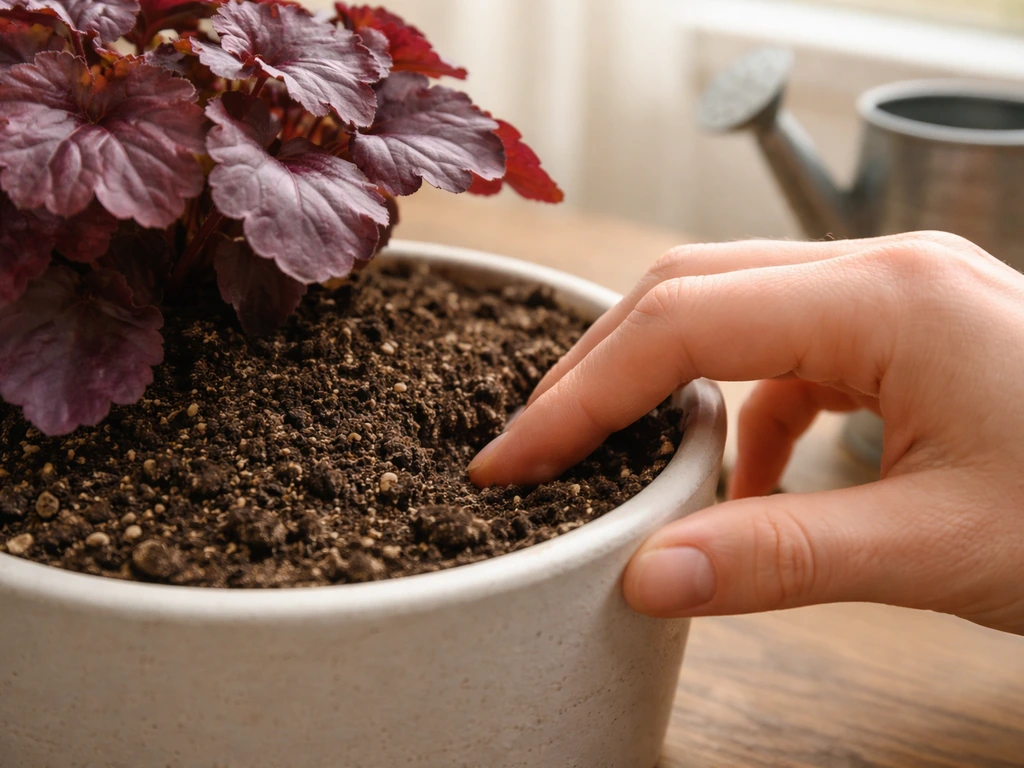
The golden rule for heuchera watering indoors is: let the top couple of inches of soil dry out before you water again. Stick your finger in. If it still feels moist at the two-inch depth, wait. When you do water, water deeply until it runs freely from the drainage holes, then empty the saucer so the pot isn't sitting in standing water. On average, this works out to roughly once a week during the growing season, but that can shift to every five days or ten days depending on your light, temperature, and pot material. Never water on a fixed calendar schedule without checking the soil first.
Container-grown heuchera dries out faster than in-ground plants, so during warmer months or under a grow light, you may need to check more frequently. In winter, if you're keeping the plant in a cool spot while it rests, cut back watering significantly, watering only enough to prevent the soil from going completely bone dry.
For fertilizing, a balanced liquid fertilizer at half strength every three to four weeks through spring and summer is plenty. Heuchera isn't a heavy feeder. In fall and winter, stop fertilizing altogether and let the plant rest. If you're using a grow light year-round to maintain active growth, you can continue a light feeding schedule through winter, but keep it minimal. Over-feeding in low light leads to soft, weak growth that's more prone to disease.
Temperature, humidity, and airflow needs
Heuchera is comfortable in the temperature range most homes naturally hit: 60 to 80°F (15 to 26°C) during active growth. It actually appreciates the cooler end of that range, which is one reason it does well in a cool sunroom or near a drafty but bright window in late fall. Avoid placing it near heating vents or radiators, which create hot, dry microclimates that stress the foliage.
Humidity is where apartments and centrally-heated homes often fall short. Heuchera prefers moderate humidity in the 50 to 60% range. Most heated homes in winter drop to 30 to 40% relative humidity, which causes leaf edges to crisp up and the plant to look tired. A small humidifier near the plant or a pebble tray with water beneath the pot (making sure the pot itself sits above the waterline) can help bridge that gap. Misting directly onto the foliage isn't recommended because it can encourage the fungal issues heuchera is already prone to.
Airflow often gets overlooked, but stagnant air indoors is a real problem for heuchera. Good air circulation helps prevent powdery mildew and other fungal issues that love the combination of moderate humidity and still air. A small fan on low, or just making sure your plant isn't crammed into a tight, poorly-ventilated corner, makes a meaningful difference. Don't let leaves sit pressed against a window pane either, especially in winter when the glass can get cold and damp.
Troubleshooting common problems indoors
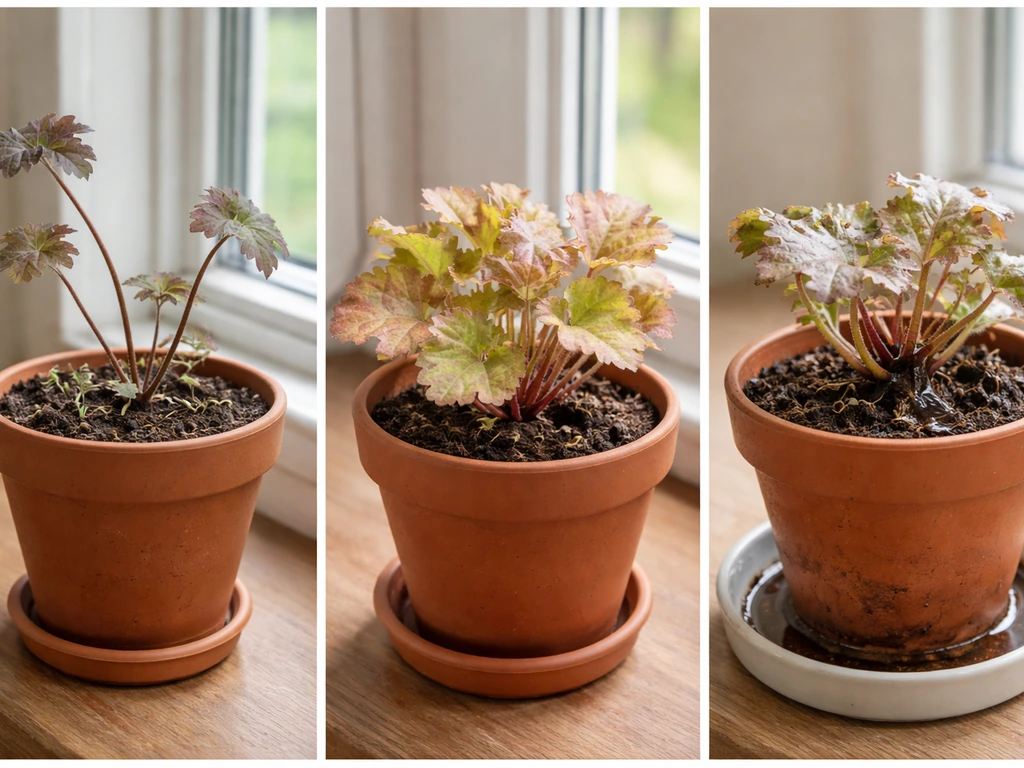
| Symptom | Likely Cause | Fix |
|---|---|---|
| Leggy, stretched stems | Insufficient light | Move closer to window or add a grow light; 4–6 hours minimum |
| Fading or washed-out leaf color | Too little light or too much direct sun | Adjust position; darker cultivars need more light, pale ones need filtered light |
| Mushy crown or stem base | Crown rot from overwatering or buried crown | Check drainage, let soil dry between waterings, ensure crown sits above soil line |
| Brown crispy leaf edges | Low humidity, hot dry air, or leaf burn from intense direct sun | Raise humidity, move away from vents, filter direct sun with sheer curtain |
| White powdery coating on leaves | Powdery mildew from poor airflow and high humidity | Improve air circulation, reduce humidity slightly, remove affected leaves |
| Yellow leaves | Overwatering or poor drainage | Check soil moisture, improve drainage, reduce watering frequency |
| Brown spots or rust-colored patches | Fungal leaf spot or rust | Improve airflow, avoid wetting foliage, remove badly affected leaves |
The most common issue I've seen with indoor heuchera is a slow, quiet decline that people misread as just 'the plant getting old.' Usually it's a combination of slightly too little light, slightly too much moisture at the roots, and poor airflow, none of which are dramatic on their own but together grind the plant down over a few months. If your plant looks dull and tired but not dramatically sick, audit all three of those factors before assuming it's a lost cause.
Moving heuchera indoors and seasonal care next steps
If you're bringing a heuchera inside from the garden or a patio, give it a proper transition period of two to three weeks rather than just yanking it from its outdoor spot into a dim room. Before moving it, check it thoroughly for pests, especially vine weevil and spider mites, which love to hitch a ride indoors. Treat any issues before they become indoor infestations.
When you repot from a garden bed into a container for indoor living, resist the urge to use garden soil. Mix a fresh batch of well-draining potting compost and perlite, and be meticulous about crown placement. This is also a good moment to divide a mature plant if it's been in the ground three or more years, since dividing rejuvenates the plant and sets it up better for container life. After potting, hold off on fertilizing for three to four weeks while the plant settles in.
For seasonal rhythms indoors: through spring and summer, treat it as an actively growing plant with regular watering and light feeding. In fall, as day length shortens, reduce watering and stop feeding. If you're in a climate where winters are harsh, keeping the plant in a cool (55 to 65°F), bright spot rather than a warm, humid room actually suits it better. Heuchera benefits from a mild rest period. If you have a cool sunroom, a garage with a window, or an unheated porch that stays above freezing, those spots can be ideal overwintering locations.
Come late winter or early spring, you can begin coaxing it back with a little more water and a half-strength liquid feed as new growth starts to emerge. If you plan to move it back outdoors in spring, harden it off gradually over one to two weeks by setting it outside for increasing periods of time before leaving it out full-time. That gradual transition prevents shock from the change in light intensity, temperature, and air movement. Other shade-tolerant foliage plants like hypoestes and certain sedum varieties follow a similar indoor logic if you're building out an indoor shade garden and want companions for your heuchera.
FAQ
How long can heuchera live indoors before I should expect decline?
With good light and drainage, indoor heuchera can stay attractive for months to a couple of years, but it is still naturally short-lived. If you notice persistent slow decline even after correcting light, watering, and airflow, plan on renewing it by dividing a mature crown or replacing it rather than trying to “rescue” the same exhausted plant.
Should I cut back the leaves or flowering stems when keeping heuchera indoors?
Yes for tidy cleanup, but only lightly. Remove dead or badly damaged leaves at the base, and if flower stalks appear, you can trim them off to reduce stress, but avoid stripping healthy foliage since the plant depends on its leaves for energy while it is indoors.
What do I do if my heuchera’s crown starts turning dark or mushy?
Treat it as an emergency for crown rot. Stop watering immediately, improve airflow, and check the crown. If the crown is still firm you may be able to save it by letting it dry faster and keeping it in brighter light, but if it feels soft or smelly you’ll likely need to remove rotted parts and re-root healthy sections or start over.
Can I grow heuchera indoors without moving it back outdoors in spring?
You can keep it indoors full-time, especially under a grow light, but expect more management. Without seasonal cues and with low indoor humidity, growth may stay slower and more fragile, so check soil dryness often and keep fertilizing minimal to avoid weak, disease-prone growth.
Which heuchera types are best for indoor conditions?
In general, villosa hybrids handle more variable indoor conditions better than many standard types, and darker leaves tolerate stronger light a bit more. Still, the “best” choice for indoors is the one that can match your actual light level, south or east window, or your grow light strength.
How do I prevent gnats or fungus in my indoor heuchera soil?
Gnats usually point to consistently damp soil. Let the top two inches dry before watering, remove any standing water from saucers, and if needed top-dress with a thin layer of dry, sterile material like grit or fine perlite to reduce surface moisture. Also ensure the pot has true drainage holes and that you are not using decorative cachepots without drainage.
Is it okay to use a self-watering pot for indoor heuchera?
It’s risky. Heuchera needs a drying cycle and can rot from staying wet, so wicking systems that keep the mix constantly moist can work against you unless you can precisely control moisture. If you use one, verify the wick is not maintaining near-constant saturation around the crown region.
Can I mist my heuchera to boost humidity?
Avoid misting the foliage. While it may raise humidity briefly, wet leaves can increase fungal risk. Instead, use a humidifier set to about 50 to 60% or a pebble tray approach (with the pot above the water line) so humidity rises without soaking the plant.
Why is my heuchera leggy indoors even though I water correctly?
Legginess indoors is almost always a light problem. If the stems stretch and leaves get spaced out, increase light intensity or duration and keep the plant closer to the window glass. If using a grow light, raise it no higher than necessary (often around 6 to 12 inches) and keep a consistent daily schedule.
When should I repot indoor heuchera, and what’s the safest timing?
Repot when roots are crowded or drainage issues develop, not in the middle of the darkest, lowest-light period. A safer window is late winter into spring when days begin to lengthen. Use a snug pot only 2 to 3 inches wider than the root ball and keep the crown at or slightly above the soil surface.