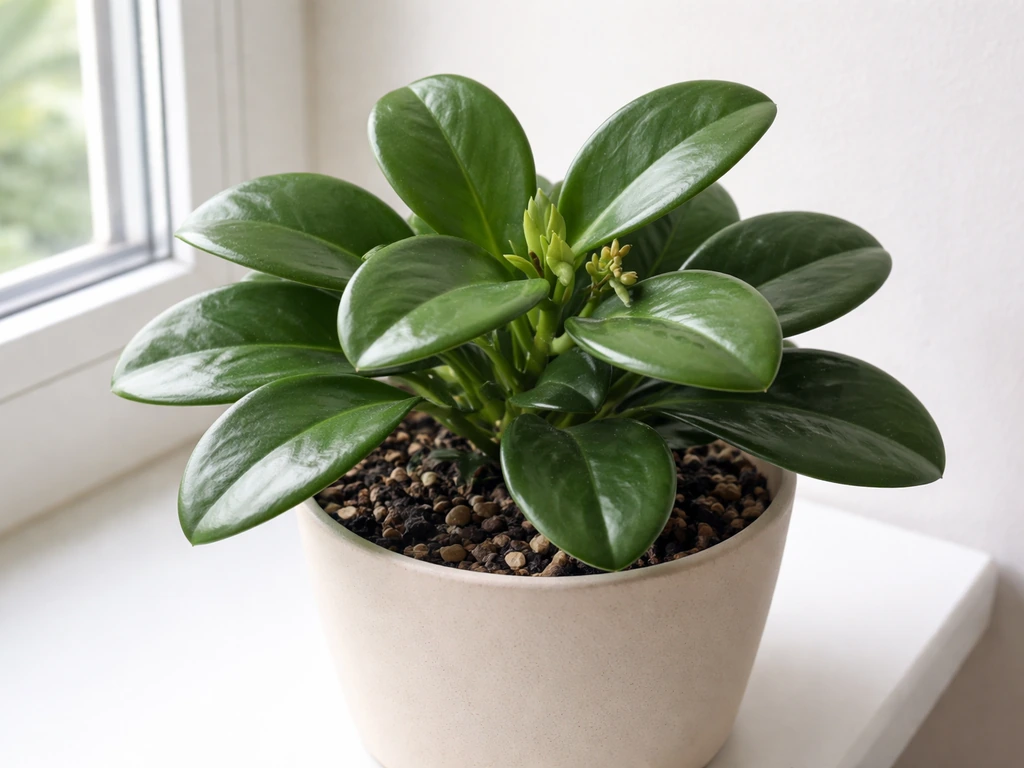
Yes, hoyas grow indoors beautifully, and they're honestly one of the better houseplants you can pick if you want something low-maintenance that actually rewards patience. Give a hoya bright indirect light, a well-draining pot, and let it dry out between waterings, and it will thrive on a windowsill for years. The one catch: getting them to bloom indoors takes a little more attention to light and consistency, but it's absolutely doable even in an apartment.
Can Hoya Grow Indoors? How to Succeed With Indoor Care
James Hartwell
29 May 2026
Why hoyas are a natural fit for indoors
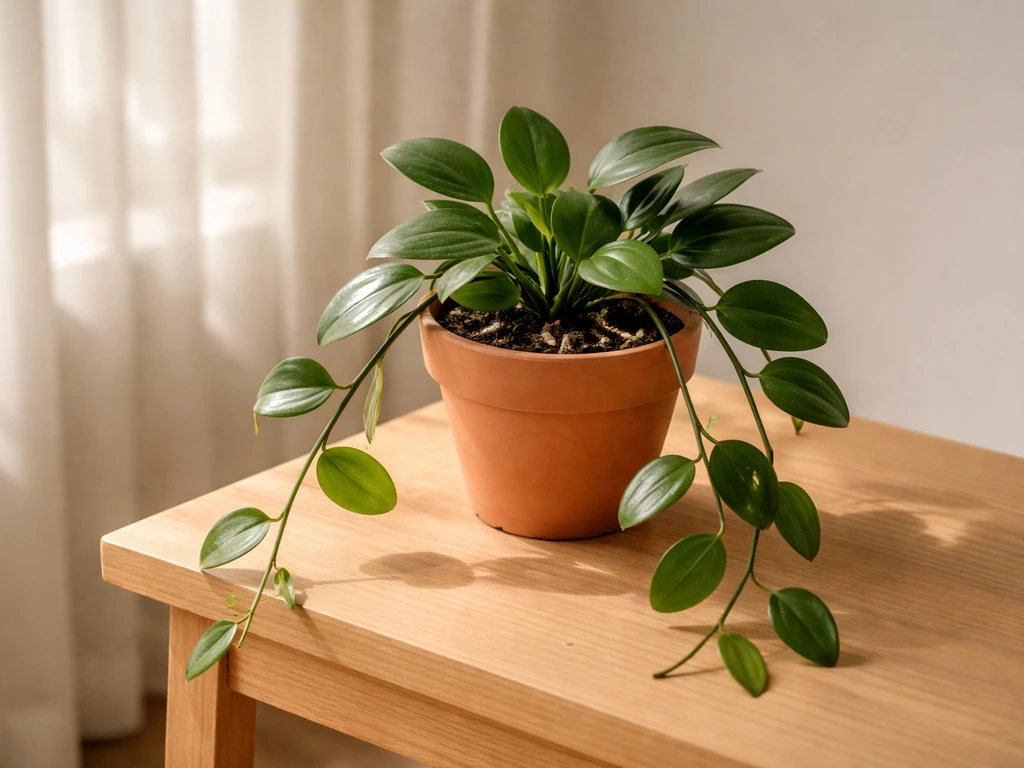
Hoyas, often called wax plants because of their thick, waxy leaves, are native to tropical and subtropical Asia and Australia, where they grow in filtered forest light clinging to trees. That origin matters because it means they're already adapted to conditions that mimic a bright indoor room: indirect light, warmth, and occasional dry spells. Penn State Extension confirms that hoyas share similar care requirements across species and can be grown as houseplants successfully. The commercial nursery industry agrees. University of Florida IFAS notes that wax plants (primarily Hoya carnosa cultivars) are widely cultivated commercially, meaning these plants have been proven to thrive without outdoor conditions for a long time.
Where hoyas can struggle indoors is when light is too low, when they're overwatered, or when they sit in stagnant air. Those aren't dealbreakers, just things to manage. Compared to something like a heliconia, which really wants tropical heat and serious humidity to perform, hoyas are genuinely forgiving for the average home grower. Can heliconias grow indoors? Parrots have very different needs than houseplants, and you should check species-specific requirements before trying to raise them at home grow parrots at home. They usually need consistently warm temperatures and very high humidity, which makes them much harder than hoyas Compared to something like a heliconia.
Light needs and where to put your hoya
Bright, indirect light is the sweet spot. An east-facing window is ideal because you get gentle morning sun without the harsh afternoon intensity that can scorch the leaves. A south or west-facing window works well too if you diffuse the direct sun with a sheer curtain or set the plant back two to three feet from the glass. Wedgewood Gardens notes that Hoya carnosa thrives in bright indirect light and that low light will slow growth and reduce blooming, which matches what I've seen firsthand.
If your apartment only has north-facing windows, you can still grow a hoya, but manage your expectations. Growth will be slower, and flowering will be rare without supplemental lighting. A simple LED grow light placed six to twelve inches above the plant for twelve hours a day makes a real difference in these situations. It's worth the small investment if you want blooms.
- East-facing window: best overall, gentle morning light, low scorch risk
- South or west-facing window: excellent light but use a sheer curtain or keep the plant 2-3 feet back
- North-facing window: possible for foliage growth, but add a grow light for any chance of blooming
- Avoid: deep interior rooms, spots more than 6 feet from any window
Watering and soil: the part most people get wrong
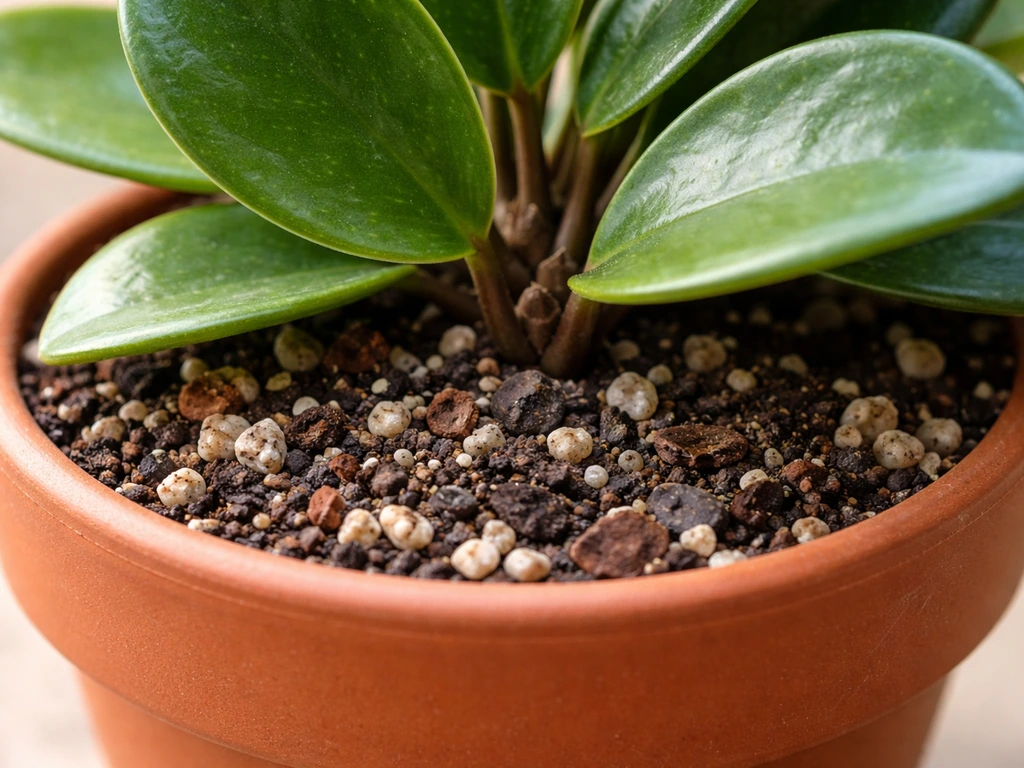
Overwatering kills more hoyas than anything else. These are semi-succulent plants that store water in their thick leaves, so they don't need frequent watering. A good rule of thumb: water thoroughly, then let the top inch or two of soil dry out completely before watering again. In most homes, that means watering every seven to fourteen days in summer and stretching to every two to three weeks in winter when growth slows. Always check the soil with your finger rather than going by a fixed schedule, because humidity, pot size, and season all affect how quickly things dry out.
Drainage is non-negotiable. Plant your hoya in a pot with drainage holes and never let it sit in a saucer full of water. For the potting mix, skip standard potting soil on its own. It holds too much moisture. Instead, mix it with perlite at roughly a 60:40 ratio (60 percent potting mix, 40 percent perlite), or use a cactus and succulent mix blended with a bit of regular potting mix. You want something that drains fast but holds a little organic matter. Some growers add orchid bark to the mix for extra airflow around the roots, which hoyas love.
Temperature, humidity, and airflow
Hoyas are comfortable in the same temperature range most people keep their homes: 60 to 85 degrees Fahrenheit (roughly 15 to 29 degrees Celsius). They can handle brief dips below 60 degrees but don't leave them near a drafty window in winter or right under an air conditioning vent in summer. Yes, hoyas can still grow indoors in winter with the right light, watering rhythm, and by avoiding cold drafts. Cold drafts and sudden temperature swings cause leaf drop and stress the plant noticeably.
Humidity is helpful but not critical for most hoya species. They prefer 40 to 60 percent relative humidity, which is within normal home range for many people. If your home is very dry in winter (below 30 percent), a small humidifier nearby or grouping plants together helps. Misting directly on the leaves is less effective and can invite fungal issues if the leaves stay wet too long.
Airflow is something people overlook. Hoyas don't want stagnant air. A gentle fan running on low nearby, or just positioning the plant where it gets some natural air circulation, reduces the chance of fungal problems and keeps the plant growing steadily. Think of it like this: in the wild, they're hanging from trees in a breeze. Replicating that even slightly makes a difference.
Choosing the right hoya variety for indoors
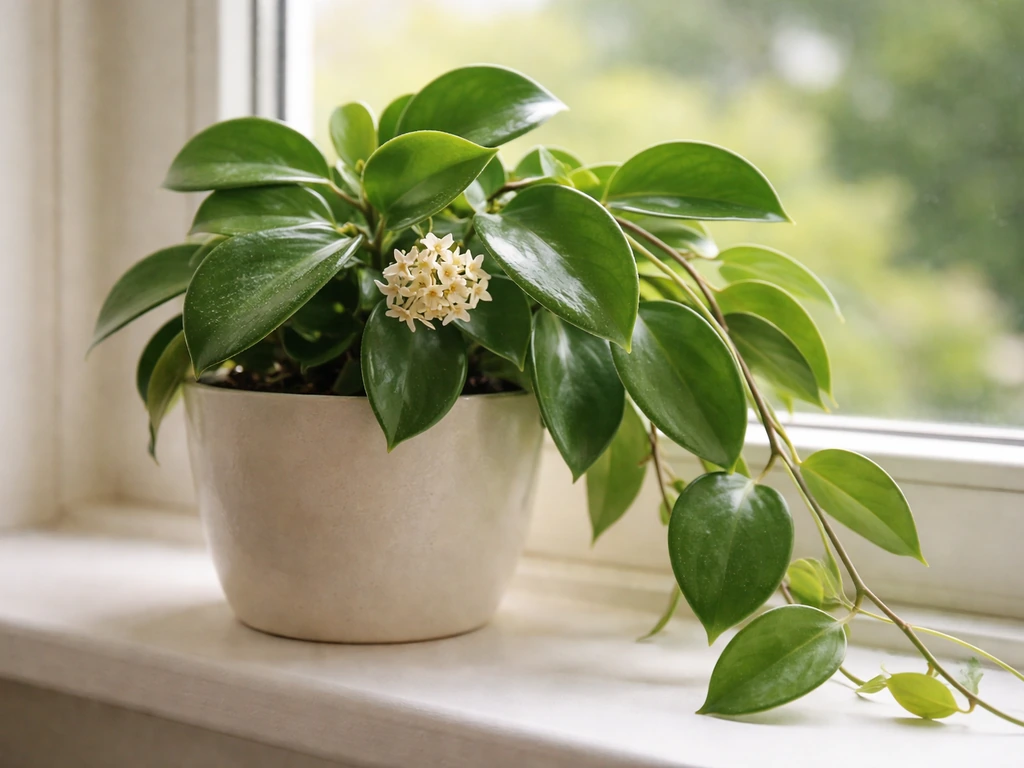
There are hundreds of hoya species, and while most can grow indoors, some are far more forgiving than others. If you're starting out or want something reliably easy, stick with the species and cultivars that have the longest track record as houseplants.
| Variety | Why it works indoors | Difficulty |
|---|---|---|
| Hoya carnosa | Classic wax plant, tolerates a range of light, widely available, blooms reliably | Easy |
| Hoya carnosa 'Tricolor' / 'Krimson Queen' | Same toughness as carnosa, striking variegated foliage, great in bright indirect light | Easy |
| Hoya kerrii | Thick heart-shaped leaves store water well, very drought-tolerant, slow-growing | Easy |
| Hoya pubicalyx | Fast grower, blooms more freely than many species, handles slightly lower humidity | Easy to moderate |
| Hoya obovata | Large round leaves, tolerant of inconsistent watering, good for beginners | Easy to moderate |
| Hoya curtisii | Small trailing leaves, works well in hanging pots, needs a bit more humidity | Moderate |
| Hoya bella | Compact, good bloomer, but more sensitive to overwatering and cold | Moderate |
If you're in a low-light apartment, lean toward Hoya pubicalyx or Hoya carnosa over the fussier species. Save the more delicate varieties like Hoya bella for when you've got the basics dialed in.
Common problems and how to fix them
Yellow leaves
Yellow leaves are almost always overwatering. Check the roots if yellowing is widespread: if they're brown and mushy, you have root rot. Trim the dead roots, repot into fresh dry mix, and hold off on watering for a week. If the roots look fine, let the soil dry out more between waterings and reassess.
Curling or wrinkled leaves
Wrinkled, slightly deflated-looking leaves usually mean the plant is underwatered or the roots are struggling to take up water (sometimes from root rot or being severely pot-bound). Give it a thorough watering and see if leaves plump back up within a day or two. If they don't, check the roots.
No blooms
This is the most common frustration with indoor hoyas. Iowa State Extension points out that healthy growth without flowers usually means the plant needs more light, more patience, or both. All About Hoyas from Iowa State University Extension likewise says that if you have healthy hoya growth but no flowers, the usual fix is more light, patience, and consistent care healthy growth without flowers usually means the plant needs more light, more patience, or both. Hoyas often bloom only once they're slightly pot-bound and have had a few years to mature. Never remove the old flower stalks (called spurs or peduncles) because the plant blooms from the same spurs repeatedly. Move it to your brightest window, and try giving it a slight temperature drop at night in fall and winter, which mimics seasonal changes and often triggers blooming.
Slow or no growth
Hoyas are not fast growers, especially in lower light or when temperatures drop below 65 degrees Fahrenheit. If yours hasn't put out new leaves in months during the active season, check the light situation first, then consider whether it might be root-bound (which paradoxically slows growth when the roots are extremely congested). A balanced liquid fertilizer diluted to half strength every two to four weeks during spring and summer helps push growth.
Pests
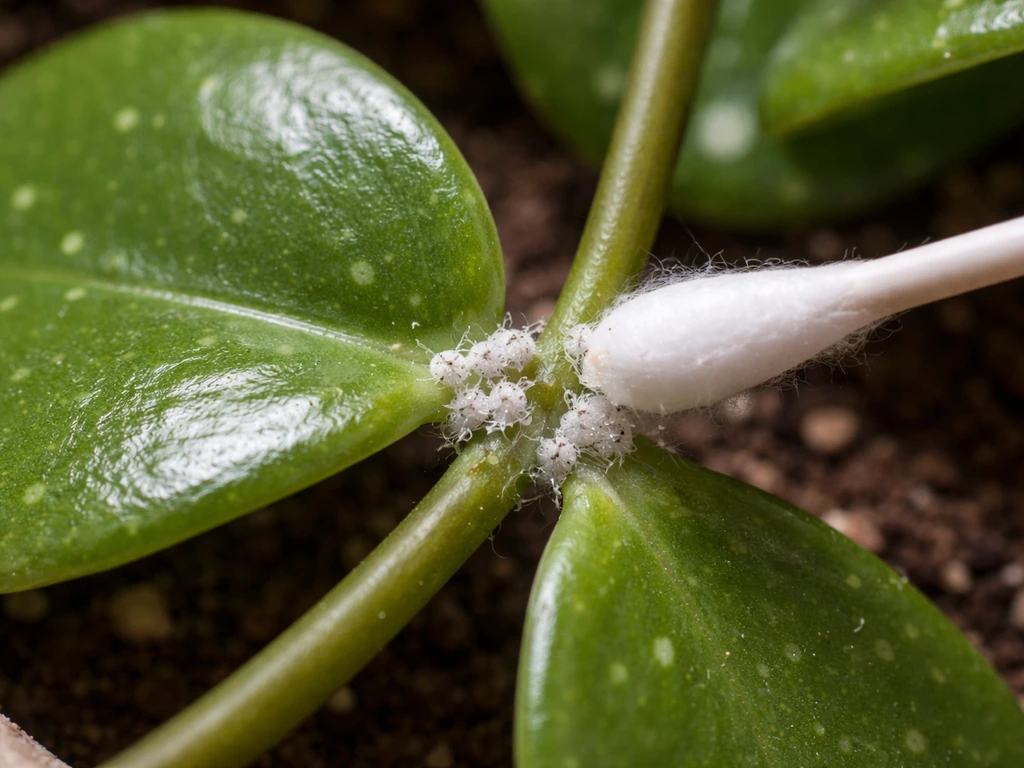
Mealybugs are the most common hoya pest indoors, showing up as white cottony clusters in leaf joints. Treat them with a cotton swab dipped in rubbing alcohol to manually remove them, then follow up with neem oil or insecticidal soap spray. Check the undersides of leaves for spider mites if you see fine webbing, and increase humidity slightly to deter them.
Setting up your hoya indoors, step by step
- Pick your spot first. Identify your brightest indirect light location before you buy the plant. An east or south-facing window ledge, or a spot 2-3 feet back from a west window, is ideal.
- Choose the right pot. Use a terracotta or unglazed ceramic pot with drainage holes. Terracotta is especially good because it breathes and helps prevent overwatering. Start with a pot only 1-2 inches larger than the root ball.
- Mix your soil. Combine 60 percent well-draining potting mix with 40 percent perlite, or use a cactus mix blended with a little regular potting mix. Add orchid bark if you have it.
- Plant and settle in. Plant your hoya, water it well, and then leave it alone for two weeks. Let it adjust to its new environment without fussing over it.
- Set a watering routine. Check the soil every 5-7 days by sticking your finger into the top inch. Water only when that top inch is dry. In winter, check less often.
- Feed during the growing season. From March through September, fertilize with a balanced liquid fertilizer (like 20-20-20) at half strength every 3-4 weeks. Skip fertilizing in fall and winter.
- Leave the flower spurs alone. Once your hoya has matured (usually after 2-3 years) and blooms for the first time, never cut off the old flower stalks. New blooms will emerge from the same spots.
- Monitor and adjust. Watch for yellow leaves (overwatering), wrinkled leaves (underwatering or root issues), and leggy growth (not enough light). Make small adjustments rather than dramatic changes.
Hoyas are genuinely one of the most rewarding plants you can grow inside. They're patient, they're forgiving of occasional neglect, and when the conditions finally align and those waxy, sweet-smelling flower clusters appear, it feels like a real payoff. Start with a Hoya carnosa or Hoya pubicalyx, get your light and watering dialed in, and you'll have a plant that could easily outlast your furniture.
FAQ
Can hoyas grow indoors if I only have a north-facing window?
Start with a potting mix that dries quickly, use a pot with drainage holes, and treat light as the priority. A north-facing window often delays growth and can make blooms unlikely, so if that is your only option, add an LED grow light on a timer (about 10 to 14 hours a day) and keep watering slightly less often than you would with a brighter window.
Can hoyas grow indoors in winter without dropping leaves?
Yes, but only if you protect them from cold drafts and sudden temperature swings. In winter, move the plant away from the glass at night (windows can be cold), keep it on the brightest side you have, and resist the urge to water more because indoor air is drier.
Does water type (tap vs filtered) matter for indoor hoyas?
Choose water that matches your routine, not a special formula. Let tap water sit out for a day if your home has very aggressive chlorine or fluoride, and make sure temperature is not icy. The bigger issue is always overwatering, so water only after the top portion of the mix has dried.
How do I know when to water my indoor hoya if the schedule keeps failing?
Use a “soak and dry” approach. Water thoroughly until it drains, empty any saucer afterward, then wait until the mix feels dry several inches down (not just the surface). In winter or low light, watering can slow dramatically, so checking moisture with a finger (and sometimes a chopstick) prevents root rot.
Should I repot my hoya immediately after buying it, or wait?
Repot only when needed. A slightly snug pot can help blooming, and hoyas dislike frequent root disturbance. When repotting, keep the plant at about the same depth, refresh the dry, airy mix, and wait about a week before watering if roots were disturbed.
What should I do if I suspect root rot on my indoor hoya?
If the plant stays wet, you will eventually see yellowing and mushy roots. Remove the hoya from the pot, trim brown or mushy roots, repot into fresh dry mix, and let it stay on the dry side for about a week before watering again. After that, resume a drier rhythm and improve airflow.
Are mealybugs treatable on indoor hoyas, and how long does it usually take to clear them?
Mealybugs usually require follow-up because eggs and hidden colonies can remain. After swabbing, inspect weekly for a month, treat again if you see new clusters, and consider isolating the plant to prevent spread. For heavy infestations, repeat neem or insecticidal soap on the label schedule.
My indoor hoya is getting long and thin, what can I change?
For leggy growth, the plant is almost always reaching for light. Move it closer to the light source, rotate it periodically so growth stays even, and consider a grow light if the window is weak. Pruning can also help, but avoid major cuts until light improves because the plant needs energy to regrow.
Why does my hoya drop buds, and should I remove old flower stalks?
If you see flower stalks or spurs, do not remove them. Hoyas often bloom from the same structures repeatedly, and removing them delays flowering. Focus on bright indirect light, then keep watering consistent and avoid letting the plant dry out completely right when it is trying to flower.
Is humidity required for hoyas, and what about airflow?
Most indoor hoyas do not need high humidity to live, but stagnant, very still air can cause issues. A gentle fan on low nearby (not blasting directly) improves airflow and helps prevent fungal problems. If your home is under 30 percent humidity, grouping plants or using a small humidifier nearby can reduce stress.
Can I propagate a hoya indoors, and what’s the easiest method?
Yes, but start with the simplest approach. In spring or summer, take a cutting with at least one node, let the cut end callus for a short time if possible, and use a light, airy medium (or water initially if you monitor closely). Use bright, indirect light and keep slightly drier than you would for a tropical cutting, because cuttings are also prone to rot.