
Yes, you can keep parrots at home in India, but there is a critical legal line you must not cross: native Indian parrot species like the Rose-ringed Parakeet are protected under the Wild Life (Protection) Act, 1972, and keeping them without proper registration is illegal. Stick to legally available exotic species bred in captivity, handle the paperwork, set up the right space, and parrots can genuinely thrive indoors in Indian homes. If you mean breeding or raising chicks rather than just keeping a pet, that is doable but significantly harder and not something to jump into without experience.
Can We Grow Parrots at Home in India? Indoor Guide

James Hartwell
28 May 2026
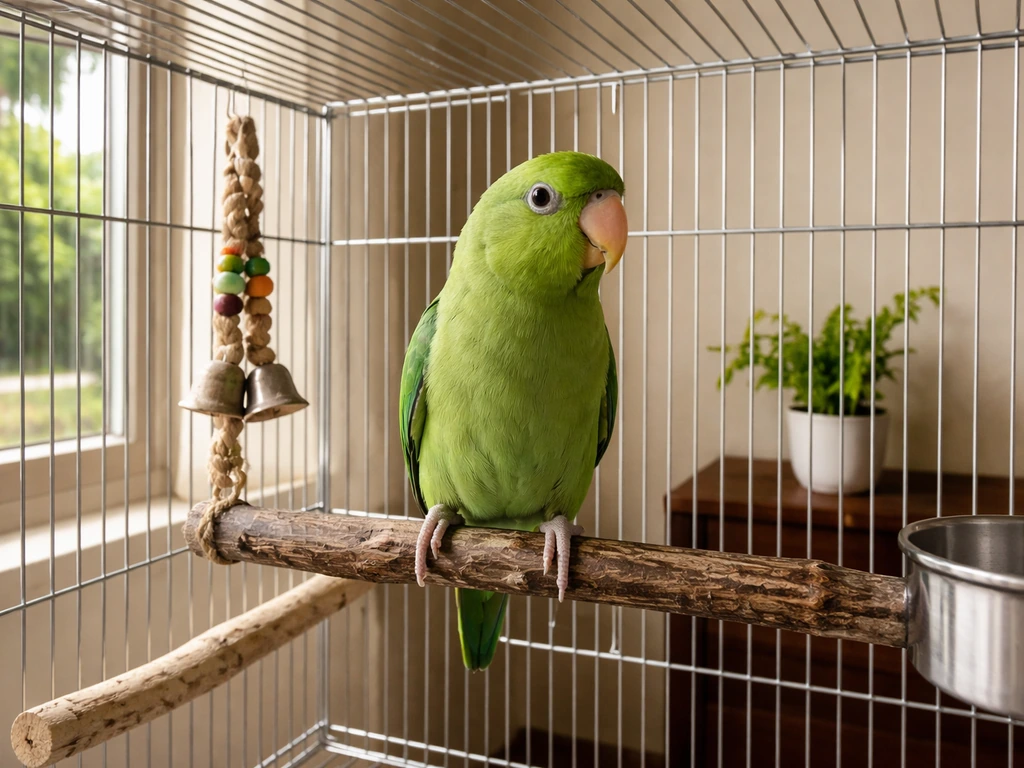
Pet parrot vs breeding at home: know which one you actually want
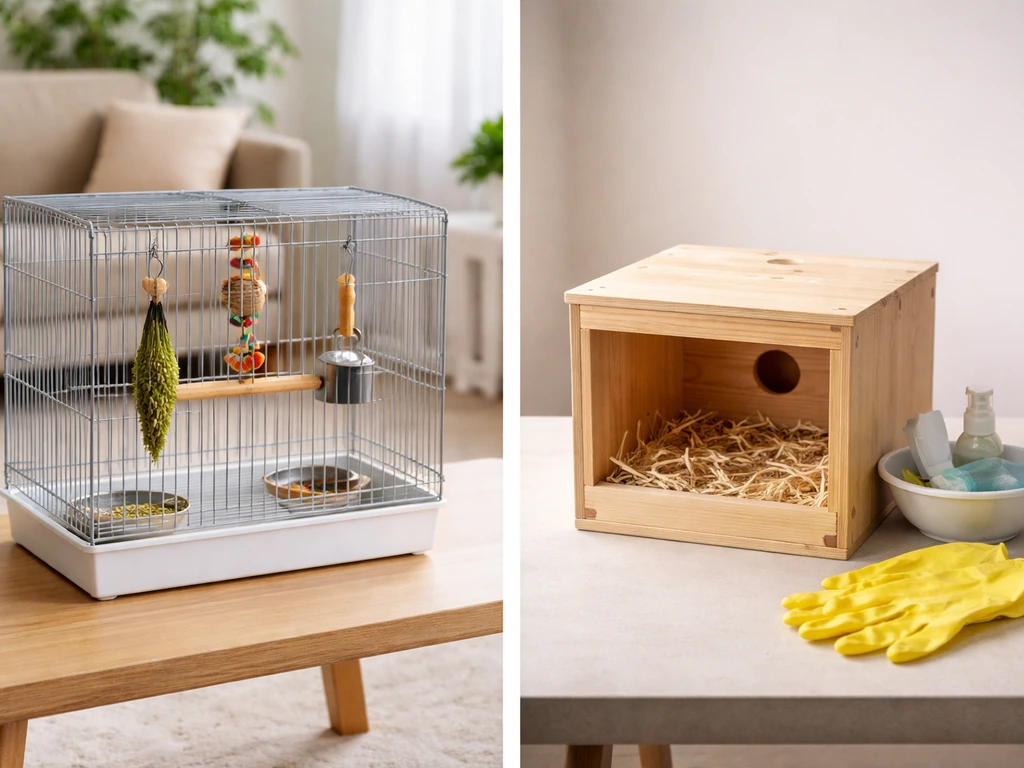
Most people asking 'can we grow parrots at home' are really asking one of two different things. The first is: can I keep a pet parrot in my apartment or house and have it thrive? The second is: can I breed parrots and raise chicks at home as a hobby or small-scale operation? These two goals look similar on the surface but require completely different setups, time commitments, and skill levels. A single pet parrot is a years-long companionship commitment. Breeding is closer to running a small livestock operation from your living space. This article covers both, but it is honest about which one makes more sense for most Indian households.
Think of keeping a pet parrot the way you would think about whether a plant can thrive indoors: you are asking whether the environment you can realistically provide meets the animal's core needs. If you are wondering can haworthia grow indoors, the same idea applies as with parrot care: you need to match the environment to the living thing’s core needs. If you also meant hoya, the same indoor-environment idea applies and you can learn whether hoya can grow indoors with the right light and care can hoya grow indoors. Light, temperature, humidity, space, social stimulation, and daily routine all matter. Get those right and a parrot will live 20 to 40 years depending on species. Get them wrong and you will have a stressed, noisy, feather-plucking bird that neither of you is happy about.
The legal picture in India: what you must know before bringing one home
India's Wild Life (Protection) Act, 1972 is the law that governs everything here. The Act covers schedules of protected species, and Psittaciformes (the entire parrot and parakeet order) appears within its schedule framework. This means that native Indian parakeets, including the very common Rose-ringed Parakeet, are scheduled wildlife. Keeping one at home without a valid registration or permit puts you in legally murky territory: blank" rel="noopener noreferrer">Section 57 of the Act creates a presumption of unlawful possession when someone is found in custody of a scheduled animal or related items, and the burden shifts to you to prove otherwise. That is not a comfortable legal position.
The practical path forward for most Indian pet owners is to buy only captive-bred exotic parrot species from registered breeders or licensed pet shops. Species like Budgerigars (budgies), Cockatiels, Lovebirds, and certain conure species that are not native to India and are commercially bred in captivity are generally the safer category. However, if you are importing a species covered by CITES, you will need a CITES permit. The Wildlife Crime Control Bureau (WCCB), Government of India, explains that CITES permits can be obtained for legal possession or ownership when trading a CITES-covered species, and that CITES and the Wildlife Protection Act may together affect import and export regulation if you are importing a species covered by CITES, you will need a CITES permit. The Wildlife Crime Control Bureau (WCCB) under the Government of India is the authority that handles CITES-related permits. And if you come into possession of any living specimen of an animal listed under Schedule IV of the Act, Section 49M requires you to report and register with the Management Authority.
The bottom line: do your homework on the specific species before you buy. Ask the seller for documentation proving captive-bred origin. Buy only from registered pet shops or breeders who can provide a receipt and health certificate. Do not accept a bird handed over on the side of the road from someone with a covered cage. That is how people end up with illegally caught wild birds and legal problems they never anticipated.
Setting up your indoor space for a parrot
Cage size and placement
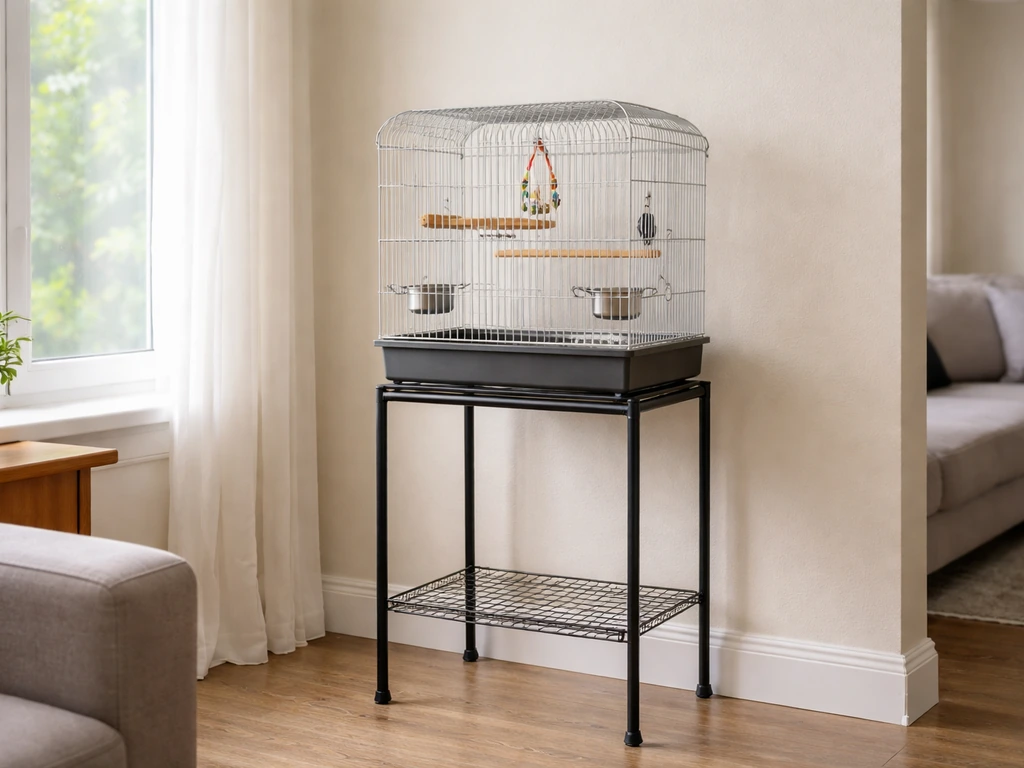
The cage is where a parrot spends a significant portion of its time, so undersizing it is one of the most common mistakes new owners make. A budgie or lovebird needs a minimum cage size of roughly 45 cm wide by 45 cm deep by 60 cm tall, but bigger is always better. A cockatiel needs at least 60 cm x 60 cm x 90 cm. For larger parrots like Alexandrines or African Greys (if legally kept), you are looking at 90 cm x 90 cm x 120 cm as a baseline. The bird should be able to fully extend its wings inside the cage without touching the sides.
Placement matters almost as much as size. Put the cage in a room where the family spends time, because parrots are flock animals and they need to feel part of the household activity. A corner spot works well: it gives the bird a sense of security from two sides. Keep the cage away from the kitchen, which is the most dangerous room in the house for parrots because of non-stick cookware fumes (polytetrafluoroethylene, or PTFE, from overheated non-stick pans releases gases that are lethal to birds). Avoid direct AC vents and windows that get harsh afternoon sun, but do make sure some indirect natural light reaches the cage during the day.
Temperature, humidity, and ventilation in Indian homes
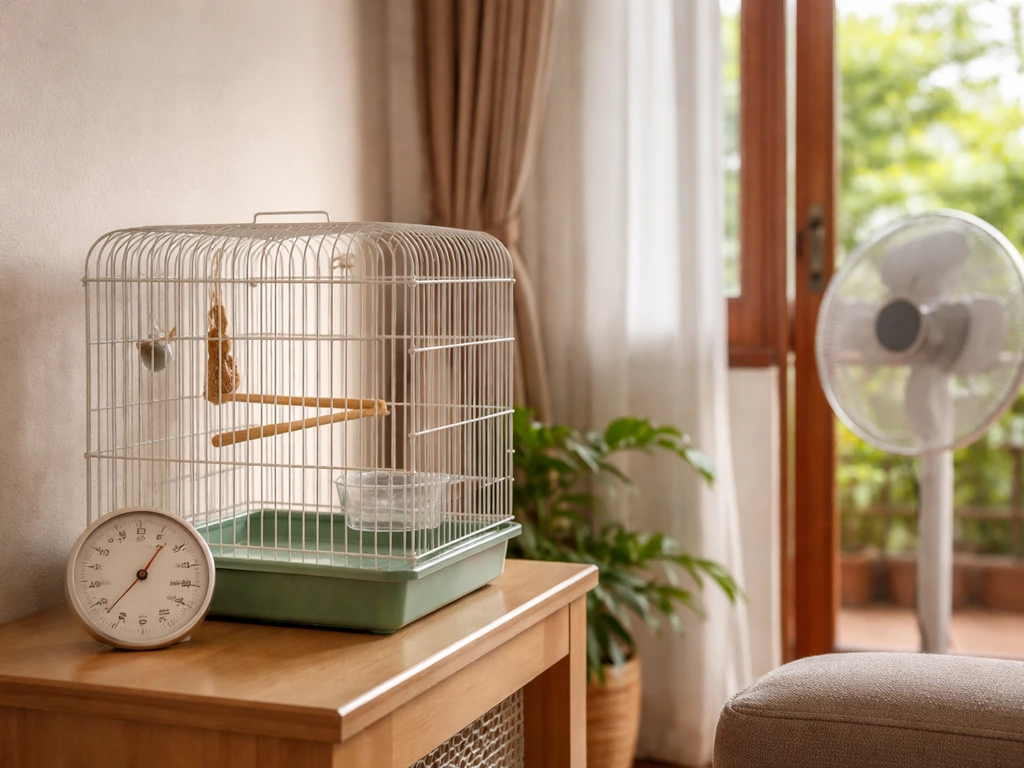
Most parrots kept as pets in India, especially budgies, cockatiels, and lovebirds, handle Indian ambient temperatures reasonably well. They are comfortable between 18°C and 32°C, which covers most of India's year. The danger zones are peak summer heat above 38°C in cities like Delhi, Jaipur, or Nagpur, and cold winter nights in the north that drop below 10°C. In summers, make sure there is airflow (a fan at a distance is fine, a direct draft is not). In winters in colder states, keep the bird indoors in a warmer room and avoid cold drafts from windows. Humidity-wise, most Indian homes in monsoon season are already on the higher end, which parrots generally tolerate, but a mold-free, well-ventilated cage is non-negotiable during those months.
Daily routine basics
Parrots need a consistent daily rhythm. Cover the cage at night to signal sleep time and uncover it in the morning around sunrise. Aim for 10 to 12 hours of sleep for the bird. Clean the cage floor daily (droppings build up fast), change water twice a day, and do a full cage scrub weekly. Out-of-cage time is not optional: a minimum of 2 hours daily of supervised free flight or interaction time is necessary for mental health.
What to feed your parrot (and what to never give them)

Seeds alone are not a complete diet, despite being the most common thing sold in Indian pet shops. A seed-only diet is the equivalent of feeding a person only chips: palatable but nutritionally incomplete. The ideal diet for most commonly kept parrots combines high-quality pellets (which are now available from online stores in India), fresh vegetables, some fruit, and seeds as a smaller portion rather than the main course.
| Food Category | Safe Examples | Notes |
|---|---|---|
| Vegetables | Carrot, spinach, broccoli, capsicum, cucumber, corn | Offer daily, raw or lightly steamed |
| Fruits | Apple (no seeds), mango, papaya, banana, pomegranate | Limit high-sugar fruits; remove seeds/pits |
| Pellets | Zupreem, Harrison's (available online in India) | Should make up 50-60% of diet ideally |
| Seeds/Grains | Millet, sunflower (limited), oats, cooked rice | Use as treat or supplement, not base diet |
| Protein | Cooked egg (occasional), cooked lentils | Small amounts, especially during molt or breeding |
| AVOID | Avocado, onion, garlic, chocolate, caffeine, alcohol, fruit seeds/pits, raw potato | Toxic to parrots, some can be fatal |
Fresh water must be available at all times and changed at least twice daily in Indian summer heat. A feeding routine helps: fresh vegetables and fruits in the morning, pellets available throughout the day, and seeds as an evening treat. This is not a strict rule but having a pattern helps the bird and helps you track whether it is eating well.
Enrichment, social needs, and the noise reality
A bored parrot is a loud parrot. And a lonely parrot is an even louder one. If you live in an apartment building in Mumbai, Bangalore, or Chennai, this is the honest conversation you need to have with yourself before getting a bird. Cockatiels and budgies are on the quieter end of the spectrum. Alexandrines, Alexandrian Parakeets, and larger species can be quite loud, especially in the morning and evening. There is no training fix that silences a parrot completely. You can teach quieter behavior, but you cannot turn a parrot into a quiet pet.
Social stimulation is non-negotiable. Parrots are flock animals and they bond deeply. If you are out of the house for 10 hours a day and cannot give the bird out-of-cage time and interaction, seriously consider whether two birds of compatible species would help, or whether this is the right pet for your lifestyle. Some birds do fine with a companion bird for company. Others bond so strongly to a human that another bird can actually cause territorial stress. It depends on the species and the individual bird.
- Rotate toys every week or two to keep things novel: foraging toys, chewable wood toys, and rope perches are all good options
- Teach basic tricks (step up, turn around, wave) using positive reinforcement with food rewards: 10-15 minutes of training daily does more for behavior than any amount of punishment
- Foraging activities, like hiding food in paper cups or inside hanging toys, engage natural food-seeking behavior and reduce boredom screaming
- Talk to your bird: even one-sided conversation during daily tasks helps them feel included in the flock
- Let the bird observe household activity from a safe play stand outside the cage during your time at home
Health basics and finding an avian vet in India
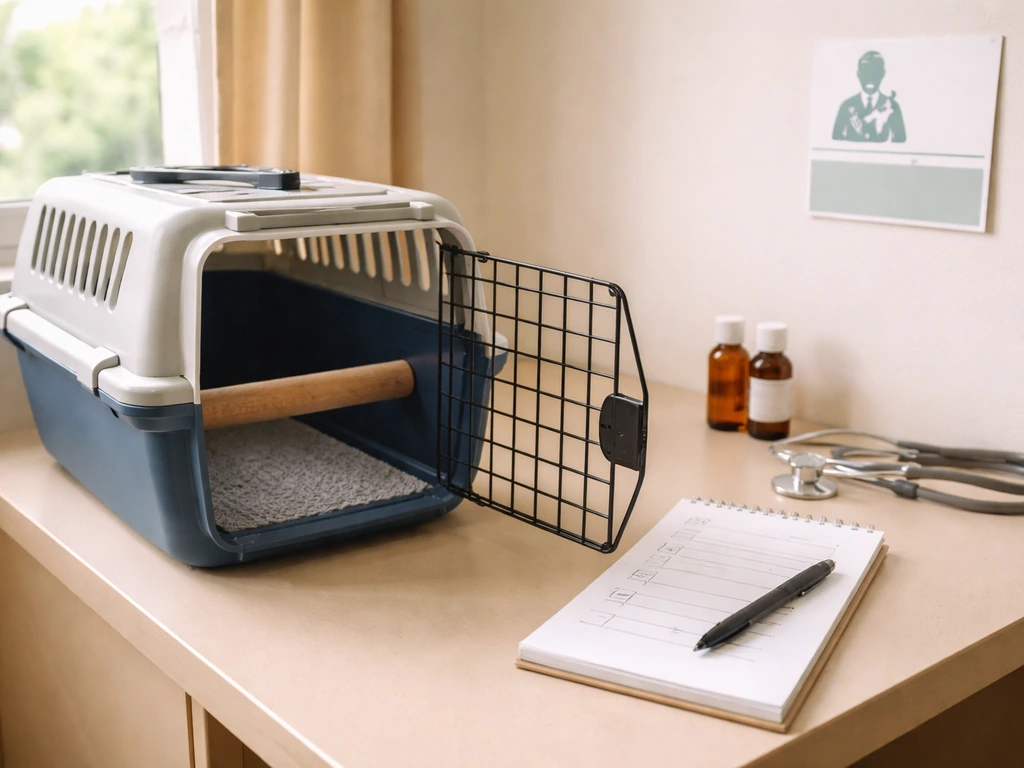
This is where Indian parrot ownership gets genuinely challenging. Avian vets, meaning vets who specialize in birds, are concentrated in metro cities. In smaller towns and tier-2 cities, you may find general veterinarians who have some bird experience, but a true avian specialist is harder to come by. Before you bring a parrot home, find an avian vet near you. Do not wait until there is an emergency to start searching.
Cities with relatively better access to avian vet care include Mumbai, Delhi, Bangalore, Chennai, Hyderabad, and Pune. Searching for 'avian vet' or 'bird specialist vet' on Google Maps with your city name is a starting point. Online parrot communities and Facebook groups for Indian bird owners (search 'parrot owners India') are also a practical resource for local recommendations.
Do a weekly health check yourself: look for clear eyes, smooth feathers, no discharge from nostrils, consistent droppings (white urates and dark green/brown feces is normal, watery or discolored droppings are a warning), and regular eating patterns. A parrot that sits fluffed up at the bottom of the cage, stops eating, or is unusually quiet is sick and needs a vet same day. Birds mask illness because in the wild a visibly sick bird is a target, so by the time a parrot looks sick it is often already significantly unwell.
Thinking about breeding or raising chicks at home?
If your question was genuinely about breeding parrots at home, here is the honest picture. Breeding captive parrots is feasible but it is not a casual weekend project. For species like budgies or cockatiels, you need a compatible bonded pair, a nest box of appropriate dimensions mounted inside or outside the cage, a diet boosted with calcium and protein during breeding season, and temperature stability (avoid breeding during peak Indian summer heat or cold winter nights). Incubation and hatching happen naturally if the pair is healthy and bonded, and most parent birds will raise their chicks without human intervention.
The risks and complications are real. Egg binding is a medical emergency in female birds, particularly in smaller species. Abandoned or rejected chicks require hand-feeding with a crop needle and specialized formula every few hours, including through the night. Getting that wrong can kill a chick. If you are not prepared to deal with these situations, breeding is not a step to take lightly. Additionally, if you plan to sell birds you breed, make sure you are doing so through registered channels and staying compliant with the Wildlife Protection Act and any relevant local rules.
For most first-time parrot owners, the recommendation is to start with one or two pet birds for at least a year before attempting any breeding. Learn the species first. Understand their health signals, their social behavior, their dietary needs. Breeding comes naturally after that foundation.
Your practical checklist before bringing a parrot home
- Confirm the species you want is legally available in India as captive-bred stock and ask the seller for documentation before paying
- Locate an avian vet in your city and note their contact information and emergency hours
- Set up the cage before the bird arrives: correct size, placed away from the kitchen and direct drafts, with multiple perches at different heights
- Stock up on fresh vegetables, fruits, and quality pellets rather than relying solely on seed mix
- Plan for a minimum of 2 hours of daily interaction and out-of-cage time and make sure your household schedule actually allows this
- Talk to your neighbors if you are in an apartment building, especially if you are considering a louder species
- If you have young children or other pets, assess whether the environment is safe for a bird before buying
- If you are considering breeding, research the specific species breeding requirements thoroughly and only proceed after at least a year of ownership experience
- Budget for ongoing costs: food, vet visits, toys, and cage maintenance are recurring expenses over a 10 to 40 year lifespan depending on species
Parrots can genuinely thrive indoors in Indian homes. The species match matters, the legal path matters, and the daily commitment matters most of all. Get those three things right and you will have one of the most rewarding pets possible. Skip them and you will have an unhappy bird and a frustrated household. The checklist above is your honest starting point for making that call today. Can heliconias grow indoors, and what light and humidity they need?
FAQ
If I mean ‘grow’ as in keep and raise a pet parrot, what legal proof should I ask the seller for in India?
In India, the safest way to “grow parrot” at home is to keep pet parrots, not native species. Before purchase, ask the seller for written proof of captive-bred origin (receipt, health certificate, and breeding source details). If the bird is an imported species that is covered under CITES, you should only proceed if the required permits were handled for the individual animal.
Can we grow parrots at home in India by breeding them, even if we have no prior bird experience?
Yes, but breeding requires a separate level of readiness beyond daily pet care. Treat it like emergency-capable livestock management, because egg binding and chick feeding mistakes are time-critical. If you do not already have an avian vet you can reach immediately, pause breeding plans and focus on one stable pet pair instead.
Are there specific parrot species that are easier for first-time home owners in India?
Not all “exotic” parrots are equally feasible. Species availability, noise level, and vet coverage vary a lot, and some species have stricter paperwork due to international trade rules. For first-timers, pick commonly kept, commercially bred species where you can consistently source food, get veterinary support, and confirm legal documentation.
Can one parrot be happy in an apartment if we are out for work most of the day?
A single parrot can work, but it is more demanding than people expect because parrots are flock animals and need predictable interaction. If you will be away 8 to 10 hours daily, consider either adding a compatible companion (same species generally works best) or changing the plan to a species and setup that fits your schedule. Otherwise boredom often shows up as screaming and feather-plucking.
Where should we place the cage to help with light and temperature, without risking fumes or heat stress?
Sunlight helps, but don’t place the cage where afternoon heat can spike. Use indirect light and watch cage temperature during hot months. Also keep the cage away from kitchen fumes, including from overheated non-stick cookware, and avoid scented room sprays or diffusers around the bird.
What are the biggest diet mistakes people make with home-kept parrots in India?
Two common diet mistakes are using seeds as the main food and skipping pellets. Start with pellets plus vegetables and fruit, then use seeds as a smaller evening portion. Also rotate vegetables to prevent picky refusal, and introduce any diet change gradually over 7 to 14 days to reduce gut upset.
How quickly should we contact a vet if something seems off with our parrot’s health?
Yes, you can avoid many health issues with routine observation, but don’t rely on home checks alone. Look for changes in droppings, appetite, and activity, and act immediately if you see watery droppings, discharge, or a sudden drop in appetite. Because birds mask illness, a “minor” change should be treated as a prompt to contact an avian vet.
What routine changes help if our parrot seems stressed or keeps screaming?
Improper cage placement and insufficient out-of-cage time are major causes of stress. Make sure the bird gets at least 2 hours supervised daily outside the cage, and place the cage in the family-activity area so the bird feels included. A corner can provide security, but avoid isolating the bird in a low-traffic room.
Can we control a parrot’s sleep schedule at home, and what’s the safest way to do it?
You can cover the cage at night to establish sleep, but make sure ventilation is maintained and the room is not too hot or too cold. Aim for about 10 to 12 hours of uninterrupted sleep, and keep daytime rhythms consistent (same wake-up and feeding pattern). Consistency reduces hormonal restlessness and improves behavior.
If a pair lays eggs at home, what should we be ready for in the worst-case scenario with chick rejection?
If the goal is breeding chicks, plan for day-and-night responsibility. Having replacement formula, correct equipment, and a clear plan for who will handle feeding after emergencies matters more than the breeding box itself. Without that preparedness, rejected chicks can develop life-threatening dehydration or starvation quickly.