Yes, you can grow damiana (Turnera diffusa) indoors, but it's not a plant that will forgive a dim windowsill. Deadly nightshade is far less suitable for typical indoor gardening, but if you are asking, it helps to know what makes it dangerous and difficult to control indoors can you grow deadly nightshade indoors. It needs 6 to 8 hours of strong direct light every single day, warm temperatures that never dip below 16°C (61°F), and fast-draining soil that dries out between waterings. Get those three things right and damiana will genuinely thrive in a container indoors. Get them wrong and you'll be troubleshooting yellowing, leggy growth, or root rot within a few weeks.
Can You Grow Damiana Indoors? Complete Indoor Guide
James Hartwell
1 Jun 2026
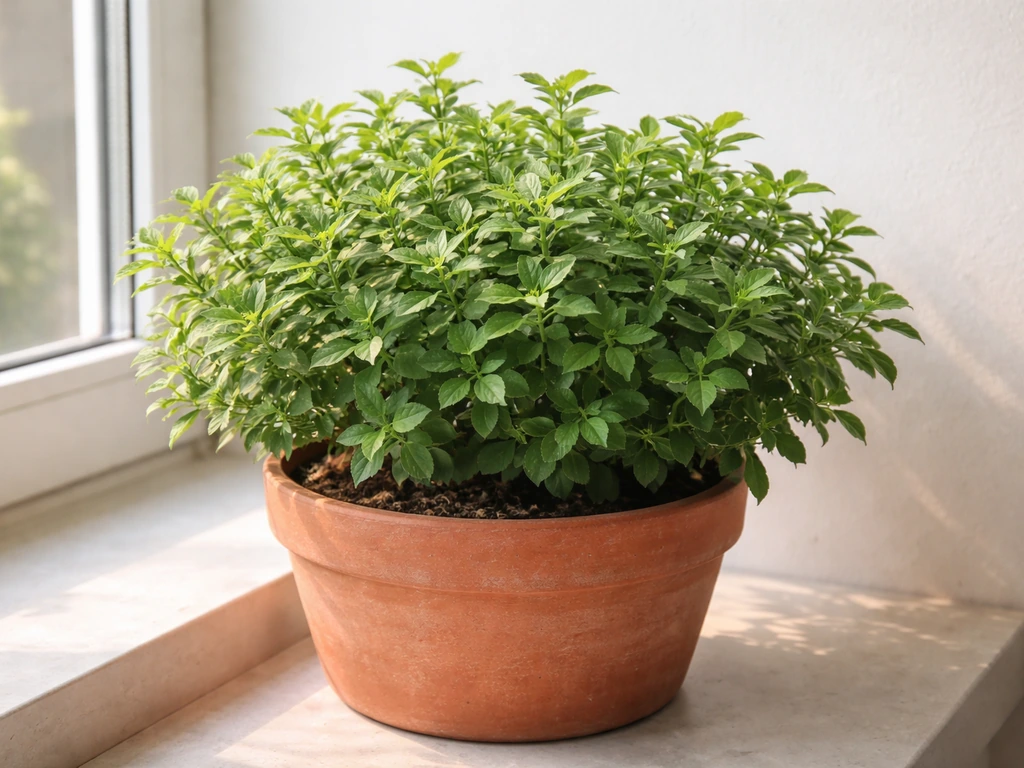
So, can damiana actually work indoors long-term?
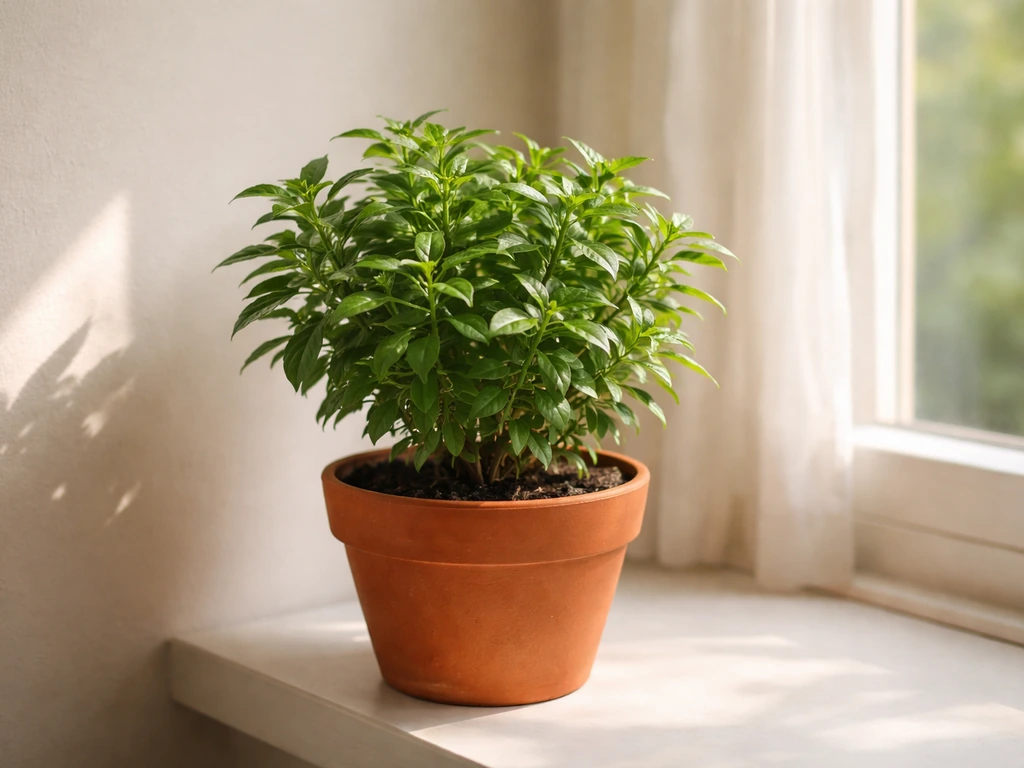
The honest answer is yes, with one big caveat: light is the make-or-break factor. Damiana is a shrub native to arid and semi-arid conditions in Mexico and the southern US. It evolved in full, blazing sun. That background tells you everything about what it expects indoors. A south-facing window with no obstructions can work if your summers are intense, but for most apartment or house setups, a grow light is the realistic path to keeping this plant genuinely happy year-round rather than just barely alive.
The good news is that container culture is well-established for this plant. Growers in cooler climates have long kept damiana in pots, bringing them indoors when temperatures drop. Long-term indoor culture is feasible, and there are real reports of damiana flowering under grow lights indoors. If you're also curious about a more fragrant challenge, you can grow night scented stock indoors too, but it likewise depends heavily on light and airflow. It just requires you to commit to the conditions, not just hope for the best.
Light, temperature, and humidity: the indoor conditions that matter
Light
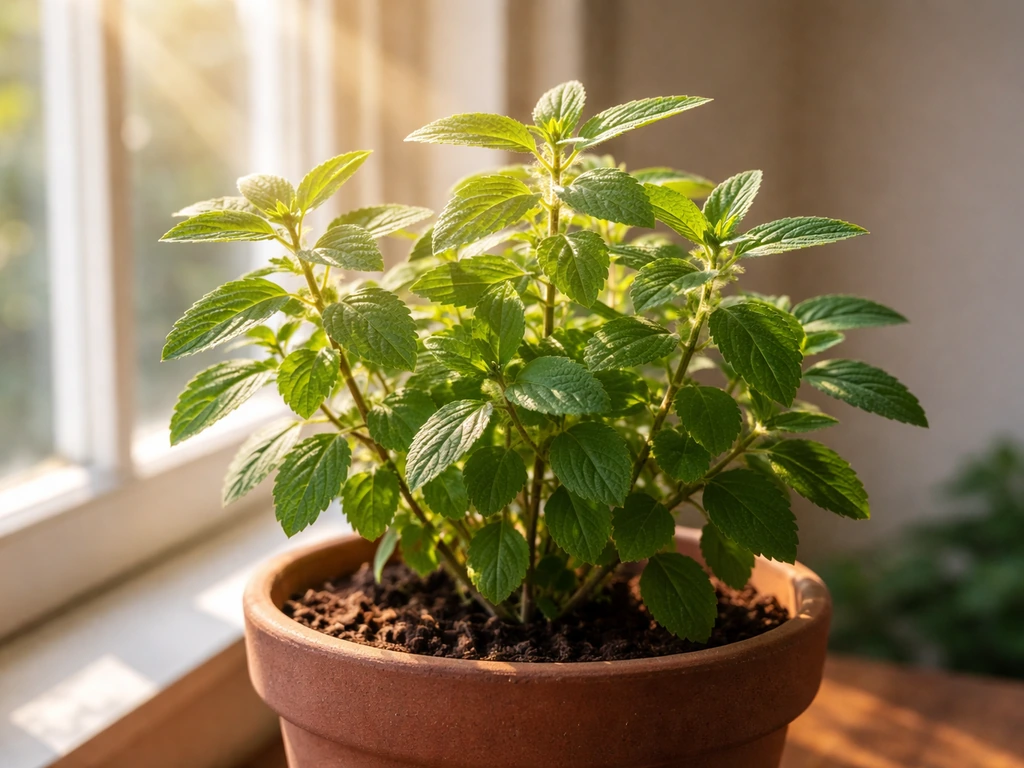
This is the one you can't compromise on. Damiana wants at least 6 to 8 hours of direct sun daily, and some sources push that to 8 to 10 hours. In a home setting, that means a south-facing window with no nearby buildings or trees blocking the light. An east or west window usually won't cut it long-term. If your space doesn't have a reliable south-facing window, use a grow light. A 20W grow light positioned about 6 inches above the canopy has been reported to keep damiana thriving and even flowering. For a PPFD reference point, growers have used 200 to 300 PPFD as a working target, which is achievable with a decent LED panel. If you're serious about this plant, a grow light isn't a luxury here, it's just part of the setup.
Temperature
Keep your indoor temperature between 22°C and 28°C (72°F to 82°F) during the growing season. The absolute floor is 16°C (61°F). Drop below that and the plant may drop its leaves, which is a stressful but often recoverable event if you catch it quickly. Most heated homes stay well above that threshold in winter, but keep damiana away from cold drafts near windows or exterior walls in colder months.
Humidity
Because damiana comes from dry habitats, it tolerates the lower humidity levels that most homes naturally have. You do not need to run a humidifier for this plant. If anything, high humidity combined with poor airflow is more of a problem than dry air. Just be aware that very dry indoor air (common in winter with central heating) can make spider mites more likely, which I'll cover in the troubleshooting section.
Potting and soil: the setup that prevents failure
Damiana absolutely needs fast-draining soil. It grows in arid conditions naturally, and its roots will rot quickly in a mix that holds moisture too long. ForwardPlant states that damiana thrives in well-drained soil that helps prevent waterlogging, which in turn reduces the risk of root rot fast-draining soil. A good indoor setup is a cactus or succulent potting mix, or a standard potting mix cut with perlite at a ratio of roughly 60% potting mix to 40% perlite. This keeps the soil airy and prevents waterlogging.
For the pot itself, drainage holes are non-negotiable. Choose a container about 2 inches larger in diameter than the root ball when potting up. Terracotta is a great choice here because it's porous and helps wick away excess moisture, which aligns perfectly with damiana's preferences. A 6 to 8 inch pot works well for a young plant. You won't need to repot very often as damiana is relatively slow to outgrow its container, with a general interval of every 2 to 3 years. One reliable signal that it's time: roots poking out of the drainage holes or water sitting on the surface after watering rather than draining through.
Starting damiana indoors: seeds vs cuttings
I'll be upfront here: propagating damiana is genuinely tricky. Research has confirmed that both seed germination and cutting rooting are challenging even under controlled conditions, with low germination rates and inconsistent cutting success. That doesn't mean you can't do it at home, it just means you should set realistic expectations and be patient.
Starting from seed
Soak seeds for 24 hours before sowing. Surface-sow them on a sandy, well-draining seed-starting mix because damiana seeds need light to germinate, so don't bury them. Keep the mix warm (22 to 28°C) and under consistent light. Germination is slow and spotty, so don't give up on a tray after just a couple of weeks. One important note: plants and seeds sold as Turnera diffusa are sometimes actually Turnera ulmifolia, a closely related but different species sometimes called "false damiana." If your seeds behave or look different from what you expect, species mix-up could be the reason.
Starting from cuttings
Semi-hardwood cuttings taken in spring or early summer give you the best shot. Take a 4 to 6 inch cutting, strip the lower leaves, dust the cut end in rooting hormone powder, and plant it in moist propagation mix. Keep the cutting warm, under bright indirect light, and maintain consistent moisture in the propagation medium without waterlogging it. Rooting can take several weeks, and not every cutting will take. Starting 3 to 5 cuttings at once is a good hedge. If you can source a young established plant from a herb nursery, that is honestly the easiest path to a healthy indoor specimen.
Watering and feeding
The golden rule for watering damiana: let the soil dry out slightly between waterings. Stick your finger an inch into the soil. If it's still damp, wait. If it's dry, water thoroughly until it drains freely from the bottom, then don't water again until it dries out. During the growing season (spring through summer), this might mean watering every 5 to 10 days depending on your pot size, light, and temperature. In winter, the plant slows down and you should water even less frequently.
For feeding, use a balanced liquid fertilizer during the growing season every 2 to 3 weeks. A practical dose is about 1 teaspoon per gallon of water for a mature plant. Ease off or stop feeding entirely in fall and winter when growth naturally slows. You don't need anything fancy here, a standard 10-10-10 balanced fertilizer works fine.
Pruning, training, and getting your plant to flower or harvest
Damiana can get a bit rangy indoors if left alone, especially if light is even slightly insufficient. Light pruning helps keep the plant bushy and compact, which is both more attractive and more productive. Pinch back the tips of new growth regularly to encourage branching. If stems start stretching noticeably toward the light, that's your cue to either move the plant closer to the light source or trim it back and address the light situation.
Harvesting leaves can start once the plant is established and growing well. Take leaves from the outer, more mature stems and leave the actively growing tips intact. As for flowering: yes, damiana can and does flower indoors under sufficient light. There are documented cases of plants flowering under a 20W grow light positioned close to the canopy. The small yellow flowers are a good sign your setup is right. If you're not seeing flowers after a full growing season, light intensity is almost certainly the limiting factor.
Common problems and how to fix them
Leggy, stretched growth
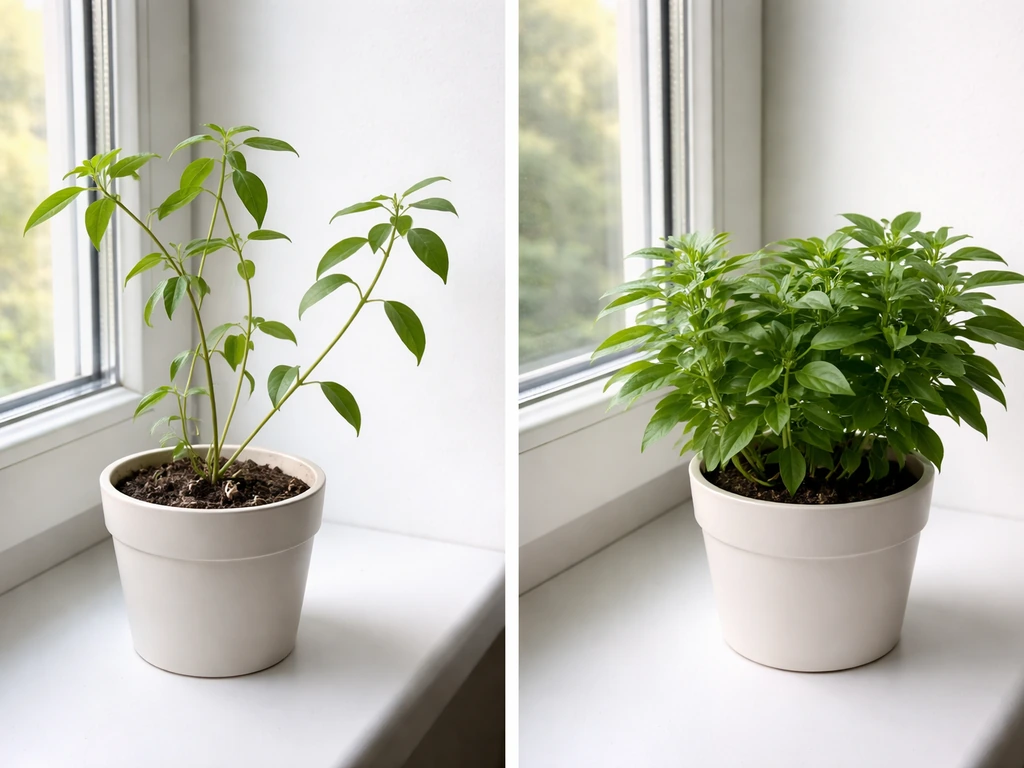
This is the most common indoor problem and it almost always means not enough light. If your damiana is stretching toward the window or growing long, spindly stems with sparse leaves, move it to a brighter spot or add a grow light. Pruning back the leggy stems will tidy the plant up, but it won't fix the underlying issue unless you address the light first.
Yellowing leaves
Yellowing can mean either overwatering or underwatering, which is frustrating but there's a simple diagnostic: lift the pot. If it feels heavy and the soil is still damp, you're overwatering. Let it dry out fully before watering again and check drainage. If the pot feels light and the soil is bone dry, the plant is thirsty. One Reddit grower documented yellowing on their damiana under 200 to 300 PPFD of light, suggesting that even with a grow light, if other conditions aren't dialed in, yellowing can still occur. Check your watering schedule and light level together.
Root rot
Root rot is a real risk if damiana sits in wet soil too long. Signs include persistently yellowing leaves, a mushy or foul smell from the soil, and a pot that feels heavy even days after watering. If you suspect root rot, unpot the plant, trim away any black or mushy roots, let the root system air dry briefly, and repot into fresh fast-draining mix. Going forward, a terracotta pot and a perlite-heavy mix will help prevent a repeat.
Spider mites and mealybugs
Spider mites are especially common in dry indoor conditions, which is ironic given that damiana likes dry soil. If you see fine webbing or tiny moving dots on the undersides of leaves, spray the plant with water to dislodge mites, then follow up with a neem oil solution or insecticidal soap spray every few days. Slightly increasing humidity around the plant can also help deter mites. Mealybugs show up as white cottony clusters in leaf axils. Dab individual bugs with a cotton swab dipped in rubbing alcohol, then follow up with a neem or soap spray on the whole plant. Both pests are manageable if caught early.
Winter slowdown
Damiana will naturally slow its growth in winter, especially if light levels drop with shorter days. Reduce watering frequency and stop fertilizing from around October through February. If you're relying on a south-facing window, you may notice the plant looking a bit sad by midwinter. This is where a grow light really pays off, keeping day length consistent at 14 to 16 hours of light maintains better growth through the darker months.
Your practical indoor setup plan
Here's how to put it all together from day one. For your first few weeks, focus on getting the environment right before worrying about feeding or pruning. If you’re wondering can you grow black eyed susan indoors, the key is matching the same kind of strong light and fast-draining container setup.
- Place in the brightest spot available, a south-facing window or under a grow light set to 14 to 16 hours per day, positioned 6 inches above the canopy.
- Pot in a terracotta container with drainage holes using a 60/40 potting mix to perlite blend.
- Water only when the top inch of soil is dry. For the first month, check every 3 to 4 days to learn how quickly your pot dries in your specific conditions.
- Hold off on fertilizing for the first 4 to 6 weeks while the plant settles in. Then begin balanced liquid fertilizer every 2 to 3 weeks through the growing season.
- Keep temperatures above 16°C at all times and aim for 22 to 28°C during the day.
- Pinch back stem tips after 6 to 8 weeks to encourage bushy growth.
Can I make it work in my space?
| Your situation | Likely outcome | What to do |
|---|---|---|
| South-facing window, warm home | Good — plant can thrive with natural light in spring/summer | Supplement with grow light in winter to maintain growth |
| East or west-facing window only | Marginal — plant will survive but likely grow slowly and lean | Add a grow light to reach adequate PPFD; position 6 inches above canopy |
| North-facing window or low-light apartment | Poor without intervention — plant will decline over time | A grow light is essential; natural light alone won't be enough |
| Any window, consistent 20°C+ indoors | Achievable long-term with good drainage and watering discipline | Nail the watering schedule and use fast-draining soil from day one |
Damiana is more demanding than casual herbs like mint but far less finicky than something like vanilla, which needs specific pollination and humidity conditions to produce anything useful indoors. Vanilla is also possible indoors, but it generally needs very specific pollination and humidity conditions to fruit successfully vanilla indoors. If you've successfully kept a rosemary or lavender plant alive indoors long-term, you already have the right instincts for damiana. The main thing is treating it like the sun-loving, dry-conditions shrub it actually is, not like a typical houseplant that tolerates shade and moist soil. That same approach also helps with can you grow st john's wort indoors, since it needs bright light and a well-draining potting mix sun-loving, dry-conditions shrub.
FAQ
Can you grow damiana indoors without a grow light?
It can, but only if you can provide strong, consistent light. If your south window is weak during winter or you get frequent cloud cover, the plant often becomes leggy or drops leaves. In that case, plan on using a grow light to maintain a steady 14 to 16 hours of light rather than relying on the window.
How do I know if my grow light is strong enough for damiana?
Try 200 to 300 PPFD at canopy level if you are using an LED panel, but placement matters as much as wattage. If you mount the light too high, the PPFD at the plant drops fast and you will see stretching. Keep a consistent distance (for example, around 6 inches) and adjust based on how the stems respond.
Is damiana drought tolerant, and should I water less than other herbs?
Yes, but avoid treating it like a typical “water when dry” herb. Damiana is drought tolerant, yet repeated partial watering can keep salts in the pot and stress the plant. Water thoroughly until it drains, then let the pot dry down again, and occasionally flush the soil to prevent salt buildup (especially if you use fertilizer often).
My damiana leaves are turning yellow indoors, what should I check first?
Yellow leaves can be caused by both too much water and too little water, so check the pot weight and soil moisture rather than guessing. If the pot feels heavy and soil is damp, pause watering and confirm drainage. If the pot feels light and soil is bone dry, soak thoroughly and then return to the dry-down schedule.
What indoor conditions can cause damiana to drop leaves?
Damiana does not like cold drafts, even if the room is “warm.” Keep it away from direct airflow from windows, exterior walls, and HVAC vents. If the leaves start dropping after a cold snap, move the plant to a more stable spot and avoid watering until the pot warms back up.
Do I need special water (filtered or distilled) to grow damiana indoors?
Tap water is not automatically a problem, but very hard or high-chlorine water can irritate roots over time, especially in small pots. If you notice persistent poor growth despite good light and drainage, consider using filtered water or letting water sit to reduce chlorine, and flush the pot occasionally to wash out minerals.
When should I fertilize damiana indoors, and what happens if I fertilize in winter?
Spring-to-summer feeding is best, and you should stop or sharply reduce in fall and winter. If you fertilize while light is low, the plant may look pale, leggy, or fail to bounce back after pruning. A simple rule is to feed only when you can provide strong light and active growth.
Is it worth trying to propagate damiana at home, or should I buy a starter plant?
Because propagation is unreliable from both seed and cuttings, it is often easier to start with a small established plant if your goal is flowering or leaf harvest soon. If you do start from cuttings, use multiple cuttings and expect variable success, then keep the medium just barely moist, not wet.
Can I grow damiana in plastic pots instead of terracotta?
A fast-draining mix is necessary, but terracotta is most helpful if you pair it with a dry-down watering routine. If you use a non-terracotta plastic pot, you must be even stricter about letting the mix dry between waterings because the soil holds moisture longer.
How much pruning is safe for indoor damiana, and when should I prune?
Yes, but only lightly. If you prune too hard while light is low, it may stall or drop leaves. Pinch or trim to encourage branching once the plant is actively growing under sufficient light, then reassess light placement if it keeps stretching after pruning.
How can I prevent spider mites from taking over my indoor damiana?
Spider mites are a common issue when indoor air is dry, even if the soil stays dry. Use a “check underside of leaves weekly” habit. If you see webbing or moving dots, dislodge with a water spray first, then follow up with neem or insecticidal soap on a repeating schedule until you stop seeing new activity.