Yes, you can technically grow deadly nightshade (Atropa belladonna) indoors, but I'd strongly caution most home gardeners against it. It's not that the plant is impossible to keep alive inside, it can be done with the right setup, it's that every single part of this plant is poisonous, and keeping something that toxic in a living space alongside kids, pets, or curious visitors is a serious safety liability. If you're still committed to trying, here's exactly what you need to know, starting with the risks you cannot afford to skip.
Can You Grow Deadly Nightshade Indoors Safely? How To
James Hartwell
24 May 2026
Why growing it indoors is a genuine safety problem
Let's be blunt about what you're dealing with. Atropa belladonna is not just "mildly toxic" or "irritating if touched." Cornell University's poisonous plant list flags all parts of the plant as poisonous, roots, leaves, stems, berries, and seeds. The University of Connecticut's home garden fact sheet echoes exactly that: roots, leaves, and seeds are all poisonous. There is no safe part to casually brush against or let a toddler near.
The toxins at work are tropane alkaloids that cause anticholinergic poisoning. According to the California Poison Control System, exposure can cause hyperthermia, rapid heart rate, blurred vision, dry flushed skin, hallucinations, agitation, urinary retention, and in serious cases, respiratory failure and cardiovascular collapse. Case reports in medical literature document exactly those outcomes from belladonna fruit ingestion. Symptoms can also persist from hours to days depending on the amount absorbed and the route of exposure.
Outdoors, accidental exposure is still possible but the plant is harder to stumble into repeatedly. Indoors, you're sharing air, surface space, and proximity with it constantly. Skin contact during routine watering, touching your face before washing your hands, or a child grabbing a shiny black berry, these are real, everyday scenarios in a household. If any exposure happens, call Poison Control immediately at 1-800-222-1222 rather than waiting for symptoms to appear.
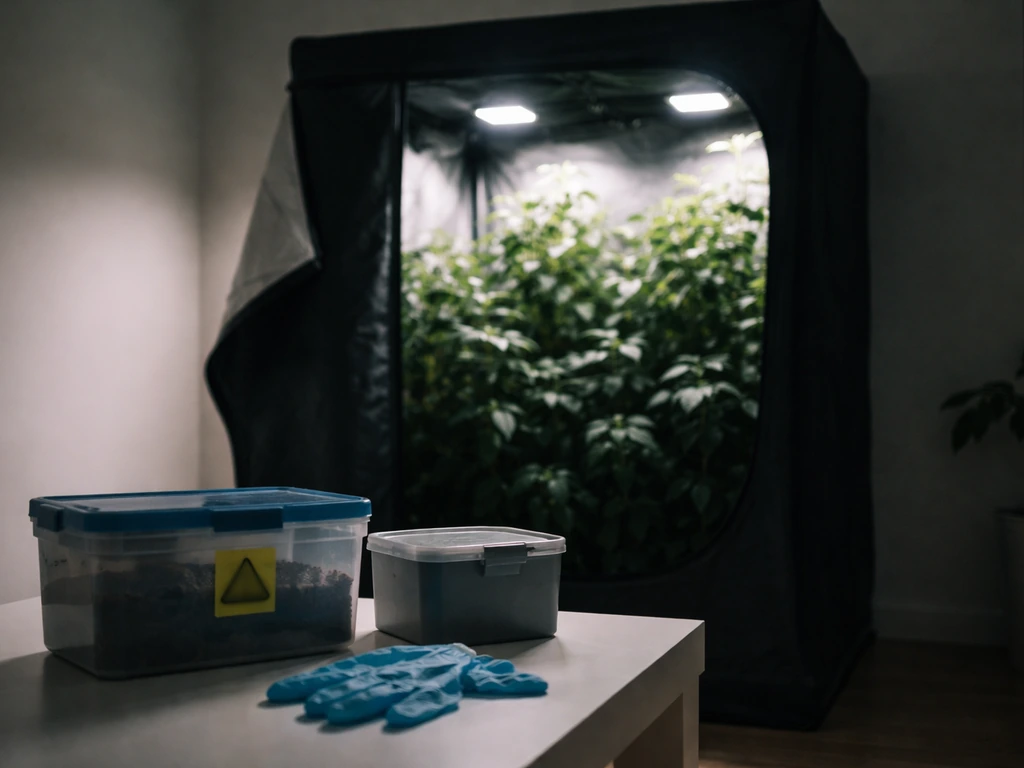
- Keep it completely out of reach of children and pets — not just on a high shelf, but ideally in a locked or dedicated room
- Always wear gloves when watering, pruning, or repotting, and wash hands thoroughly afterward
- Never grow it in a kitchen, dining room, or any space where food is prepared or consumed
- Label the pot clearly so no one in your household mistakes it for a decorative plant
- Have the Poison Control number saved in your phone: 1-800-222-1222
What deadly nightshade actually needs to survive indoors
Light
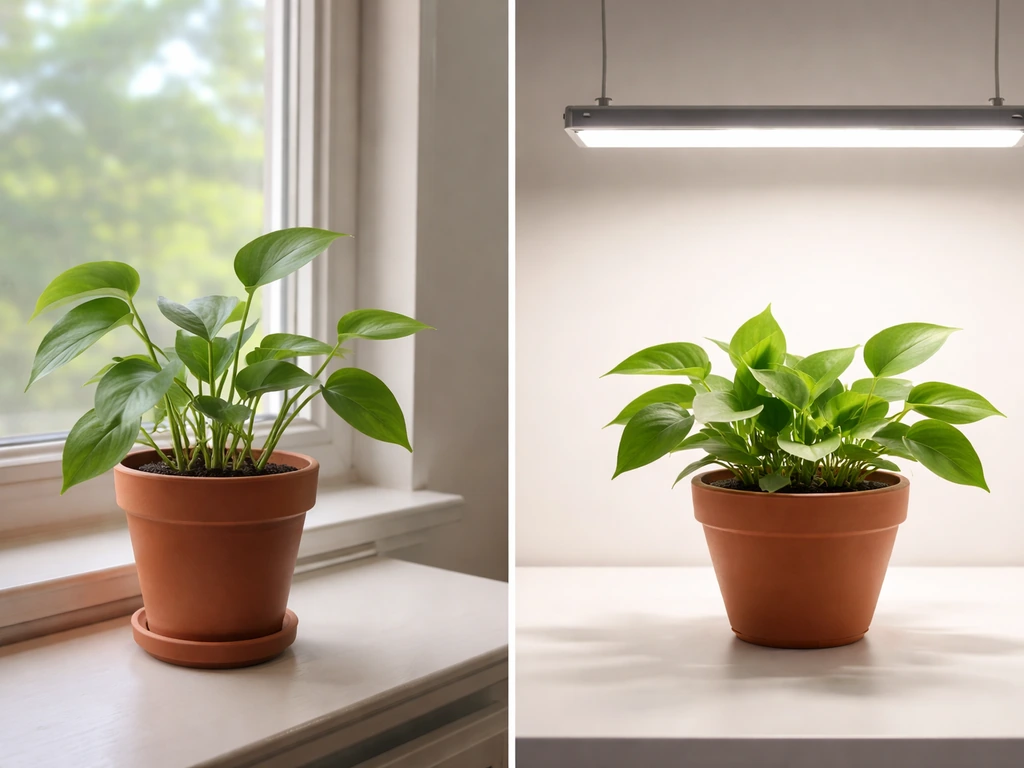
This is where most indoor attempts fail first. Atropa belladonna is a full-sun plant in its natural habitat and wants intense, sustained light. A standard windowsill, even a south-facing one, rarely delivers enough. If you go the window route, choose the brightest south or southwest-facing window you have, and expect somewhat leggier growth than you'd see outdoors. In my experience, leggy, stretching stems on a windowsill-grown nightshade are almost inevitable without supplemental lighting. A quality full-spectrum grow light running 14 to 16 hours per day is a much more reliable setup. Position the light close enough to prevent etiolation but follow the manufacturer's distance guidelines to avoid leaf scorch.
Temperature
Belladonna is a temperate plant and prefers daytime temperatures in the range of 65 to 75°F (18 to 24°C), with cooler nights. University of Maryland Extension guidance on indoor plants notes that a 10 to 15°F drop at night is actually beneficial for plant physiological recovery. A typical home that's heated to a constant warm temperature year-round is not ideal. If you can give it a cooler room at night, that helps. Avoid placing it near heating vents, radiators, or drafty cold windows, extreme swings in either direction cause leaf drop and outright plant failure.
Humidity and airflow
Average household humidity (40 to 50%) is generally workable. Belladonna doesn't need the high humidity that something like vanilla does. Vanilla can also be grown indoors, but it needs the right humidity and airflow to thrive. What it does need is decent airflow. Stagnant, humid air around the base of the plant dramatically increases fungal disease risk, especially during the seedling stage. If your growing space tends to be stuffy, a small fan running on low nearby makes a real difference. Don't mist the foliage, that just creates a surface moisture situation that invites problems.
Soil, pots, and watering
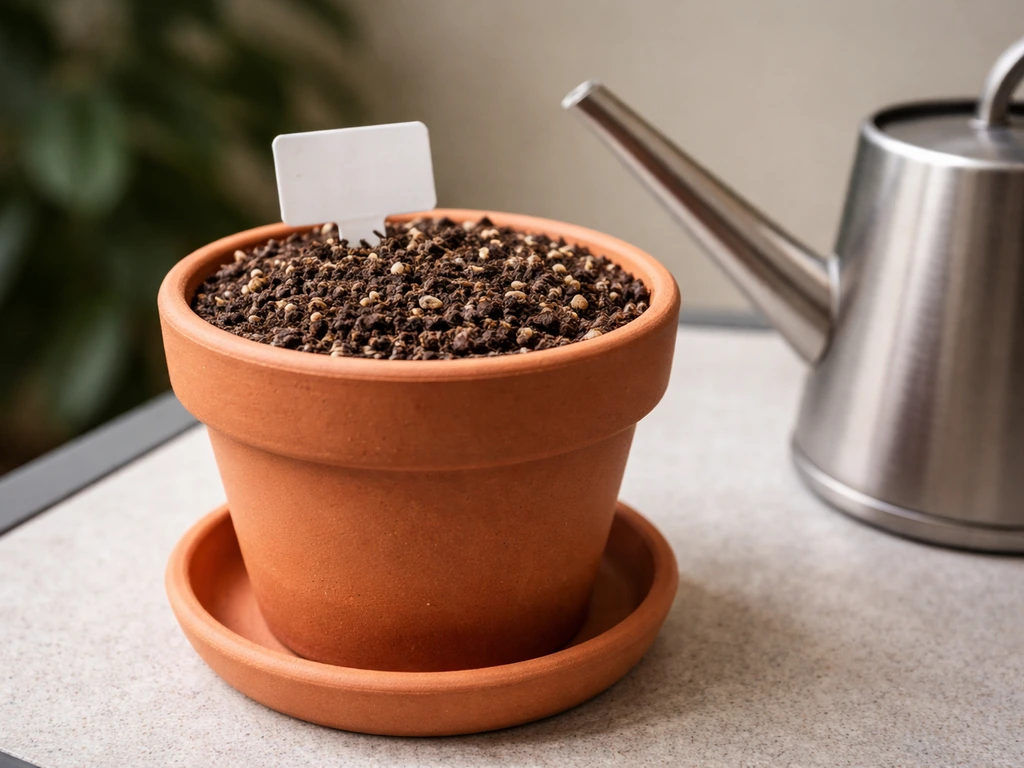
Outdoor cultivation protocols for Atropa belladonna call for deep soil preparation, which tells you something about this plant's preference for room to develop. For indoor container growing, choose a pot that's larger than you think you need, at minimum a 10 to 12 inch diameter container for a single mature plant, with deep sides to accommodate root development. Drainage is non-negotiable: this plant does not tolerate waterlogged roots. Use a pot with multiple drainage holes and place it on a saucer you actually empty after watering.
The soil mix should be well-draining and moderately fertile. A standard loam-based potting mix cut with about 20 to 30% perlite works well. Avoid heavy, peat-dense mixes that stay wet too long. Water when the top inch of soil is dry to the touch, then water thoroughly until it drains from the bottom. In a home environment, that typically means watering every 5 to 7 days in summer and less frequently in cooler months. Overwatering is one of the most common ways this plant dies indoors.
Starting from seed: what you need to know
Germinating Atropa belladonna from seed is genuinely tricky compared to most houseplants, and skipping the right steps means your seeds simply won't sprout. The plant's seeds have a dormancy requirement. Research shows that without cold stratification, germination typically does not occur. You need to chill the seeds first: wrap them in a slightly damp paper towel, seal in a bag, and refrigerate for 4 to 8 weeks before sowing. After stratification, germination is reported to occur under warm conditions around 25°C (77°F) with light present.
Once you start the seeds, expect germination to take roughly 25 to 30 days even under good conditions. Sow seeds in small cells or a seed tray with a sterile seed-starting mix rather than regular potting soil. Keep the medium consistently moist but never waterlogged, and provide warmth from below with a heat mat if possible. Transplant seedlings into their final container once they have two to three sets of true leaves. Transplant gently, belladonna can experience shock if roots are disturbed heavily, and recovery indoors is slow.
Common indoor problems and how to fix them
| Problem | Likely Cause | Fix |
|---|---|---|
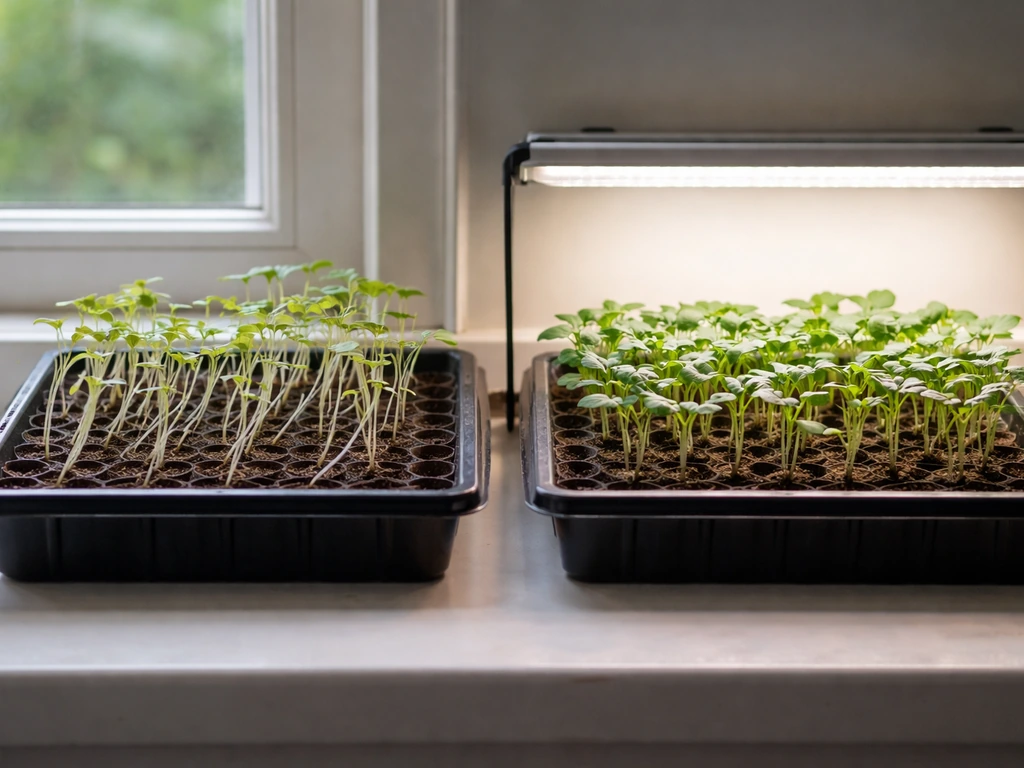
| Leggy, stretched stems | Insufficient light | Move to brightest window or add a full-spectrum grow light 14-16 hrs/day |
| Seeds fail to germinate | Skipped cold stratification or soil too wet/dry | Stratify seeds for 4-8 weeks before sowing; use sterile, slightly moist seed mix |
| Seedlings collapse at soil line (damping-off) | Fungal rot from excess moisture and poor airflow | Use sterile seed-starting mix, don't overwater, add gentle fan circulation |
| Yellowing lower leaves | Overwatering or poor drainage | Let soil dry between waterings; check drainage holes aren't blocked |
| Wilting despite moist soil | Root rot from waterlogged pot | Repot into fresh well-draining mix; trim any black mushy roots |
| Pest damage (aphids, spider mites) | Low humidity or stressed plant | Inspect leaf undersides regularly; treat with insecticidal soap wearing gloves |
Damping-off is worth calling out specifically because it devastates seedlings fast. University research on this fungal disease confirms that pathogens can spread radially through a seed tray from a single infected spot, wiping out an entire batch of seedlings in days. Using sterile seed-starting media (not garden soil or recycled mix) and avoiding overhead watering are your best defenses. Once damping-off takes hold, the affected seedlings cannot be saved, you remove them and improve conditions for the survivors.
Safer alternatives worth growing indoors instead
If the appeal of deadly nightshade is its gothic, dramatic look, deep green foliage, interesting growth habit, or the botanical curiosity factor, there are genuinely better options for an indoor space. Before going through the effort of cold-stratifying seeds and setting up a dedicated grow light, consider whether a less dangerous plant could meet the same goal. For example, Logee’s Plants provides indoor vanilla care guidance such as keeping indoor temperatures above 60°F and using methods like pebble trays or misting to raise humidity less dangerous plant could meet the same goal.
- St. John's Wort (Hypericum perforatum): botanically interesting, medicinally famous, and manageable indoors with bright light — a fraction of the toxicity concern
- Damiana (Turnera diffusa): documented as a workable indoor houseplant with interesting herbal history and far lower acute toxicity risk
- Night-scented stock (Matthiola longipetala): shares the evening-interest appeal, is easy to grow in containers indoors, and is not acutely poisonous
- Black-eyed Susan (Rudbeckia hirta): dramatic and interesting as a container plant, not remotely in the same toxicity category
- Vanilla (Vanilla planifolia): a Solanaceae-free exotic that rewards patient indoor growers with genuine botanical drama and an edible goal
One category to actively avoid if you want the 'dramatic Solanaceae' look: Datura and Brugmansia. The California Poison Control System explicitly lists both alongside Atropa belladonna as anticholinergic plants capable of the same severe poisoning syndrome. Trading belladonna for one of those is not a meaningful safety upgrade.
If you're still going to grow it: your next steps
If you've read all of this and you still want to try, maybe you're a botanical researcher, a serious herbalist, or just someone who knows their household situation is safe, here's how to approach it responsibly.
- Verify correct identification before you buy or sow. Multiple Solanaceae species cause anticholinergic toxicity, and misidentification creates compounding risk. Buy from a reputable supplier who can confirm you have genuine Atropa belladonna.
- Check local regulations. Some regions restrict the cultivation of Atropa belladonna. Confirm it's legal to grow where you live before sourcing plants or seeds.
- Honestly assess your household. If there are children, pets, or anyone who might not understand the risk in your home, reconsider. This is not a plant for a busy family kitchen windowsill.
- Cold-stratify your seeds for at least 4 to 6 weeks before attempting germination. Don't skip this step and wonder why nothing sprouts.
- Set up your grow light before the seeds even go in. Trying to improvise lighting after the seedlings are already leggy is fighting a losing battle.
- Keep Poison Control's number accessible: 1-800-222-1222. Program it into your phone now, not after there's a problem.
- Wear gloves every single time you interact with the plant, no exceptions, and wash your hands before touching your face or food.
Growing deadly nightshade indoors is a project that can work, but it demands more setup, care, and safety discipline than almost any other plant you could choose. If you are wondering whether you can grow black eyed Susan indoors, the requirements and troubleshooting are much different from deadly nightshade can you grow black eyed susan indoors. If you want, you can use the same indoor-care planning approach to address whether you can grow damiana indoors safely. If you're looking for a different medicinal herb, you can also consider whether you can grow St John's wort indoors with the light and care it needs. For most people, the effort-to-reward ratio just doesn't add up when safer alternatives exist. But if you go in clear-eyed about what's required, you can manage it without incident.
FAQ
If I grow deadly nightshade indoors, what household safety steps should I take beyond basic caution?
If you still plan to attempt it, keep it in a fully separated area where kids and pets cannot access it, use a locked enclosure or high shelving with a childproof barrier, and label the plant clearly. Also plan for glove use during all handling (watering, pruning, repotting) and never touch your face while working, then wash hands and tools immediately.
Can I safely use or prepare deadly nightshade at home after growing it indoors?
No. Any claim of “safe” handling is not reliable with Atropa belladonna because all parts are poisonous, including berries and seeds, and poisoning can occur from small ingestions. Cooking or “processing” the plant at home does not make it safe, and even smoke or extracts are risky, so do not use it for food, tea, or home remedies.
What should I do immediately if someone eats or chews deadly nightshade indoors?
If a child or pet may have eaten any part (especially berries or seeds), do not wait for symptoms. Call Poison Control immediately and keep the plant material or packaging available, note the approximate amount and time of exposure, and follow instructions about whether you should rinse the mouth or go in for evaluation. If the person has trouble breathing, collapses, or has severe agitation, treat it as an emergency and seek urgent medical care.
How should I handle watering, pruning, and repotting without contaminating the rest of my home?
All routine care should be treated as high-risk, even if you wear gloves, because accidental contact with berries, spilled soil, or contaminated tools is common. Use dedicated tools, store them separately, and avoid bringing soil to the kitchen or bathroom. For repotting, do it over a tray to contain debris, then discard used gloves and wash the tray and tools thoroughly.
What are the most common mistakes that cause indoor deadly nightshade to die?
Common failure points indoors are insufficient light, overwatering, and warm nights. If the plant stretches, that usually indicates light is too weak or too far from the grow light. If leaves yellow and the pot stays wet, scale back watering and check that excess water drains fully and does not remain in a saucer.
If my deadly nightshade seeds do not germinate, how can I troubleshoot the usual causes?
Cold stratification is essential for seeds, but also keep the seed-starting setup sterile and the medium evenly moist, not saturated. If seeds do not sprout after the expected window, stop guessing and verify the two biggest variables first: you used a real cold period (not just “cool” room temps) and you started after stratification at warm conditions with light present.
How do I prevent damping-off when starting deadly nightshade indoors?
After germination, avoid conditions that lead to damping-off by using sterile seed-starting mix, not reusing trays or soil, and preventing constantly wet surfaces. If you see slimy stems or collapse at the soil line, remove affected seedlings right away, improve airflow, and stop overhead watering to protect the rest of the batch.
How do I know whether my grow light is strong enough for deadly nightshade indoors?
You cannot rely on a typical “houseplant” approach to light timing. Use a photoperiod that matches what the plant needs for steady growth (commonly 14 to 16 hours under a grow light), and position the light close enough to prevent stretching while staying within the fixture’s distance guidance. If you see persistent legginess even with a grow light, check that the bulb type is appropriate and that the light intensity is not being reduced by too-high placement.
Should I worry about flowers and berries on indoor deadly nightshade?
Treat pollination and fruit set as an additional exposure risk because berries and seeds concentrate the most dangerous potential for accidental ingestion. If your household has any risk of access, you may want to avoid flowering/fruiting where possible (for example, by keeping the plant from reaching conditions that reliably produce fruit), and never harvest or remove berries without gloves and strict cleanup.
What is the safest way to dispose of a deadly nightshade plant if I change my mind?
Deadly nightshade can be a long-term commitment. If you ever decide you no longer want it, do not compost it, do not place it in regular yard waste, and do not “give it away” to someone without full safety awareness. Instead, follow local plant disposal guidance for poisonous plants, and keep it contained until disposal so seeds or cuttings cannot spread.