
Yes, air plants (Tillandsia) can absolutely grow indoors, and they're genuinely one of the best plants for apartment living. They don't need soil, they tolerate a range of conditions, and with the right light and a simple soak-and-dry watering routine, most varieties will stay healthy, put out new leaves, and even bloom inside your home. The catch is that 'no soil' doesn't mean 'no care', light and airflow are the two things people consistently underestimate, and that's where most indoor air plant attempts fall apart.
Can Air Plants Grow Indoors? Care Guide for Success
James Hartwell
30 May 2026
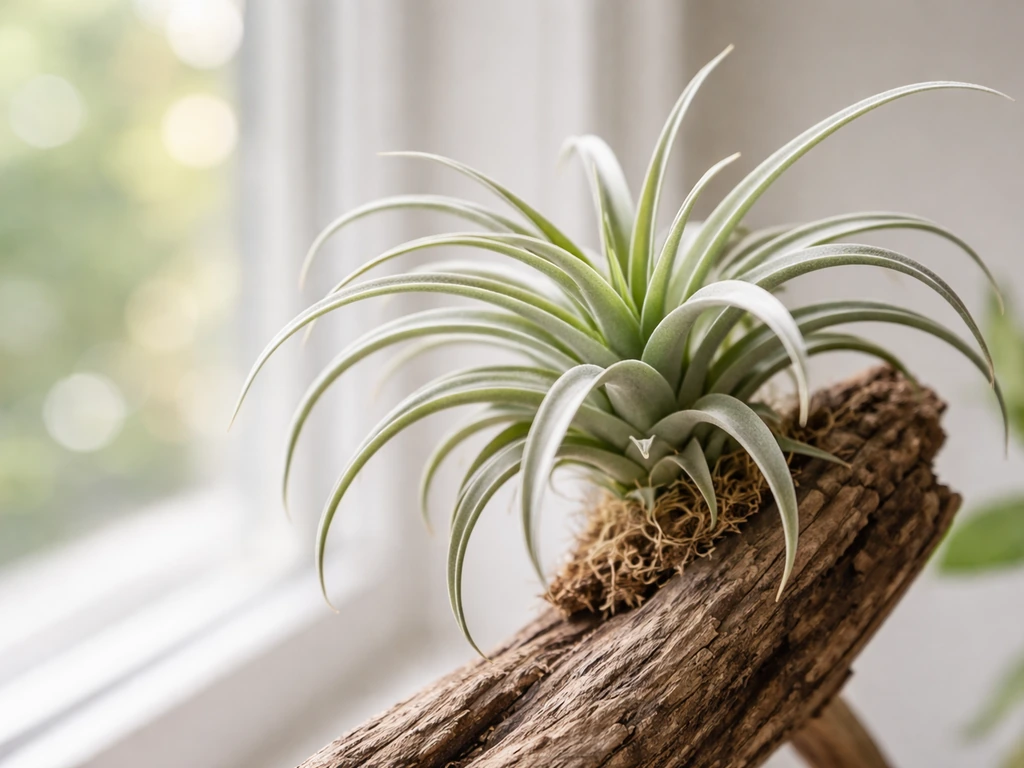
Can air plants actually grow and bloom indoors?
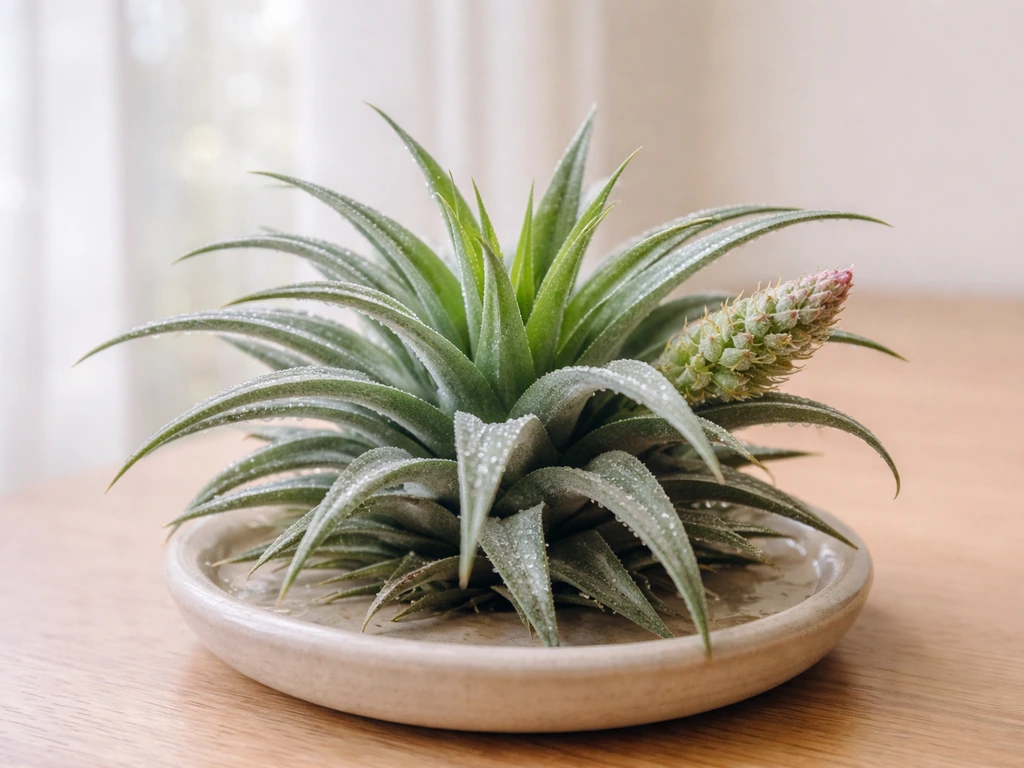
They can, and they do. Growth is slow by most plant standards, you're looking at new leaf production over months, not weeks, but they are actively growing when conditions are right. Blooming is also very achievable indoors. Most Tillandsia bloom once in their lifetime, and the bloom cycle can take weeks to months to complete, but indoor growers see it regularly when the plant is mature and well-cared-for. After flowering, the plant produces offsets called 'pups,' and those pups are your next generation of plants. So one healthy air plant can turn into a small collection over a couple of years.
Light requirements and where to put them indoors
Bright, indirect light is the sweet spot for almost every Tillandsia species indoors. Think a spot within 1 to 3 feet of a window, ideally south- or east-facing. A few hours of direct morning sun is fine and often beneficial, but harsh afternoon sun through a west-facing window will scorch the leaves. I've had great success placing air plants on a windowsill that gets morning light and then bright indirect light for the rest of the day.
Low light is the single biggest reason air plants fail indoors. A dim corner across the room from a small window isn't enough, no matter how 'bright' it feels to your eyes. If your space doesn't have great natural light, a full-spectrum grow light placed 6 to 12 inches above the plant for 12 hours a day will work well. Don't skip this step and hope for the best, a light-starved air plant slowly fades and stops growing entirely.
Watering routine: when to mist, when to soak
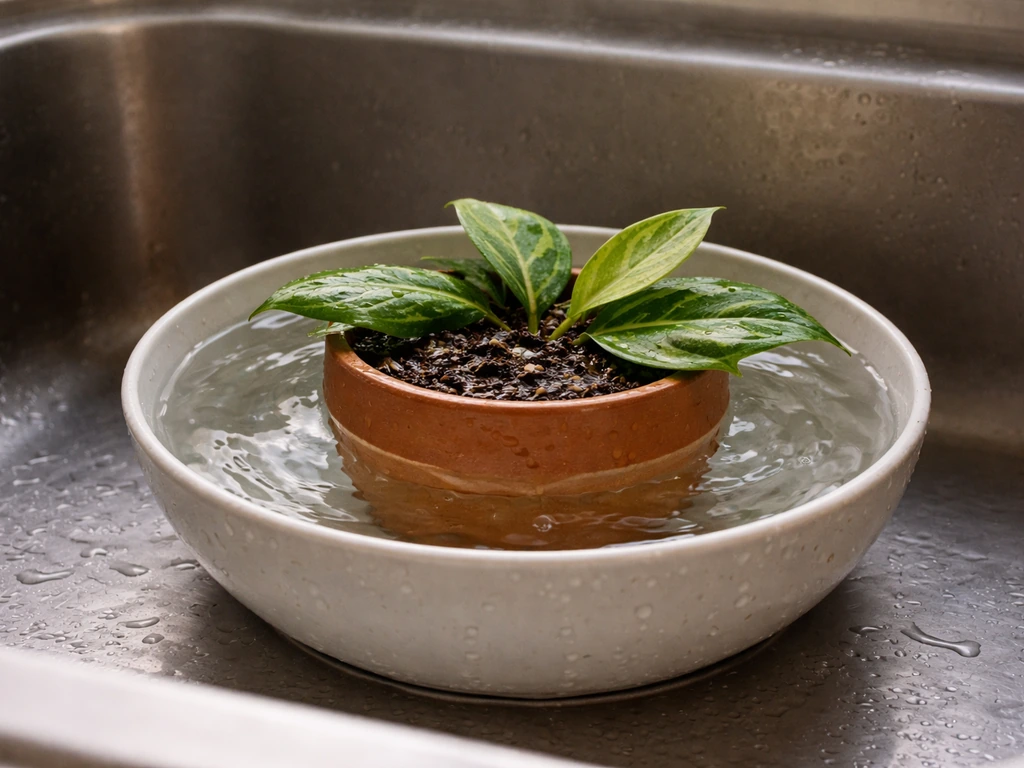
The soak method is more reliable than misting alone for most indoor conditions. Place the plant face-down in a bowl or sink filled with water and let it soak for 10 to 20 minutes, once or twice a week. Air Plant Design Studio recommends placing the plant face down to soak for 10, 20 minutes and avoiding prolonged time sitting in water soak for 10–20 minutes. After soaking, shake off the excess water gently and set the plant upside down or at an angle on a towel to dry completely before you put it back in its spot. 'Completely dry' means within 1 to 4 hours, and this part matters more than most people realize, trapped moisture at the base of the leaves is the main cause of rot.
Misting is a supplement, not a replacement. In dry indoor air (especially in winter when heating systems run constantly), misting every couple of days helps keep the leaves hydrated between soaks. A good rule of thumb: if your home feels dry to you, it probably feels dry to your air plants too. If you just brought a new plant home, give it a longer welcome soak of 20 to 30 minutes, then shake it out and let it dry completely before putting it on display. This rehydrates it after the stress of shipping or transport.
Humidity needs
Air plants prefer humidity levels between 50 and 70 percent. Most homes run drier than this, especially in winter, which is why misting becomes more important in cold months. Bathrooms and kitchens are naturally more humid and can be excellent spots for air plants as long as they still get enough light. If you're keeping them in a living room with forced-air heat, a small humidifier nearby or a pebble tray with water can help buffer the dryness without creating the stagnant moisture that causes rot.
How to set up and support air plants indoors
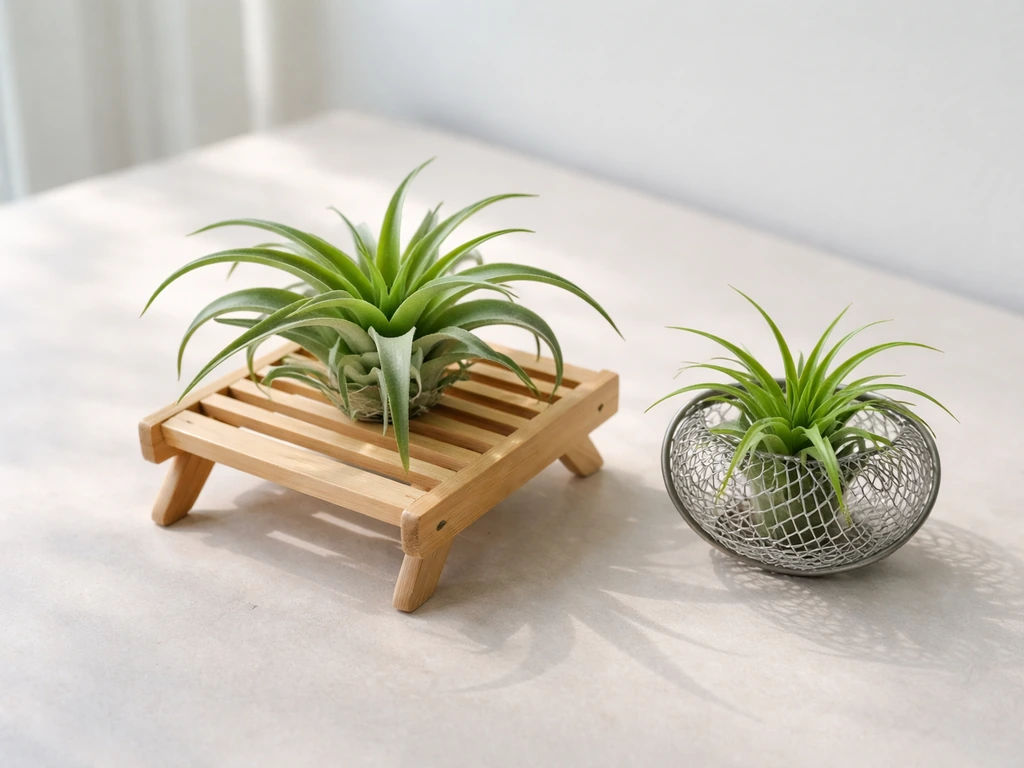
Since air plants don't need soil, 'potting' is really about finding a way to display and support them. The key rule is never let them sit in a container that traps water around the base. Closed terrariums, deep glass bowls, or anything that doesn't allow airflow will cause rot. Here are the setups that actually work indoors:
- Wire or wooden stands: the plant sits in or on the stand with full airflow around it — simple and effective
- Driftwood or bark mounts: attach the plant with non-copper wire or a small dab of waterproof craft glue (never hot glue directly on roots) — looks natural and great for wall displays
- Open glass orbs or geometric holders: fine as long as they have an opening large enough to let the plant breathe and dry
- Hanging with fishing line or twine: elegant for groupings, keeps the plant fully exposed to air
- Shallow terracotta dishes or shells: work well if the plant just rests in them and isn't enclosed
The only setup to avoid is placing an air plant in a sealed or nearly-sealed container with no airflow, like a lidded terrarium. Unlike carnivorous plants, which actually need very specific humid enclosures, air plants need free air movement to dry properly after watering.
Temperature, airflow, and adjusting for indoor conditions
Tillandsia are comfortable in the same temperature range most people keep their homes: 60 to 80 degrees Fahrenheit (15 to 27°C). They'll tolerate brief dips into the mid-50s but don't like sustained cold, so keep them away from drafty windowsills in winter and definitely away from air conditioning vents blasting directly on them in summer. Gentle, consistent airflow is a big positive, a ceiling fan on low in the same room is ideal because it mimics the breezy conditions these plants evolved in.
The biggest indoor adjustment most people need to make is increasing watering frequency in dry, heated, or air-conditioned environments. If your home is very dry in winter (below 40% humidity), you may need to soak twice a week and mist on the days in between. In summer with AC running, watch for leaves that start to curl or develop dry tips, that's a signal to water more often, not less.
Fertilizing, blooming, and realistic timelines
Air plants are light feeders, but fertilizing does make a real difference for blooming and pup production. Use a bromeliad or Tillandsia-specific fertilizer (or a balanced fertilizer at quarter strength) once a month. The easiest method is adding it to your soaking water at very low concentration. Don't over-fertilize, too much nitrogen will burn the leaves and can actually delay blooming.
For timelines: a healthy indoor air plant will show new growth within a few months of being well-cared-for. Blooming happens when the plant reaches maturity, which can take one to several years depending on the species and the size of the plant when you bought it. If you bought a larger, more mature specimen, you might see a bloom spike within the first year. After blooming, expect pups (offsets) to appear at the base within a few months. Those pups can be left attached to form a clump, or separated once they're about one-third the size of the mother plant.
Troubleshooting common indoor problems
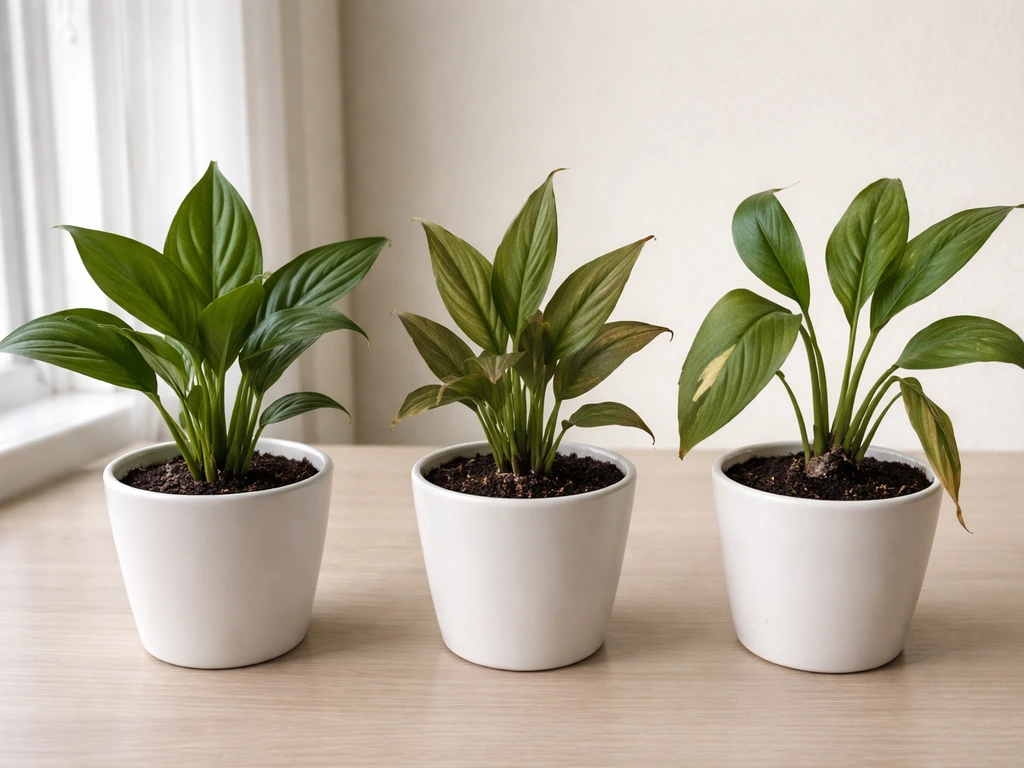
| Problem | Likely Cause | Fix |
|---|---|---|
| Brown, dry leaf tips | Low humidity or underwatering | Increase misting frequency; move away from heating/AC vents |
| Soft, mushy base or center | Rot from trapped moisture | Remove affected leaves, let dry fully, increase airflow, adjust watering schedule |
| Leaves curling inward | Dehydration or very low humidity | Soak for 20 minutes, then reassess watering frequency |
| No growth after months | Insufficient light | Move closer to a bright window or add a grow light |
| Yellowing or pale leaves | Too much direct sun or nutrient deficiency | Shift to indirect light; add monthly diluted fertilizer |
| White crusty residue | Mineral buildup from tap water | Switch to filtered, rainwater, or distilled water for soaking |
| Pests (scale, mealybugs) | Stressed plant or contact from other plants | Rinse under running water, treat with diluted rubbing alcohol on a cotton swab |
Rot is the most serious problem and it moves fast, so catching it early matters. If the base of the plant feels soft or smells off, remove the outer leaves to check. If the core is still firm, you can often save the plant by letting it dry completely in a well-ventilated spot for a day or two, then adjusting your watering habits going forward. If the core is mushy, the plant is usually past saving, but check for any pups that might already be forming, because those can be separated and grown on.
What to do right after bringing an air plant indoors
- Give it a welcome soak: place the plant face-down in a bowl of room-temperature water for 20 to 30 minutes to rehydrate after transport
- Shake off excess water gently and set it upside down or at an angle on a towel in a spot with good airflow
- Wait until it's completely dry (within 1 to 4 hours in normal room conditions) before placing it in its display spot
- Choose a placement within 1 to 3 feet of a bright window, avoiding harsh direct afternoon sun
- Make sure whatever you're using to display it allows air to circulate around the base — no sealed containers
- Set a reminder to soak once or twice a week and assess the humidity in your space to decide if supplemental misting is needed
- Add a diluted bromeliad fertilizer to your monthly routine once the plant has settled in for a couple of weeks
Air plants are genuinely rewarding indoors once you understand the two things that matter most: light and drying properly after watering. Get those right and you'll have a plant that thrives, eventually blooms, and keeps producing pups for years. If you’re wondering, do indoor plants grow in general, the key is matching light and care to the species and letting them dry properly after watering eventually blooms. They're a great entry point into low-maintenance indoor gardening, and if you enjoy the hands-off approach they offer, other epiphytes and unusual indoor plants are worth exploring too. Carnivorous plants like Venus flytraps, sundews, and pitcher plants can also be grown indoors if you provide enough light and the right watering setup. Spider plants can also grow indoors, as long as you give them bright, indirect light and consistent watering.
FAQ
How much light is enough for air plants indoors if I don’t have a bright window?
A dim room is usually too little even if it looks bright to you. If you cannot place them near a window, use a full-spectrum grow light for about 12 hours daily, with the lamp 6 to 12 inches above the plant, and reassess after 3 to 4 weeks by checking whether it keeps producing new leaves.
Can I keep an air plant in a bathroom or kitchen, and is humidity always helpful?
Bathrooms and kitchens can work well because humidity is higher, but they still need airflow and strong light. Avoid spots that stay dark, and do not leave the plant damp in a decorative holder, since trapped moisture is what leads to rot.
Is misting by itself enough for indoor air plants?
For most indoor conditions, misting alone is not reliable long term. Misting can supplement hydration between soaks, but you still need the soak-and-dry routine so the plant fully rehydrates and then dries completely at the base.
How often should I soak an air plant indoors?
Start with once per week if your home is moderately humid and not overly dry, then adjust upward in winter with heat or AC. A practical cue is leaf appearance, if tips look dry or leaves curl, increase frequency, and always keep the drying time strict.
What does ‘completely dry’ mean, and how do I prevent rot around the base?
After soaking, shake off excess water and dry the plant upside down or angled on a towel. Dry fully within 1 to 4 hours, especially where leaves overlap, because moisture trapped at the base is a common cause of rot indoors.
Can I place air plants in terrariums, jars, or glass bowls for decoration?
Generally no, unless the container has real airflow and stays open. Sealed or nearly sealed displays trap water and prevent drying, which quickly increases rot risk. If you want a display, choose an open setup that lets water evaporate after watering.
Should I rotate my air plant so it grows evenly indoors?
Yes, rotating every 1 to 2 weeks helps because light from windows or grow lights is directional. It can prevent one-sided stretching and supports more balanced leaf growth over time.
What’s the best way to deal with indoor drafts or AC blasts?
Gentle airflow is beneficial, but direct blasts can desiccate the leaves. Keep plants away from vents, and in winter avoid drafty windowsills. If leaves look dry or start to curl, move the plant and adjust watering.
When should I fertilize indoor air plants, and how do I avoid damage?
Fertilize about once a month during active growth, using a Tillandsia or bromeliad product at very low concentration. If you overdo it, especially with high nitrogen, leaves can burn and blooming can be delayed, so it’s better to err on the low side.
Do indoor air plants bloom, and how long does it typically take?
They can bloom indoors when mature and well cared for. Many plants take one to several years depending on species and how large they were when you bought them, and blooming is followed by pups that become your next plants.
How do I rescue an air plant that might be rotting?
Act quickly. If the base feels soft or smells off, remove outer leaves to inspect the core. If the core is firm, you can often save it by drying in a well ventilated spot for a day or two and changing watering habits, if it’s mushy, it’s usually not salvageable, but check for pups to propagate.
Can I plant multiple air plants together in one display?
Yes if the display is open and airflow is not restricted. Separate them enough that water and drying are not hindered, and make sure each plant can dry completely after soaking, overcrowding in enclosed decor increases rot risk.