
The carnivorous plants that grow best indoors are tropical Nepenthes (pitcher plants), Mexican butterworts (Pinguicula), and subtropical sundews like the Cape sundew (Drosera capensis). Venus flytraps can work indoors with a grow light and a proper winter dormancy, but they're less forgiving than the others. Air plants can also be grown indoors, but they have different light and watering needs than carnivorous plants can air plants grow indoors. Sarracenia (North American pitcher plants) are genuinely best kept outside and are the most common source of indoor failure. If you're in an apartment and want something that thrives on a windowsill with minimal fuss, start with a Nepenthes or a Cape sundew.
What Carnivorous Plants Grow Indoors and How to Care for Them
James Hartwell
6 Jun 2026
Best carnivorous plants for indoor growing
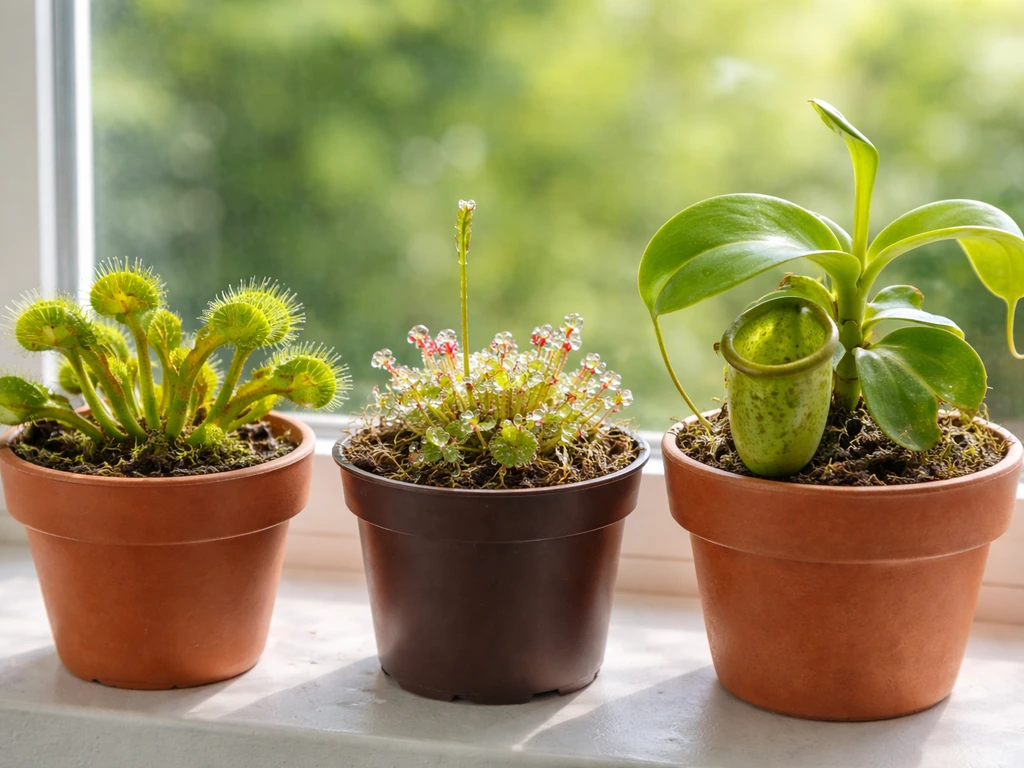
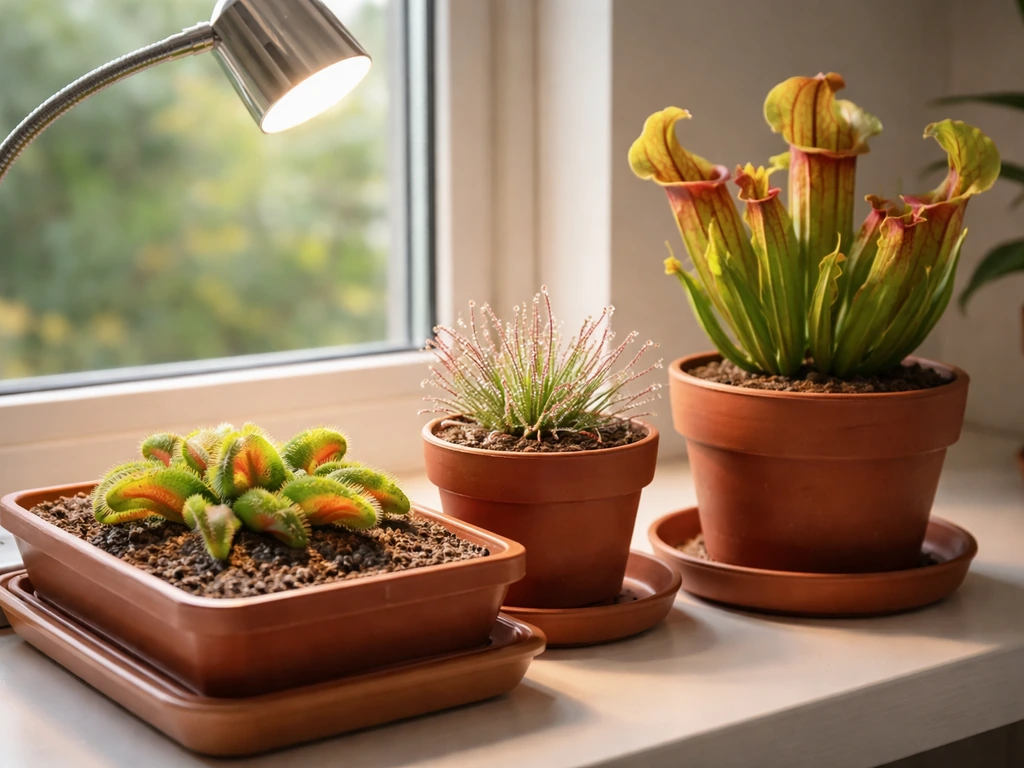
Not every carnivorous plant is created equal when it comes to living inside your home. Some genuinely love indoor conditions. You can also keep spider plants indoors easily, as long as you give them bright, indirect light and regular watering. Others will slowly decline no matter what you do indoors, because they need cold winters, intense outdoor sun, or both. Here's the honest breakdown.
| Plant | Indoor Suitability | Key Requirement | Dormancy Needed? |
|---|---|---|---|
| Nepenthes (tropical pitcher plant) | Excellent | Bright indirect light, high humidity | No |
| Cape sundew (Drosera capensis) | Excellent | East window or grow light, low-mineral water | No |
| Mexican butterwort (Pinguicula) | Excellent | Bright indirect or filtered light | Mild or none |
| Venus flytrap (Dionaea muscipula) | Good with effort | 6+ hours direct light or strong grow light | Yes, winter dormancy required |
| Temperate sundews (Drosera filiformis, etc.) | Moderate | Strong light, cooler winter temps | Yes |
| Sarracenia (North American pitcher plant) | Poor | Full outdoor sun, cold winters | Yes, hard to replicate indoors |
Nepenthes are the go-to indoor carnivore. They evolved in tropical rainforest environments, which means they actually appreciate the warm, stable temperatures most of us keep our homes at. A lowland or intermediate Nepenthes species like N. x ventrata or N.
alata will produce pitchers reliably in a bright room without any drama. Cape sundews are nearly unkillable once you nail the water. I've had one sitting on an east-facing windowsill for two years producing flowers and pups without a single intervention beyond watering. [Mexican butterworts (Pinguicula)](https://www.
californiacarnivores. com/collections/mexican-or-tropical-butterworts) are the most overlooked gem: flat rosettes that catch fungus gnats effortlessly and ask for almost nothing. Venus flytraps are the plant everyone wants, and they can work indoors, but they demand more light than most windowsills provide and they absolutely need a dormancy period in winter. Sarracenia I'd skip entirely for indoor growing unless you have a cold greenhouse or an unheated garage.
Light and placement requirements indoors
Light is where most indoor carnivorous plant setups fall apart. These plants come from open bogs, cliffs, and forest edges where light is intense and unobstructed. A north-facing window simply won't cut it for any of them.
Window placement by plant type
- Nepenthes: A bright east or west window works well. They want bright indirect light and can handle some direct morning sun. Avoid harsh south-facing afternoon sun that can scorch leaves through glass.
- Cape sundew and other subtropical Drosera: An east window with 3 to 4 hours of direct morning sun is ideal. They also do very well under fluorescent shop lights or LED grow lights placed 6 to 10 inches above the plant for 14 to 16 hours a day.
- Pinguicula: These tolerate slightly lower light than the others. A bright east or west window is great. They can even manage under a fluorescent tube.
- Venus flytrap: This one needs at least 6 hours of direct sunlight daily. A south-facing window in full sun is your best bet indoors. If you can't provide that, a strong LED grow light (at least 2000 lux) placed close to the plant for 12 to 14 hours is the next best option.
- Temperate sundews: Similar to flytraps. Prefer a south or east window with direct sun exposure.
If your apartment only has north-facing windows, don't give up. A full-spectrum LED grow light on a timer completely changes the equation. I've grown a thriving Cape sundew and a Pinguicula under a basic 45-watt LED panel in a room with no usable natural light. The key is keeping the light close (within 8 to 12 inches) and running it long enough each day.
Soil, water, and feeding (how to set up correctly)
The growing medium
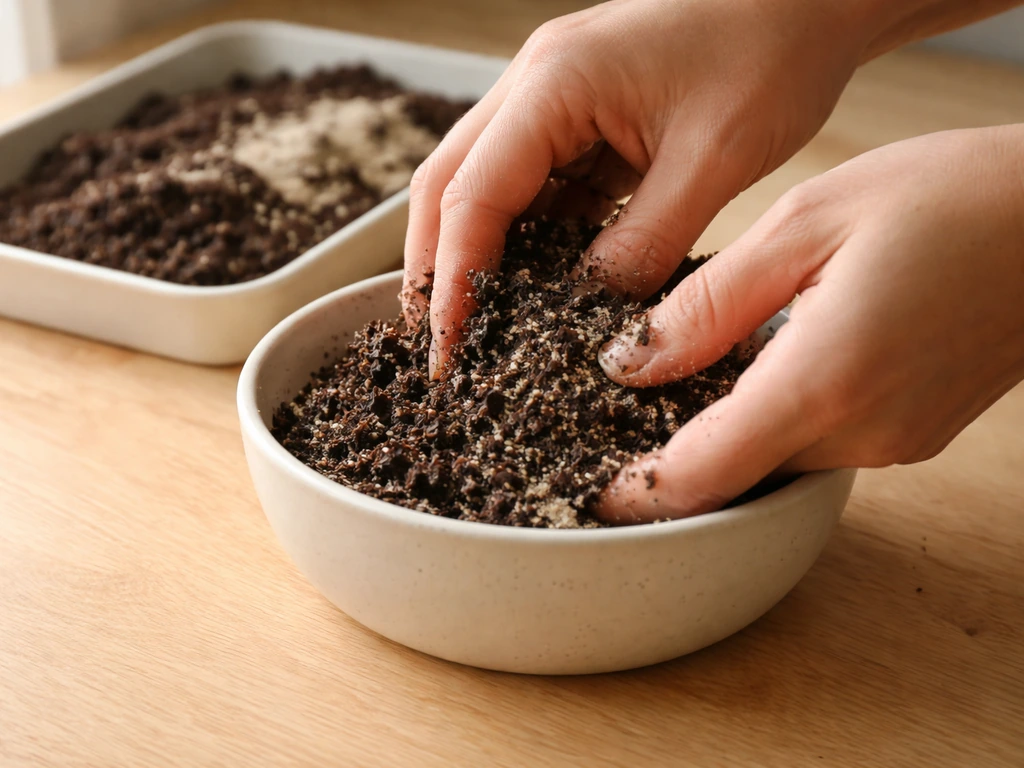
Carnivorous plants evolved in nutrient-poor, acidic soil. Regular potting mix, compost, or anything with fertilizer will kill them. Their roots can't handle nutrients the way normal houseplants can. Stick to one of these two proven mixes depending on the plant:
- Venus flytraps and temperate sundews: 1 part Canadian sphagnum peat moss to 1 part horticultural (not builder's) sand, or 4 parts peat to 1 part perlite. Both work well.
- Nepenthes: A chunkier mix drains better, so use long-fiber sphagnum moss on its own, or a mix of peat, perlite, and orchid bark in roughly equal parts.
- Pinguicula: A lean mix of peat and perlite (1:1) or even straight perlite works. These plants actually prefer something close to mineral soil.
- Drosera (Cape sundew and subtropical types): Standard peat and perlite or peat and sand mix is fine.
Water: the single most important variable
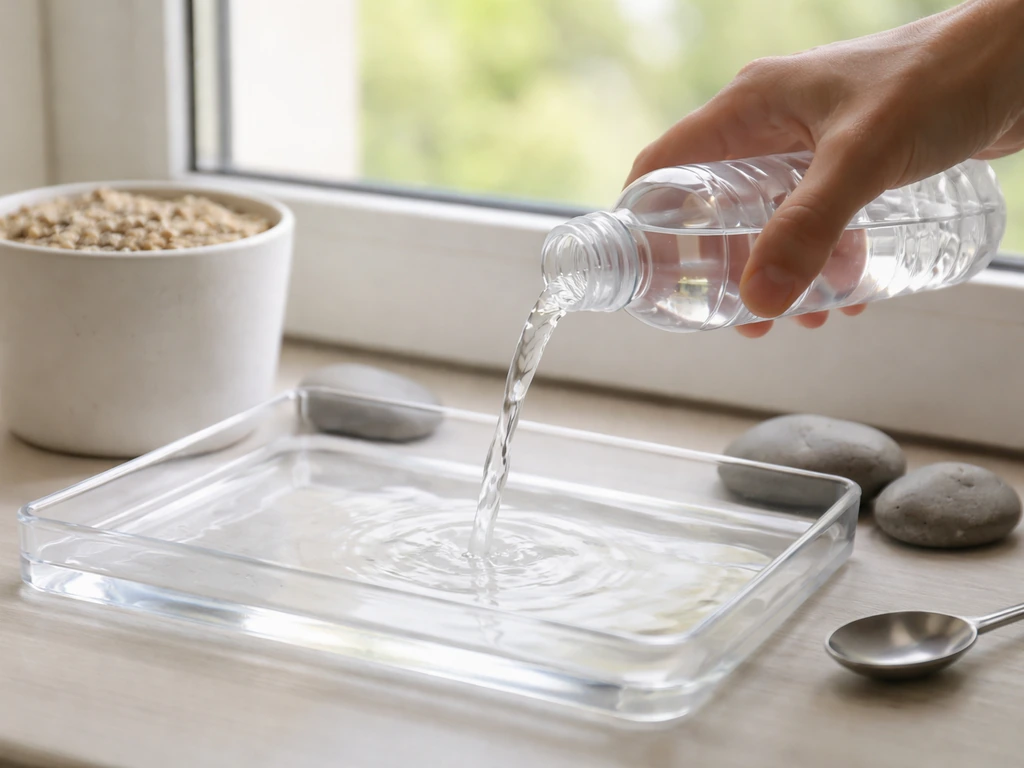
Using the wrong water is the number one reason carnivorous plants die on windowsills. Tap water contains minerals and salts that accumulate in the soil over months and eventually poison the plant's roots. Mineral buildup can kill sundews within about six months of consistent tap water use. You need to use rain water, distilled water, or reverse osmosis water. Pitcherplant.com’s Nepenthes care sheet also advises using relatively clean water such as rain, distilled, or reverse osmosis water rain water, distilled water, or reverse osmosis water. That's it. No exceptions. Bottled spring water is also out because it contains dissolved minerals. A jug of distilled water from any grocery store costs about a dollar and lasts weeks for a small collection.
Most bog-dwelling carnivorous plants (flytraps, sundews, Sarracenia) are watered using the tray method: sit the pot in a shallow tray with about an inch of distilled water at all times. The soil wicks moisture up from the bottom, keeping the roots wet. Nepenthes are the exception. They prefer to be watered from the top and allowed to partially dry between waterings, more like a tropical houseplant. Pinguicula also prefer top watering and don't like sitting in water continuously.
Feeding: do they actually need bugs?
Indoors, your plants won't catch many insects on their own. That's fine. In decent light with good water, most carnivorous plants grow well without being fed regularly. But if you want to speed up growth or have a plant that looks pale, you can feed once a month. Use a live or freeze-dried bloodworm (sold for aquarium fish) placed in a trap. For Nepenthes, you can drop a few pellets into one of the pitchers. Don't use fertilizer in the soil, ever, and don't feed more than one trap at a time on a flytrap. Overfeeding causes traps to blacken and die.
Humidity, temperature, and seasonal needs
Most carnivorous plants that work well indoors aren't nearly as demanding about humidity as people assume, with one exception: Nepenthes. Lowland and intermediate Nepenthes prefer humidity above 50 percent, and they'll stop producing pitchers below that. A typical heated apartment in winter can drop to 30 to 40 percent humidity, which is a problem. Running a small humidifier nearby or grouping plants together helps. Alternatively, you can grow Nepenthes in a glass-fronted cabinet or a repurposed fish tank to trap moisture.
Temperature-wise, tropical species are easy: Nepenthes and subtropical sundews are happy at typical room temperature (65 to 80 degrees Fahrenheit). Pinguicula from Mexico prefer similar ranges. Venus flytraps and temperate sundews need cooler conditions in winter (more on that below), but during their growing season they're fine at normal room temperatures. Don't place any carnivorous plant near a heating or air conditioning vent. The dry blasting air is hard on them regardless of species.
Choosing pots, containers, and airflow
Plastic pots are almost universally recommended over terracotta for carnivorous plants. Terracotta is porous and leaches minerals into the soil over time, which defeats the purpose of using pure water and mineral-free mix. A simple white or translucent plastic pot works well. For bog plants using the tray method, a 3 to 4 inch plastic pot in a matching plastic tray is the standard setup.
Airflow matters more than most beginners realize. Stagnant air is the main driver of mold and fungal issues, especially in high-humidity setups for Nepenthes. If you're growing in a terrarium or enclosed cabinet, run a small USB fan inside on low to keep air moving. Even just cracking the lid of a tank a few inches helps enormously. For plants on a windowsill, this usually isn't an issue as long as you're not crowding them against walls or surfaces where moisture can pool.
Avoid deep pots for most carnivorous plants. Their root systems are not extensive. A 3 to 4 inch pot is fine for a flytrap or sundew. Nepenthes can go into a 6 inch pot once established. Deeper pots hold more soil, which stays wetter longer at the bottom and can lead to root rot in species that don't like constant saturation.
Care schedule and troubleshooting (when plants struggle)
Basic care routine
- Check the water tray every 2 to 3 days during summer and top it up with distilled water as needed. In winter, reduce the tray depth slightly as growth slows.
- Once a month during the growing season (spring through early fall), offer one trap a small feeding if the plant looks pale or isn't catching anything.
- Remove dead or blackened traps by cutting them at the base with clean scissors. This is normal senescence and doesn't indicate a sick plant.
- Repot every 1 to 2 years, ideally in late winter before the growing season begins, refreshing the soil mix.
Diagnosing common problems
| Symptom | Likely Cause | Fix |
|---|---|---|
| Traps turning black after closing | Overstimulation, overfeeding, or natural senescence | Stop feeding for 6 to 8 weeks; only trigger traps with real food |
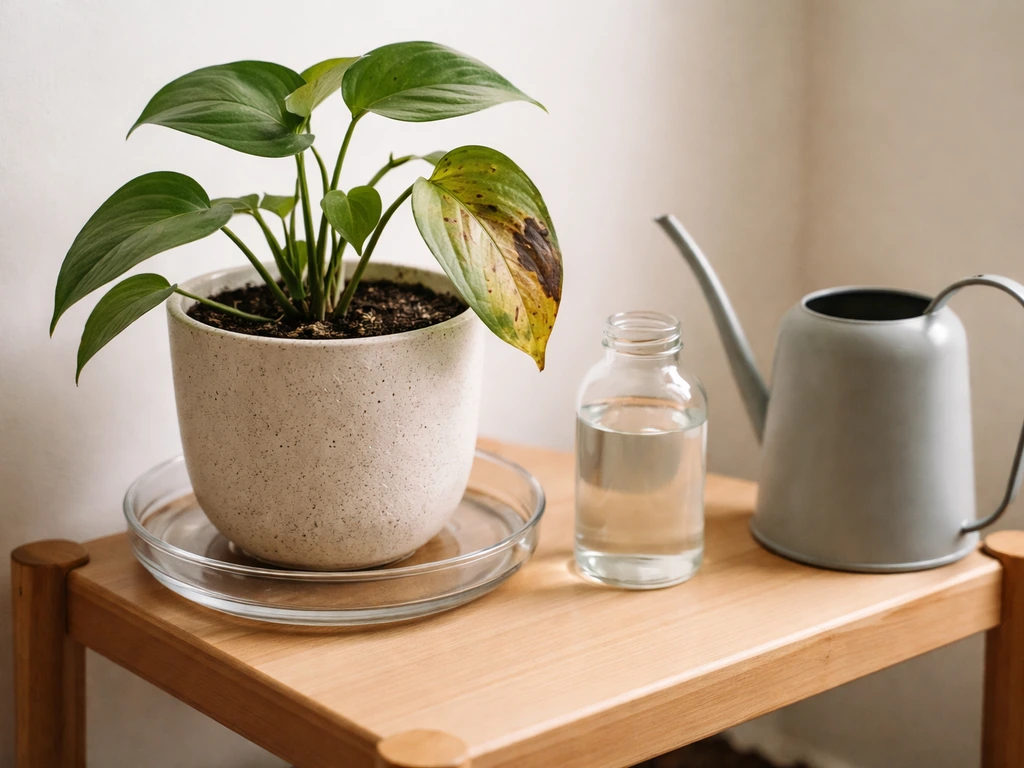
| Yellowing leaves across the whole plant | Tap water mineral buildup or too little light | Switch to distilled water; move to brighter spot or add grow light |
| No new traps forming (leggy growth) | Insufficient light | Add a grow light or move to south-facing window |
| White powdery coating or mold on soil | Poor airflow and excess moisture | Add a small fan; remove affected material; reduce tray water level |
| Plant looks healthy but pitchers stay empty (Nepenthes) | Low humidity | Increase humidity above 50%; mist once daily |
| Sundew dew droplets disappearing | Low humidity or too much direct heat through glass | Increase humidity; filter harsh afternoon sun |
Overwintering and dormancy indoors (when needed)
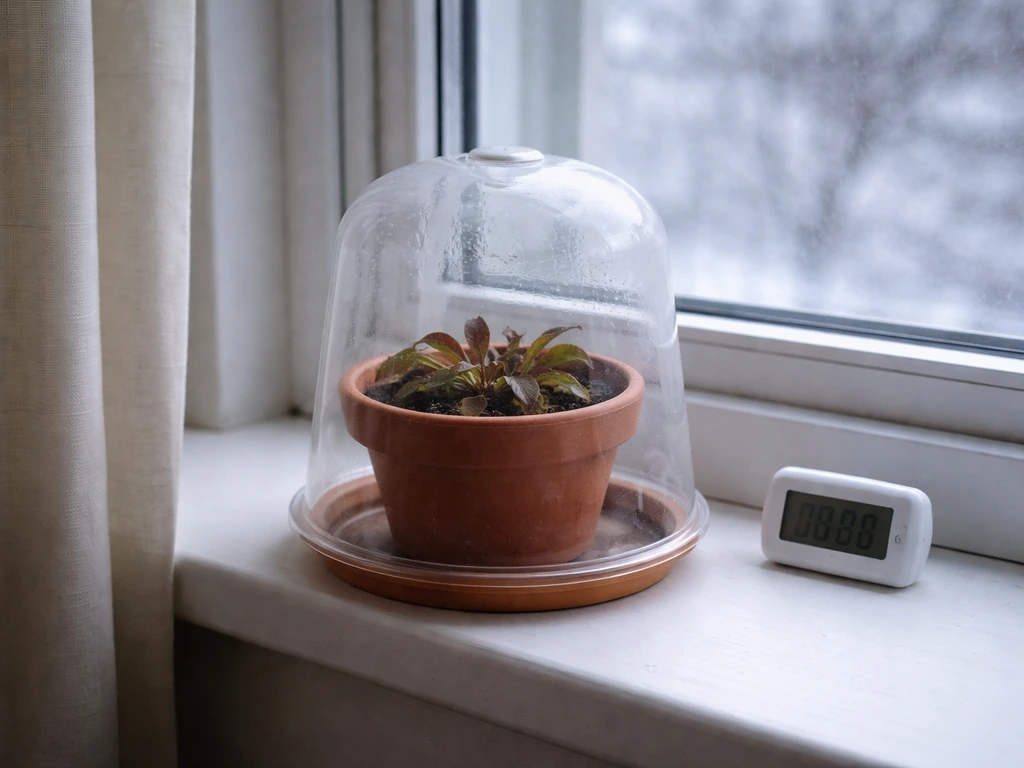
This is the section most beginners skip, and it's why their Venus flytrap is dead by February. Some carnivorous plants evolved in climates with cold winters and need a true dormancy period to survive long-term. Skipping dormancy doesn't just stress the plant, it eventually kills it, usually within one to three years.
Venus flytraps need dormancy from roughly November through February. During this period the plant dies back significantly, the traps go limp, and growth stops. This is normal and not a sign the plant is dying. To replicate dormancy indoors, move the flytrap to a cool location (35 to 50 degrees Fahrenheit) with reduced but not zero light. An unheated garage, a cold basement, or even the bottom shelf of a refrigerator (in a ventilated bag with slightly moist peat) works. Keep the soil barely moist, not saturated. In late February or early March, bring it back to light and warmth and resume normal watering.
Temperate sundews like Drosera filiformis also need a cool rest period and will form small resting buds called hibernacula in fall. Treat them similarly to flytraps. Cape sundews (Drosera capensis) and other subtropical sundews do not need dormancy and will grow year-round on your windowsill, which makes them especially practical for apartment growers. Tropical Nepenthes and Mexican Pinguicula also skip dormancy entirely. The species that need dormancy most urgently are the ones that are already toughest to grow indoors (flytraps, Sarracenia, temperate sundews), which is another reason beginners are better off starting with the no-dormancy tropical options.
Sources of plants and common purchasing mistakes
Where you buy a carnivorous plant matters a lot. The flytraps sold in grocery stores, hardware stores, and big-box garden centers are often already stressed, grown in the wrong soil, and sometimes treated with fertilizers that begin killing them slowly before you even get them home. They're also frequently labeled wrong, which leads to giving a tropical plant a cold dormancy it doesn't need, or vice versa.
The better options are specialist carnivorous plant nurseries (California Carnivores and similar operations ship nationwide and are very reliable), reputable online sellers on platforms like Etsy from growers who specialize in carnivorous plants, or local carnivorous plant society sales. These sources sell properly grown specimens in the right soil, labeled correctly, and usually acclimated to indoor conditions. They cost a bit more than a grocery store flytrap, but you're not throwing money away.
Mistakes to avoid when buying
- Don't buy a plant in regular potting soil and assume you can just leave it. Repot into a proper carnivorous plant mix within a week of bringing it home.
- Don't choose a plant based solely on how dramatic it looks in the store. A Sarracenia with tall dramatic pitchers is beautiful but genuinely hard to keep indoors. A small Cape sundew is far more likely to be thriving in a year.
- Check that the roots and base are firm, not mushy. Mushy bases indicate rot, often from overwatering with the wrong water.
- Ask or research whether the specific species needs dormancy before you buy. This matters enormously for long-term success.
- Avoid any plant sold with fertilizer spikes or instructions to feed with diluted liquid fertilizer. This is wrong for carnivorous plants and signals a seller who doesn't know what they're stocking.
Once you've got a Nepenthes or Cape sundew settled on a bright windowsill with a jug of distilled water nearby, you'll wonder why everyone warns you off carnivorous plants indoors. Cape sundews and tropical Nepenthes are examples of carnivorous plants that can grow indoors under the right light and care carnivorous plants indoors. The bad reputation mostly comes from people buying the wrong species or making the water mistake. Get those two things right and you'll have plants that genuinely reward you with weird, fascinating growth that no other houseplant offers.
FAQ
Can I grow carnivorous plants indoors on a north-facing window without a grow light?
Usually no. North-facing light is too weak for most indoor carnivores, even for Cape sundew and Nepenthes. If you cannot use a grow light, pick a very bright south or west window, or place the plant within a few feet of the brightest window you have and monitor growth closely, slower growth is a sign the light is insufficient.
Which indoor carnivorous plant is the easiest if I travel or forget to water?
Cape sundew and some Nepenthes are the most forgiving. Cape sundew does best with consistent tray watering, so set it up with distilled water in a tray you can top up quickly. For Nepenthes, top watering with partial drying between waterings can tolerate occasional missed days better than tray bog plants, but it still needs distilled water.
Do carnivorous plants need to be fed insects indoors?
Not routinely. If lighting and water are correct, most will grow without feeding. If you do feed, do it sparingly, for flytraps limit feeding to one trap per month, and for Nepenthes only add a few pellets to one pitcher, overfeeding quickly leads to trap blackening.
What kind of water is safe, and how do I avoid mineral buildup?
Use rain water, distilled water, or reverse osmosis water only. If you see a crusty white ring on the soil or tray, that is a mineral residue sign and you should flush and replace parts of the setup. Bottled spring water is not appropriate because it still contains dissolved minerals.
How do I keep tray-watered bog plants from rotting or growing mold indoors?
Use shallow trays and keep the water at about the stated level, do not leave the pot sitting in deeper water. Also provide airflow, a small fan in a cabinet or terrarium prevents stagnant, humid air that fuels fungal issues, and avoid crowding plants where moisture can pool.
Are plastic pots really necessary, can I use terracotta if I’m careful?
Plastic is strongly preferred because terracotta can leach minerals that defeat the purpose of mineral-free water and nutrient-poor mix. If you use terracotta, you increase the risk of gradual decline from salts, so it is better to stick with plastic to reduce variables.
How deep should pots be for indoor carnivorous plants?
For most sundews and flytraps, use a shallow 3 to 4 inch pot. Nepenthes can use a bit more depth once established, around 6 inches, but deep pots increase the chance of staying too wet at the bottom and causing root rot in species that dislike constant saturation.
Do I need a dormancy period for all carnivorous plants grown indoors?
No. Tropical Nepenthes and Mexican Pinguicula typically do not need dormancy and can be grown year-round indoors. Venus flytraps do need a true cold dormancy window, and temperate sundews have a similar rest period, skipping dormancy is a common reason indoor flytraps decline over time.
What humidity level is acceptable for indoor carnivorous plants?
Most indoor carnivores tolerate average home humidity, but lowland and intermediate Nepenthes prefer above 50 percent. If your apartment runs 30 to 40 percent in winter, use a humidifier near the plant or increase humidity in a glass-fronted cabinet, fish tank, or enclosure with airflow.
Is it normal if my Venus flytrap’s traps die back in winter indoors?
Yes during dormancy. The plant’s traps go limp and growth slows significantly, that is not the same as failure. Make sure the dormancy location is cool enough, roughly 35 to 50 degrees Fahrenheit, and keep soil barely moist rather than saturated.
How do I choose between Nepenthes and Cape sundew for an apartment?
Choose Nepenthes if you can provide consistent brightness and can manage humidity, it often needs higher humidity in winter to keep pitchers coming. Choose Cape sundew if you want a simpler setup, it is usually more forgiving with humidity and supports easy windowsill growing when light is adequate.
What are common “indoor carnivore” mistakes that cause slow decline rather than immediate death?
The most frequent are mineral water buildup, using fertilizer or nutrient-rich potting mix, and insufficient light. These issues often show up gradually as pale growth, weak traps, or reduced pitcher production, even when you think you are watering regularly. Recheck water source and lighting before assuming the plant is failing naturally.