Yes, you can absolutely grow tropical plants indoors, and quite a few of them will genuinely thrive in a typical home with no greenhouse, no grow lights, and no special setup. The key is picking species that actually match your light situation and being honest about the humidity in your space. Most beginners fail not because they chose tropical plants, but because they chose the wrong tropical plant for their specific window. If you want to expand past classic tropicals, there are also wild plants you can grow indoors with the right light and watering routine.
Tropical Plants You Can Grow Indoors: Best Picks and Care
James Hartwell
18 May 2026
Can you grow tropical plants indoors (and when it actually works)
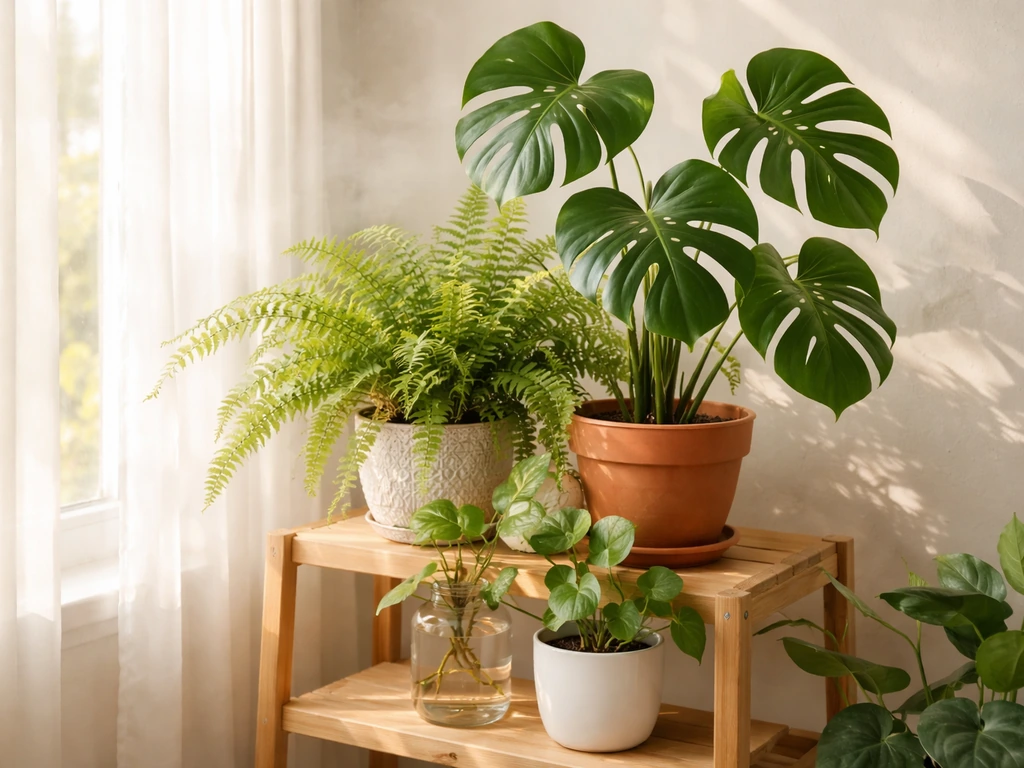
Tropical plants evolved in warm, humid, often low-light forest environments, which actually works in your favor indoors. They're not trying to survive a frost or a dry prairie. What they do need is consistent warmth, reasonable humidity, and enough light to fuel growth. In a typical home kept between 65 and 75°F during the day, you're already hitting the sweet spot for most tropical species. The challenge is winter: indoor heating tanks humidity levels, and some rooms barely get 4 to 5 hours of indirect light. The University of New Hampshire Extension notes that in typical heated indoor homes, humidity can become very low in winter, which can negatively affect humidity-loving tropical plants tanks humidity levels, and some rooms barely get 4 to 5 hours of indirect light. That's where plant selection becomes everything.
The species that succeed indoors year-round are generally ones that tolerate lower light than they'd see in the wild, handle inconsistent watering without sulking too badly, and don't demand jungle-level humidity to stay healthy. Plants like monsteras, pothos, peace lilies, and snake plants have earned their houseplant status by being genuinely forgiving. More dramatic tropicals, like bird of paradise or certain orchids, can work indoors too, but they need a specific setup and a window that delivers.
How to choose the best tropical houseplants for your home
Before you buy anything, walk through your space and look at your windows. Which direction do they face? How many hours of direct or bright indirect light do you actually get? This single factor will eliminate or greenlight more plant choices than anything else. A north-facing apartment is a different world from a south-facing room with floor-to-ceiling windows.
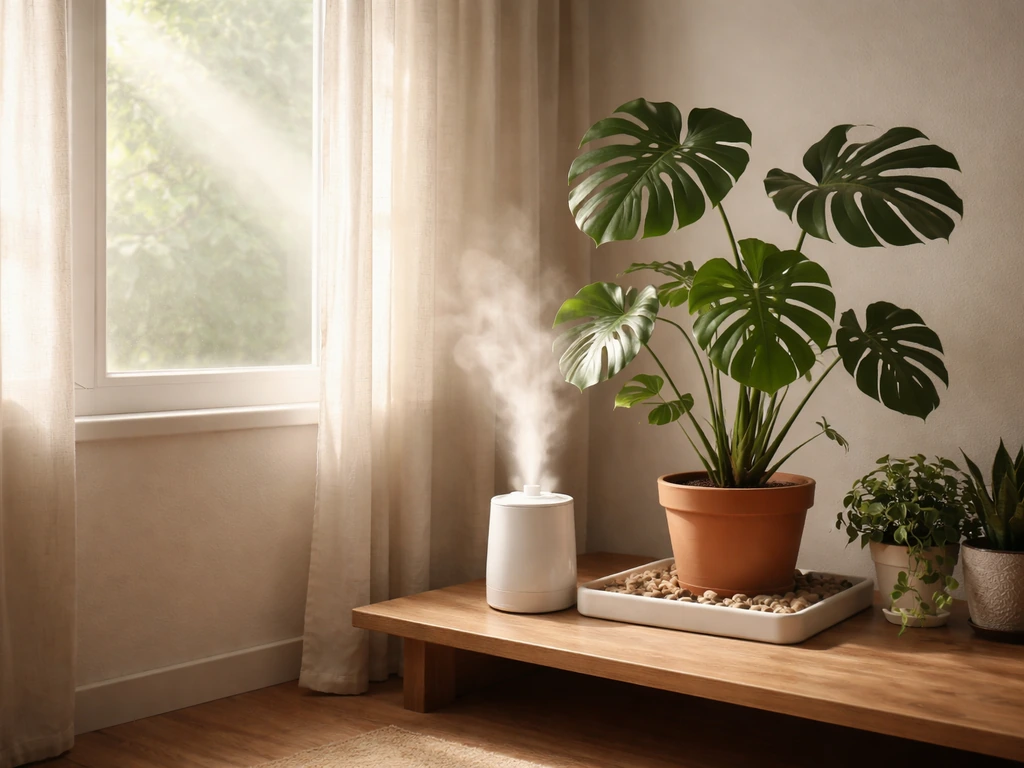
The second thing to think about is humidity. Do you run heat heavily in winter? Do you live in a naturally dry climate? If your home regularly dips below 40% relative humidity in the colder months (and many do), plants like ferns, calatheas, and some orchids will struggle without intervention. If you're not willing to mist, use a pebble tray, or run a small humidifier, you should lean toward tropical plants that are more tolerant of dry air. That's not a failure, it's just smart plant selection.
Finally, think about your watering habits honestly. Some tropical houseplants want evenly moist soil, while others want to dry out significantly between waterings. If you tend to forget plants for two weeks at a time, that actually steers you toward a great lineup of low-maintenance tropicals that can take it.
Light requirements and where to place them
Light is the one resource you cannot supplement without putting in real effort or spending money on grow lights. So matching a plant to the light you actually have is the most important placement decision you'll make. Here's how to think about it by window direction.
| Window Direction | Light Quality | Best Tropical Plants for That Spot |
|---|---|---|
| South-facing | Bright direct to bright indirect all day | Bird of paradise, croton, hibiscus, citrus, monstera |
| East-facing | Gentle morning sun, indirect rest of day | Peace lily, pothos, philodendron, calathea, begonia |
| West-facing | Bright afternoon sun | Monstera, snake plant, spider plant, rubber plant |
| North-facing | Low, indirect light only | Pothos, ZZ plant, snake plant, cast iron plant, dracaena |
Distance from the window matters more than most people realize. A plant sitting 6 feet from a south-facing window is receiving dramatically less light than one sitting right on the sill. If your space is darker, don't try to force a high-light tropical to adapt. Pick a shade-tolerant species and let it actually flourish rather than slowly decline in the wrong spot.
Easy-care picks: best tropical plants for beginners
If you're just starting out with tropical houseplants, start with species that have a built-in tolerance for the most common indoor mistakes: inconsistent watering, low humidity in winter, and not-quite-enough light. These plants will build your confidence and teach you what healthy tropical growth actually looks like before you move on to more demanding species.
- Pothos (Epipremnum aureum): Handles low light, irregular watering, and dry air better than almost any other tropical. Trails or climbs. Nearly impossible to kill.
- Snake plant (Dracaena trifasciata): Tolerates low light and drought. Perfect for rooms with minimal natural light. Great for beginners who underwater or forget.
- Monstera deliciosa: Fast grower in bright indirect light. Tolerates some neglect and low humidity. Big visual impact for a relatively easy plant.
- Peace lily (Spathiphyllum): One of the best low-to-medium light tropicals that also flowers indoors. It will dramatically droop when thirsty, which tells you exactly when to water.
- ZZ plant (Zamioculcas zamiifolia): Stores water in its rhizomes, making it extremely drought-tolerant. Handles low light well and grows slowly but steadily.
- Spider plant (Chlorophytum comosum): Adaptable to a wide range of light conditions, forgiving with water, and produces cascading offshoots that are easy to propagate.
- Rubber plant (Ficus elastica): Bold, glossy leaves and a more dramatic look than the basic picks above, but still tolerant of indoor conditions with decent indirect light.
Plant-by-plant growing basics
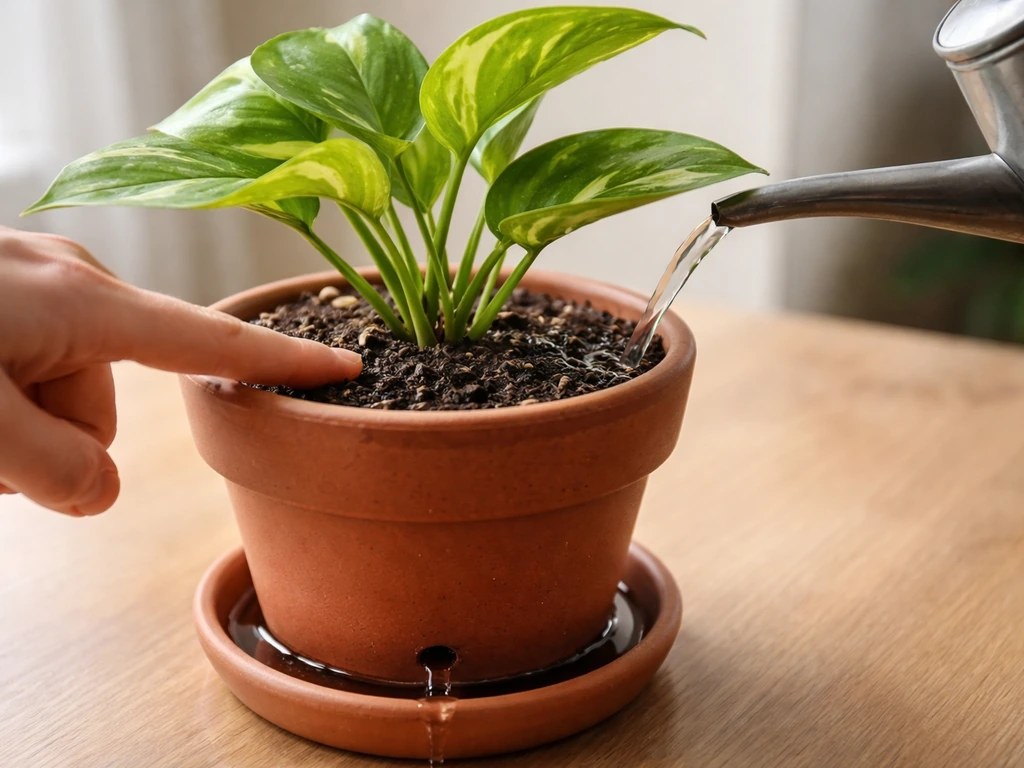
Once you've picked your plants, the care details make the difference between a plant that survives and one that actually grows. Here's what you need to know for the most popular indoor tropicals.
Pothos
Water when the top 1 to 2 inches of soil are dry. It tolerates low humidity and temperature swings between about 60 and 80°F. Use a standard well-draining potting mix. No special soil needed. Feed monthly in spring and summer with a balanced liquid fertilizer.
Monstera deliciosa
Water when the top 2 inches of soil dry out. Prefers humidity above 50% but tolerates lower. Thrives in temperatures between 65 and 85°F. Use a chunky, well-draining mix with perlite added. A moss pole or trellis will encourage larger, more fenestrated leaves.
Snake plant
Water very sparingly: once every 2 to 4 weeks in winter, slightly more in summer. Overwatering is its main enemy. Tolerates temperatures as low as 55°F but prefers 60 to 75°F. Use a fast-draining cactus or succulent mix. Humidity is not a concern for this plant.
Peace lily
Keep soil consistently moist but not waterlogged. Prefers humidity above 50% and temperatures between 65 and 80°F. A standard potting mix works well. This plant will produce flowers indoors in low to medium light, which is rare and worth noting.
Calathea and Maranta (prayer plants)
These are the drama queens of indoor tropicals. They want consistent moisture, humidity above 50 to 60%, and temperatures between 65 and 80°F. Use filtered or distilled water if your tap water is heavily chlorinated. A well-draining but moisture-retentive mix works best. If you've got a naturally humid bathroom with decent indirect light, put your calathea there.
Bird of paradise (Strelitzia reginae)
This one needs a south or west-facing window with several hours of direct sun to stay truly healthy indoors. Water deeply then allow the top few inches to dry before watering again. Prefers temperatures of 65 to 85°F and moderate humidity. It rarely flowers indoors but grows into an impressive foliage statement plant. Don't expect fast results, it's a slow grower inside.
Rubber plant (Ficus elastica)
Water when the top inch or two of soil is dry. Prefers bright indirect light but tolerates medium light. Temperatures between 60 and 80°F suit it well. Use a well-draining standard potting mix. Wipe the large leaves occasionally to remove dust, which can block light absorption.
ZZ plant
Water sparingly: every 2 to 3 weeks is usually plenty, and even less in winter. Its rhizomes store water, so erring on the side of underwatering is much safer than overwatering. Tolerates temperatures between 60 and 75°F and is unfazed by low indoor humidity. A well-draining mix with perlite is ideal.
Common problems and how to fix them
Most indoor tropical plants fail for the same handful of reasons. Here are the ones I see most often and what to actually do about them.
Yellow leaves
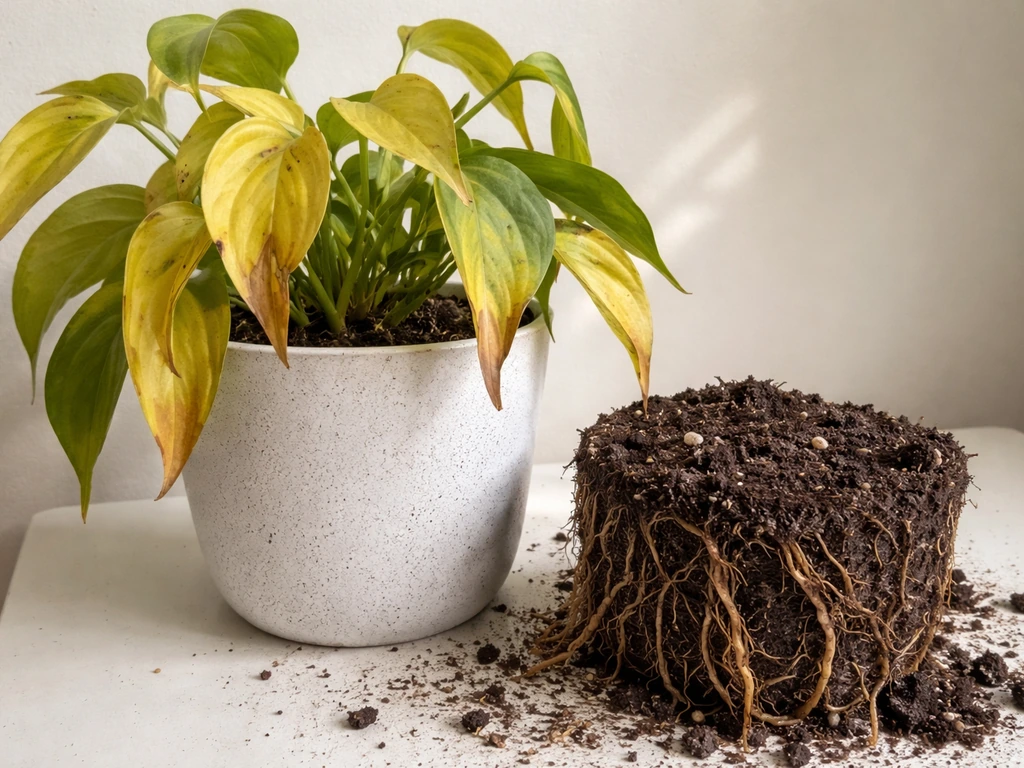
Yellowing is almost always a watering issue, and usually overwatering rather than underwatering. Check the roots: if they're mushy or brown, you've been watering too frequently or your soil isn't draining properly. Let the soil dry more between waterings and make sure your pot has drainage holes. If the soil is bone dry and the plant is also yellowing, you've swung too far the other way. Yellow leaves can also mean the plant is sitting in too little light, especially if the yellowing is slow and the plant looks generally leggy or stretched.
Brown leaf edges and tips
Crispy brown edges almost always point to low humidity, especially in winter when indoor heating drops relative humidity significantly. Penn State Extension notes that most houseplants benefit from humidity higher than typical winter indoor air, though the optimal level varies by plant low humidity, especially in winter. This is extremely common in centrally heated homes. The fix is increasing humidity around the plant: group plants together (they create a small humidity microclimate), set pots on a tray of water and pebbles (keeping the pot above the waterline), or run a small humidifier nearby. Misting helps temporarily but doesn't provide sustained humidity. Brown tips can also come from fluoride in tap water, particularly on plants like spider plants and dracaenas. Switching to filtered or rainwater often helps.
Slow or stopped growth
Some slowdown in winter is completely normal for tropical houseplants, even indoors. They sense the shorter days and lower light and naturally slow down. If a plant is barely growing during spring and summer, it's usually a light problem. Move it closer to a window or to a brighter room. The second culprit is a pot-bound root system: if roots are circling the bottom of the pot or growing out of drainage holes, it's time to size up to a pot 1 to 2 inches larger in diameter.
Common pests on indoor tropicals
The pests you're most likely to encounter on indoor tropical plants are fungus gnats, spider mites, mealybugs, and scale. Fungus gnats live in moist soil and their larvae damage roots. Let the soil dry out more between waterings to break their lifecycle. Spider mites show up as fine webbing under leaves, usually when air is hot and dry. Increase humidity and wipe leaves down with a damp cloth. Mealybugs look like small cotton tufts in leaf joints; remove them with a cotton swab dipped in rubbing alcohol. Scale insects appear as small brown bumps on stems; scrape them off manually and treat with neem oil or insecticidal soap. Check new plants carefully before bringing them home and quarantine them for a week or two before placing them near your existing collection.
What to do next
Start by assessing the light in your specific space, then choose one or two plants from the beginner list that match it. Get the right pot with drainage holes, use a well-draining potting mix, and place the plant in its ideal window spot before you even think about fertilizing or repotting. The first few weeks are mostly about getting light and watering dialed in. Once you see new growth, you'll know you've got it right.
If you want to explore beyond tropicals, there's a lot of overlap with what works indoors more broadly. Outdoor plants that adapt well to indoor life and fast-growing indoor plants share a lot of the same light and humidity logic covered here. Many of the fastest growers indoors can be chosen from shade-tolerant, fast-establishing houseplants once you match them to your light and humidity fast-growing indoor plants. If you're specifically looking for outdoor plants that can grow indoors, focus on species that tolerate lower light and can handle your home humidity levels. But for straight tropical impact, indoors and year-round, the species in this guide are where I'd start every time. If you're looking for plants you can grow inside year-round, these tropical picks are a great place to start tropical impact.
FAQ
Can I grow tropical plants in a terrarium or closed container indoors?
Yes, but only if you treat them like a light and humidity upgrade, not a “set and forget” change. Use a thermometer/hygrometer to confirm humidity stays in your target range (many tropicals want above 50%), and increase ventilation so leaves do not stay wet all day. If you rely on a closed terrarium without airflow, you can trade dry-air stress for fungus and root problems.
How do I know if my tap water is harming my tropical plants?
Tap water problems show up most when you get brown tips, crusty edges, or stalled growth even though watering and light seem correct. If your water has high chlorine or fluoride, switch to filtered or rainwater for a few weeks, then flush the soil by running water through the pot and letting it fully drain (do this only when the plant is due for watering, not while it is completely dry).
What’s the best way to move a tropical plant to a brighter window without shocking it?
Pick the lowest-light plant you can find, then move it gradually. Sudden relocation can cause leaf drop, especially for shade-tolerant tropicals placed into stronger sun. A good approach is to shift the plant a few feet closer over 1 to 2 weeks, and rotate the pot weekly so one side does not reach for light and become lopsided.
Should I repot tropical plants right after buying them?
Repotting before your light and watering are stable often backfires because you disturb roots and change how quickly soil dries. Wait until you see clear new growth or the roots are actively outgrowing the pot. If you do repot, step up only 1 to 2 inches in diameter, keep the same soil type you have been using, and do not fertilize for about 2 to 4 weeks after potting.
How can I tell whether my tropical plant is getting enough light, not just surviving?
Not necessarily. Some tropicals can handle medium light, but they usually look “healthy” by slowing down rather than thriving. If you are seeing long gaps between new leaves, small leaves, or pale color, it is often a light shortage even when the plant is surviving. Try measuring your placement with a quick routine (observe how many hours it receives bright indirect light), then adjust distance before changing fertilizer or watering.
Are bathrooms a good location for tropical plants, and what can go wrong?
For high-humidity lovers, yes, bathroom placement can be ideal, but only if there is real indirect light. A very dark bathroom will still cause decline, even with humidity. Aim for bright indirect light, keep the plant away from direct spray from showers, and be consistent with watering so it does not sit in excess moisture on cooler days.
Does misting actually work for tropical plants, or is it a waste of time?
Misting can help temporarily, but it usually does not raise overall humidity long enough for most tropicals. If you are using it, mist early in the day and only as a supplement, then rely on a humidifier, pebble tray setup, or grouping plants to create a steadier microclimate. Also misting can spread residue or encourage fungal issues if leaves stay damp overnight.
Should I use a saucer or tray under my tropical plants, and how do I prevent waterlogging?
If your plant is in a pot with drainage holes and you are watering correctly, you should still be careful with how fast water runs out. A tray that stays full can keep the bottom of the pot wet, which leads to root stress. Empty the tray after 10 to 20 minutes, especially in winter or low-light seasons when soil dries slowly.
What’s the fastest way to stop fungus gnats on indoor tropical plants?
Fungus gnats are a soil-moisture issue more than a plant-disease issue. Let the top layers dry more between waterings, avoid watering on a strict calendar, and remove standing water in trays. If you keep seeing adults after adjusting moisture, consider sticky traps for monitoring, and refresh the top inch of soil if the problem keeps returning.
Can I fertilize tropical plants in winter if they are not growing much?
Yes, but do it strategically. If the plant is staying wet too long in winter, it will be easier to manage light by moving it closer first and adjusting watering based on the top 1 to 2 inches drying. Use the same “dryness depth” checks you already use for that plant type, then only fertilize when it is actively growing (usually spring through summer) because overfeeding during slow growth can contribute to salt buildup and root stress.