Plants that thrive indoors share a handful of concrete traits: they tolerate lower light than the sun-drenched outdoors, stay compact enough to fit in a room, handle the irregular watering patterns most people actually manage, and cope with the warm, dry, draft-prone air inside a typical home. Match those traits to your specific conditions and you'll grow almost anything successfully. Ignore them and even the supposedly "easy" plants will struggle within weeks.
What Characteristics Allow Plants to Grow Indoors Well
James Hartwell
11 May 2026
The core traits that make a plant indoor-friendly
Not every plant is cut out for life inside four walls, and the differences come down to three big traits: how they use light, how they're built, and how they handle water.
Light tolerance
The single biggest filter for indoor success is light tolerance. Most homes deliver somewhere between 25 and 500 foot-candles (FC) of natural light, depending on window direction and how far from the glass you place a plant. Penn State Extension also notes that foot-candle is a commonly used way to measure indoor houseplant light levels, and provides an example of snake plant light needs as low as about 25 foot-candles (mid-morning) foot-candles (FC) of natural light. Plants adapted to forest floors or shaded tropical understories have evolved to photosynthesize efficiently at those levels. Think ZZ plants, snake plants, and pothos at the low end (25–100 FC), or Chinese evergreens, rubber plants, and African violets in the medium-bright range (100–500 FC). Plants that need full sun outdoors, like most herbs, citrus, or succulents, are asking for well over 500 FC and will slowly decline in a dim apartment no matter how much you care for them.
Growth habit
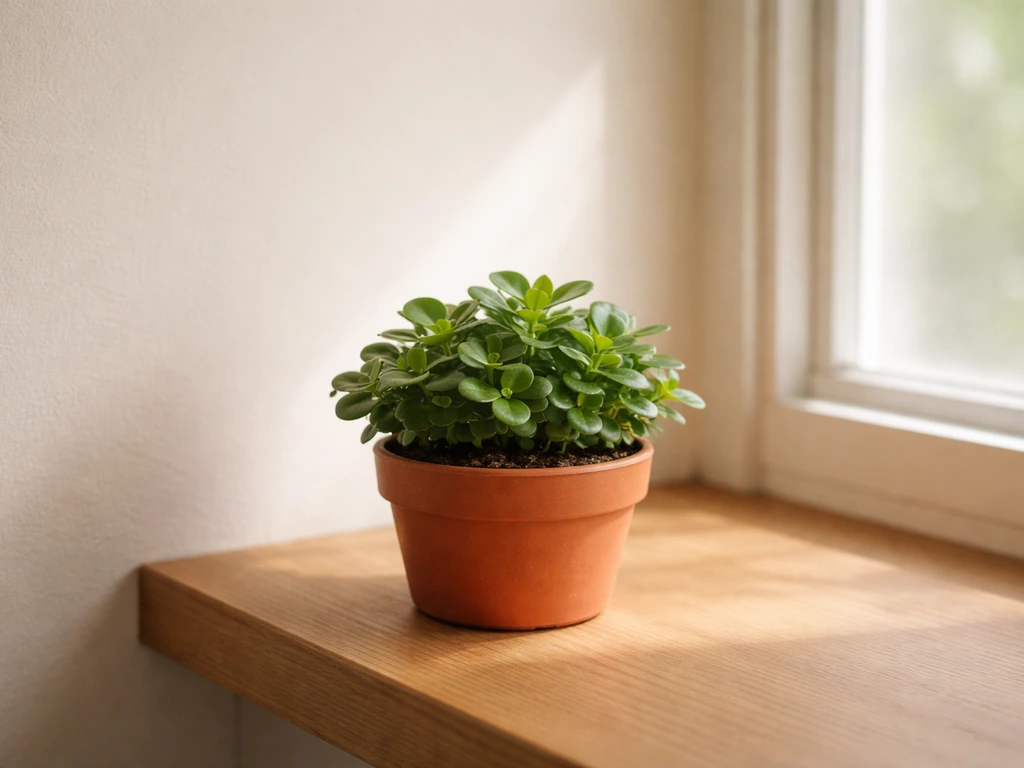
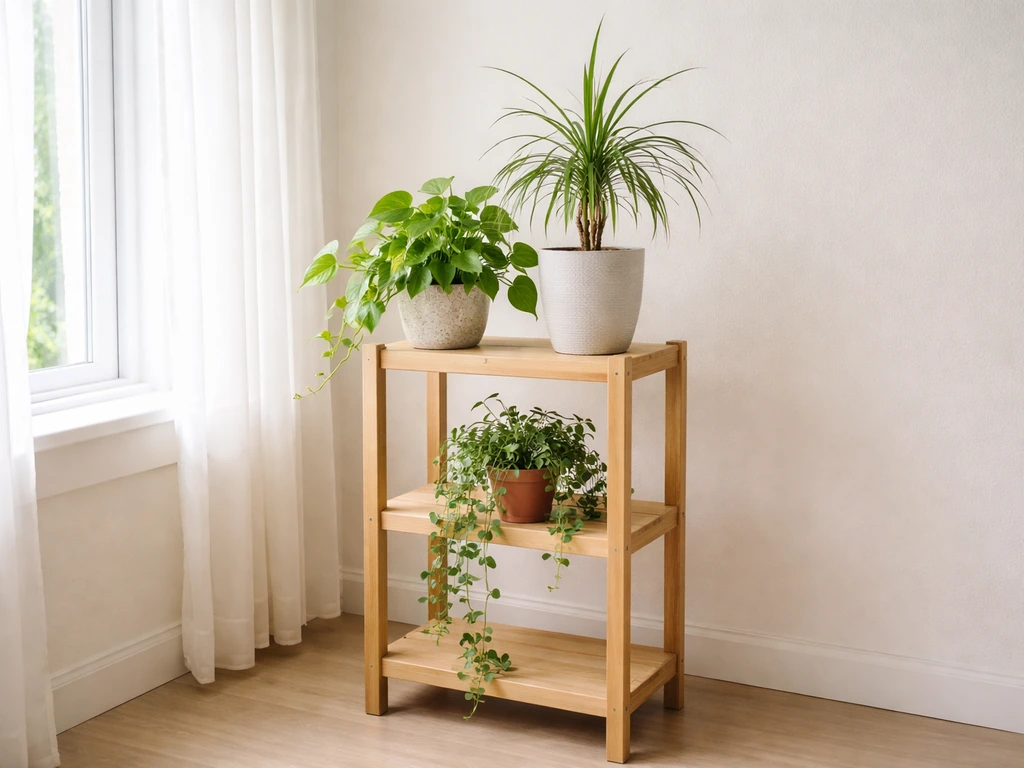
Compact, slow-growing plants are naturally better suited to indoor life. A plant that reaches 8 feet tall and spreads 6 feet wide outdoors is going to be a constant management project inside. Plants with naturally bushy, upright, or trailing habits tend to work best because they stay manageable without constant pruning. Vining plants like pothos or heartleaf philodendrons are great examples: they grow steadily but stay tidy on a shelf or in a hanging basket. Tall growers like fiddle-leaf figs can work too, but they need more space and are less forgiving of imperfect conditions.
Water needs and drought tolerance
Indoor watering is inconsistent by nature. You'll water on weekends, forget during a busy week, then overcompensate. Plants that do well indoors are typically tolerant of that rhythm. Succulents, ZZ plants, snake plants, and cast iron plants all store water or have low metabolic demands, so they forgive missed waterings. Plants with very high or very precise water needs, like ferns or some tropical flowers, are genuinely harder to keep alive unless you're committed to a strict schedule. Drought tolerance doesn't mean you never water, but it does mean the plant won't collapse the moment you miss a day.
Light requirements and matching plants to your windows
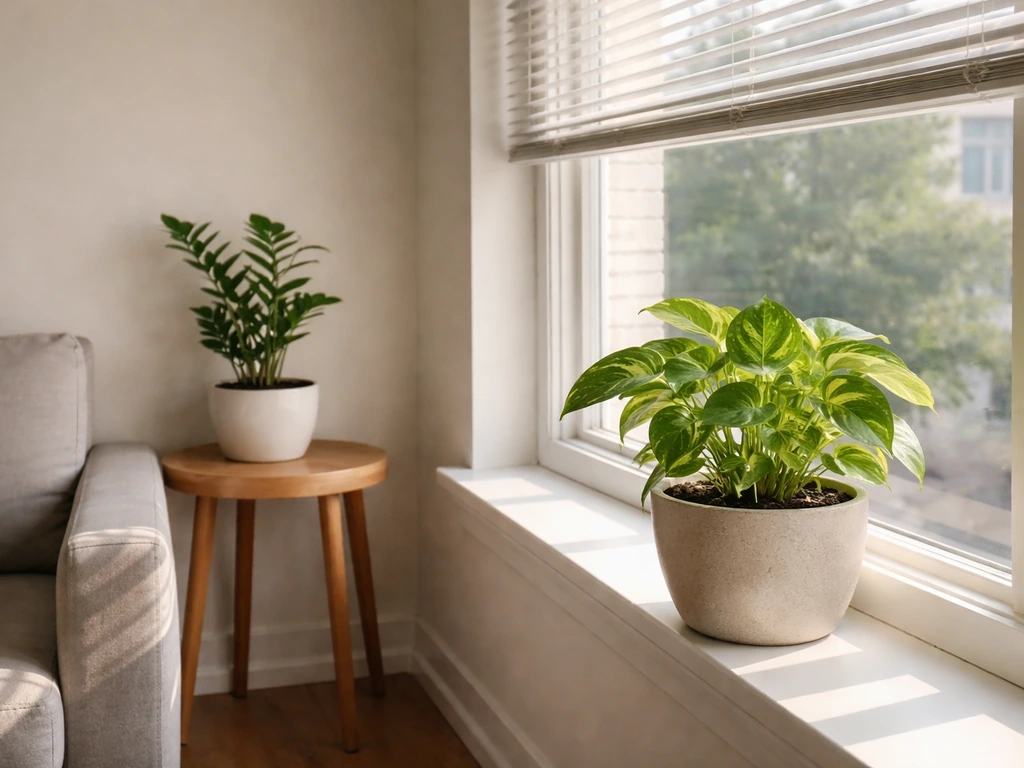
Your window direction is the most practical starting point when choosing plants. Here's how to think about it without needing a light meter.
| Window Direction | Light Level | Foot-Candle Range | Good Plant Matches |
|---|---|---|---|
| North-facing | Low | 25–100 FC | ZZ plant, snake plant, cast iron plant, pothos |
| East-facing | Medium | 100–500 FC | Philodendron, Chinese evergreen, peace lily |
| West-facing | Medium to bright | 100–500 FC | Rubber plant, African violet, spider plant |
| South-facing | Bright to high | 500+ FC | Succulents, herbs, citrus, fiddle-leaf fig |
Distance from the window matters almost as much as direction. Light drops off sharply as you move further into a room. A pothos sitting 6 feet from a north-facing window is living in near-darkness, even if it looks like a bright room to you. If you want to place a plant deeper in a room, stick to the lowest-light tolerators, or consider supplementing with a grow light. Grow lights have gotten genuinely affordable and effective, and they let apartment dwellers with no south-facing windows successfully grow herbs and even some fruiting plants.
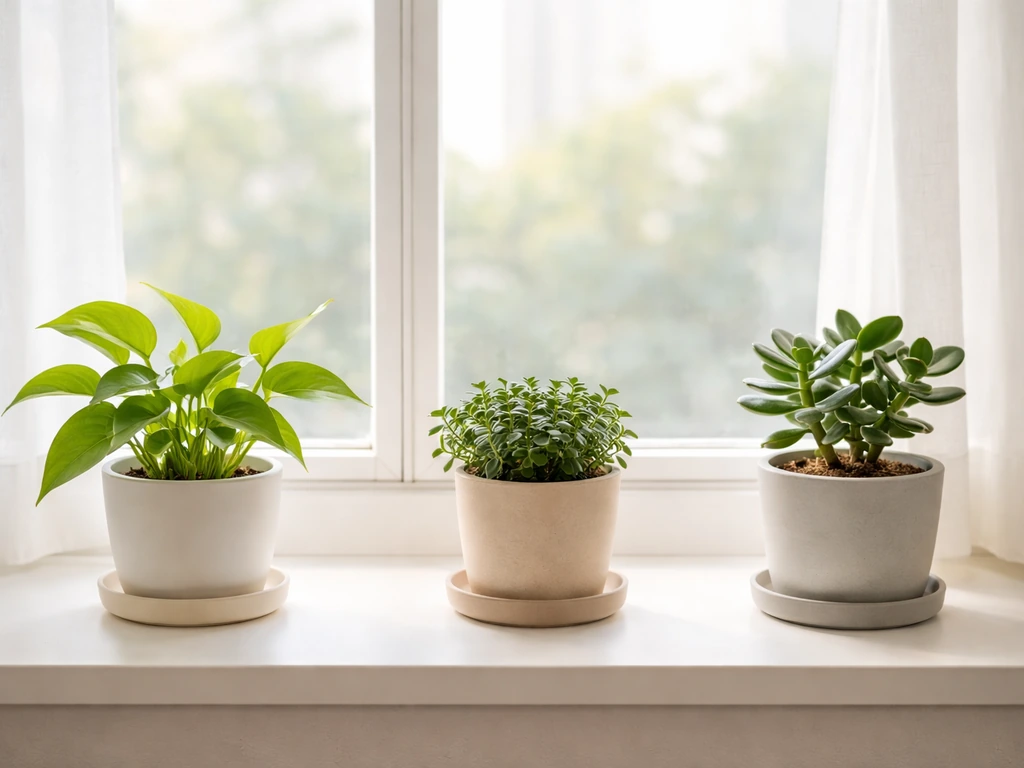
One more thing: direct sun through south-facing windows can scorch leaves on plants that are listed as "bright light" but aren't adapted to direct sun rays. There's a difference between bright indirect light and direct midday sun coming through glass. If you're putting plants in a south window, diffuse the light with a sheer curtain or keep the plant a foot or two back from the glass.
Temperature and humidity: the invisible growing conditions
Most homes sit between 65°F and 75°F during the day, which is actually a comfortable range for the majority of popular houseplants. A nighttime drop of around 10°F is normal and even beneficial for flowering plants. Where things go wrong is at the extremes: foliage plants generally prefer daytime temps of 70–80°F with nights around 60–68°F, while many flowering plants actually bloom better with cooler nights, ideally around 55–60°F. If your home runs warmer or cooler than these ranges for extended periods, it can stop growth entirely or cause leaf drop and a spindly, weakened appearance.
Drafts are a sneaky problem. Plants sitting near exterior doors, poorly sealed windows, or air conditioning vents experience sudden temperature swings that mimic cold damage. A tropical plant that's otherwise fine at 68°F can drop leaves and stall after being hit repeatedly by cold air blasts from a door opening in January. Move sensitive plants away from those spots.
Humidity is where most home environments fall short. Most plants prosper at a relative humidity of around 50–60%, but the average heated or air-conditioned home runs much drier than that, sometimes down to 20–30% in winter. Penn State Extension notes that ASHRAE guidance recommends indoor relative humidity between 30% and 60% for healthy conditions and discusses how that applies to houseplants Most plants prosper at a relative humidity of around 50–60%. Plants that evolved in humid tropical environments, like ferns, calatheas, and many orchids, will show brown leaf edges, curling, and poor growth in that dry indoor air. The fix isn't complicated: group plants together so they share transpired moisture, set pots on pebble trays with water, or run a small humidifier nearby. If you want to avoid the hassle entirely, lean toward plants adapted to drier conditions, like succulents, snake plants, ZZ plants, and most cacti.
Getting the soil, pot size, and watering right
There is no universal watering schedule, and anyone who gives you one is setting you up to fail. The right watering frequency depends on the pot size, the soil mix, the plant species, the season, and how warm and bright your home is. Warm, sunny spots dry out much faster than cool, shaded corners, so the same plant in two different locations in your house may need water at completely different intervals. The correct approach is to check the soil before you water: stick your finger an inch or two into the potting mix. If it's still moist, wait. If it's dry, water thoroughly until it drains freely from the bottom of the pot.
That drainage point is non-negotiable. A pot without drainage holes will drown almost any plant eventually. When you water, soak the soil fully until water runs out the drainage hole, then let the excess drain completely. Don't leave pots sitting in saucers of water because roots sitting in pooled water will rot. If you're using a decorative outer pot, just lift the inner nursery pot out, water it in the sink, let it drain, then set it back.
For soil, an all-purpose potting mix that contains perlite or vermiculite is a reliable starting point for most houseplants. These amendments improve drainage and aeration, which helps roots breathe and lowers the risk of the waterlogged conditions that cause rot. For succulents and cacti, use a dedicated cactus mix or add extra perlite to a standard mix. For orchids, use orchid bark, not regular potting soil. Matching the soil to the plant's drainage needs is just as important as matching light.
On pot size: bigger is not better. Oversized pots hold more soil, which holds more moisture, which stays wet longer between waterings. For most houseplants, a pot that's 1–2 inches wider in diameter than the root ball is ideal. Only size up when you see roots coming out of drainage holes or circling inside the pot.
Common indoor problems and how to head them off
Leggy, stretched growth
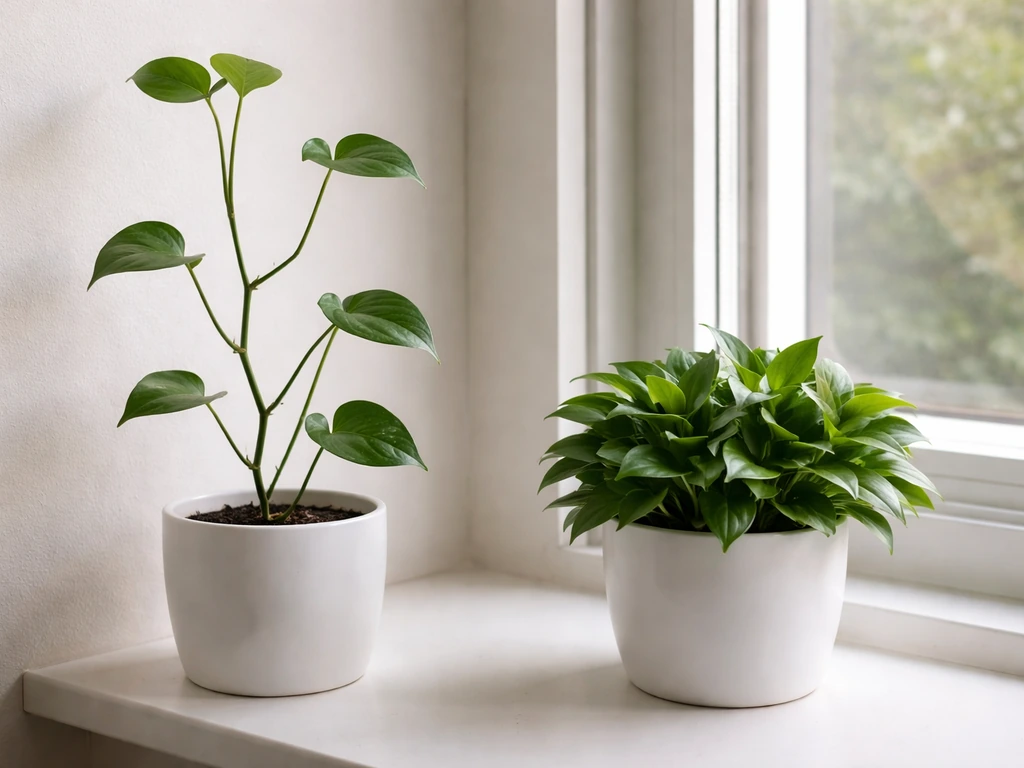
If your plant is producing long, weak stems with wide gaps between leaves, it's stretching toward more light. This is called etiolation, and it's the plant's response to insufficient light. The stem internodes elongate as the plant tries to reach a better light source. The fix is simple: move the plant closer to a window or add a grow light. Cutting back the leggy growth helps the plant look better, but unless you fix the light problem, it'll just grow leggy again.
Yellowing leaves
Yellow leaves are one of the most common indoor plant complaints, and they have several possible causes. Overwatering is the most frequent culprit: soggy soil starves roots of oxygen, causing yellowing and eventual leaf drop. But insufficient light can do the same thing, producing pale, yellow leaves on a plant that otherwise looks fine. The way to tell them apart: if the soil feels consistently wet and heavy, overwatering is likely. If the soil is fine but the plant is in a dim corner, light is the issue. Always check both before assuming one cause.
Root rot
Root rot is what happens when roots stay wet too long without adequate drainage or airflow. The roots literally die and begin to decompose, which cuts off the plant's ability to take up water and nutrients. By the time you see symptoms above soil, the damage is often already significant. Prevention is the best strategy: use well-draining soil, pots with drainage holes, and let the top inch or two of soil dry before watering again. If you suspect root rot, unpot the plant, cut away any black or mushy roots, let the remaining roots dry slightly, and repot in fresh dry mix.
Fungus gnats and other pests
Fungus gnats are tiny flies that lay eggs in moist soil. They're almost always a sign of overwatering or consistently wet soil near the surface. The adult gnats are mostly annoying, but their larvae can damage young roots. The cultural fix is the same as rot prevention: let the top layer of soil dry out between waterings. You can also inspect the soil in nursery pots before buying plants to avoid bringing infestations home. Mealybugs, spider mites, and scale are other common indoor pests that often appear on stressed plants. Caught early, insecticidal soap handles most of them. The key is inspecting plants regularly so you catch problems before they spread.
Your practical checklist before bringing any plant home
- Identify the light level at your intended placement spot (window direction, distance from glass, obstructions outside).
- Look up the plant's stated light requirement and compare it honestly to what you have.
- Check the plant's humidity preference. If it needs high humidity and your home is dry, factor in a pebble tray or humidifier, or choose a different plant.
- Confirm the plant's ideal temperature range matches your home's typical day and night temperatures.
- Make sure you have or can get a pot with drainage holes and an appropriate potting mix for that plant type.
- Check the watering cadence: is this a plant that wants consistently moist soil or one that prefers to dry out between waterings? Be honest with yourself about how often you'll actually check it.
- Inspect the plant at the nursery before buying: check under leaves and at soil level for pests, look for healthy root color if you can see through the drainage holes, and avoid plants with yellowing or leggy growth already.
- Quarantine new plants away from your existing collection for a week or two to catch any hitchhiking pests before they spread.
Verify requirements plant by plant before you buy
The most useful habit you can build as an indoor gardener is looking up the specific requirements of each plant before you bring it home, not after it starts failing. This site is set up exactly for that: individual plant profiles that tell you whether a specific herb, flower, shrub, or tree can actually thrive indoors, what light it needs, how it handles humidity and temperature, and where it tends to struggle. If you're looking for wild plants you can grow indoors, use those same profiles to confirm the light, watering, and humidity they need to thrive indoors. If you are specifically looking for outdoor plants that can grow indoors, the same approach works: check the plant's light, watering, and humidity needs before you buy. That plant-by-plant verification mindset is what separates people who consistently grow healthy indoor plants from people who rotate through a graveyard of struggling ones.
The general characteristics covered here, light tolerance, compact growth habit, drought tolerance, humidity and temperature preferences, are your filter. When you find a plant you want to grow, run it through that filter against your actual home conditions. If a match exists, you're set up for success. If there's a significant mismatch, either fix the condition (grow light, humidifier, different room) or choose a plant that fits what you already have. That honest assessment upfront saves a lot of frustration and money.
If you're just getting started, the easiest wins are plants that score well on almost every indoor trait: snake plants, ZZ plants, pothos, and heartleaf philodendrons are genuinely hard to kill, tolerate low to medium light, forgive inconsistent watering, and adapt to a wide range of humidity levels. Once you've built confidence with those, you can move up to plants with more specific needs, like tropical varieties, exotic species, or fast-growing indoor plants that reward more attentive care. Tropical plants you can grow indoors are a great next step if you can match their light, warmth, and humidity needs to your home. Many tropical favorites count as exotic plants you can grow indoors, but they still need you to match their light, water, and humidity preferences tropical varieties, exotic species. The characteristics are always the same filter. The plants just get more specific.
FAQ
How can I tell whether my plant is failing because of light or because of watering?
Use the soil first. If the potting mix stays consistently wet or heavy, focus on watering and drainage. If the soil dries reasonably between waterings but growth is slow, leaves are pale, or stems stretch, the issue is usually light, not water frequency.
Do indoor plants need “less water” than outdoor plants?
Not automatically. The key is how quickly the mix dries, which depends on light, temperature, pot size, and soil type. In low light rooms, plants often need much less, but in bright windows they may drink faster even indoors.
What characteristics matter most when my windows get direct sun through glass?
The critical factor is whether the plant tolerates direct rays. “Bright light” plants can scorch when exposed to intense midday sun. Diffuse with a sheer curtain or move the plant back 12 to 24 inches from the glass, then watch for leaf bleaching or crispy edges.
Can I grow plants deeper in a room without a grow light?
Only if you choose plants that tolerate low foot-candles and you keep their placement consistent. A plant that looks fine in photos can still be too dim if it is far from the window. If you want depth without risk, start with the lowest-light tolerant plants, or plan to add a grow light for reliability.
What plant traits help prevent root rot in typical indoor setups?
Look for species that tolerate drying, and pair them with fast-draining soil and pots with drainage holes. Also avoid oversized containers, because extra soil holds moisture longer and keeps roots wet beyond the point where oxygen is available.
If my plant is in a decorative cachepot, what’s the correct way to water it?
Water the plant in its inner nursery pot so water runs out the bottom, then fully drain before returning it to the decorative outer pot. Leaving the inner pot sitting in pooled water is a common cause of slow rot and recurring yellowing.
How do I choose between plants that prefer higher humidity and those that tolerate dry indoor air?
Compare your environment’s humidity, especially in winter. If your home sits around 20 to 30% relative humidity, prioritize drought-tolerant plants like snake plants, ZZ plants, and many succulents, or commit to a humidifier or pebble trays plus close monitoring for brown leaf edges.
What watering mistake most often leads to yellow leaves?
Assuming a fixed schedule. Yellowing is often tied to consistently soggy soil from overwatering, especially when light is low. Check moisture with your finger before watering, and adjust for season and location rather than repeating the same routine.
Are drafts really harmful, and what plant characteristics are most vulnerable?
Yes, temperature swings can stall growth and trigger leaf drop in plants that are sensitive to cold blasts, especially tropical types. If your home has frequent door drafts or strong HVAC airflow, place sensitive plants farther away and keep them off the direct path of vents.
What should I look for at purchase to avoid bringing pests indoors?
Inspect leaf undersides and new growth for tiny dots, webs, or bumps, and check for soil that stays overly wet. Quarantine a new plant for a couple of weeks and remove any obvious pests early, because stressed plants are much easier targets for mites and scale.
How do I correct etiolation without worsening stress?
Increase light gradually. Move closer to the window or turn on a grow light on a schedule, then trim only the clearly leggy parts if the plant still looks sparse. If you jump from low light to intense sun too fast, you can cause leaf damage.
Is it better to choose compact plants or is pruning always the solution?
For indoor success, compact growth is usually the safer default, because pruning does not fix mismatched light and root-zone conditions. Vining or naturally bushy plants stay manageable with less maintenance, while big outdoor-form plants often become a constant re-size project indoors.