African daisies can grow indoors, but they are genuinely difficult to keep blooming long-term without serious light. If you have a south-facing window that gets 6 or more hours of direct sun, or you are willing to run a full-spectrum grow light for 12 to 14 hours a day, you can make it work. Without that, you will get a struggling plant with leggy stems and zero flowers. The good news is that with the right setup, these plants are fast-growing, cheerful, and surprisingly rewarding inside the home.
Can African Daisies Grow Indoors? Care Guide for Blooming
James Hartwell
31 May 2026
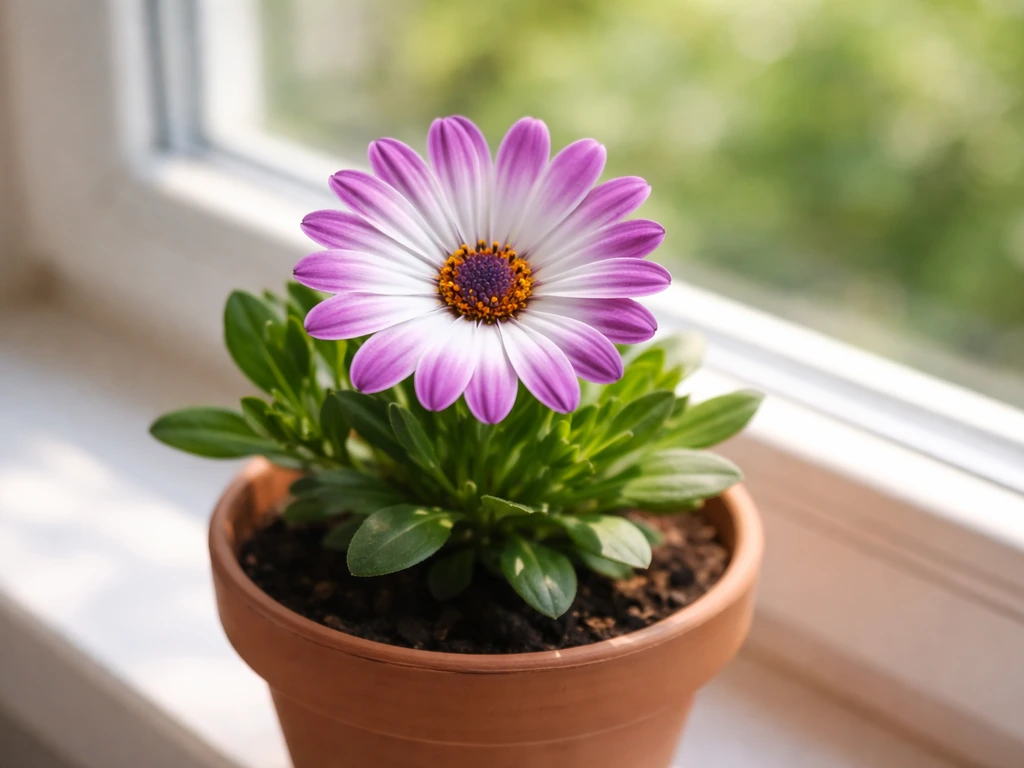
Can African daisies actually live indoors? Here's the honest answer
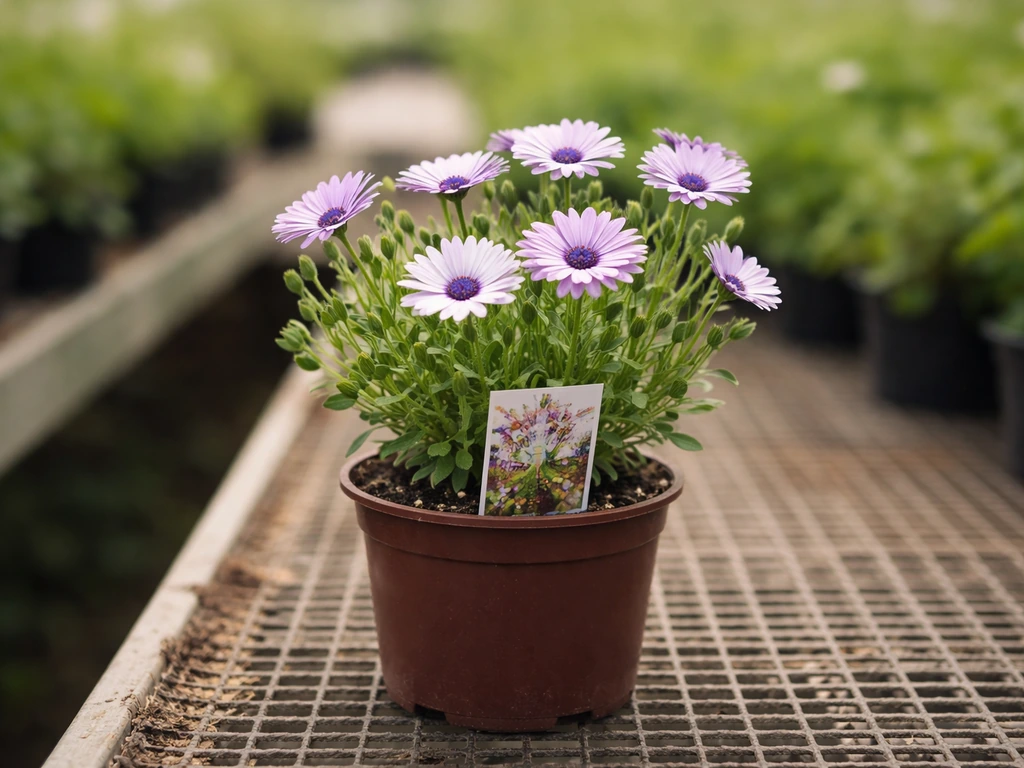
African daisies sold at nurseries are almost always Osteospermum varieties, sometimes labeled Dimorphotheca, and occasionally just called 'Cape daisy.' These are sun-loving plants from South Africa that evolved in open, bright, warm conditions. Moving them indoors is not impossible, but it is a compromise. Outdoors they soak up 8 to 10 hours of direct sunlight. Indoors, even your best window delivers a fraction of that, which is why light becomes the single biggest factor in whether your plant thrives or just survives.
The other piece of good news: Osteospermum is a day-neutral plant. It does not need a specific day length or seasonal change to trigger blooming. That means you do not have to trick it with darkness schedules the way you would a poinsettia. If it gets enough light and the right temperatures, it will bloom regardless of the time of year. That makes it more forgiving indoors than many flowering plants, as long as you get the basics right.
Best indoor light setup: windows vs. grow lights
African daisies want somewhere between 5,000 and 9,000 foot-candles of light for strong flowering growth. To put that in practical terms, bright outdoor shade on a summer day is around 10,000 fc, and a sunny south-facing windowsill on a clear day might reach 3,000 to 5,000 fc at best. A north or east window will not cut it. If you are relying on natural light, a south-facing window in the northern hemisphere is your only real option, and even then, results will be better in summer than winter.
Grow lights are where things get much more reliable. A full-spectrum LED panel positioned 6 to 12 inches above the plant, running for 12 to 14 hours a day, can hit the light levels these plants actually need. Look for lights rated at least 2,000 to 3,000 lumens for a single plant or small cluster. Set a timer so you are not guessing, and keep the photoperiod consistent. I have had much better luck with grow lights than windows alone, especially through fall and winter when window light drops off sharply.
- South-facing window: best natural option, aim for 6+ hours of direct sun
- East or west window: marginal, expect weaker growth and fewer flowers
- North window: not suitable, light is too low
- Full-spectrum LED grow light: most reliable option, 12 to 14 hours daily, 6 to 12 inches above the foliage
- Combining a south window with a supplemental grow light gives the best indoor results
Temperature, airflow, and what to expect through the seasons
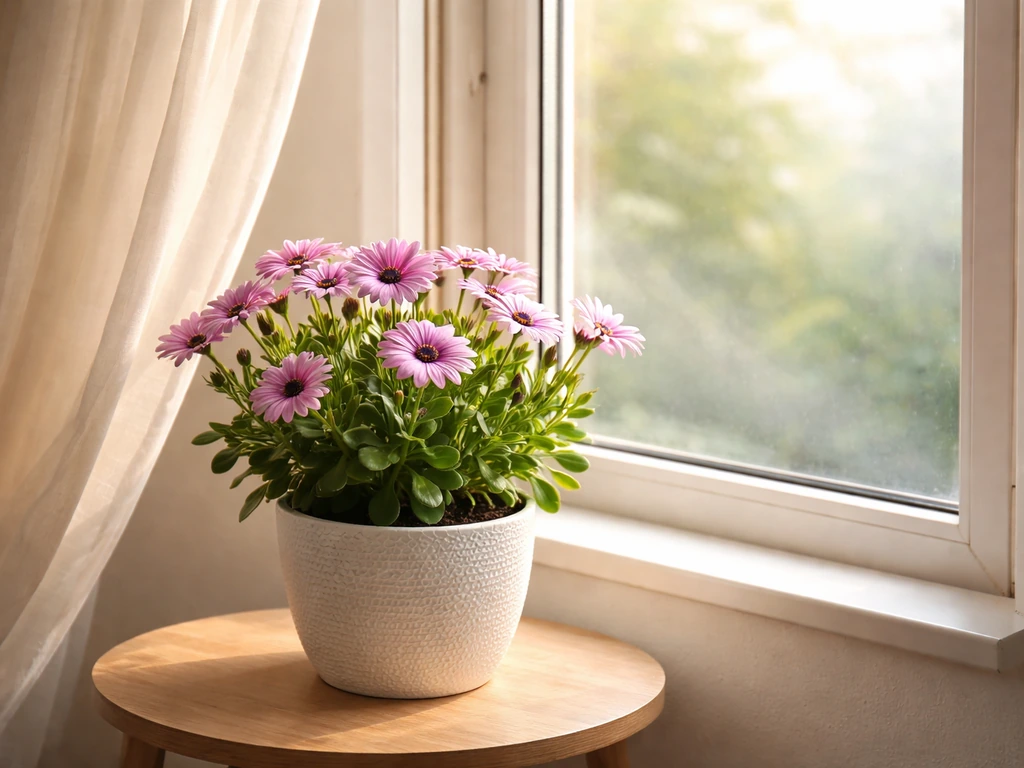
African daisies are cool-season performers at heart. They bloom most enthusiastically when daytime temperatures sit between 59 and 76°F (15 to 24°C) and nights drop to somewhere between 44 and 55°F (6 to 13°C).
Ball FloraPlant cultural sheet for the annual Osteospermum series targets day temperatures of 59, 76°F (15, 24°C) and night temperatures of 44, 55°F (6, 12°C) under indoor/controlled conditions [daytime temperatures sit between 59 and 76°F (15 to 24°C) and nights drop to somewhere between 44 and 55°F (6 to 13°C). ](https://www. ballseed. com/PDF/BallFloraPlant-2016-AnnualCulture.
pdf). That cooler night temperature is something most people cannot replicate indoors without putting the plant near a drafty window in winter, which can work but creates other problems. If your home stays at 68 to 72°F day and night year-round, the plant will grow fine but may bloom less aggressively than it would with cooler nights.
Airflow is often overlooked and it matters a lot indoors. African daisies dislike stagnant, humid air around their foliage and crown. A gentle oscillating fan running a few hours a day does two things: it strengthens the stems and it reduces the risk of fungal problems. Keep the plant away from heating vents blowing hot, dry air, and also away from cold drafts below about 40°F. In spring and summer, cracking a nearby window for fresh air a few hours a day is a simple way to keep conditions healthier.
Seasonally, expect the plant to slow down in winter even with grow lights, simply because indoor temperatures tend to be warmer and days feel more uniform. It may take a short rest and produce fewer flowers. That is normal. Keep watering on the lighter side during that period and do not panic. Come late February or March, you can increase fertilizing and it will pick back up.
Pot size, soil mix, and watering: where most indoor failures happen
Overwatering is the fastest way to kill an African daisy indoors. These plants want to dry out slightly between waterings. Saturated soil leads directly to root rot, and once Pythium or other root pathogens get established in a waterlogged container, recovery is very difficult. The rule I follow: stick your finger an inch into the soil, and only water when that top inch feels dry. In summer that might be every 2 to 3 days; in winter, it could be once a week or less.
For soil, skip the standard all-purpose potting mix and go with something that drains fast. A 50/50 blend of quality potting mix and perlite works well. Some growers add a small amount of coarse sand or pumice. The goal is a mix that holds just enough moisture to feed the roots but does not stay wet. Dichondra can also be grown indoors, as long as you provide enough light and keep the soil evenly moist can dichondra grow indoors. Never let the pot sit in a saucer full of water.
Pot size matters more than most people think. A pot that is too large holds excess moisture the roots cannot use, which creates exactly the waterlogged conditions you want to avoid. For a nursery transplant, move up only one pot size at a time. A 6-inch pot for a small nursery plant is usually right. Once the plant fills that out and you see roots at the drainage holes, step up to an 8-inch. Always choose a container with drainage holes, no exceptions.
| Factor | What to do | What to avoid |
|---|---|---|
| Soil mix | Fast-draining potting mix with 30-50% perlite | Dense, moisture-retaining all-purpose mixes |
| Pot size | One size up from the current root ball | Oversized pots that hold excess moisture |
| Drainage | Pots with holes, empty saucers after watering | Decorative pots with no drainage, standing water |
| Watering frequency | When the top inch of soil is dry | Watering on a fixed schedule regardless of soil moisture |
| Water amount | Water thoroughly until it runs from the holes | Light, frequent surface watering that never soaks the root zone |
Fertilizing and keeping the flowers coming
African daisies are moderate feeders when they are actively growing and blooming. During spring and summer, feed with a balanced liquid fertilizer (something like a 10-10-10 or a bloom-booster formula with slightly higher phosphorus) every two weeks. Dilute to half the label strength, especially indoors, because fertilizer salts build up faster in containers without rain to flush them. Once a month, water thoroughly with plain water only to flush any accumulated salts from the soil.
In fall and winter, cut fertilizing back to once a month or stop entirely if the plant looks like it is resting. Pushing growth with fertilizer during low-light months just encourages weak, stretched stems. When you see new vigorous growth returning in late winter, that is your cue to resume the regular feeding schedule.
Deadheading is genuinely important for continuous bloom. As soon as a flower finishes, pinch or snip it off at the base of its stem. Left to set seed, the plant shifts energy away from producing new buds. Spend five minutes a week removing spent flowers and you will notice a real difference in how consistently it blooms. Light tip-pinching early in the season also encourages branching and more flower stems overall.
Common indoor problems and how to fix them fast
Leggy, stretched stems
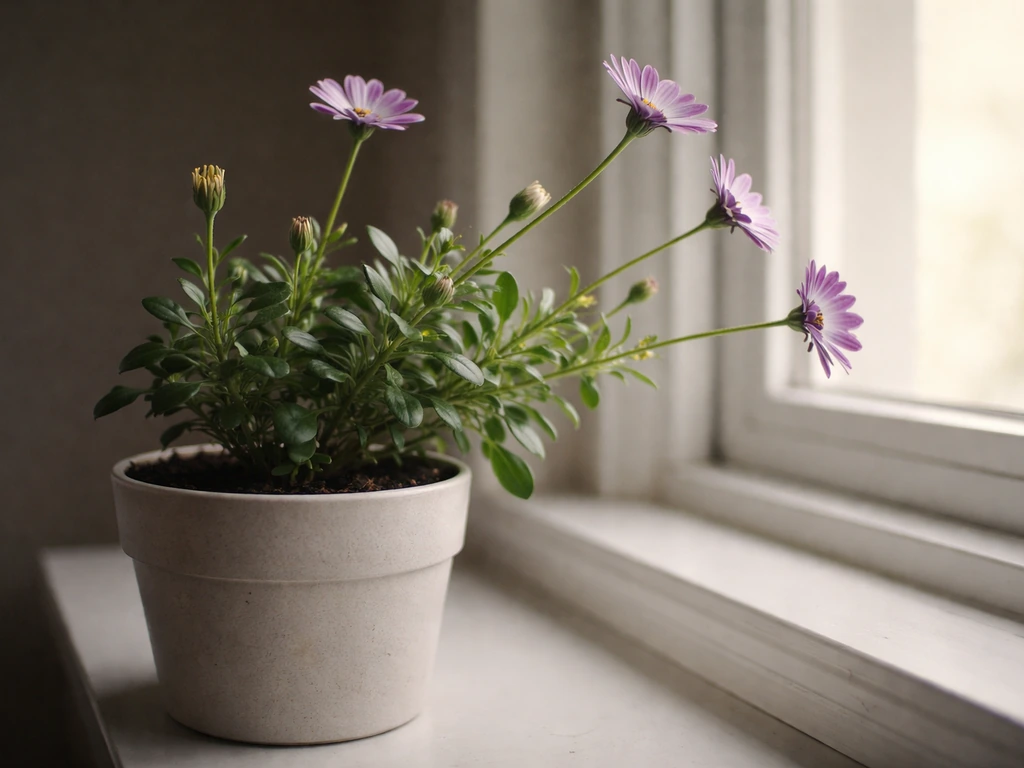
This is almost always a light problem. When African daisies do not get enough light, they stretch toward whatever source they can find, producing long, weak, floppy stems with few flowers. The fix is to move the plant closer to the light source or add a grow light immediately. Then cut the leggy stems back by about a third to encourage bushier regrowth. Rotating the pot a quarter turn every few days also helps keep growth even.
No flowers, or buds that drop before opening
Bud drop is usually caused by temperature stress, low light, or inconsistent watering. Check that the plant is not sitting near a heat vent or air conditioner. Make sure it is getting its full light hours. African daisies also close their flowers at night and on overcast days, so do not mistake normal behavior for a problem. If buds are forming but falling off before they open, check if the plant recently experienced a sudden temperature shift or if the soil went bone dry for too long.
Aphids and spider mites
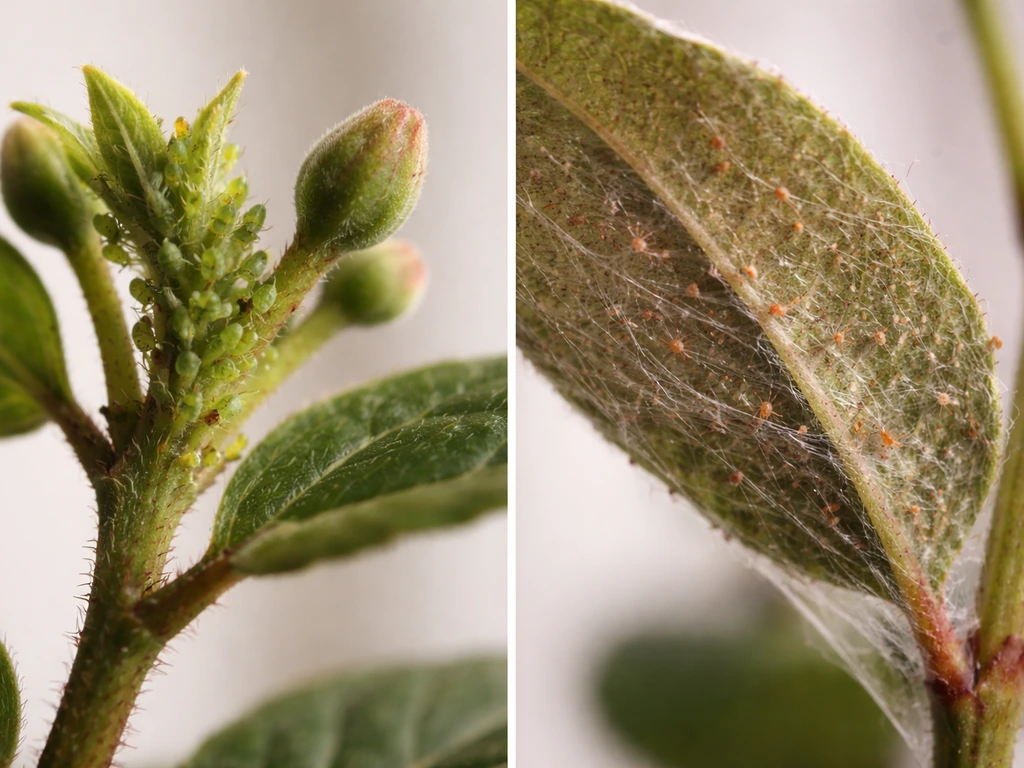
Both pests show up in dry indoor conditions, especially in winter when heating systems reduce humidity. Aphids cluster on new growth and flower buds; spider mites leave tiny webbing on the undersides of leaves and cause a stippled, dusty look. For both, start with a strong spray of water in the sink to knock them off, then apply insecticidal soap or neem oil, making sure to coat the undersides of leaves. Repeat every 5 to 7 days for three treatments. Checking new plants before you bring them home is the best prevention.
Root rot and fungal crown issues
Yellowing lower leaves, wilting despite moist soil, and a mushy base are all signs of root rot. This almost always traces back to overwatering or a pot without drainage. If you catch it early, remove the plant from its pot, trim off any black or mushy roots, let the root ball air dry for an hour, and replant in fresh, dry, well-draining mix. Improve air circulation around the plant going forward. If the crown (the point where stems meet the soil) is soft and mushy, the plant is likely beyond saving and it is better to take healthy cuttings and start fresh.
Getting started today: what to buy, where to put it, and a simple weekly routine
Choosing the right plant at the nursery
Look for a compact, bushy plant with dark green leaves and multiple branching stems rather than one with long stretched growth already. Check the undersides of leaves for any signs of pests before you buy. Newer Osteospermum series bred for container growing (like the 4D types or other compact cultivars) tend to be better suited to indoor conditions than old-fashioned Dimorphotheca species because they stay more compact and bloom more freely. If you are wondering can you grow daphne indoors, the answer depends just as much on getting consistent light and avoiding overly wet soil. Avoid plants that are root-bound with roots circling heavily out of the drainage holes, as they have already been stressed.
Placement checklist
- South-facing window with 6+ hours of direct sun, OR a full-spectrum grow light 6 to 12 inches above the plant running 12 to 14 hours daily
- Room temperature between 60 and 75°F during the day, ideally cooler at night if possible
- Good air circulation: not directly against a wall, not blocked by curtains, and away from heating vents
- Away from cold drafts below 40°F in winter
- Pot with drainage holes sitting on a saucer you empty after watering
- No other large plants crowding it and blocking airflow or light
A simple care schedule to stick to
- Every 2 to 3 days: Check the soil moisture (top inch dry = time to water). Rotate the pot a quarter turn.
- Once a week: Deadhead spent flowers and check for pests on leaf undersides.
- Every two weeks (spring and summer): Apply half-strength balanced liquid fertilizer.
- Once a month: Flush the soil thoroughly with plain water only to clear salt buildup.
- Every few months: Trim back any leggy stems by a third to keep the plant compact and bushy.
- Late winter: Resume regular fertilizing as new growth appears and increase light hours if using a timer.
If you are already growing other sun-loving plants indoors and wondering how African daisies compare, they are broadly similar in light demands to plants like desert rose or dipladenia, which also need maximum indoor light to perform well. If you are also wondering can desert rose grow indoors, the short answer is yes, but it needs extremely bright light and a consistent routine.
The difference is that African daisies are more forgiving of cool temperatures, which can actually work in your favor if your home runs on the cooler side in winter. The Royal Horticultural Society lists the minimum temperature ranges for Dimorphotheca ‘Buttermilk’, which helps set a baseline for what to avoid indoors for long-term success [cool temperatures](https://www. rhs. org.
uk/plants/536985/dimorphotheca-buttermilk-african-daisy-buttermilk/details). They are less adaptable than something like dianthus, which can manage lower light a bit better, but more rewarding when the conditions are right. Get the light sorted first, and everything else falls into place.
FAQ
How many hours of direct sun do African daisies need indoors if I am not using a grow light?
Aiming for at least 6 hours of direct sun is the realistic baseline. If you only get bright light but no direct rays, expect fewer blooms and more stretching unless you supplement with a full-spectrum grow light.
Can I grow African daisies indoors on a north-facing window?
Usually no. North-facing light is typically too weak to sustain strong flowering, which commonly leads to leggy growth and bud loss. If that is your only window, plan on adding a grow light on a timer.
What is the easiest mistake that prevents blooms indoors?
Underestimating light. Even when watering and soil are correct, insufficient light causes weak stems and a lack of flowers. If your plant looks taller and thinner than it did a few weeks ago, treat it as a light problem first.
Do African daisies need a specific dark period to bloom indoors?
No, they are day-neutral, so you do not need a strict day length or seasonal darkness trick. The key is steady light intensity, and if you use grow lights, keep the schedule consistent rather than changing it week to week.
How close should I place a grow light to avoid leaf burn or poor results?
Position the light about 6 to 12 inches above the plant. If leaves start to bleach or look scorched, move the light farther away, and if growth is still weak, move it closer within that range.
Why do my buds form and then drop before opening?
Most often it is temperature swings, inconsistent watering, or not enough effective light hours. Check for drafty cold spots, heat vents, and let the top inch of soil dry before watering again.
What watering schedule should I use in winter indoors?
Go by soil dryness, not the calendar. In winter it is commonly weekly or even less, depending on pot size and indoor conditions. If the top inch feels cool and wet, wait longer.
Can I let the pot sit in a saucer if I empty it after a while?
Avoid it. Even temporary standing water can create consistently wet soil around the roots, raising the risk of root rot. Use a container with drainage holes and discard any runoff right away.
Should I repot African daisies right away when I bring them home?
Not usually. If the plant is in a properly draining pot, focus first on light and watering. If it is root-bound, size up only one step, and do it when you see active growth rather than during a low-light rest period.
What pot size is safest for indoor African daisies?
Choose the smallest pot that fits the root ball without leaving lots of empty space. Oversized containers hold excess moisture the roots cannot use, which is a common path to root rot.
How often should I fertilize indoors, and how do I prevent buildup?
During spring and summer, fertilize about every two weeks using half-strength diluted fertilizer. Once a month, flush the soil with plain water to remove salt buildup that happens faster indoors than outdoors.
Do African daisies need deadheading even if they are not producing many flowers yet?
Yes. Removing spent blooms prevents the plant from shifting energy into seed production and helps new bud formation. Even a short weekly routine can noticeably improve bloom consistency.
Can I prune leggy African daisies indoors and will they regrow?
Yes. Cut back the stretched stems by about a third after you correct the light, and expect bushier regrowth from the remaining nodes. If the plant keeps stretching after pruning, the light is still not intense enough.
What temperature is actually “safe” indoors if I cannot create cool nights?
They prefer cooler nights, roughly 44 to 55°F (6 to 13°C), but they can still survive in warmer homes. If day and night stay around 68 to 72°F, growth is usually fine, but flowering may be less intense.
How do I handle pests like aphids or spider mites indoors without harming the plant?
Start with a targeted knockdown using a strong water rinse, then use insecticidal soap or neem, coating undersides of leaves. Repeat every 5 to 7 days for several treatments because eggs can hatch between visits.
My African daisy is wilting even though the soil seems moist, what should I check first?
Check the base and roots for root rot signs. Mushy stems at the crown, yellowing lower leaves, and a foul or sour smell point to overwatering or poor drainage. If the crown is soft, it may be beyond saving.
What should I buy if I want the best chance of success indoors?
Look for compact Osteospermum varieties specifically bred for containers, not the older, larger-growing types. A compact, branching plant with sturdy stems and multiple crowns is a better starting point than a plant already stretched from low light.