You can grow daphne indoors, but you need to go in with honest expectations. African daisies can sometimes be grown indoors, but they still need bright light and the right watering to stay healthy. It is one of the trickiest plants to keep happy in a pot, and an apartment or home environment throws extra challenges at it: dry heated air, inconsistent temperatures, and windows that rarely deliver the exact light it wants. That said, with the right setup (a deep, fast-draining pot, a cool bright window, careful watering, and decent airflow), winter daphne in particular can flower indoors and fill a room with that famous fragrance. It just will not forgive neglect or bad drainage the way a pothos would.
Can You Grow Daphne Indoors? Care Guide, Tips, and Fixes

James Hartwell
27 May 2026
Is daphne actually suited to indoor growing?
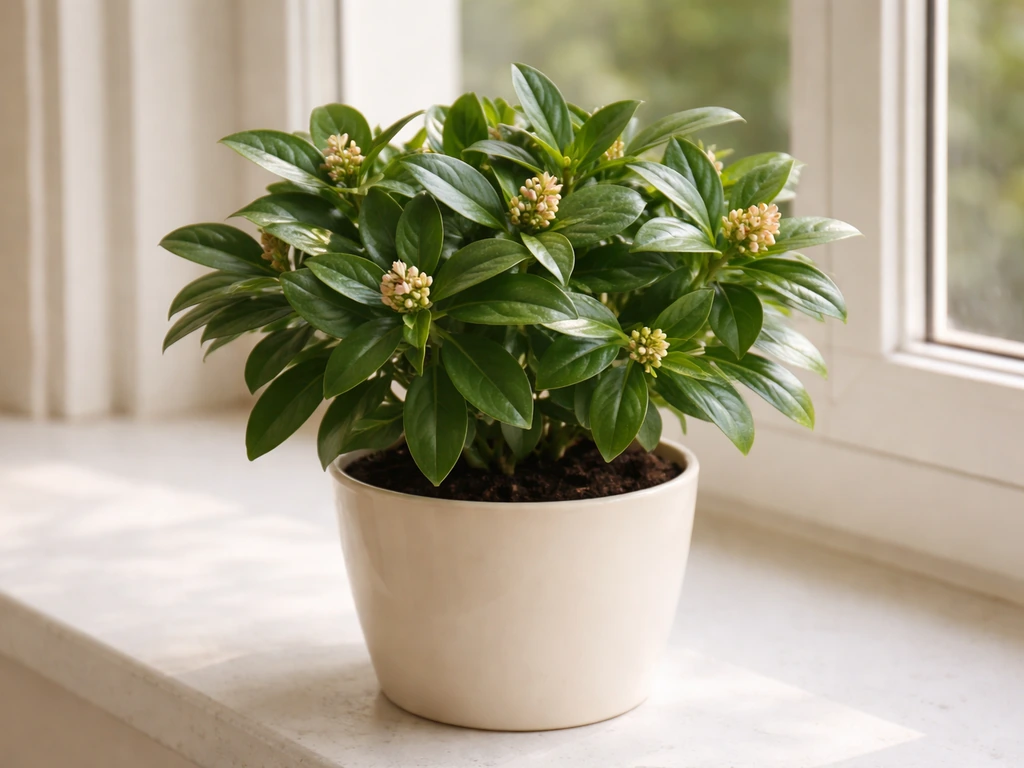
Daphne is a woodland shrub at heart. In the garden it wants a sheltered spot with partial shade, roots kept cool, and soil that drains well but never dries out completely. The moment you move it into a pot and bring it inside, you are fighting against its natural preferences on almost every front. Roots are more exposed to temperature swings, drainage becomes harder to get right, and humidity in most homes is nowhere near what a sheltered garden bed provides.
Winter daphne (Daphne odora) is the variety most people attempt indoors, and for good reason: it flowers in late winter and early spring, it stays relatively compact, and the scent is extraordinary. But it has a well-earned reputation for what growers sometimes call 'sudden daphne death syndrome,' where a plant that seemed fine collapses without obvious warning. That dramatic failure mode is almost always tied to root-zone stress, usually from waterlogged soil or roots that have swung between too wet and too dry too many times. So yes, indoor growing is possible, but it demands you treat this plant more like a precision instrument than a forgiving houseplant.
Light requirements and window placement
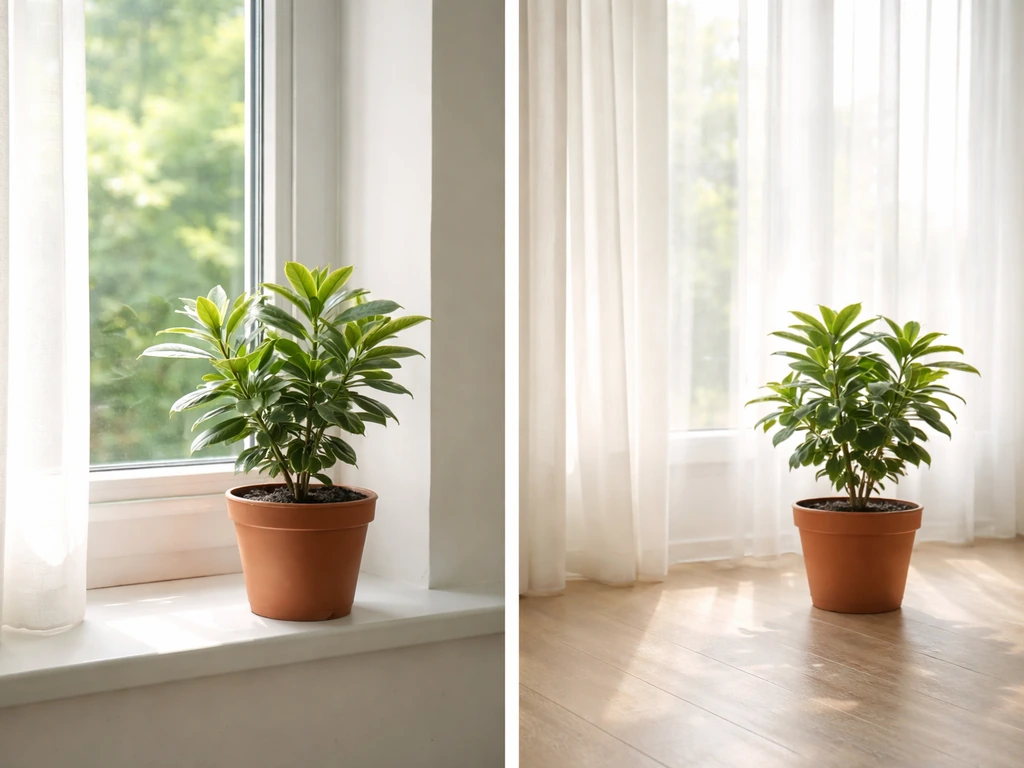
Daphne needs bright, indirect light or gentle direct morning sun. Indoors, that translates to your best east-facing window or a spot just back from a south-facing one where midday sun is filtered. North-facing windows are not going to cut it for any extended period. Insufficient light is one of the main reasons indoor daphne never flowers or simply declines: the plant needs enough light to produce buds, and a dim corner will produce only weak growth and no blooms.
If your best window only gets weak light, a full-spectrum grow light used for 12 to 14 hours a day can supplement. Position it close enough (around 12 to 18 inches above the foliage) to be genuinely useful rather than decorative. One thing to watch: avoid placing the pot where it gets direct afternoon sun through glass, which concentrates heat and can stress roots through the container walls.
Temperature, humidity, and airflow needs
Daphne is not a tropical plant that wants a warm living room. It actually prefers cool conditions, especially when it is budding up. A temperature range of around 45 to 65°F (7 to 18°C) suits it best during its active growing and flowering season, which is winter into early spring. That is cooler than most centrally heated rooms, which is why an unheated spare room, a cool hallway with a bright window, or a sunroom that does not get roasted by a radiator are better choices than a warm sitting room.
Roots are particularly vulnerable to warmth in a container. A pot sitting on a sunny windowsill above a radiator will have roots baking from below and light hitting from above, and that combination leads to stress fast. Keep the pot away from heat sources and cold drafts equally, since both extremes damage roots and trigger leaf drop or bud drop.
On humidity, indoor heating systems dry the air significantly, and daphne does not like that. Aim for humidity around 40 to 60 percent if you can. A pebble tray filled with water placed under (but not touching) the pot helps, and grouping it near other plants creates a more humid microclimate. Consistent, gentle airflow also matters: stagnant air encourages fungal problems. A room that gets opened occasionally or a very gentle fan nearby is enough.
Soil, pot size, and drainage essentials
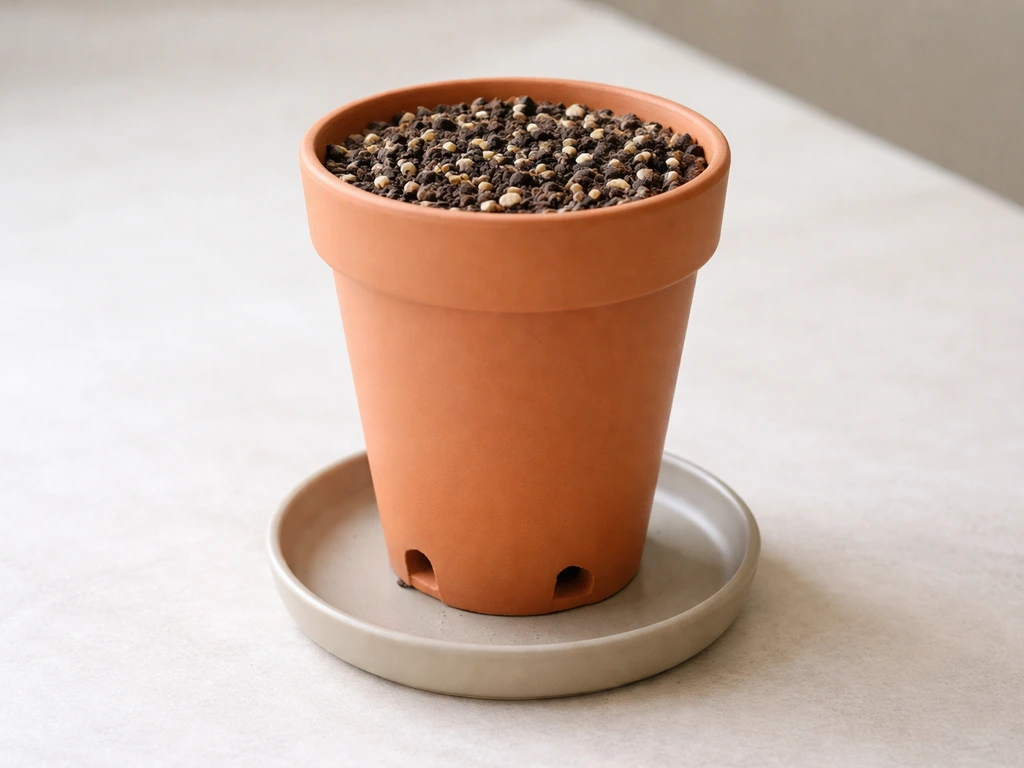
Drainage is non-negotiable with daphne. Roots sitting in wet soil for even a day or two longer than ideal can trigger Phytophthora root rot, and once that takes hold, the plant is usually lost. The RHS recommends a mix of equal parts peat-free John Innes No. 3, peat-free multipurpose compost, and coarse sharp sand. If you are in North America and cannot source John Innes, replicate it with a quality loam-based potting mix, quality organic compost, and about one-third coarse horticultural sand or perlite. The sand and perlite are there to keep air pockets in the root zone, because waterlogged soil is essentially oxygen-deprived soil, and roots suffocate before pathogens even get a chance to move in.
The pot itself matters as much as the mix. Go deep rather than wide: a tall, narrow pot with drainage holes at the base encourages the deep root system daphne naturally develops, and lets excess water escape. Terracotta is a solid choice because it breathes and dries more evenly than plastic. Whatever you use, check that the drainage holes are genuinely clear before planting, and never use a saucer that pools standing water under the pot for hours. Daphne also prefers slightly acidic to neutral soil, ideally in the pH range of 6.5 to 7.0. If you are using a standard multipurpose compost, you are likely in range, but check the bag or use a simple pH test strip.
How to plant and what care looks like indoors
Getting started
When potting daphne, handle the rootball gently because the roots are sensitive and do not respond well to being broken up or aggressively disturbed. Plant it at the same depth it was growing in its nursery container. Fill around it with your prepared mix, tap gently to settle out air pockets (do not compact heavily), and water in thoroughly until water runs freely from the drainage holes. Then leave it alone for a few days before watering again.
Day-to-day care
Indoor daphne care is mostly about resisting the urge to fuss. Beyond checking the soil moisture (more on that below) and making sure the light is adequate, daphne does not need constant intervention. Light pruning after flowering, removing any dead or crossing stems, keeps the shape tidy but do not cut back hard. Rotate the pot by a quarter turn every couple of weeks so all sides get equal light, which prevents it leaning toward the window and creating uneven growth.
Repotting is rarely necessary and should be approached with caution. Daphne dislikes root disturbance, so only move it up a pot size when it is clearly root-bound, and do it in early spring after flowering has finished, not during the growing or dormant season.
Watering and fertilizing schedule
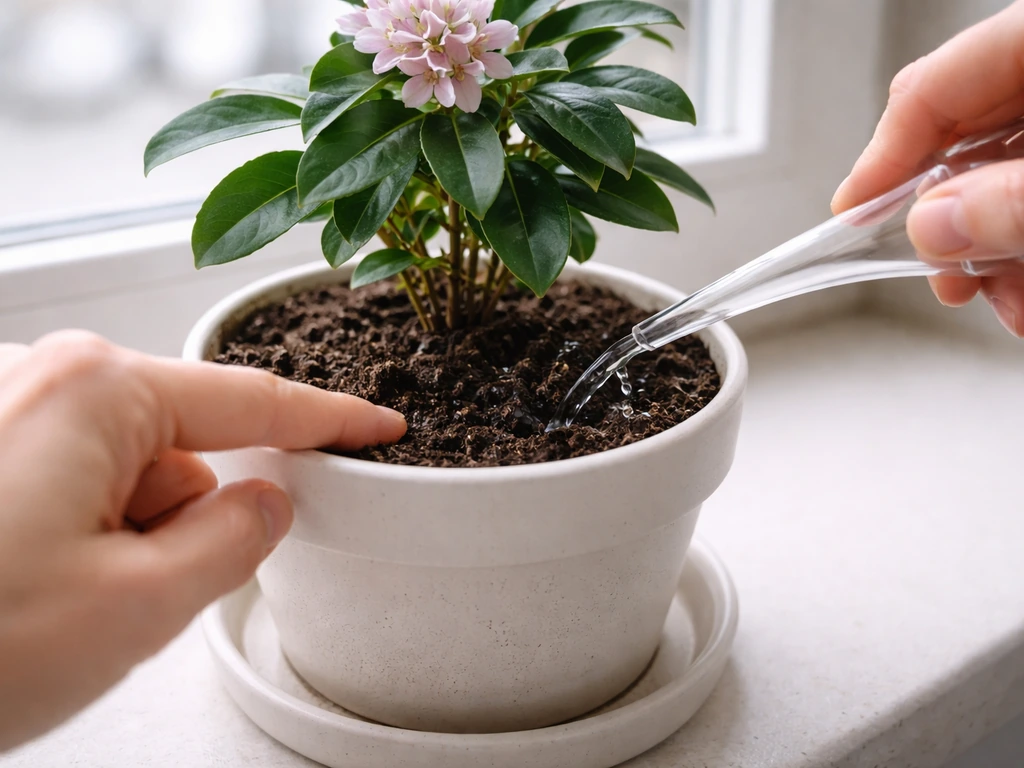
Watering is where most indoor daphne fails. The goal is consistent moisture without ever letting roots sit wet. A reliable trigger is to push your finger about two inches (roughly 50 mm) into the soil: if it is dry at that depth, water thoroughly until it drains freely from the bottom. If it still feels damp, wait another day and check again. In practical terms, this usually means watering every 7 to 10 days in cooler winter conditions and perhaps every 5 to 7 days in a warmer room in spring. Always water deeply rather than giving small amounts frequently, since shallow watering encourages surface roots and leaves the deeper root zone dry.
Do not water on a calendar schedule. Daphne in a cool room in winter needs far less water than the same plant in spring when it is actively growing. Adjust based on what the soil is actually doing, not what the date says.
For fertilizing, keep it light. After flowering finishes, apply a slow-release fertilizer formulated for acid-loving or ericaceous plants (azalea, camellia, and rhododendron fertilizers work well). A single application of slow-release granules in spring, topped up with a liquid feed of the same type every four to six weeks through the growing season, is enough. Do not fertilize during the dormant period in summer or in mid-winter when the plant is not actively growing. Over-feeding drives soft, weak growth and can burn roots, which is the last thing daphne needs.
Common indoor problems and how to fix them
Yellowing leaves
Yellow leaves on an indoor daphne can point to several different problems, which is frustrating. The most common causes are overwatering (roots sitting wet, leading to early root rot), underwatering (roots drying out too much between sessions), soil pH that has drifted too alkaline (which locks out nutrients), or a nitrogen deficiency. Start by checking the soil moisture and your watering routine. If that seems fine, test the soil pH and consider whether the plant has been in the same mix for a long time without fresh fertilizer.
Leaf drop
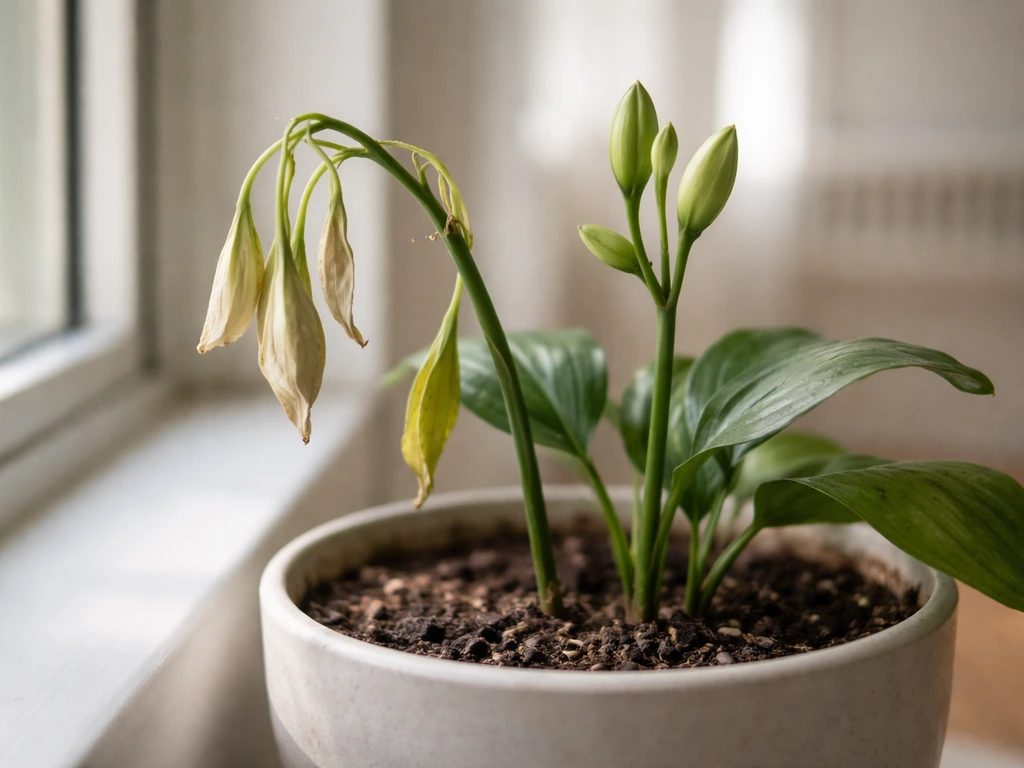
Sudden leaf drop almost always signals root stress or a sharp environmental change. Common indoor triggers include: moving the plant to a different spot, placing it near a radiator or a drafty window, a dramatic change in temperature, or roots that have been repeatedly over- or under-watered. If the plant is otherwise healthy (no mushy stems, firm roots), sometimes all it needs is a stable environment and a few weeks to recover. If the stems look soft or discolored near the base, that points to root rot, which requires immediate action: remove from the pot, cut away mushy roots, dust cuts with sulfur powder or cinnamon, and repot in fresh well-draining mix.
Buds dropping before opening
This is heartbreaking after you have waited all autumn for buds to form. Bud drop is usually triggered by low humidity combined with warm dry air from heating, sudden temperature fluctuations, or insufficient light during the budding phase. If your room is heated to above about 65°F (18°C) and the air is dry, the buds often abort before opening. Moving the plant to a cooler, slightly more humid spot (the bathroom near a window, or a cool bright hallway) as buds appear can help preserve them.
Pests and disease
| Problem | Signs to look for | What to do |
|---|---|---|
| Aphids | Clusters of small soft insects on new growth and buds, sticky residue | Wipe off with a damp cloth, spray with insecticidal soap or neem oil, repeat weekly |
| Scale | Brown or tan bumps on stems, sticky honeydew below | Scrape off manually, apply neem oil or horticultural oil to stems |
| Root rot (Phytophthora) | Wilting despite moist soil, mushy base, yellowing, sudden collapse | Remove from pot, cut affected roots, repot in fresh fast-draining mix, reduce watering |
| Fungal leaf spots | Brown or black spots on leaves, often with yellow halos | Improve airflow, remove affected leaves, avoid wetting foliage when watering |
When to skip indoor growing and what to try instead
Be honest with yourself before committing to daphne indoors. If you live in a warm apartment that stays above 68°F (20°C) year-round, have only north-facing windows, or have a track record of either forgetting to water or watering on a fixed schedule regardless of soil moisture, daphne will likely disappoint you. can dawn redwood grow indoors north-facing windows. It genuinely needs a cool, bright, well-ventilated spot, and not every home has one. Daphne indoors is better suited to a cool sunroom, an enclosed porch, or a well-lit unheated spare room than to a central living space. If you want to know whether can you grow dichondra indoors, check the plant’s light and watering needs before committing to an indoor setup can dichondra grow indoors. If you are wondering about a different plant, can desert rose grow indoors too depends mainly on whether you can match its bright light and careful watering needs.
If you mainly want the fragrance and flowering experience indoors, there are more forgiving alternatives. Dianthus (pinks) can offer beautiful scented flowers in a sunny windowsill with far less drama around drainage and temperature. Yes, can dianthus grow indoors, but it will do best in a very sunny windowsill with good drainage. If it is the tropical lushness you are after rather than the specific fragrance, dipladenia is a much more apartment-friendly flowering plant. For sheer winter interest with intense color but without daphne's strict conditions, consider forced bulbs like paperwhites or hyacinths, which deliver powerful fragrance on a simple schedule and do not demand the same precise root-zone management.
If you do have a cool bright spot and want to give daphne a real try, the best approach is to keep it in a container on a covered porch or in a cool greenhouse for most of the year and bring it inside only during its flowering window (late winter into early spring). Treat it as a temporary indoor guest rather than a permanent houseplant, and your success rate goes up considerably. Give it the right conditions temporarily, enjoy that incredible scent for a few weeks, then move it back outside where it can breathe and recover.
FAQ
Can you grow daphne indoors year-round, or is it better as a temporary indoor plant?
Yes, but only if you can recreate the cool, bright window conditions during late winter and early spring. Treat the plant as a short-term indoor guest, keep it away from radiators and heat blasts, and plan to move it back outdoors as soon as flowering fades.
How do I tell when to water indoor daphne without guessing?
Aim for even, consistently moist soil at the 2 inch (50 mm) depth, not a constantly wet surface. If the top half inch is dry but the deeper layer is still damp, wait before watering, and always water until excess drains freely from the bottom.
What should I do if my indoor daphne starts declining but I am not sure why?
If you suspect root problems, do not “flush” with more water. Instead, check for drainage issues, then unpot the plant if it shows soft stems or persistent decline, remove mushy roots, and repot immediately into fresh, fast-draining mix.
Is it okay to let water sit in a saucer under the pot for indoor daphne?
A cheap saucer setup can still ruin daphne. Empty the saucer after draining, because even occasional pooling keeps the root zone oxygen-poor and raises risk of root rot, which is one of the most common failure modes indoors.
My daphne buds formed and then dropped, what are the fastest fixes?
If buds drop, first rule out light and heat, since warm dry air is a major trigger. Move the plant to a cooler spot (around the plant’s preferred range), increase humidity, and avoid turning the pot during the budding period so buds do not get stressed.
When should I repot indoor daphne, and how often is too often?
Repotting is a common mistake. Daphne resents root disturbance, so only repot when clearly root-bound or when the mix has stayed wet too long. If you must repot, do it right after flowering in early spring, not during dormancy or mid-winter.
Could yellow leaves be caused by soil pH, and how can I confirm?
A pH issue usually shows up alongside general yellowing and poor vigor despite correct watering. Test pH (or use fresher ericaceous-type feed), and if the mix has been in the same pot for a long time, refresh nutrients lightly rather than over-fertilizing.
Will a grow light help daphne flower indoors if I do not have a good window?
Yes, but use it as a supplement, not a replacement for brightness. Run full-spectrum light long enough (12 to 14 hours), keep it close to the foliage at about 12 to 18 inches, and prevent overheating from any lamp that runs hot.
Can I keep daphne indoors on a north-facing window and just add more watering?
Avoid north-facing windows for long-term success, and treat a dim south-facing room as a no. If a spot is only “bright sometimes,” it may keep the plant alive but still prevent bud formation, so choose your brightest cool location.
How much airflow does indoor daphne need, and what counts as too much?
Airflow helps prevent fungal issues, but avoid blasting the plant with strong drafts. Use gentle, indirect ventilation and keep it away from direct fans, open doors, or cold window drafts that can trigger leaf or bud drop.
I do not see any obvious overwatering, but my daphne keeps dropping leaves. Could temperature be the cause?
They can, especially if the pot is on a warm surface or against a radiator. Use a stand that keeps the pot from heat, check the root-zone temperature by touch, and move it away from both heat sources and cold drafts.
What potting mistakes most often lead to sudden daphne death indoors?
Yes, as long as you plant at the same depth and do not compact heavily. When topping off, make sure the drainage holes stay clear and the rootball is handled gently, because broken roots plus wet mix can lead to quick collapse.
If I am only bringing it indoors for the scent, when is the best time to do it?
If you want fragrance right away, aim for an indoor placement window during late winter into early spring, then return it outside once flowering ends. Even with perfect indoor care, it is more reliable when it can spend the rest of the year outdoors.