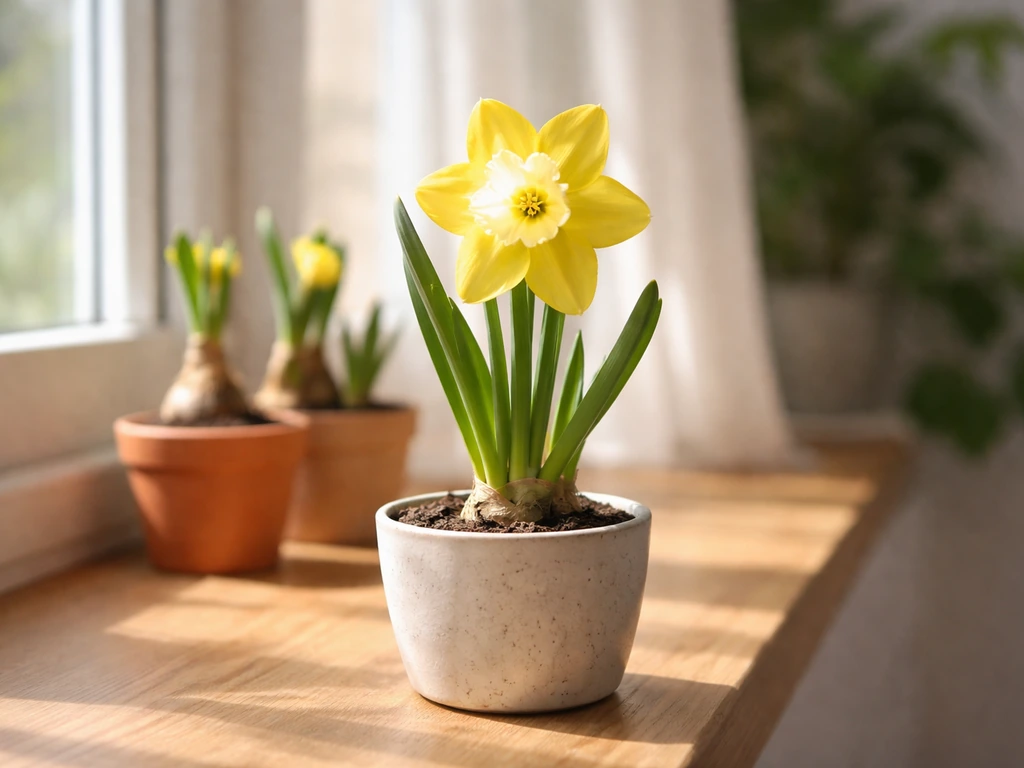
Yes, daffodils can absolutely grow and bloom indoors. The catch is that they need a cold period first, called chilling or forcing, before they'll flower. If you are wondering about morning glories, you can also grow them indoors, but they need similar attention to light and temperature grow morning glories indoors. Skip that step and you'll get a pot of leaves and disappointment. Nail it, and you'll have cheerful yellow blooms sitting on your windowsill in the middle of winter or early spring, no garden required.
Can Daffodils Grow Indoors? Step-by-Step Indoor Guide
James Hartwell
29 Apr 2026
What you're actually signing up for
Growing daffodils indoors is a process called bulb forcing. You're essentially tricking the bulb into thinking it's gone through winter so it will bloom on your schedule. It works really well with daffodils, and it's one of the more satisfying indoor gardening projects you can do. That said, it's not as simple as planting a bulb in a pot and putting it on your kitchen counter. There's a cold-dark phase, a transition phase, and then the blooming phase. The whole thing from planting to flowers takes roughly 12 to 16 weeks depending on the variety, but once you understand the rhythm, it's very manageable even in a small apartment.
The best daffodil types for growing indoors
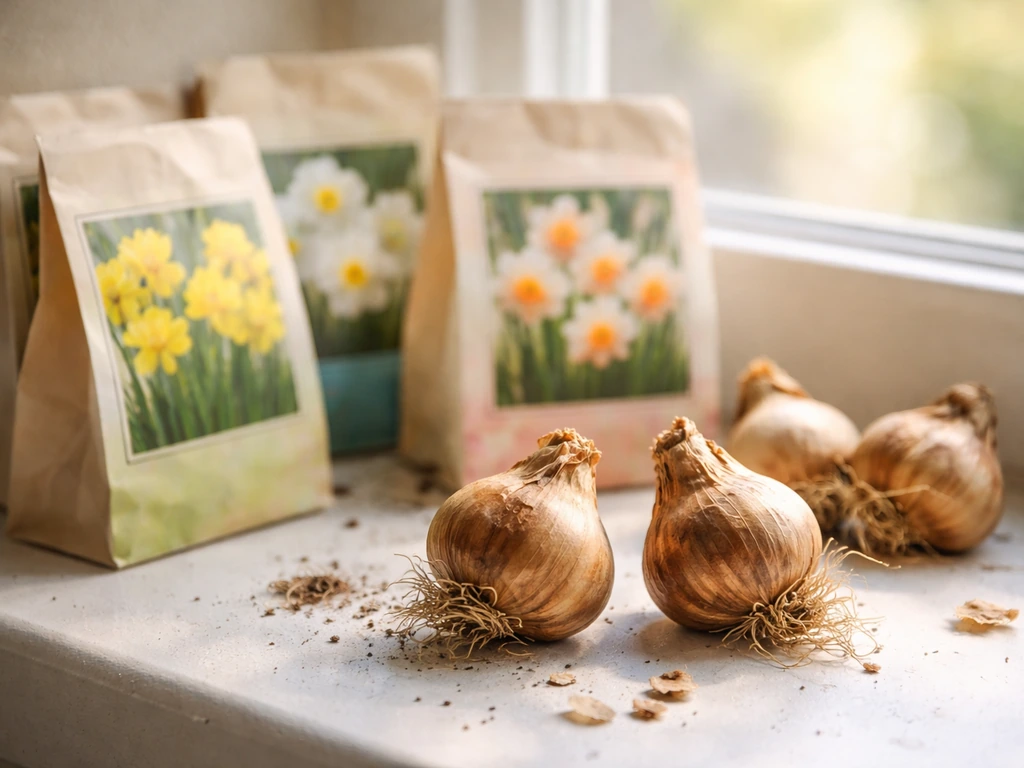
Not every daffodil forces equally well indoors. The big, tall outdoor varieties tend to get floppy and leggy inside where light is never quite as intense as a garden. Compact or miniature varieties behave much better in pots and on windowsills.
These are the varieties I'd prioritize for indoor forcing:
- Tete-a-Tete: the gold standard for indoor daffodils. Compact, multi-headed, early blooming, and widely available at garden centers every fall.
- Jetfire: slightly larger than Tete-a-Tete with a swept-back look, handles indoor conditions well.
- Minnow: a delicate miniature with clusters of pale yellow and white flowers, stays short.
- Paperwhites (Narcissus papyraceus): technically a separate species but in the same family. These require no chilling at all, which makes them the easiest indoor option if you just want fast results.
- Cheerfulness and Erlicheer: double-flowered types with a strong fragrance, work well for forcing but can get top-heavy.
When buying bulbs for indoor forcing, size matters more than people realize. Always pick the largest, firmest bulbs you can find. Bigger bulbs have more stored energy, which translates directly into more and better flowers. Avoid any bulbs that feel soft, look moldy, or have visible damage. If you can find bulbs labeled as 'pre-chilled' or 'ready to force,' those have already had the cold treatment done for you, which cuts weeks off the process.
The chilling requirement: the part most people skip
This is the single most common reason indoor daffodils fail to bloom. Daffodil bulbs (and most spring-flowering bulbs) need a sustained cold period, typically 12 to 16 weeks at temperatures between 35 and 48 degrees Fahrenheit (about 2 to 9 degrees Celsius), before they'll flower. In the ground outdoors, winter takes care of this automatically. Indoors, you have to engineer it. While the indoor forcing steps are specific to spring bulbs like daffodils, you may wonder if chrysanthemums can grow indoors under similar conditions can chrysanthemums grow indoors.
The easiest way to chill bulbs is in your refrigerator. Put the potted bulbs (or just the loose bulbs in a paper bag) in the crisper drawer and leave them there for the required time. One important rule: keep them away from any fruit, especially apples, which release ethylene gas that can destroy the flower inside the bulb. If your fridge is too crowded, an unheated garage, basement, or cold porch that stays consistently cold but doesn't freeze hard works too. The goal is cold and dark, not frozen solid.
Paperwhites are the exception here. They're native to warmer Mediterranean climates and genuinely don't need chilling. If you want daffodil-style flowers indoors with minimal fuss, paperwhites are your shortcut.
Light requirements once the chilling is done
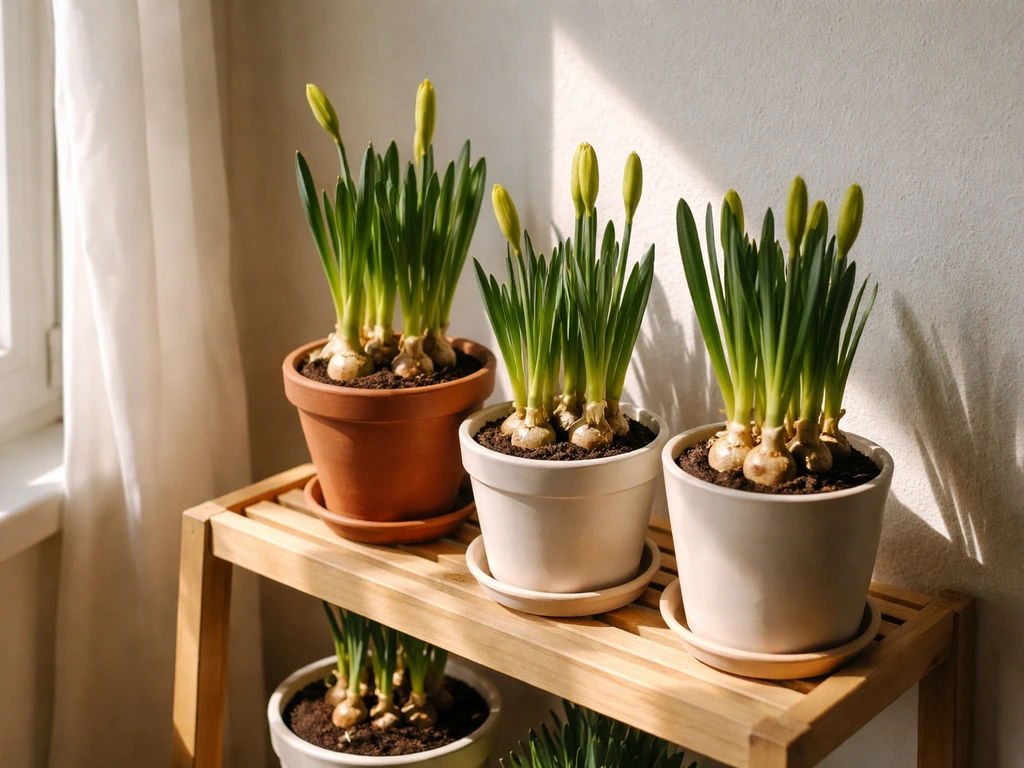
After the cold period, daffodils need bright light. If you are wondering about year-round indoor growth, dahlias are grown as tubers and need consistent warmth and the right light, but they typically do not bloom nonstop indoors like a forced spring bulb does can i grow dahlias indoors year round. A south or west-facing window that gets at least 6 hours of direct or very bright indirect light daily is ideal.
If your space doesn't have that, a dedicated grow light positioned a few inches above the foliage works well and actually gives you more control. Insufficient light is the reason most indoor daffodils come out tall and floppy. The stems stretch toward whatever light is available, and before long the whole plant is leaning dramatically to one side.
Rotate the pot every couple of days to keep growth even, and if the stems still look weak, supplement with a grow light.
Temperature after chilling
Once you bring the bulbs out of the cold, keep them somewhere relatively cool at first, around 50 to 60 degrees Fahrenheit, for a week or two before moving them to normal room temperature. This gradual transition helps the stems stay compact and strong rather than shooting up too fast. A cool spare bedroom or a bright but cool hallway works well for this transition period. After that, typical indoor room temperatures of 60 to 70 degrees Fahrenheit are fine for blooming. Avoid putting the pots near heat vents, radiators, or sunny spots that get very warm, as excessive heat shortens the bloom period significantly.
How to plant daffodil bulbs in pots
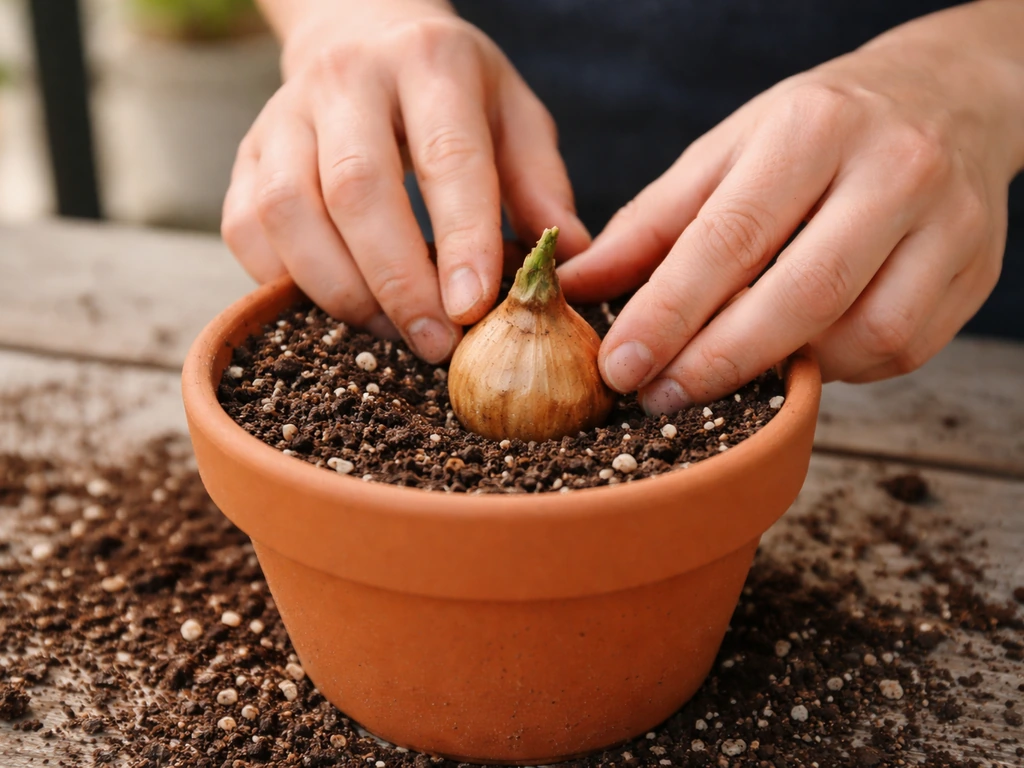
- Choose a pot with drainage holes. Clay or terracotta pots work great because they breathe and help prevent waterlogging. A pot that's at least 6 inches deep and wide enough to fit several bulbs without them touching is ideal.
- Fill the bottom third of the pot with a well-draining potting mix. A standard potting mix blended with about 20 to 30 percent perlite gives you the drainage daffodils need.
- Place the bulbs pointy-end up, close together but not touching each other or the pot walls. For small pots, 3 to 5 bulbs. For larger containers, you can fit more. Daffodils forced indoors actually look better when planted densely.
- Cover the bulbs with potting mix so the tips are just barely at or slightly above the soil surface. Unlike outdoor planting, indoor forcing doesn't require deep burial.
- Water thoroughly until it drains from the bottom, then let the excess drain completely before placing the pot in the cold.
- Label the pot with the variety and the date you started chilling, because 12 weeks from now you will have forgotten.
- Move the pot to your chilling location, whether the fridge or a cold space, for 12 to 16 weeks.
- Check on the bulbs occasionally and water lightly if the soil has dried out completely, but they should stay mostly dormant and need very little water during this phase.
- Once shoots are an inch or two tall and the chilling time is complete, move the pot to a cool, bright spot to transition, then to full indoor light within one to two weeks.
- Expect flowers roughly four weeks after bringing the pot indoors from chilling, depending on variety and light levels.
Caring for indoor daffodils while they grow
Watering
Keep the soil consistently moist but never soggy. The most common mistake is overwatering, especially during the chilling phase. Soggy soil leads to bulb rot, and there's no coming back from that. Once the plants are growing actively and especially once they're blooming, they need more water, but still let the top inch of soil dry out slightly between waterings. Always empty the saucer under the pot after watering so the roots aren't sitting in standing water.
Fertilizing
Honestly, daffodil bulbs contain most of the nutrients they need to produce one bloom cycle, so fertilizing during the forcing process isn't strictly necessary. If you want to give the plants a boost and especially if you're hoping to save the bulbs for later, a diluted balanced liquid fertilizer (something like 10-10-10 at half strength) once every two weeks after they start actively growing won't hurt. Don't over-fertilize, it pushes leafy growth at the expense of flowers.
Keeping stems upright
If your stems start leaning or flopping, there are a couple of fixes. Rotate the pot regularly so all sides get equal light. For stems that are already flopping, a few small bamboo stakes and soft plant ties can hold things upright without looking too clunky. Using compact varieties in the first place is honestly the better solution, as tall outdoor types like King Alfred just weren't designed for indoor conditions.
Troubleshooting common indoor daffodil problems
| Problem | Likely Cause | Fix |
|---|---|---|
| No flowers at all | Insufficient chilling time or chilling temperature too warm | Make sure bulbs get a full 12 to 16 weeks at 35 to 48°F. Refrigerator is most reliable. |
| Tall, floppy, leggy stems | Not enough light during growth phase | Move to a brighter window or add a grow light 4 to 6 inches above the foliage. |
| Bulbs rotting in the pot | Overwatering or poor drainage | Use pots with drainage holes, add perlite to the mix, and never let pots sit in water. |
| Yellow leaves before flowering | Overwatering, compacted roots, or too much heat | Check drainage, ease off watering, and move away from heat sources. |
| Flowers fade very quickly | Too much warmth during bloom | Keep blooming plants in a cool spot, ideally under 65°F, to extend flower life. |
| Buds that never open | Temperature shock or very low humidity | Transition gradually from cold to warm and mist the foliage lightly if the air is very dry. |
What to do after the flowers fade
Here's the honest truth about reblooming forced daffodils indoors: it's possible but realistically difficult in a purely indoor setup. The bulbs use up a lot of their stored energy during forcing, and to recharge for another bloom cycle they need a long period of bright light (to photosynthesize and rebuild energy stores), the right outdoor temperatures through the seasons, and another chilling period. Indoors, it's hard to replicate all of that.
Your best option after blooming is to remove the spent flower heads (to stop the plant wasting energy on seed production) but leave all the foliage intact. Keep watering and give the plant as much light as possible until the leaves yellow and die back naturally, which takes 6 to 8 weeks. At that point, the bulb has recovered some energy.
Then you have two choices: plant the bulbs in your garden outside where they can go through a natural cycle and hopefully bloom again next spring, or store the dry bulbs in a cool dark place and attempt another round of forced chilling in the fall. Garden transplanting works much better than trying to repeat the whole indoor forcing process, especially if you want consistent results.
If saving bulbs sounds like too much effort, there's no shame in treating forced indoor daffodils as a seasonal display and composting the bulbs after. Many gardeners do exactly that and buy fresh bulbs each fall. It's an affordable pleasure.
Quick checklist before you start
- Fresh, large, firm bulbs (compact or miniature varieties like Tete-a-Tete for best results)
- A pot with drainage holes, at least 6 inches deep
- Well-draining potting mix with added perlite
- A reliable cold space: refrigerator crisper drawer or unheated area between 35 and 48°F
- 12 to 16 weeks of patience for the chilling phase
- A south or west-facing window OR a grow light for the growing phase
- A cool indoor spot (around 60 to 65°F) for the best and longest bloom display
How daffodils compare to other indoor flowering bulbs
If you enjoy the idea of forced indoor blooms, daffodils are one of the most rewarding options, but they're not the only one. If you are wondering can dahlia grow indoors, the key is giving them bright light and consistent care throughout the season. Paperwhites, as mentioned, are easier since they skip the chilling step entirely. Chrysanthemums are another solid indoor flowering plant worth exploring, though they work differently since they're grown from cuttings rather than bulbs.
If you are also curious about bleeding hearts, you can grow them indoors under the right light and temperature conditions, but they can be trickier than bulbs Chrysanthemums are another solid indoor flowering plant worth exploring. If you are wondering, yes, can chrysanthemums grow indoors, and they can thrive with the right light and consistent care.
If you're drawn to the general challenge of getting outdoor flowering plants to perform inside, it's a genuinely satisfying rabbit hole to go down. If you're drawn to the general challenge of getting outdoor flowering plants to perform inside, can morning glories grow indoors is a closely related question worth exploring too. Can marigolds grow indoors, and if so, what do they need to thrive?
FAQ
Can daffodils grow indoors without refrigeration or a cold period?
No, standard indoor forcing requires an engineered chill. If you cannot refrigerate or access a consistently cold, dark area, choose a bulb labeled “pre-chilled” or “ready to force,” or pick paperwhites since they skip chilling entirely.
What type of pot and drainage do indoor forced daffodils need?
Use a pot with drainage holes (non-negotiable) and a saucer you can empty after watering. A heavy, wider pot helps prevent tipping once stems lengthen, and using a light potting mix avoids soil that stays wet too long.
How do I know when the bulbs are done chilling and ready to bring to light?
Rely on the calendar, not the look of the bulb. The cold requirement is usually 12 to 16 weeks depending on variety, so start timing from the day you put them in the fridge, then move them to a cool bright area when the chilling period ends.
Should I plant daffodil bulbs deep in the pot for indoor forcing?
Plant them so the pointed tip is just above the soil line (often about the top third exposed), then water thoroughly after planting. Planting too deep can slow flowering and make weak growth more likely.
Can I reuse the same pot and soil for another indoor forcing cycle?
You can reuse the container, but fresh, clean potting mix is safer for later attempts. After a forcing cycle, the mix is often depleted and can retain excess moisture, raising the risk of rot if you try again without refreshing.
Why do my daffodils have leaves but no blooms even after chilling?
The most common causes are insufficient chilling duration, bulbs that were already damaged or too small, or letting the soil get too wet and rot at the base. Also check that the pot received bright light soon after the cold period, since darkness can delay or prevent flowering.
How much light is enough after the cold phase?
Aim for at least 6 hours of direct sun or very bright indirect light daily. If you do not have that, a grow light placed a few inches above the foliage helps, and you should keep the light duration consistent to prevent stretching.
Is it okay to keep forced daffodils warm for easier indoor enjoyment?
It is better to keep them relatively cool at first (around 50 to 60°F for 1 to 2 weeks after chilling) and then move to normal room temperatures for blooming. Excess heat, especially near radiators or strong sunny windows, shortens bloom time significantly.
How often should I water, and what does “moist but not soggy” look like?
Water enough so moisture reaches the root zone, then let the top inch of soil dry slightly before watering again. If water collects in the saucer, empty it each time to prevent constant saturation that encourages bulb rot.
Can I grow taller outdoor daffodils like King Alfred indoors?
You can try, but indoor performance is less reliable. Tall outdoor types are more prone to flopping in lower light, so for the smoothest results, prioritize compact or miniature varieties, or plan on staking from day one if you choose tall cultivars.
How should I handle daffodils after they bloom if I want to save the bulbs?
Remove spent flower heads but keep watering and give maximum light until the foliage yellows and naturally dies back, usually 6 to 8 weeks. After that, you can transplant outdoors for best rebloom odds, or store dry bulbs in a cool dark place and attempt another forcing cycle later.
Do forced daffodils contain toxic compounds indoors for pets and kids?
Yes. Like many bulbs, daffodils are toxic if ingested (bulbs are the biggest concern). Keep bulbs out of reach during planting and disposal, and wear gloves if you are sensitive to skin irritation.