
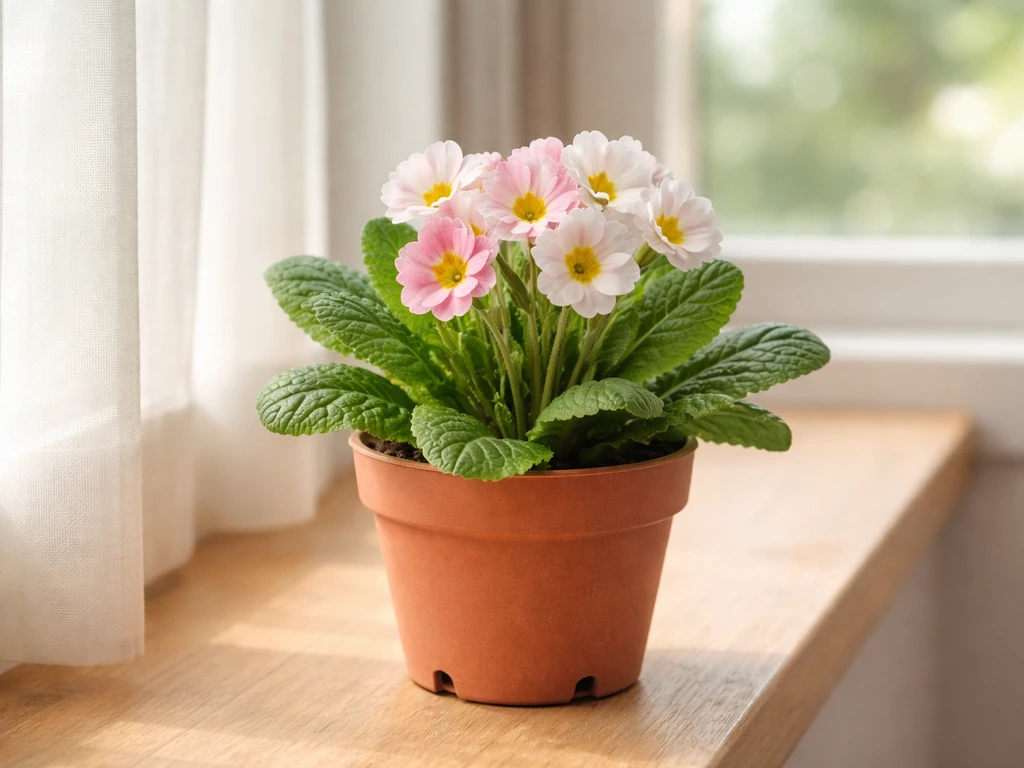
Yes, primula (primrose) can grow indoors, but there's a real catch: most of them are short-term performers, not permanent houseplants. You can absolutely keep them flowering beautifully on a cool windowsill for weeks, and with the right conditions they'll give you a genuinely impressive display. But expecting them to rebloom year after year indoors the way a pothos just keeps growing? That's where most people run into disappointment. The honest answer is that primula is best treated as a seasonal indoor guest, not a permanent resident, unless you're growing a specific type like Primula obconica (German primrose) which handles indoor life a bit more graciously than the typical florist primrose.
Can Primula Grow Indoors? Care Guide for Indoor Success
James Hartwell
14 May 2026
What you're actually working with
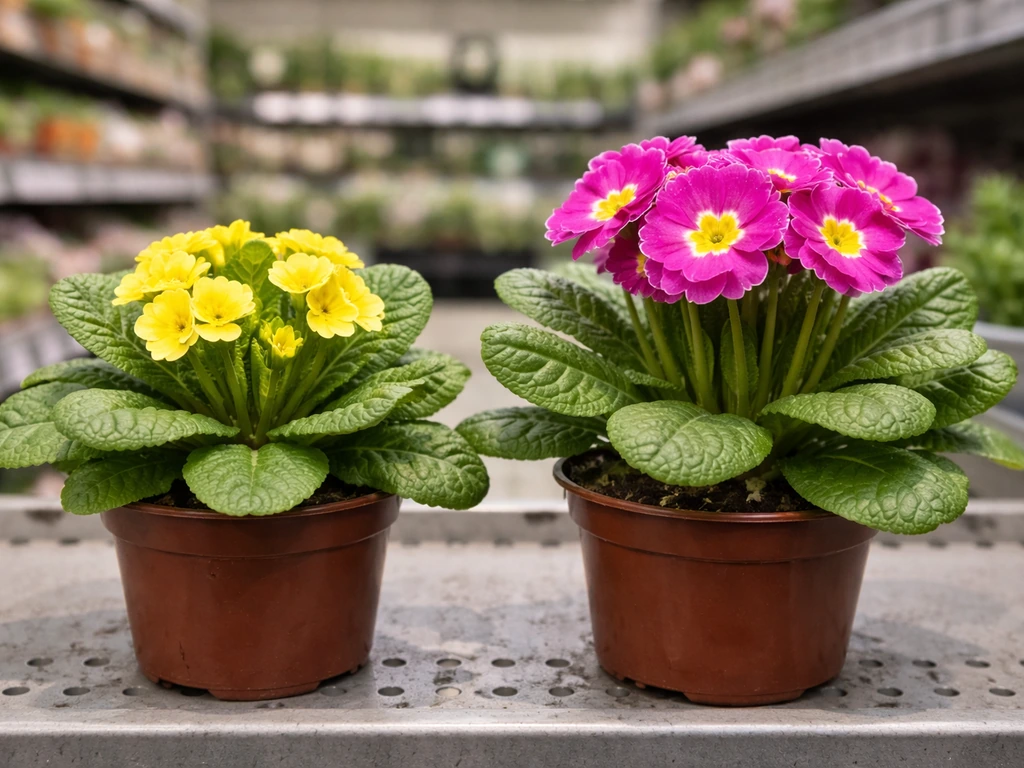
The primulas you see at garden centers and grocery stores in late winter and early spring are usually Primula acaulis or Primula vulgaris hybrids. They've been professionally forced into bloom using cool temperatures and controlled light. They arrive looking incredible, and then most people lose them within a few weeks because indoor conditions are nothing like what the plant actually needs. The Chicago Botanic Garden describes these gift-shop primroses as plants typically discarded or planted outdoors after blooming, and that's not pessimism, that's just honesty about the plant's indoor ceiling. Primula obconica is the exception worth knowing: it's bred more specifically for indoor life, handles warmth better, and can rebloom with the right care.
Light and where to put them by the window
Primulas want bright, indirect light. Think a north-facing window with good ambient brightness, or a spot a few feet back from an east-facing window where morning sun filters in gently. A south or west windowsill in full summer sun is actually too intense and will stress the leaves. This surprises people because most flowering houseplants want more light, not less, but primula is genuinely sensitive to strong direct light. Commercial cultivation guides specifically flag high light levels as a stress factor, not a benefit.
If your home is dim (a common apartment reality), a simple grow light on a timer set to about 12 to 14 hours helps. Use a full-spectrum LED positioned 6 to 10 inches above the plant. Keep it on a timer so the plant gets consistent light without the heat stress a lamp left on all day can create. I've seen people set up a small LED strip under a kitchen cabinet for a pot of primroses in winter and get genuinely beautiful results. Will portulaca grow indoors? A can polka dot plant grow indoors guide will help you match its light and watering needs for healthy growth indoors. If you're also wondering about herbs, you might be asking can purslane grow indoors as well. If you match its needs for bright light and consistent care, many people can keep it thriving as a window plant.
Temperature, humidity, and watering
Keeping it cool enough
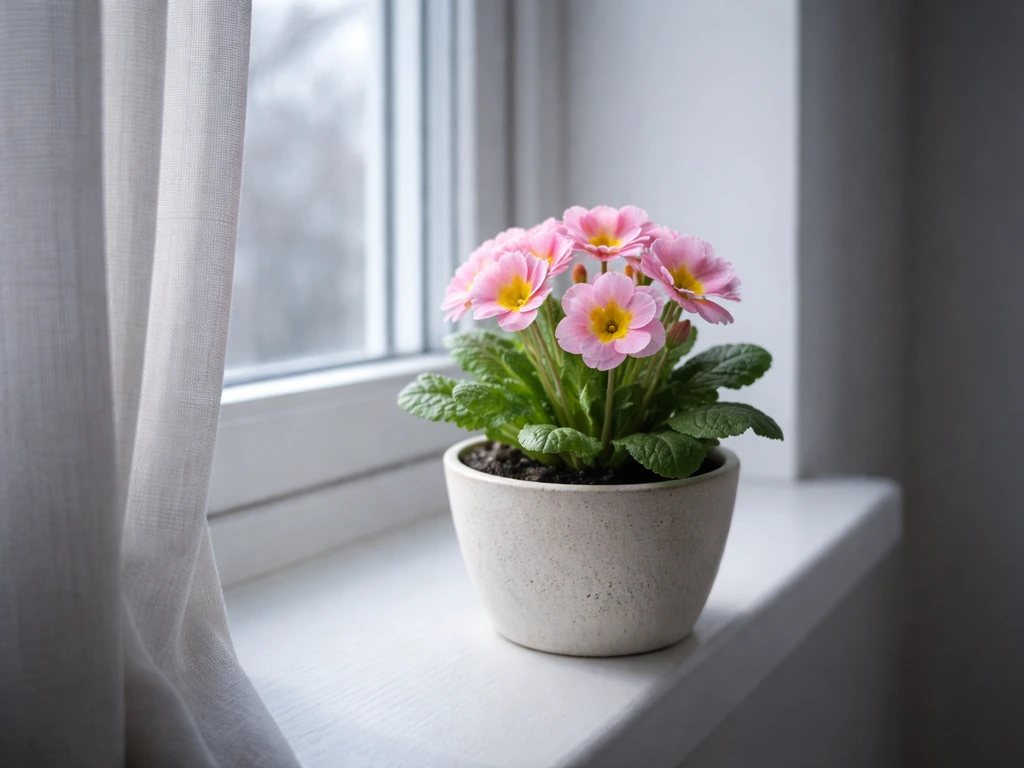
Temperature is the single biggest factor for indoor primula success, and it's the one most people don't adjust. Primulas genuinely prefer 55 to 70°F. If your living room sits at a cozy 72 to 76°F all winter, your primrose is going to decline faster than it should. A cool bedroom, a mudroom, a porch that doesn't freeze, or a spot near a north-facing window where the glass keeps temperatures down, those are your best bets. At night, a drop into the low 60s or even upper 50s is a good thing, not a problem.
Humidity without making things soggy
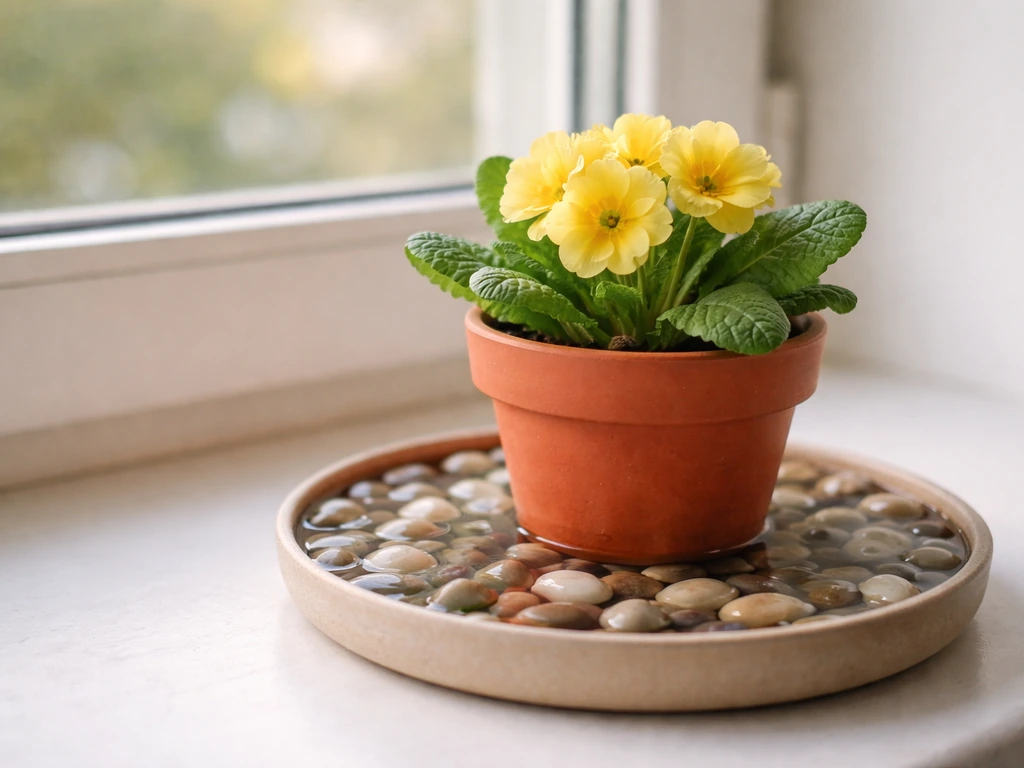
Primulas like moderate humidity but are extremely vulnerable to fungal problems when humidity gets too high or water sits on the leaves and crown. Two major diseases to watch for are Botrytis (gray mold, which thrives in cool, moist, still air) and powdery mildew (which explodes in humid conditions with poor airflow). The fix for both is good air circulation. Don't crowd primulas against other plants. A small fan on low, running a few hours a day nearby, does more good than most people realize. Cornell greenhouse research specifically highlights horizontal airflow as a key tool for managing powdery mildew, and Botrytis management guidance consistently points to wet tissue and stagnant conditions as the primary culprits.
Watering: the detail that makes or breaks it
Primulas like consistent moisture but absolutely cannot sit in soggy soil. The most reliable indoor approach is to water thoroughly when the top half-inch to inch of soil feels dry, then let excess water drain completely. Never let the pot sit in a saucer of water. Bottom watering (setting the pot in a tray of water for 20 to 30 minutes, then letting it drain) is widely recommended because it keeps water away from the crown and leaf bases, which is exactly where rot starts. Always use room-temperature water, not cold water straight from the tap, which can shock the roots. A useful low-tech check: lift the pot. If it feels light, water. If it still feels substantial, wait a day and check again.
Soil, pots, and drainage
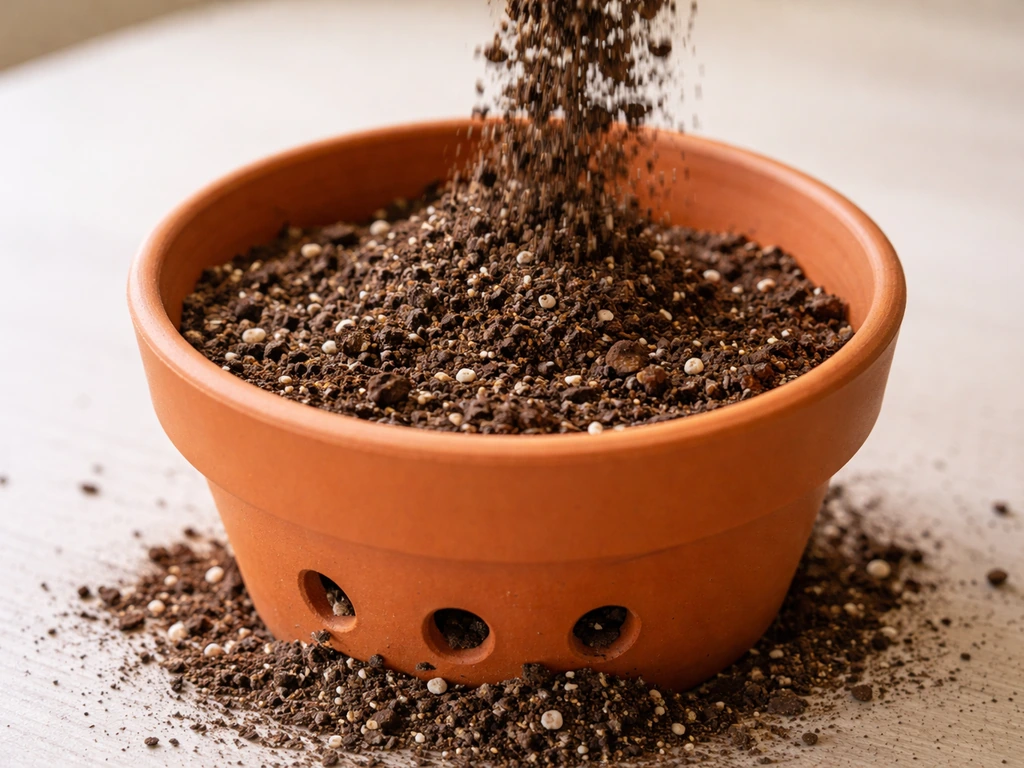
Primulas need a well-draining potting mix with a slightly acidic pH, ideally around 5. Griffins' commercial Primula malacoides culture sheet also calls for a mildly acidic target substrate pH range of 5.3 to 5.8, supporting this slightly acidic growing-medium guidance a slightly acidic pH, ideally around 5. 5 to 5.8. A standard peat-lite or peat-and-perlite mix works well. You can also use a quality all-purpose potting mix with extra perlite blended in at roughly a 3:1 ratio. Avoid dense garden soil entirely indoors, it compacts and holds too much water for primula roots to handle.
For the pot itself, drainage holes are non-negotiable. No drainage hole means guaranteed root rot with a primula indoors. Terracotta pots are excellent because they're porous and help the soil dry more evenly, which suits primula's moisture preferences perfectly. Plastic pots work too, but you need to be more careful about how often you water since they retain moisture longer. Size-wise, don't overpot: a pot just slightly larger than the root ball is right. A too-large pot holds excess moisture that roots can't absorb, which again raises the rot risk.
Potting up, dormancy, and month-by-month care
If you're repotting, do it carefully in spring after flowering, using fresh potting mix in a pot only one size up from the current one. Primulas can actually tolerate being slightly pot-bound for a while, so don't rush to repot every year. Every two to three years in spring is a reasonable rhythm.
Here's the part most indoor growers skip over: primulas need a cool period (called vernalization) to trigger the next round of blooms. Without a cold spell of sustained cooler temperatures, typically in the range of 40 to 50°F for several weeks, many primula types simply won't initiate new flower buds. This is why the standard advice is to move them outside after spring blooming, let them live outdoors through summer in a shaded spot, then bring them back inside in autumn as temperatures drop. That outdoor-to-cool cycle mimics what the plant would experience naturally and sets it up to bloom again.
| Time of Year | What to Do |
|---|---|
| Late winter / early spring | Enjoy blooms indoors in a cool, bright spot. Water carefully, bottom-water if possible. |
| Spring (after blooming) | Move outdoors to a shaded, sheltered spot. Let the plant rest and recover. |
| Summer | Keep outdoors in partial shade. Water normally. Don't let it dry out completely. |
| Autumn (temps dropping to 40–50°F) | Leave outdoors to get the cool vernalization period it needs to set buds. |
| Late autumn / early winter | Bring back indoors to a cool, bright spot. Watch for new bud development. |
If you don't have outdoor space (apartment living is real), you can try vernalizing in a cool garage, an unheated porch, or even a refrigerator for a short stint, though the logistics get complicated and results vary. For apartment dwellers with no outdoor option, honestly the most practical approach is to enjoy your primrose through its bloom period, then compost it and buy a fresh plant next year. That's not failure, that's just working with the plant's actual nature.
Troubleshooting the most common indoor problems
- Leggy, stretched growth: Almost always a light problem. The plant is reaching toward whatever light it can find. Move it to a brighter spot or add a grow light closer to the canopy.
- No blooms after the first flush: Either the room is too warm (above 70°F consistently) or the plant didn't get a vernalization cool period. There's no fertilizer fix for this, it's a temperature and seasonal issue.
- Yellowing leaves: Could be overwatering (check roots for rot, they'll be brown and mushy), too much direct sun causing bleaching, or roots that are waterlogged from sitting in a saucer. Lift the plant, inspect the roots, and adjust watering habits.
- Wilting even with moist soil: Classic root rot sign. Pull the plant from the pot, cut away any brown mushy roots with clean scissors, let the root ball air briefly, repot into fresh dry mix, and hold off watering for a few days.
- Gray fuzzy patches on leaves or stems (Botrytis): Improve airflow immediately. Remove any affected leaves or flowers. Avoid getting water on leaves. A small fan nearby helps prevent recurrence.
- White powdery coating on leaves (powdery mildew): Again, airflow is the first fix. Improve spacing, add a fan, and reduce humidity around the plant. In stubborn cases, a diluted neem oil spray applied to leaves (not the crown) can help.
- Pest issues (aphids, spider mites): Aphids love the soft new growth on primulas. Check leaf undersides regularly. A strong stream of water to knock them off, followed by insecticidal soap spray, handles most infestations. Spider mites show up when indoor air is too dry and warm, another reason to keep temperatures cool.
Which primula type is easiest indoors?
If you want the best shot at a primula that acts more like a real houseplant, look for Primula obconica (German primrose). It tolerates warmer indoor temperatures better than most, prefers 65 to 70°F, and can rebloom without the same strict vernalization dependence. Bright indirect light and careful watering are still essential, but it's genuinely more forgiving than the typical garden-center florist primrose. Note that Primula obconica sap can irritate sensitive skin, so handle it with gloves if your skin reacts to plants easily.
If you enjoy low-fuss indoor flowering plants and want something with more staying power, it's worth comparing primula to options like the polka dot plant or purple heart plant, both of which handle typical indoor temperatures and light levels with less fuss. Primula's appeal is its spectacular bloom and cool-season timing, which makes it perfect for a winter windowsill display even if it's not a forever houseplant. If you mean can a purple queen primula grow indoors, the same cool-light and temperature rules apply, and choosing the right variety matters winter windowsill display. If you're also curious about adding a can mogra plant to your indoor setup, you'll want to match its light, warmth, and humidity needs closely can mogra plant grow indoors.
FAQ
Will a grocery-store primrose rebloom indoors after it finishes flowering?
Yes, but only if you treat it as a cool-season display. Most commonly sold florist primroses are forced to bloom and often decline quickly indoors, especially without the cold period they need to form new buds. If you want a better chance, choose Primula obconica, and plan for partial refresh cycles (bloom, then start anew or move outdoors after flowering).
What should I do if my indoor primula won’t flower again?
Vernalization is the usual reason indoor rebloom attempts fail. A practical indoor alternative is to place the plant somewhere genuinely cool for several weeks, such as an unheated porch, cool garage, or a controlled cool room, then return it to bright indirect light. A normal warm living room temperature is not enough for most types to reliably initiate new flower buds.
How can I water indoors without causing crown or leaf rot?
Water from the soil, not from above. Keep water off the leaves and especially the crown, since that area is where rot and fungal issues start. If you see browning at the base or the plant looks suddenly limp while soil is wet, pause watering and increase airflow immediately.
Can I keep primula pots in a saucer to catch runoff?
Skip saucers completely or ensure the pot never sits in standing water. Even short periods of wet feet can keep the root zone saturated, leading to root rot in a matter of weeks. If you use a tray for bottom watering, lift the pot out as soon as excess water has been absorbed and let it drain fully.
How do I tell whether my primula is getting too much or too little light indoors?
Measure light by behavior. If leaves stretch toward the window, become pale, or you see scorched edges, the light is either too weak (stretching) or too strong (scorching). For primula, bright indirect light is best, so move it slightly back from a south or west window during summer.
My apartment is warm most of the time, is there any workaround for indoor primula?
Use a cool setting at night if your home runs warm. Even small overnight drops can help, while constant warmth speeds decline and can worsen powdery mildew when airflow is poor. If you rely on a heater, keep the plant away from vents because warm, dry air and drafts can both stress primula.
Will running a small fan really help with mildew on indoor primula?
Yes, but don’t overdo it. A small, low fan for a few hours daily helps prevent gray mold and powdery mildew by improving horizontal airflow around the leaves. Avoid placing the plant where it gets strong direct fan blasts, because that can dry the leaf surfaces too quickly and cause stress.
When is the right time to repot an indoor primula?
Look for a repot trigger rather than a calendar schedule. Repot after flowering only if roots are circling tightly, soil stays wet longer than usual, or the mix has broken down. If the plant still looks healthy and the soil drains well, waiting 2 to 3 years is usually safer than disturbing it every season.
What potting mix and pot size mistakes most often kill indoor primula?
Choose a mix that drains fast and doesn’t stay soggy, then use the smallest practical pot size with drainage holes. Overpotting is a common mistake indoors because extra soil stays wet longer than the roots can use. Terracotta often works better because it dries more evenly, but any pot can work if watering is controlled and drainage is excellent.
I don’t have a cool garage or outdoor space, is there any realistic way to keep primula as a long-term indoor plant?
For most people, not fully. If you can’t provide a consistent cool period for vernalization, the most reliable plan is to enjoy it while it blooms, then replace it after. Keep it in the best bright indirect location you have, and consider buying the next plant when temperatures naturally drop rather than trying to force year-round rebloom.
What should I prune or remove after flowering, and how do I respond to early disease?
Yes, a mild, controlled approach helps. Remove spent flowers and any yellowing leaves to improve airflow and reduce decay risk, but avoid pruning the main crown area. If you notice fuzzy gray growth or spreading white powder, act fast by improving airflow, reducing moisture on leaves, and separating affected plants to limit spread.