
Yes, Mexican heather (Cuphea hyssopifolia) can grow indoors, but it needs more light than most houseplants you're used to. Give it a bright south- or west-facing window with at least 6 hours of direct sun, keep the room warm, let the soil dry slightly between waterings, and you'll have a compact little flowering shrub that performs well inside. Skimp on the light and it gets leggy and stops blooming fast.
Can Mexican Heather Grow Indoors? Requirements and Care

James Hartwell
31 May 2026
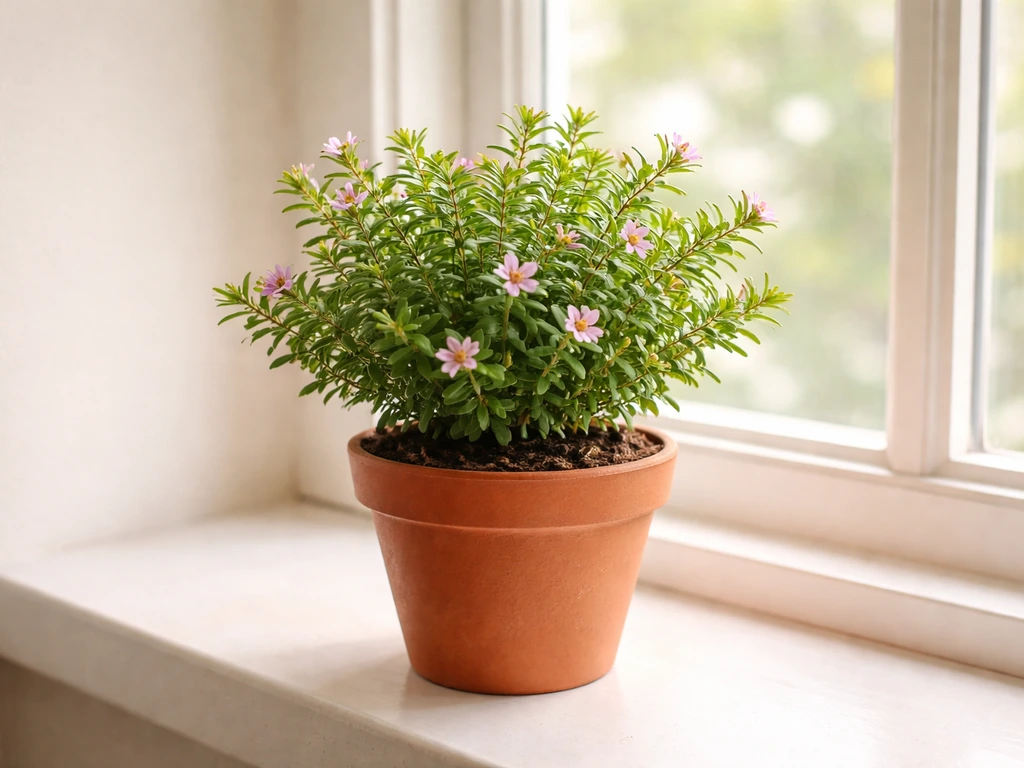
Is Mexican heather actually a good candidate for indoors?
Mexican heather is native to Mexico and Guatemala, which tells you a lot about what it wants: warmth, sun, and soil that drains fast. Outdoors it's described as a densely branched sub-shrub growing 1 to 3 feet tall, covered in tiny lavender, purple, or white flowers for most of the warm season. That dense, compact habit is exactly what you want to maintain indoors, and you can, provided the light is bright enough. The honest take is that it's more forgiving of brief dry spells than most flowering plants, and it adapts to container life fairly well. Where people run into trouble is treating it like a shade-tolerant houseplant. It isn't. Think of it less like a pothos and more like a miniature flowering shrub that happens to fit on a windowsill.
If you've ever looked into growing other textured or fine-foliage plants indoors, like dusty miller or hypoestes, you'll recognize the pattern: the ones with that ornamental, flowering outdoor personality all demand significantly more light than the average interior offers. If you're also wondering whether can hypoestes grow indoors, the biggest determinant is giving it enough bright light. If you are wondering can dusty miller grow indoors, the key is giving it enough light to keep the plant from getting leggy. Mexican heather fits that same profile. The good news is that a strong windowsill or a basic grow light setup solves the problem completely. If your windows are limited, a strong grow light setup is the related option that helps indoors. To help you get started, check what indoor light levels and placement it needs can horsetail grow indoors.
Light and where to put it
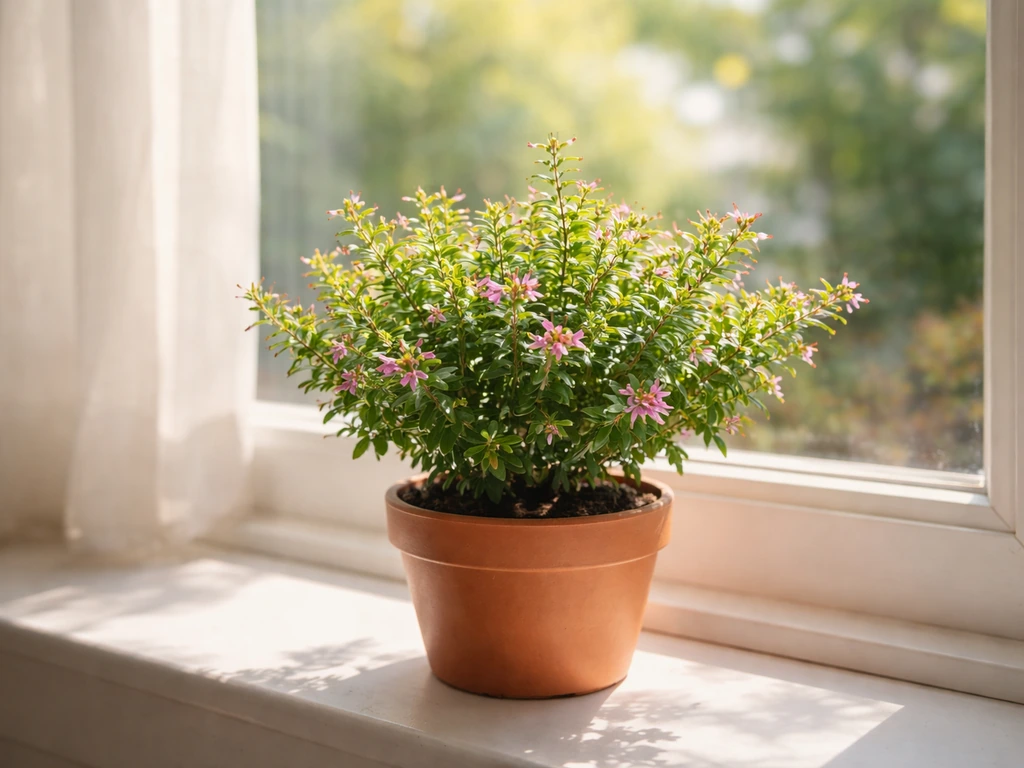
This is the most important decision you'll make for this plant. Mexican heather is classified as full sun to partial shade in every reputable growing reference, and indoor light is almost always dimmer than it looks to your eyes. Texas SmartScape lists Mexican heather with a Light Requirement of “Partial Shade, Full Sun,” which supports that it is not a fundamentally low-light species blank" rel="noopener noreferrer">Light Requirement as “Partial Shade, Full Sun”. If you're also wondering can sedum grow indoors, note that light expectations tend to be similar since both prefer bright conditions. A bright room with no direct sun hitting the leaves is not enough. You need actual sun on the foliage, ideally 6 to 8 hours daily. Low light directly causes poor branching and stem elongation, meaning you get a tall, floppy plant with sparse flowers instead of that tight, bushy form.
For window placement, a south-facing window is your best option in the Northern Hemisphere. A west-facing window can work if it gets several unobstructed hours of afternoon sun. East-facing windows are marginal and north-facing windows won't cut it at all. Keep the plant right at the glass, not a foot back from it. Every inch of distance from a window dramatically reduces the light intensity reaching the leaves.
If your windows are limited, a grow light is a reliable fix. blank" rel="noopener noreferrer">Run it 16 hours on and 8 hours off each day, and position the plant 3 to 4 inches beneath a fluorescent or LED grow fixture. This is the same schedule used for starting Cuphea seedlings, and it works well for keeping established plants compact and blooming indoors. A timer makes this completely hands-off.
Pot, soil, and drainage setup
Mexican heather's native habitat leans toward well-drained soils, and that preference intensifies in a pot indoors where water can't escape laterally. Root rot from soggy soil is a far more common killer indoors than drought stress with this plant. Get the container and soil right and you remove one of the biggest failure modes upfront.
Choose a pot with at least one drainage hole, ideally two. Terra cotta pots are genuinely helpful here because they wick moisture away from the root zone through the walls, giving you a wider margin for error on watering frequency. Plastic pots hold moisture longer, so if that's what you're using, be more conservative with water. A 6- to 8-inch pot is the right starting size for a young plant. Going too large means extra soil that stays wet around the roots long after the surface looks dry.
For soil, skip the standard potting mix on its own. It tends to hold too much water for this plant. Mix in about 25 to 30 percent perlite or coarse sand to increase drainage. A cactus or succulent mix blended with standard potting soil in roughly equal parts also works well. The goal is a mix that drains fast but still holds some moisture, not one that dries out in a single day.
Watering and humidity
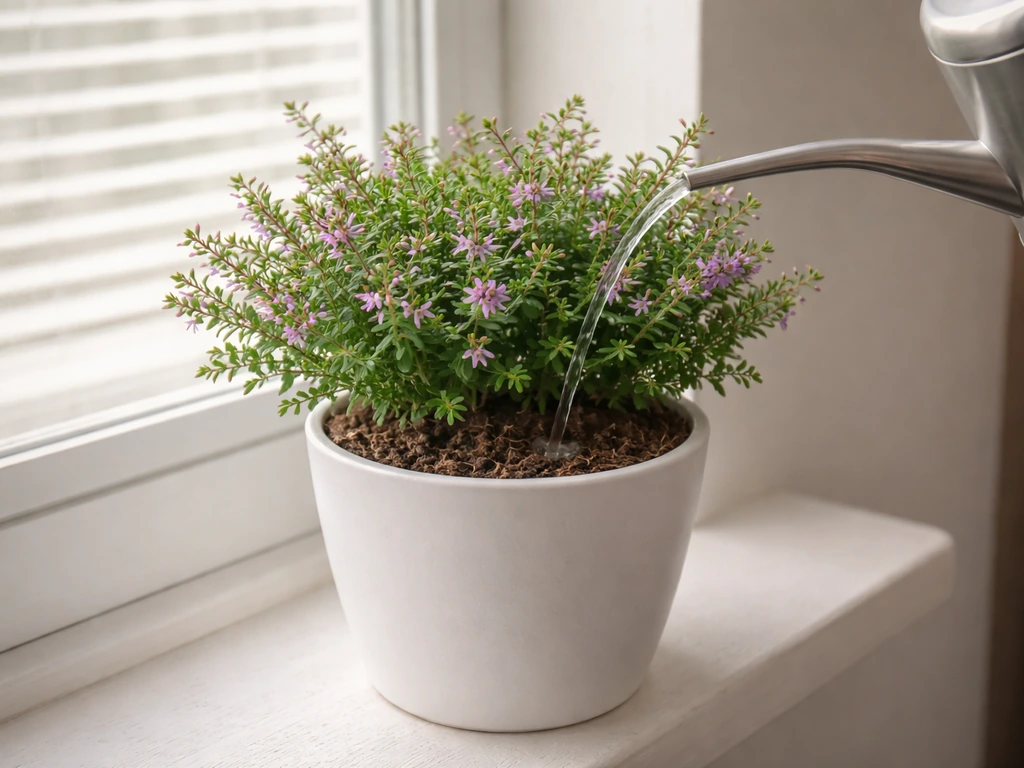
The rule with Mexican heather indoors is: water medium, not often. It's described by multiple sources as needing medium water, and one grower sheet specifically notes it needs little water, pointing out that indoor outcomes hinge on keeping the root zone from staying saturated. Water thoroughly when the top inch of soil feels dry, then let the pot drain completely. Never let it sit in a saucer of standing water. In a well-lit warm room, this might mean watering every 5 to 7 days in summer and stretching to every 10 to 14 days in winter when growth slows.
On humidity, Mexican heather is more adaptable than some tropical houseplants. Normal indoor humidity levels (around 40 to 50 percent) are generally fine. That said, if you run central heating in winter and your air gets very dry (below 30 percent), you may notice increased spider mite activity, since mites thrive in hot, dry, low-humidity conditions. A simple pebble tray with water beneath the pot, or occasionally misting the foliage, helps bump humidity around the plant without wetting the soil. Misting also helps physically dislodge mites if they appear.
Temperature and airflow
Mexican heather wants to be warm. The ideal indoor temperature range is 75 to 85 degrees Fahrenheit (24 to 29 degrees Celsius) during the day. Cool nights noticeably slow growth and reduce flowering, so if you're in a room that drops into the low 60s at night, the plant will just sort of sit there looking okay but not doing much. Most standard living spaces stay warm enough, but watch out for placement near windows in winter where cold drafts can hit the foliage, or near single-pane glass that creates a cold microclimate against the wall.
Air circulation matters more than people expect. Stagnant air around dense foliage encourages fungal issues, including powdery mildew, and creates favorable conditions for pests. Don't push the plant into a tight corner. If your home has low airflow, running a small fan on the lowest setting nearby for a few hours a day makes a real difference. At the same time, keep Mexican heather away from heating vents and air conditioning units. Direct hot or cold forced air stresses the plant and dries the foliage unevenly.
Common indoor problems and how to fix them
Leggy, stretched growth
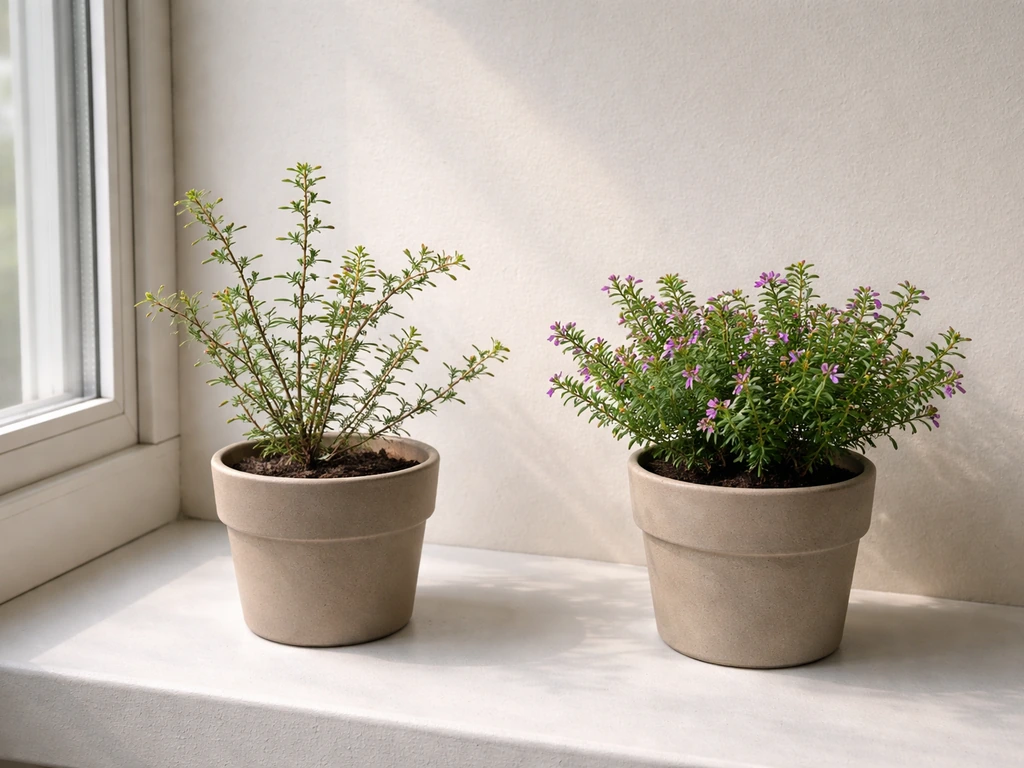
This is the most common indoor complaint with Mexican heather, and it almost always traces back to insufficient light. If the stems are long and thin between leaves and flowering has stopped, the plant is reaching for light it isn't getting. Move it closer to the brightest window you have or add a grow light. Once it's in better light, pinch back the leggy stems by a third to encourage bushy new growth. Commercial growers actually pinch Cuphea plants 10 to 14 days after transplanting to promote branching, and you can use the same approach to reshape a stretched-out indoor plant.
Leaf drop and yellowing
Sudden leaf drop usually signals a stress event, most often a temperature shock (cold draft, AC vent), overwatering, or a dramatic shift in light. Yellow leaves often mean overwatering or, less commonly, underwatering combined with low light. Check the root zone: if the soil smells musty or the roots look brown and mushy, you've got root rot from too much water. Let the soil dry out more thoroughly between waterings going forward, and consider repotting into a faster-draining mix if the current one stays soggy.
Root rot
Excess water causes root damage even without a specific pathogen. The symptoms are water-soaked, tan-to-brown roots and a plant that looks wilted even in moist soil. If you catch it early, remove the plant from its pot, trim off any dark mushy roots, let the root ball air dry for an hour, and repot in fresh, well-draining mix. Improve your watering habits going forward: when in doubt, wait another day or two before watering.
Spider mites
Two-spotted spider mites love hot, dry environments with low humidity, which is basically the interior of a heated home in winter. Look for fine webbing between leaves and a stippled, dusty appearance on the foliage. Treat by rinsing the plant thoroughly in the shower to wash mites off, then increase humidity around the plant. Neem oil or insecticidal soap applied to all leaf surfaces, including undersides, knocks back populations. Repeat every 5 to 7 days for 3 weeks.
Whiteflies
Whiteflies are a persistent nuisance on flowering ornamentals in enclosed indoor spaces. You'll notice tiny white insects that flutter up when you disturb the foliage. Yellow sticky traps placed just above the plant canopy are a good first-line monitor and trap. Gently shaking the plant over the traps helps catch adults. Insecticidal soap and neem oil treatments work here too, but consistency is key since whiteflies are notoriously tough to fully eliminate once established. Scout for them early, especially if you've recently brought the plant in from outdoors.
What to realistically expect indoors
Let's be straight: Mexican heather indoors won't perform quite like it does in a sunny outdoor garden bed. Outdoors it can be a near-constant bloomer through warm months. Indoors, even with good light, flowering will be less prolific, and overall growth will be slower. But it stays attractive, it stays compact (especially with occasional pinching), and it can flower reliably through most of the year if the light is genuinely bright. Think of it as a cheerful windowsill shrub rather than expecting a garden-bed explosion of color.
It's also worth noting that Mexican heather is not cold-hardy and is often grown as an annual in cooler climates. Bringing it indoors for winter in zones where it can't survive outside is actually one of the smartest uses of indoor growing. It will overwinter well in a warm, bright spot, and you can move it back outside when temperatures settle above 60 degrees Fahrenheit in spring.
Your next-step checklist
- Choose your brightest spot: south- or west-facing window with direct sun hitting the leaves for at least 6 hours, or set up a grow light on a 16-hour timer positioned 3 to 4 inches above the plant.
- Pick the right pot: 6 to 8 inches wide with drainage holes. Terra cotta is ideal.
- Mix your soil: standard potting mix blended with 25 to 30 percent perlite, or a 50/50 cactus mix and potting soil blend.
- Water on cue: let the top inch of soil dry out before watering, then water thoroughly and drain completely. Never leave it sitting in water.
- Keep it warm: aim for 75 to 85°F indoors. Keep it away from cold drafts, AC vents, and heating registers.
- Improve airflow: avoid tight corners. Use a gentle fan if your room air is stagnant.
- Pinch it early: after bringing it in or transplanting, pinch the stem tips back to encourage bushy growth instead of leggy stretching.
- Scout for pests: check leaf undersides weekly, especially in winter. Put up a yellow sticky trap if you've had pest trouble before.
- Manage humidity in winter: use a pebble tray under the pot or occasional foliage misting if your indoor air gets very dry.
FAQ
Can I move my Mexican heather indoors from outdoors without it dropping leaves?
Yes, but you must acclimate it over about 7 to 14 days. Start by placing it in brighter-than-before shade (near a window but not in harsh midday sun), then gradually increase direct sun exposure, otherwise leaf drop and sun scorch can happen.
Will a bright room with no direct sun work for can Mexican heather grow indoors?
If you do not have direct sun, use the grow-light option. Simply turning on room lights or using a partially shaded window usually leads to leggy growth and fewer flowers, because this plant needs sun on the foliage rather than just bright ambient light.
Can Mexican heather grow indoors if I keep it near a window during winter?
Yes, it can, but choose a warm location and watch for cold glass. Even indoors, cold drafts or contact with cool window panes can cause stalling or leaf drop, especially in winter nights.
Should I prune Mexican heather in winter when it is indoors?
Yes, but keep it compact. Water less often in winter, and use pinching only if it’s actively producing new growth. If growth has slowed due to lower light, severe pruning can reduce flowering for a while.
Can I fertilize Mexican heather indoors, and how often?
Generally, yes. Use a liquid fertilizer formulated for flowering plants at half strength, applying after the plant starts actively growing and only when light is high enough to support new growth. Avoid feeding when the plant is stressed by low light or cold.
How do I know when to repot my indoor Mexican heather?
For most indoor plants, repot only when roots fill the pot or drainage issues appear. If you upsize, go one pot size at most, because extra soil stays wet longer and increases root-rot risk.
Why did my indoor Mexican heather stop blooming suddenly?
It’s normal for indoor plants to slow flowering in winter, but rapid declines usually mean light has fallen, temperatures dropped, or watering stayed too wet. Re-check direct sun hours or grow-light height first before changing multiple variables at once.
My Mexican heather looks wilted even though the soil is still moist, what should I do?
Common causes are root saturation, insufficient direct sun, or cold stress. Check the soil smell and root color first, then confirm the plant is getting true sun (or adjust grow-light distance). Avoid switching to a bigger pot to “fix” blooming.
Can I propagate Mexican heather indoors from cuttings?
Yes, propagation works, and it is often easiest from stem cuttings in warm conditions. Take a cutting with nodes, remove lower leaves, let it dry briefly, then root in a well-draining medium while keeping light bright (grow light helps).
Can I water Mexican heather and leave water in the saucer?
Be careful with saucers. If it is already in a saucer, empty it after watering every time so the pot never sits in standing water, this is one of the fastest ways to trigger root rot indoors.
How can I tell when to water Mexican heather indoors without overwatering?
Use an indicator: if the top inch is dry and the pot feels light, water thoroughly. If it is still slightly damp at the top, wait, and do not rely on a fixed calendar schedule because indoor heat and light level change watering needs.
What is the best way to prevent spider mites on indoor Mexican heather?
Yes, but treat it as a pest management priority. Catch mites early by inspecting undersides of leaves weekly, then increase humidity and rinse the plant. If you ignore early signs, populations can rebound quickly even after one treatment.