
Yes, purple sweet potato vine (Ipomoea batatas 'Purple') can grow indoors, and it can actually do quite well if you give it enough light and warmth. While purple sweet potato vine is the focus here, the same general indoor-care idea applies when you’re wondering can turtle vine grow indoors. You can use the same indoor lighting, warmth, and pot setup to start Carolina Reapers indoors, too.
Can Purple Sweet Potato Vine Grow Indoors? Complete Guide

James Hartwell
3 Jun 2026
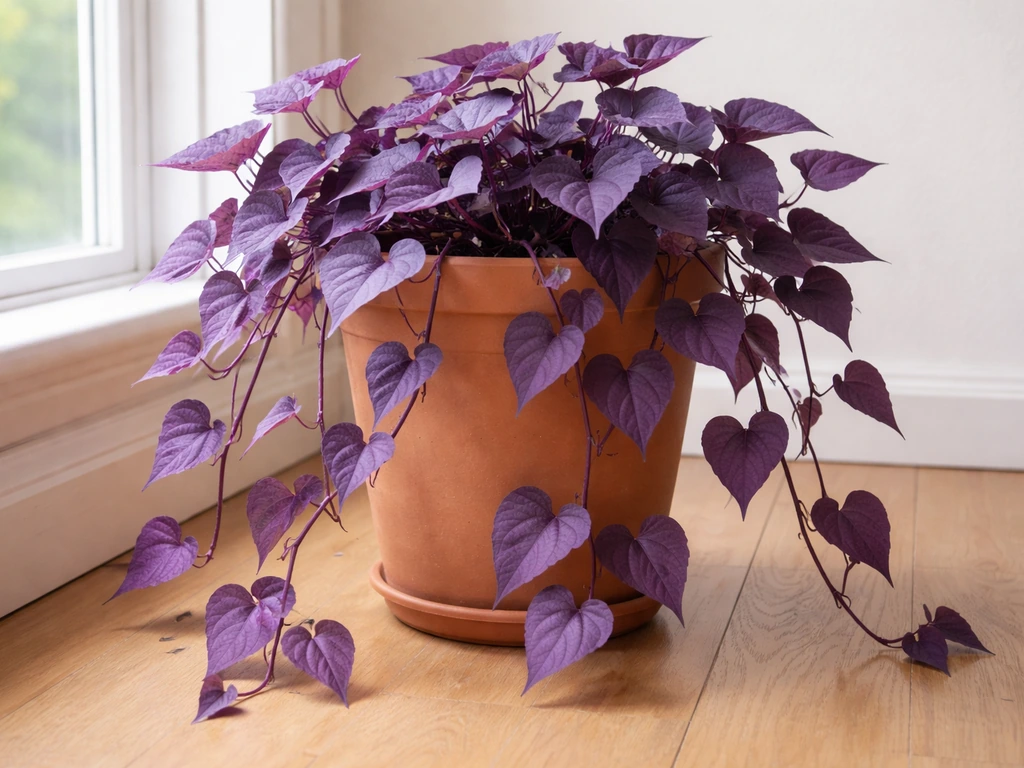
The catch is that this plant is a sun-lover and a fast grower, so it needs a genuinely bright spot, consistent warmth above 55°F, and a container big enough to keep up with its ambitions. Get those three things right and you'll have a gorgeous trailing plant spilling off your windowsill or shelf. Ignore them and you'll end up with long, pale, leggy stems reaching desperately for the nearest light source.
Is purple sweet potato vine actually a good indoor plant?
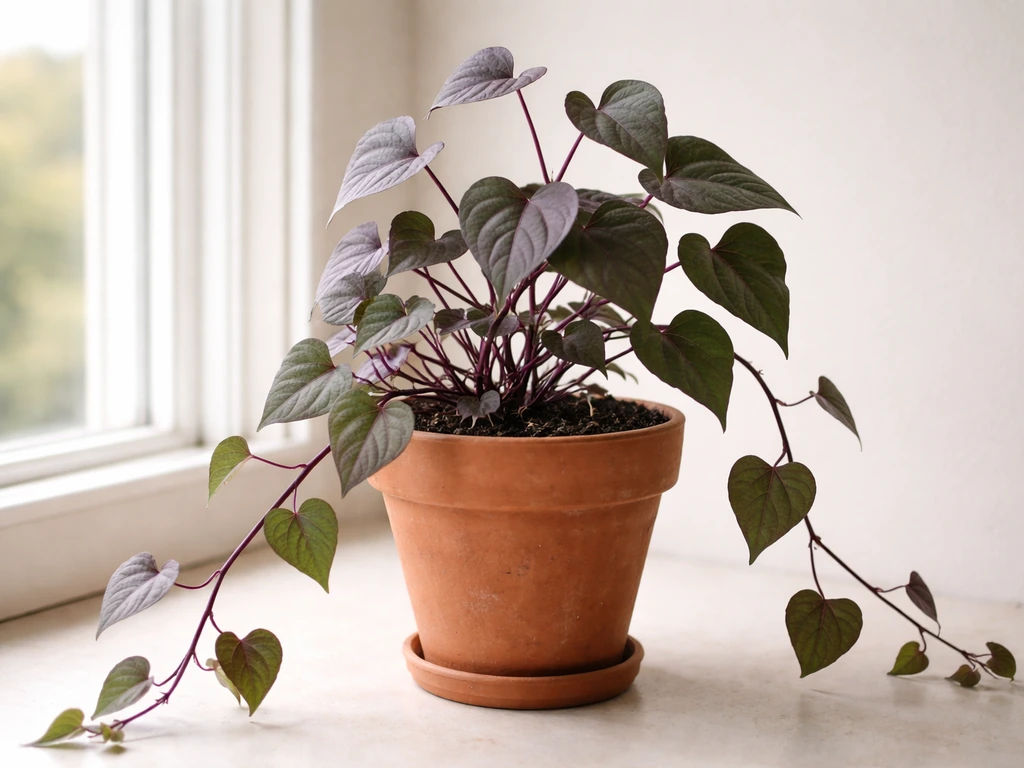
Honestly, it's a conditional yes. Purple sweet potato vine is blank" rel="noopener noreferrer">classified as a warm-season annual outdoors in most climates, which means it's naturally wired for heat, sun, and vigorous growth. That fast-growing, trailing habit that makes it such a showstopper in outdoor containers and hanging baskets translates surprisingly well to indoor life, as long as you can replicate the key conditions. Indoors, it won't behave as explosively as it does in a summer garden bed, but it will grow steadily and stay lush.
The main indoor survival factors to keep in mind are these: bright light (this is the most common failure point), consistent warmth, adequate container size, and good drainage. Get those dialed in and the plant will essentially function as an indoor perennial for you, growing year-round rather than dying back with the seasons. Many apartment dwellers bring cuttings inside in late summer specifically to overwinter them, which is a smart move since the plant is injured at temperatures below 55°F and won't survive outdoors in most climates once fall arrives.
Light requirements: the make-or-break factor
Purple sweet potato vine needs as much light as you can give it indoors. Ideally, place it directly in a south- or west-facing window where it receives at least 6 hours of direct or near-direct sun per day. An east-facing window with bright morning sun can work as a secondary option, but growth will be slower and the stems will reach more. North-facing windows are not going to cut it for this plant.
If your best window only gives you 4 to 5 hours of sun, or if you're in a darker apartment, a grow light is not optional, it's necessary. A full-spectrum LED grow light positioned 6 to 12 inches above the plant for 12 to 14 hours per day does the job well. I've had the best results running a timer so the plant gets consistent light exposure rather than relying on variable natural light during winter months. The deep purple color in the leaves also tends to be more vibrant with more light, so this isn't just about growth speed, it's about how good the plant actually looks.
Choosing the right container, soil, and drainage setup
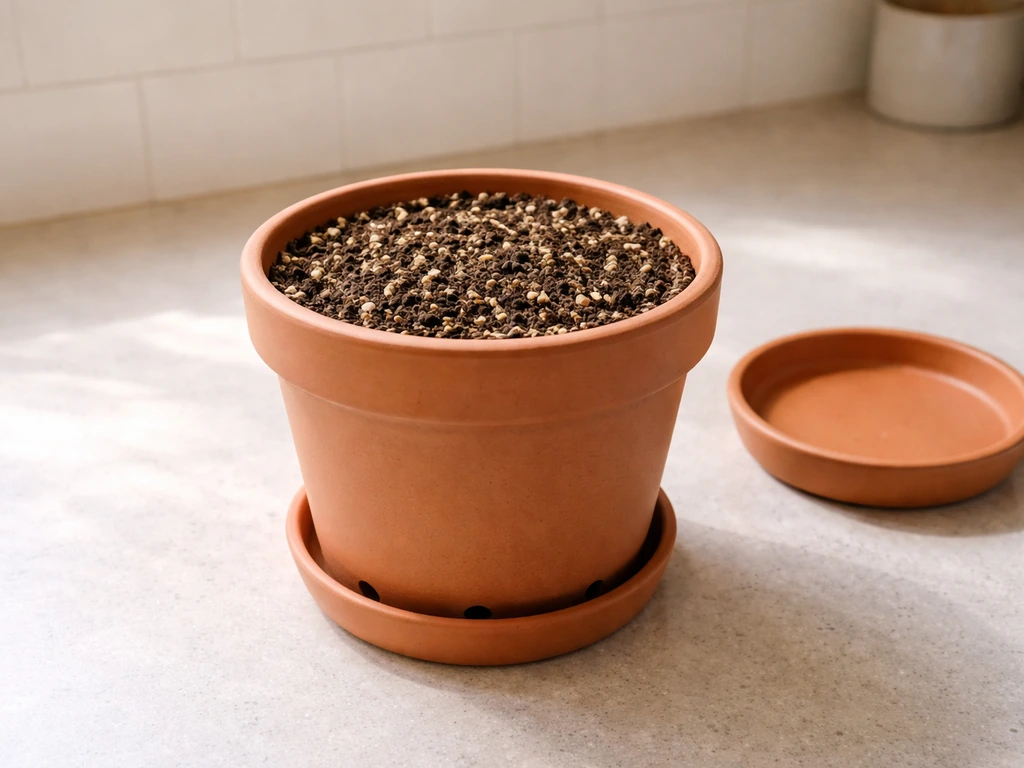
Container size matters more with this plant than with most. Because it grows fast and develops a substantial root system (it can form tubers, after all), start with at least a 10- to 12-inch pot and be ready to size up within a season or two. A cramped root zone slows growth and stresses the plant unnecessarily. Hanging baskets work especially well indoors if you want to showcase the trailing vines.
For soil, use a well-draining potting mix rather than garden soil, which compacts too easily in containers. A standard quality indoor potting mix with added perlite (about 20 to 25% perlite by volume) improves aeration and drainage significantly. This is important because purple sweet potato vine does not like waterlogged roots at all, and root rot is one of the most common indoor killers.
Whatever container you use, it must have drainage holes. No exceptions. If you love a decorative pot without holes, use it as a cachepot and set the actual growing container inside it, making sure there's no standing water pooling at the bottom after you water.
How to start it indoors and propagate from cuttings
The most practical way to get started is to root a stem cutting, especially if you're bringing the plant in from outdoors at the end of summer or getting a cutting from someone else's plant. This is far faster and more reliable than trying to start from seed, and it lets you clone the exact purple variety you want.
- Take a healthy stem cutting 4 to 6 inches long, cutting just below a leaf node.
- Remove the lower leaves so the bottom 2 to 3 inches of stem are bare.
- Place the cutting in a glass of clean water on a bright windowsill, or push it directly into moist potting mix.
- If rooting in water, roots should appear within 1 to 2 weeks. Change the water every few days to keep it fresh.
- Once roots are 1 to 2 inches long, pot the cutting into your prepared container with well-draining mix.
- Keep the newly potted cutting out of direct harsh sun for a few days while it adjusts, then move it to your sunniest spot.
You can also start indoors from a sweet potato tuber by placing it halfway submerged in water (toothpicks through the sides to suspend it work perfectly) in a warm, bright spot. Slips will emerge from the eyes of the tuber in a few weeks. Once slips are 4 to 6 inches long, twist them off and root them as cuttings. This method is more of a project but incredibly satisfying if you want to grow from scratch.
Watering and fertilizing indoors
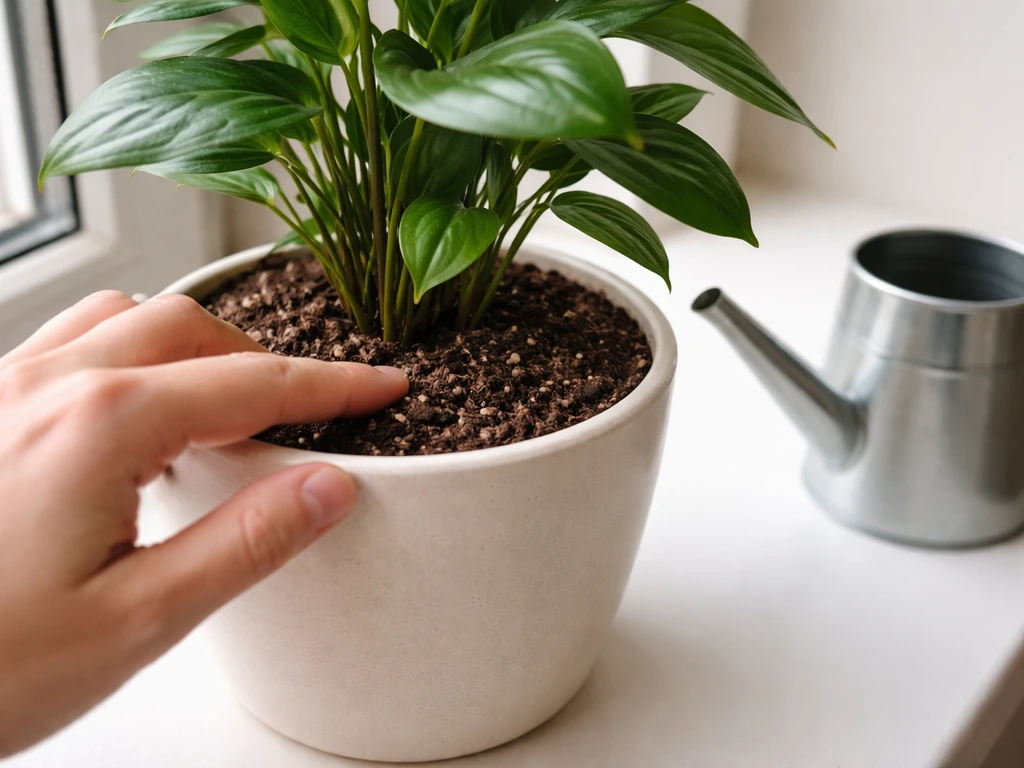
Water thoroughly when the top inch of soil feels dry, then let excess water drain completely. In a warm, bright indoor spot, this will probably mean watering every 5 to 7 days, but always check the soil rather than watering on a fixed schedule. In lower light or during cooler months, the soil dries out more slowly and you risk overwatering if you stick to a rigid routine.
The signs of overwatering (yellowing lower leaves, mushy stems, soggy soil) are much worse than underwatering for this plant, so err on the side of slightly drier. Under typical indoor warmth, the plant is fairly drought-tolerant short-term because of its tuber storage capacity.
For fertilizing, use a balanced liquid fertilizer (something like a 10-10-10 or 20-20-20) diluted to half strength every 2 to 3 weeks during active growth. Because this is grown as an ornamental foliage plant indoors rather than for its tubers, you don't need to go heavy on potassium the way you might for a food crop. Reduce or stop feeding in the darkest months of winter if growth slows down significantly.
Temperature, humidity, and airflow
Keep this plant in temperatures between 65°F and 85°F for best performance. Anything below 55°F causes cold injury and the plant will decline quickly, which is exactly why bringing it inside before fall temperatures drop is so important. Keep it away from drafty windows, exterior doors, and air conditioning vents that blast cold air directly on the leaves.
Purple sweet potato vine appreciates moderate to higher humidity, in the range of 50 to 60%, which mirrors the warm outdoor conditions it loves. Most average homes sit around 30 to 50% humidity, which is on the lower end but usually workable. If your home runs very dry (common in winter with heating systems running), a small humidifier nearby or a pebble tray with water underneath the pot helps. Don't mist the leaves regularly though, as sitting moisture on the foliage can encourage fungal problems.
Good airflow around the plant matters more than many people realize. Stagnant air encourages pests and fungal issues. A gentle fan running nearby on its lowest setting, or simply making sure the plant isn't crammed into a still, poorly ventilated corner, goes a long way toward keeping it healthy.
Pruning, training, and keeping it from going leggy
Left unpruned in lower-light conditions, purple sweet potato vine will throw out long, spindly stems with widely spaced leaves searching for more light. That's the classic leggy look, and it's both an aesthetic and health problem. The fix has two parts: improve the light situation, and prune actively.
Pinch or trim the growing tips regularly, every 2 to 3 weeks during active growth, to encourage the plant to branch out rather than just reach. Cut just above a leaf node and the plant will push out two or more new shoots from that point. Those trimmings, by the way, make perfect propagation cuttings, so you can root them and fill in the same pot for a fuller appearance, or start new plants.
If you want to train the vines in a specific direction, small hooks or clips on a trellis or along a shelf edge work well. The vines won't cling on their own the way a true climbing vine like Virginia creeper does, so they need a little guidance. If you are wondering can you grow Virginia creeper indoors, the answer is usually no unless you can provide very strong light and the right support setup. For a trailing look, let vines hang freely over the edge of a pot on a high shelf or plant stand. Rotating the pot a quarter turn every week or so keeps growth even and prevents the plant from leaning hard toward the light.
Common indoor pests and problems
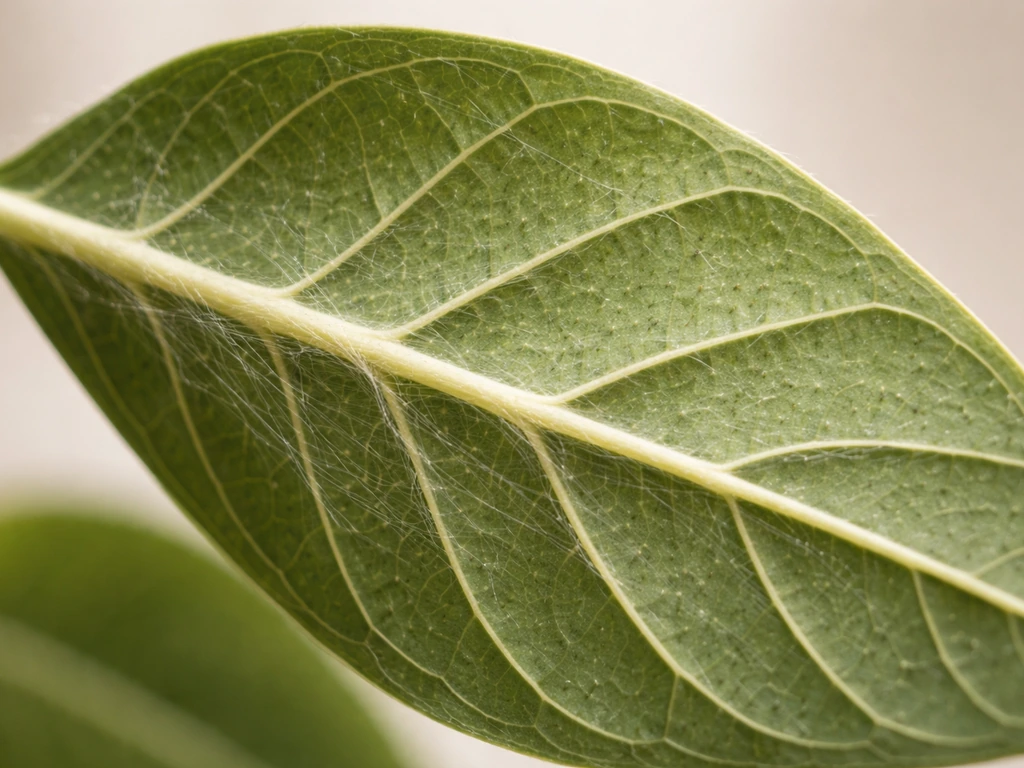
Pests to watch for
- Spider mites: the most common indoor pest on this plant, especially in dry conditions. Look for fine webbing on the undersides of leaves and a faded, stippled appearance on leaf surfaces. Treat with insecticidal soap spray or neem oil, and boost humidity.
- Mealybugs: white cottony clusters in leaf joints and stem crevices. Wipe off with a cotton swab dipped in rubbing alcohol and follow up with neem oil.
- Aphids: soft, clustered insects on new growth and stem tips. Knock off with a strong water spray in the sink and treat with insecticidal soap if they persist.
- Fungus gnats: tiny flies hovering around the soil, usually a sign of consistently overwatered soil. Let the top layer of soil dry out between waterings and use sticky traps to catch adults.
Troubleshooting common problems
| Problem | Likely Cause | Fix |
|---|---|---|
| Yellowing lower leaves | Overwatering or root rot | Let soil dry out, check roots, improve drainage |
| Pale or washed-out leaf color | Too little light | Move to brighter window or add grow light |
| Long, spindly stems with few leaves | Insufficient light, not enough pruning | Increase light, pinch tips regularly |
| Wilting despite moist soil | Root rot from waterlogged soil | Repot into fresh dry mix, trim any rotted roots |
| Leaf drop or sudden decline | Cold draft or temperatures below 55°F | Move away from drafts, check ambient temperature |
| White powdery coating on leaves | Powdery mildew from poor airflow | Improve ventilation, apply diluted neem oil |
Quick setup checklist to get started today
- Find your sunniest window (south- or west-facing preferred) or set up a full-spectrum LED grow light on a 12-to-14-hour timer.
- Get a 10- to 12-inch container with drainage holes and fill it with quality potting mix mixed with about 20% perlite.
- Source a stem cutting (from an outdoor plant, a garden center, or a friend) and root it in water or directly in moist soil.
- Place the plant in the warmest spot in your home, away from drafts and vents, ideally between 65°F and 85°F.
- Water when the top inch of soil is dry, fertilize with half-strength liquid balanced fertilizer every 2 to 3 weeks.
- Pinch stem tips every 2 to 3 weeks to keep growth bushy and full.
- Check the undersides of leaves weekly for early signs of spider mites or mealybugs.
If you already grow other trailing vines indoors, you'll find purple sweet potato vine fits into a similar care routine, though it generally needs more light than softer trailing plants like turtle vine or potato vine. The payoff is that deep, striking purple foliage that looks genuinely dramatic in a hanging basket near a bright window. Once you get the light situation handled, this plant is more forgiving than its outdoor reputation as a full-sun powerhouse might suggest. If you’re also wondering can you grow silvervine indoors, the same indoor-care mindset applies, just with attention to the plant’s specific light and placement needs.
FAQ
How cold can purple sweet potato vine handle indoors if I leave it near a window at night?
Avoid letting it sit below about 55°F, because cold injury can start quickly and may show up later as declining growth or leaf drop. If your window area gets chilly at night, move the pot a few feet back or use a window insulator to reduce heat loss.
Can I grow it in a bathroom indoors?
It can work if the bathroom has bright light. Many bathrooms have humidity, but light is often the limiting factor. If you do not get several hours of direct or near-direct light, plan on a grow light placed 6 to 12 inches above the plant.
What size pot should I start with to avoid problems later?
Start with at least a 10 to 12 inch pot if you want steady growth instead of stalling. Because it can form tubers and develops a substantial root system, going too small often leads to slower vine growth and more frequent dry-down cycles.
Is misting the leaves a good way to raise humidity?
Usually no. The plant can handle moderate humidity, but regular leaf misting often keeps foliage wet and can increase fungal issues. Better options are a small humidifier nearby or a pebble tray, keeping water from splashing onto the leaves.
Why is my plant leggy even though I rotate the pot?
Rotation helps even out lean, but it cannot compensate for insufficient light. If you have fewer than about 6 hours of direct or near-direct light, the plant will stretch. Add a full-spectrum LED and also pinch back the growing tips every 2 to 3 weeks.
What is the fastest way to fix yellowing leaves indoors?
Check soil moisture first. Yellowing lower leaves combined with soggy soil, mushy stems, or a foul smell points to overwatering and root stress. Let the top inch dry more between waterings, ensure drainage holes, and consider refreshing the potting mix if it has stayed wet for long periods.
Can I propagate purple sweet potato vine from trimmed stems even if they are not rooted yet?
Yes. Cuttings from pinches or trims root readily, but they still need warmth and bright light to callus and develop roots. Keep the cutting in a bright spot, and do not keep it in waterlogged conditions if rooting directly in soil.
Should I fertilize year-round indoors?
No, reduce feeding when growth slows in winter or during darker weeks. Use half-strength balanced liquid fertilizer every 2 to 3 weeks during active growth, then cut back or stop to avoid salt buildup and weak, pale growth.
Can I grow it hydroponically or in water like some sweet potato setups?
You can start from a tuber in water to produce slips, but long-term water culture is trickier because oxygen levels and water quality matter. If you try it, ensure frequent root aeration, use clean water, and monitor for rotting, because the plant does not tolerate stagnant, waterlogged conditions well.
What pests should I watch for indoors?
Even with good care, indoor trailing plants can attract spider mites, mealybugs, and aphids, especially in dry air or near windows with outdoor exposure. Check leaf undersides regularly, and if infestations appear, isolate the plant and treat promptly rather than waiting for heavy symptoms.
Can I bring it back outside in spring after overwintering it indoors?
Yes, but acclimate gradually. Start with a sheltered location with bright shade, then increase sun over 7 to 14 days. This reduces leaf scorch and stress from the stronger outdoor light and cooler nights.
Why are the purple leaves fading to green?
Leaf color often correlates with light intensity. If the plant gets less than it needs, purple tones commonly dull and the plant may look more sparse. Move it closer to a south or west window, or increase grow light duration while also pruning to encourage fresh growth.