Yes, flowers can absolutely grow inside, but not every flower will cooperate. Some, like African violets, peace lilies, and holiday cacti, were practically made for living rooms. If you want a sure bet, look for flowers that can grow indoors without sunlight, like African violets and peace lilies. Others, like sunflowers or most garden perennials, will sulk, stretch, and never bloom no matter what you do. The deciding factor almost always comes down to light, and after that, getting temperature, humidity, soil, and watering right. If you can match a flower's real requirements to what your home actually offers, you'll get blooms. If you guess or compromise too much, you'll get green leaves at best.
Can Flowers Grow Inside? Indoor Growing Setup and Care
James Hartwell
5 Jun 2026
What 'indoors' actually means for a flowering plant
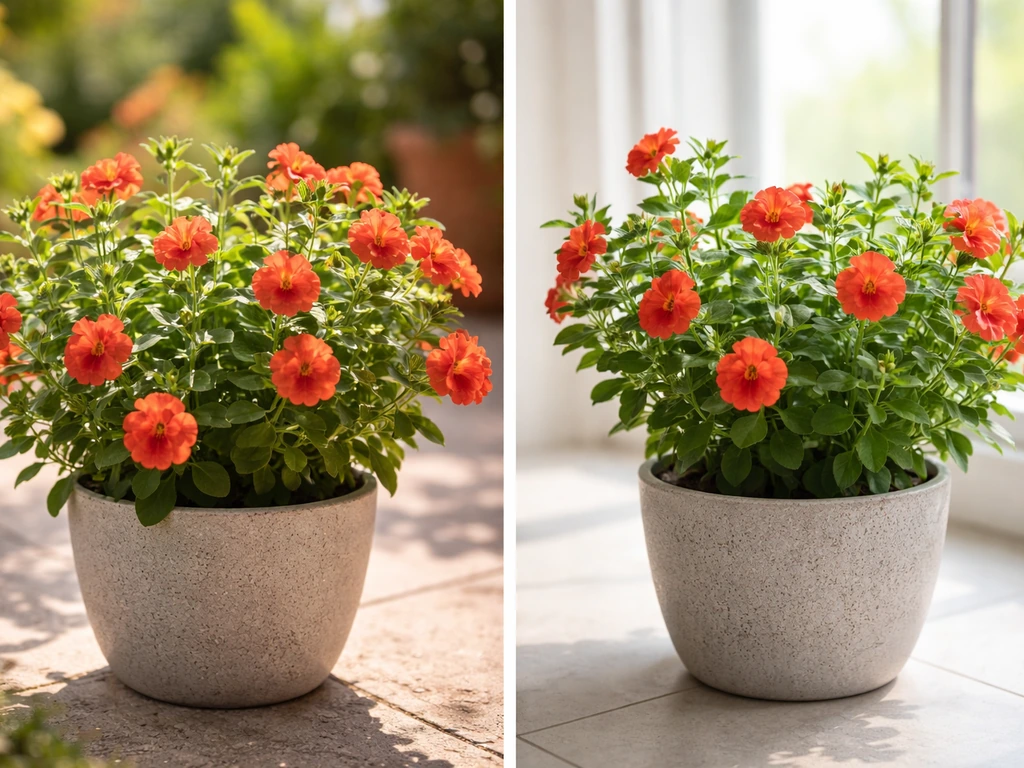
When a plant lives outside, it gets full-spectrum sunlight for hours, rain that drains freely, natural temperature swings between day and night, and outdoor humidity that shifts with the weather. When you bring it inside, every one of those inputs changes dramatically. Your home is actually a pretty harsh environment for plants once you look at it from their perspective.
Light is the biggest issue. A bright south-facing window might deliver a few hundred foot-candles on a winter afternoon, while outdoors in direct sun you're looking at 10,000+ foot-candles. That gap is enormous. Flowering especially requires enough light intensity to trigger bud formation, not just enough to keep a plant alive. As UMN Extension specifically warns, plants can survive low light but still fail to produce any buds at all if light levels aren't sufficient.
Temperature indoors is stable compared to outside, which sounds like a good thing, but many flowering plants actually need a temperature drop at night to set buds and extend bloom time. University of Maryland Extension recommends nighttime temperatures around 55–60°F, about 10–15 degrees cooler than daytime, for best bloom performance and color. Most heated apartments sit at 68–72°F around the clock, which can shorten or delay flowering.
Humidity in most homes, especially in winter, runs well below what many flowering plants prefer. African violets, for example, thrive at 40–60% humidity. Forced-air heating can drop indoor humidity to 20–30% in winter. Low humidity stresses plants and invites spider mites. High humidity around foliage causes rot, especially on plants like African violets where you should never mist the leaves directly.
Space matters too. Most indoor flowering plants are compact by nature, and that's not a coincidence. Plants that stay under 12–18 inches tall and don't need a lot of root room are the ones that have survived selection as houseplants. If you're in an apartment with limited windowsill space, that's a real constraint worth planning around from the start.
How to pick the right flowers for inside your home
The most reliable approach is to start with flowers that were already selected over decades specifically for indoor performance. These plants have proven they can bloom under typical home light levels, tolerate indoor humidity and temperature, and stay compact enough to fit on a shelf or windowsill. Trying to grow outdoor garden flowers inside is a much harder path, and most of them won't bloom reliably (that topic deserves its own deep dive). If you're wondering can you grow outdoor plants indoors, the short answer is that many won't bloom reliably unless their outdoor needs are matched very closely indoors.
Here are the flower types I'd recommend to anyone starting out, ranked roughly by forgiving-ness for beginners:
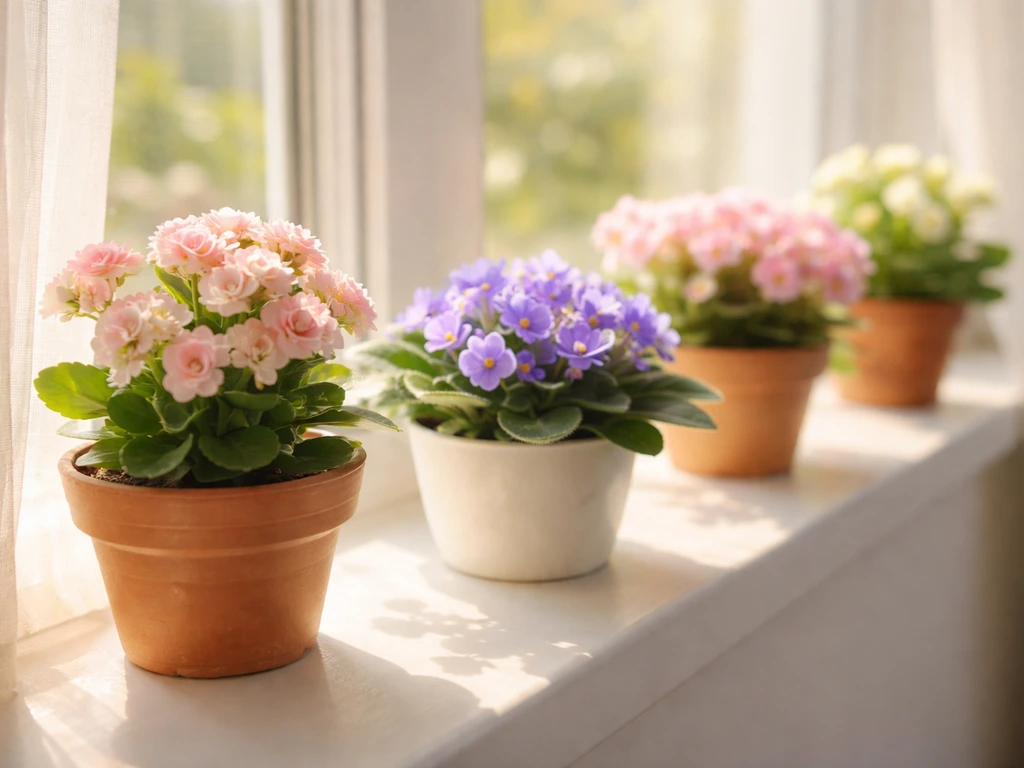
- African violets: one of the best indoor bloomers available. They flower almost continuously under the right light, stay small, and tolerate low humidity better than many tropicals. Expect consistent blooms once established.
- Holiday cacti (Christmas, Thanksgiving, Easter cactus): extremely low-maintenance, long-lived, and stunning when they bloom. Bloom timing is triggered by cool nights and short days, which you can control.
- Peace lily (Spathiphyllum): one of the most forgiving low-light flowering plants. Produces white blooms and tolerates dim corners better than almost anything else.
- Anthurium: waxy, long-lasting blooms and tolerant of average home humidity. Needs bright indirect light but not direct sun.
- Kalanchoe: extremely common for a reason. It blooms in clusters of small flowers for weeks, tolerates lower humidity, and can be re-bloomed by giving it several weeks of longer nights.
- Cyclamen: great for cool rooms (55–65°F), which makes it perfect for a chilly bedroom or sunroom. Struggles in warm apartments.
- Forced spring bulbs (tulips, hyacinths, paperwhites): very achievable indoors but require planning. Most true bulbs need a cold treatment of 35–48°F for at least 12–13 weeks before they'll bloom inside.
If you're drawn to flowers that aren't on this list, that doesn't mean it's impossible, but you should research whether they've been successfully grown indoors by others before investing time and money. Growing outdoor flowers indoors is a genuinely different challenge from growing plants that were cultivated for indoor life.
Setting up your pots, soil, and watering routine
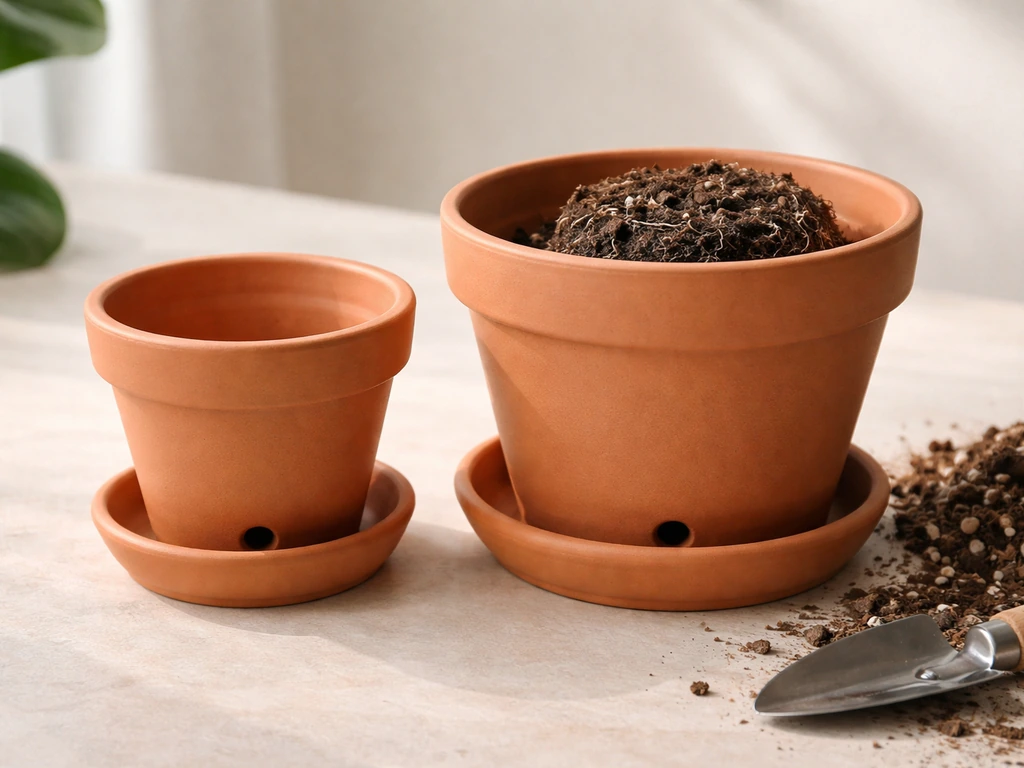
Pot choice and drainage
Drainage is non-negotiable. Every pot you use for indoor flowering plants needs at least one drainage hole, and you need a saucer underneath to catch the runoff. Roots sitting in standing water will rot. UMN Extension specifically recommends clay, resin, or plastic pots at least 6 inches deep with drainage holes and a saucer for indoor growing. Clay pots dry out faster, which works well for cacti and succulents. Plastic holds moisture longer, which suits African violets. Pick based on the plant's watering needs.
Pot size matters more than people realize. Too large a pot means wet soil sits around roots for too long before it dries out, which causes root rot. A pot about 1–2 inches wider than the root ball is usually right. African violets in particular do better slightly pot-bound than in oversized containers.
Soil
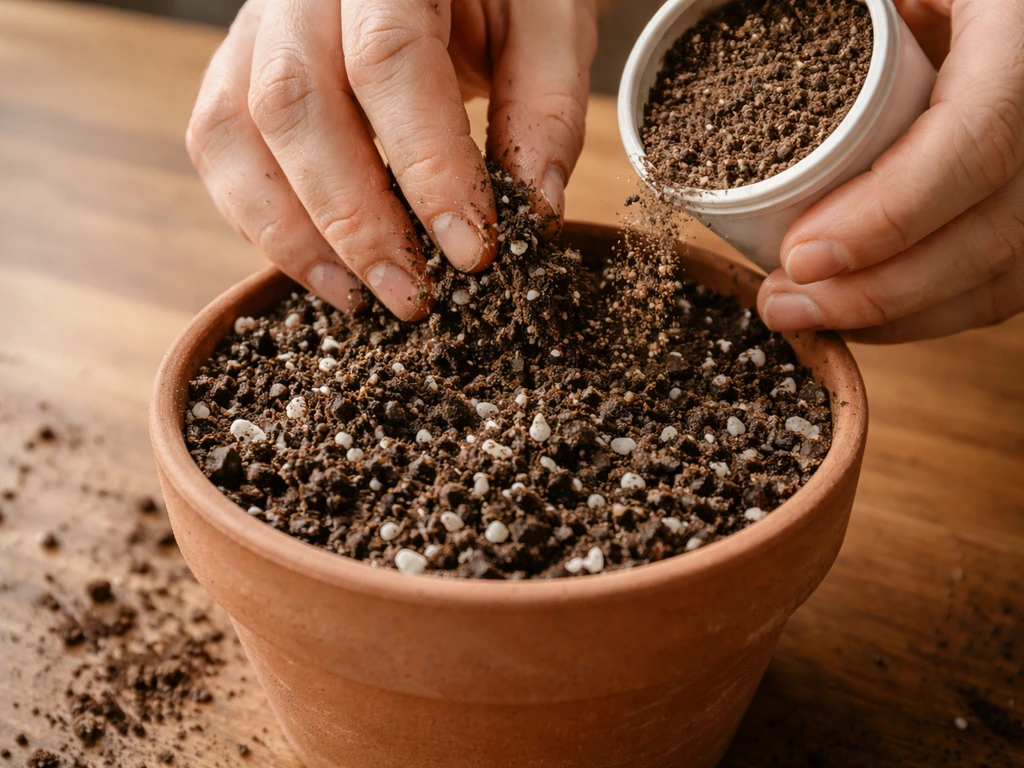
Don't use outdoor garden soil or generic topsoil indoors. It compacts, drains poorly, and brings in pests. Most flowering houseplants do well in a quality perlite-amended potting mix. For African violets specifically, a good DIY formula is 50% commercial African violet potting mix blended with 50% perlite. That ratio gives the drainage and aeration violet roots need without staying waterlogged. Holiday cacti and kalanchoe prefer a cactus/succulent blend or a regular potting mix with extra perlite added.
Watering
The most common way to kill indoor flowering plants is overwatering, not underwatering. For most flowering houseplants, let the top inch of soil dry out between waterings. For African violets, bottom watering (setting the pot in a shallow bowl of water and letting the soil wick it up) is ideal because getting water on the leaves causes rot and spotting. Once the soil surface feels moist, remove the plant from the bowl and let the excess drain completely. Never leave the pot sitting in water for hours.
Getting the light right
Window placement
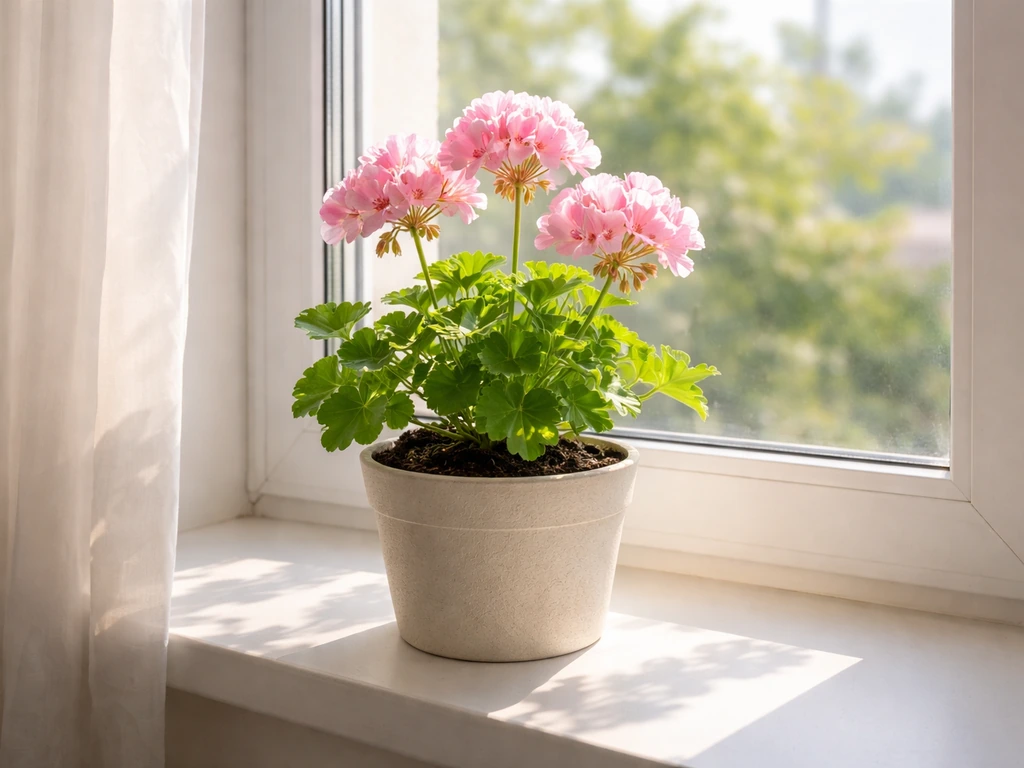
South-facing windows are the best option in the northern hemisphere for flowering plants, delivering the most hours of direct and indirect light. East or west-facing windows work for many flowering plants but may not be enough for the highest-light varieties. North-facing windows are generally too dim for consistent flowering, though peace lilies can manage. Be aware that even a south-facing window drops in usefulness in winter when days are short and the sun angle is low. Placing plants within a foot or two of the glass makes a real difference compared to setting them back a few feet on a table.
Using grow lights
If your windows can't deliver enough light for consistent flowering, grow lights are a practical solution and not nearly as complicated as they used to be. Full-spectrum LED grow lights are inexpensive, energy-efficient, and widely available. Both UMN Extension and University of Missouri Extension recommend placing the grow light about 6–12 inches from the plant canopy for flowering plants. Closer to 6 inches for seedlings or low-intensity setups, and up to 12 inches for established plants. Use an adjustable-height fixture so you can maintain that distance as the plant grows.
For light duration, flowering plants need the right number of hours per day, not just intensity. African violets specifically need 14–16 hours of light and at least 8 hours of darkness every day to flower reliably. A simple plug-in timer solves this completely. Set it and forget it. Holiday cacti are the opposite: they need shorter days (and cooler nights around 55°F) to trigger bud set, which typically takes about 6 weeks for Christmas and Thanksgiving cacti and 8–12 weeks for Easter cactus.
Adjusting for seasons
Light changes significantly between summer and winter indoors. In summer, you may be able to pull a grow light back a bit or reduce supplement hours if natural light is strong. In winter, move plants closer to windows, increase grow light hours, and be especially careful about placing plants near cold drafty glass, which can drop leaf temperature below safe thresholds. Keep African violets above 60°F at all times since temperatures below that threshold can cause leaf and flower deformation.
Ongoing care that actually makes a difference
Fertilizing
Most indoor flowering plants don't need heavy fertilizing, and over-fertilizing is a genuinely common mistake. Illinois Extension recommends fertilizing houseplants no more than once every 1–3 months between March and September, and cutting back or stopping entirely in fall and winter. When light levels are low and growth slows, the plant can't use nutrients efficiently, and extra fertilizer builds up as salts that damage roots. For flowering plants, a balanced fertilizer or one slightly higher in phosphorus supports bloom production. Follow the label's recommended dilution and err on the lighter side.
Deadheading and pruning
Removing spent flowers (deadheading) keeps most indoor bloomers producing more flowers longer. For African violets, pinch off faded blooms and their stems at the base to redirect energy to new buds. For kalanchoe, cutting off finished flower clusters encourages a second flush. Holiday cacti don't need much deadheading but benefit from light pruning of a few segments after blooming to encourage branching and more bloom sites next season.
Watching for pests
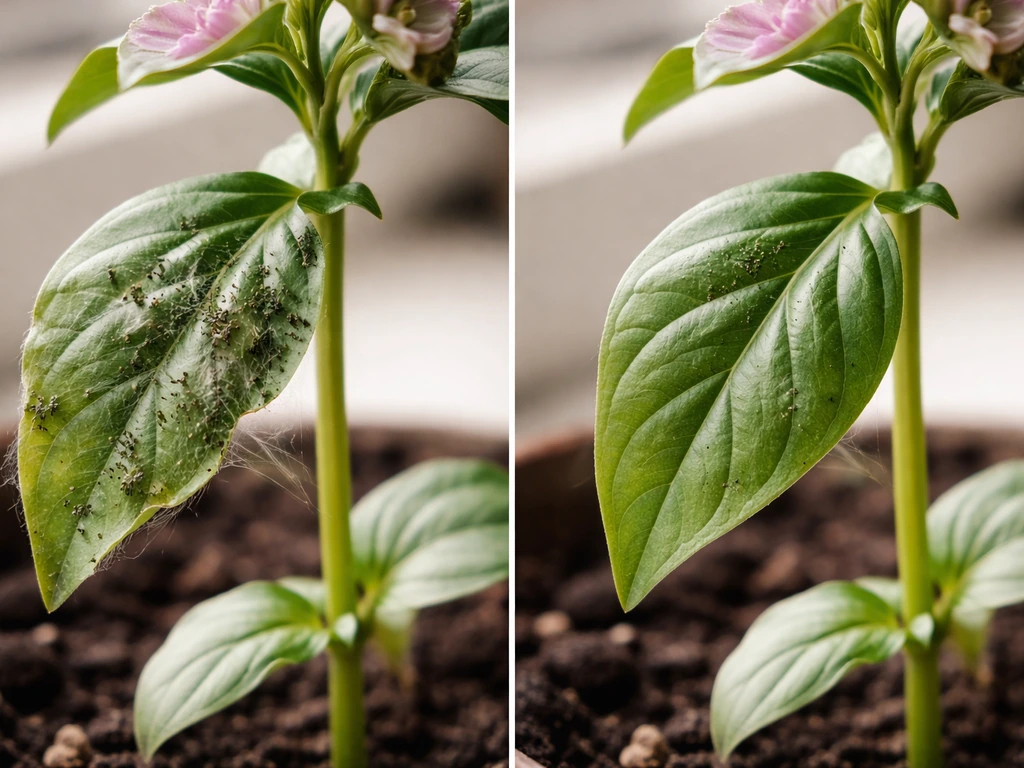
The most common pests on indoor flowering plants are spider mites, aphids, and fungus gnats. Spider mites thrive in hot, dry conditions and leave a bronze or grayish discoloration on leaf undersides, sometimes with fine webbing. blank" rel="noopener noreferrer">Increasing humidity and washing the plant down with a jet of water repeated over several weeks helps reduce populations. For more serious infestations, blank" rel="noopener noreferrer">insecticidal soap applied to affected areas is effective and low-toxicity. Aphids cluster on new growth and stem tips and respond well to the same soap treatment. Fungus gnats come from overwatered soil, so letting the top layer dry out between waterings cuts off their breeding cycle. In severe cases, neem oil or appropriate insecticidal products can be used according to label directions.
Quick fixes when things go wrong
Most indoor flower failures trace back to one of four causes: not enough light, wrong watering, wrong temperature, or pests. Here's how to diagnose and fix the most common problems fast.
| Symptom | Likely Cause | Fix |
|---|---|---|
| Leggy, stretched stems reaching toward the window | Not enough light | Move closer to the window or add a grow light 6–12 inches above the canopy |
| Plant grows but never blooms | Insufficient light intensity or wrong photoperiod | Increase light hours (African violets need 14–16 hrs); check light is strong enough to trigger bud formation |
| Yellowing lower leaves | Overwatering or root rot | Check drainage, let soil dry out, inspect roots and trim any black/mushy ones |
| Brown leaf tips or edges | Low humidity or fluoride/salt buildup in soil | Use distilled or rainwater; flush soil occasionally; raise humidity with a pebble tray |
| Wilting despite moist soil | Root rot from standing water | Re-pot into fresh mix with good drainage; remove rotted roots |
| White crust on soil surface | Fertilizer salt buildup | Flush pot with water thoroughly; reduce fertilizing frequency |
| Mold on soil surface | Overwatering, poor air circulation | Let soil dry more between waterings; improve airflow around pots |
| No buds after months of care | Temperature too warm at night, or wrong light cycle | Move to a cooler spot at night (55–60°F ideal); adjust light schedule; check light intensity |
Your next steps to get blooms indoors
If you're starting fresh, the most practical move is to pick one beginner-friendly flowering plant and get the conditions right for that one before expanding. To get a smoother start, you can also focus on the flowers you can grow indoors that match your light and space constraints. African violets are my top recommendation for beginners: they're forgiving, widely available, bloom repeatedly, and the requirements are well-documented. Set up a grow light on a timer at 14–16 hours per day, use a well-draining violet mix, water from below, keep the room at 65–75°F, and you'll see blooms within a few months.
If you have a windowsill with decent south or east light, kalanchoe or a peace lily are great first picks that don't even require grow lights to get started. If you're in a cool room or sunroom, cyclamen will reward you with flowers through winter when most houseplants look their worst.
Once you've got one plant blooming consistently, you understand your home's actual light and temperature conditions, which makes choosing and setting up additional plants much easier. It's worth spending a bit of time inventorying your light situation (which windows face which direction, how many hours of direct light they get in the current season) before buying more plants. That one step prevents most beginner failures before they start.
If you want to explore further, there's a lot more to dig into on specific flowers that grow well indoors, whether outdoor plants can make the transition inside, and creative options like growing flowers in a terrarium. If you are wondering about African violets specifically, they are among the best choices to try in a terrarium setup. If you’re wondering can you grow flowers in a terrarium, it helps to plan for light, airflow, and watering so the enclosure doesn’t turn into a soggy, disease-prone habitat growing flowers in a terrarium. Each of those paths has its own set of considerations, but they all build on the fundamentals covered here: the right light, the right temperature, good drainage, and matching the plant to what your space actually offers.
FAQ
Can I grow flowers indoors without a window and still get blooms?
You can, but you will almost always need grow lights with a timer. Focus on total daily light hours and distance to the canopy (typically 6 to 12 inches for flowering plants), not just buying a “bright” bulb. Without strong light intensity, many flowers stay alive but never form buds.
Do indoor flowers need a rest period like they do outdoors?
Many do. Some bloomers, such as holiday cacti, require a change in day length and cooler night conditions to set buds, while others may slow growth during winter because light duration drops. Expect reduced or paused blooming in low-light seasons, and avoid heavy fertilizing during that slowdown.
What is the best way to water indoor flowering plants to avoid root rot?
Use a consistent “soil-dry” rule, usually letting the top inch dry before watering for most flowering houseplants. For African violets, bottom watering prevents leaf spotting and rot. Always drain fully, and never leave pots sitting in saucers for long periods.
How can I tell whether my problem is not enough light or overwatering?
Low light often shows slow growth, pale leaves, and no bud formation despite moist soil. Overwatering more commonly shows consistently wet soil, yellowing, mushy stems, and fast-onset decline. A practical check is to feel soil depth, not just the top surface, because surface dryness can hide waterlogged lower roots.
Can I mist indoor flowering plants to increase humidity?
Usually avoid misting the leaves of moisture-sensitive bloomers like African violets. Instead, use humidity methods that keep foliage dry, such as grouping plants, using a pebble tray under the pot (not under the pot in standing water), or running a humidifier. Misting can also worsen fungal spots on plants with tight leaf clusters.
My flower keeps stretching toward the window, will it bloom that way?
Stretching is a sign the light is too weak or too far away. While a plant may still bloom occasionally, bud set becomes unreliable, especially for high-light varieties. Move the plant closer to the glass or increase grow light intensity and adjust the light distance as it grows.
Should I repot indoor flowering plants right after I buy them?
Often it is better to wait until the current bloom cycle is over, unless the pot lacks drainage or the soil is clearly compacted or staying wet for days. Repotting during active blooming can trigger stress and may cause bud drop. If you do repot, move only one pot size up and use an appropriate potting mix.
Is it safe to use outdoor soil inside for houseplants?
In most cases, no. Outdoor soil typically compacts indoors, drains poorly, and can bring pests or pathogens. Use a quality potting mix (perlite-amended) designed for containers, and match the mix to the plant type, especially for cacti, kalanchoe, and African violets.
How do I prevent fungus gnats on indoor flowering plants?
Let the top layer of soil dry between waterings, since gnats breed in consistently wet topsoil. Use pots with drainage holes and avoid overfilling saucers. If infestation happens, you may need to repeat soil-drying strategies and treat with an appropriate product according to label directions.
Do indoor flowers need to be fertilized year-round?
No. Many indoor flowering plants do best with lighter feeding during active growth and less or none during fall and winter when light levels are lower. Over-fertilizing builds salts that damage roots, so follow label dilution and frequency and adjust based on your light conditions.
Why are my African violets not blooming even though they are growing leaves?
Common causes are insufficient light duration, temperatures consistently below the plant’s preferred range, or watering that wets leaves and triggers stress. Make sure you provide enough daily light hours (often 14 to 16), maintain stable warmth, and use bottom watering to keep foliage dry.
Can I grow flowers in a terrarium, and will they bloom normally?
They can, but “normal” bloom depends on achieving adequate light intensity, airflow, and drainage conditions inside the enclosure. Many terrariums are too humid and too closed for typical flowering houseplants, which can lead to rot. If you try it, choose plants known for closed or semi-closed environments and plan for careful watering and ventilation.
What should I do if my indoor flower buds fall off before opening?
Bud drop is frequently triggered by sudden light changes, temperature swings, inconsistent watering, or stress from repotting. Keep lighting steady with a timer if using grow lights, water on a predictable schedule, and avoid moving plants long distances right before buds set.