
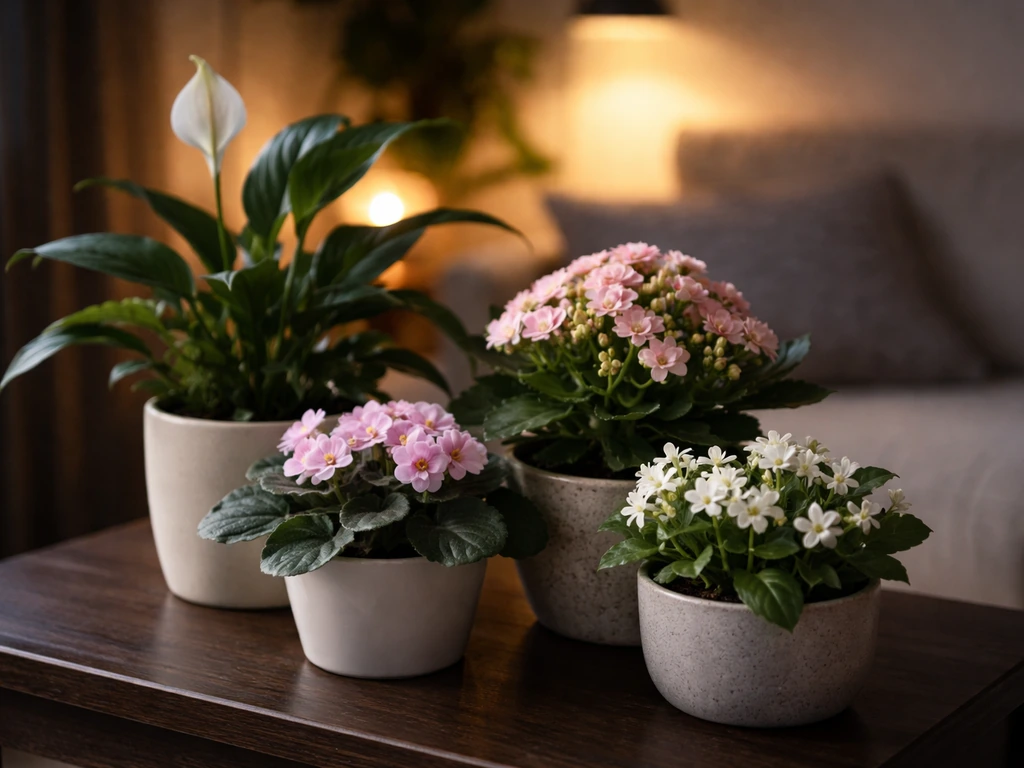
Yes, several flowering plants can bloom indoors without any direct sunlight, but there's a catch worth understanding upfront: almost none of them can flower in true darkness. What most people mean when they say 'no sunlight' is actually 'no direct sun rays hitting the plant,' and that's a very workable situation. Peace lilies, African violets, phalaenopsis orchids, kalanchoe, and Christmas cactus are all capable of blooming in indirect or low light. If your space genuinely has almost zero natural light, a basic grow light setup will get any of these flowering reliably. Here's exactly how to make it work.
Flowers That Grow Indoors Without Sunlight: Guide to Bloom
James Hartwell
24 May 2026
Reality check: what 'no sunlight' actually means indoors
Light indoors is measured in foot-candles (FC). One foot-candle is roughly the brightness of a single candle held one foot away from a surface. Direct outdoor sunlight on a clear day peaks around 10,000 FC. A north-facing window or a shaded corner of a room typically delivers somewhere between 25 and 100 FC, which is what researchers at the University of Maryland and UF/IFAS classify as 'low light.' That is not darkness. It's enough for some plants to survive, and for a small but useful list of plants, it's enough to bloom.
So when you search for flowers that grow indoors 'without sunlight,' you probably mean one of three real situations: a room with no direct sun but decent ambient light (north window, bright room), a dim corner with weak indirect light, or a genuinely dark space like a basement or interior office. If you want a quick overview of the general category, this also lines up with flowers you can grow indoors in low-light homes flowers that grow indoors 'without sunlight'. The first two situations can support real flowering plants with the right picks. The third requires a grow light, but it's still very doable. Knowing which category you're in shapes everything that follows.
How to choose flowers for low light (quick rules and a light test)

Before you buy anything, take two minutes to test the light in your chosen spot. Hold your hand about six inches above a flat surface in that location on a bright day. If you see a sharp, clear shadow, you have decent light (probably 200 FC or more). A faint, blurry shadow means low light, around 50–100 FC. No shadow at all means you're in very low light, and a flowering plant will need supplemental light to bloom there. The US Botanic Garden recommends this shadow test specifically for orchid placement, and it works as a quick rule of thumb for any flowering houseplant.
When picking a flowering plant for low light, apply these three filters: first, does it naturally grow under a forest canopy or in filtered shade in the wild? Plants like peace lily and African violet evolved under tree cover, so dim rooms suit them. Second, can it bloom at 200–1,000 FC rather than needing full sun? Most popular low-light bloomers sit in that range. Third, is it a short-day plant? Some flowers like Christmas cactus and kalanchoe bloom based on darkness duration, not light intensity, which actually makes them well-suited to dimmer setups as long as you manage their dark periods.
Flowering plants that genuinely tolerate low light indoors
Peace lily (Spathiphyllum)
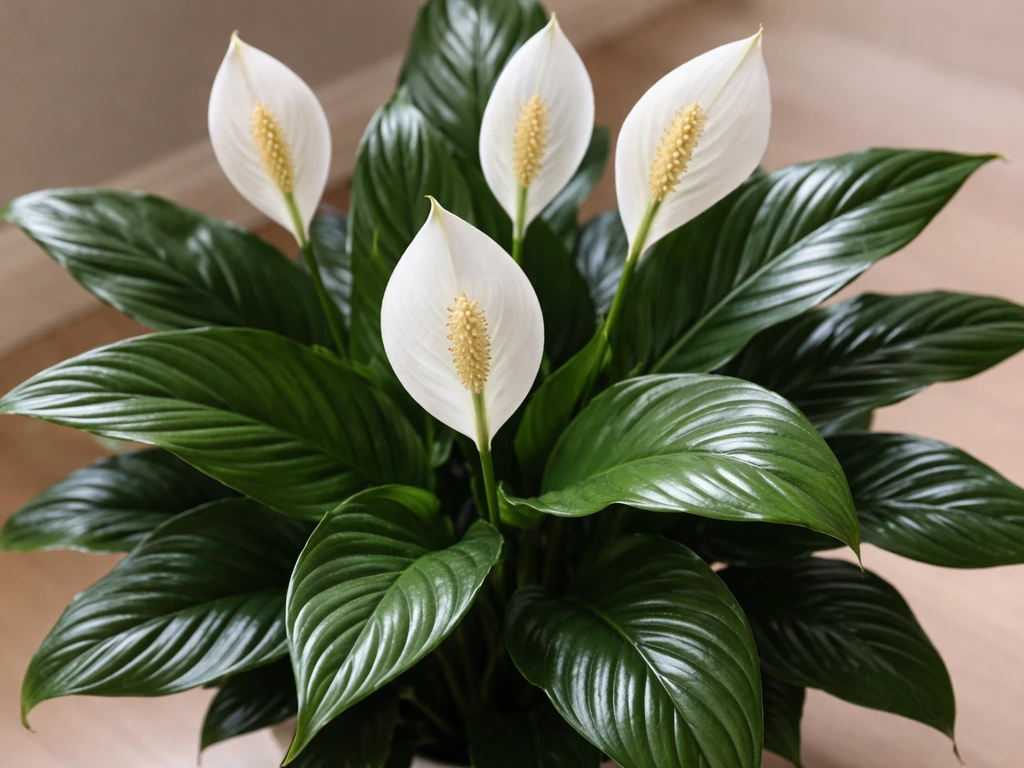
Peace lily is probably the most forgiving flowering plant for genuinely dim spaces. It's one of the few plants that university extension programs like the University of Maryland specifically list as capable of living in the 25–100 FC low-light range. It won't bloom as prolifically in near-darkness as it will near a north window, but it will bloom. It prefers temperatures between 65–85°F, wants its soil to stay consistently moist but never waterlogged, and actually does well in higher humidity. Feed it a balanced liquid fertilizer diluted to half strength once a month during spring and summer. Watch for drooping leaves as its reliable signal that it needs water rather than checking on a strict schedule.
African violet (Saintpaulia)
African violets can tolerate 200–500 FC, which puts them within reach of a bright north-facing windowsill or a spot a few feet back from an east window. For best and most consistent flowering, they really want closer to 1,000 FC for 8–12 hours a day, which is why a simple fluorescent or LED grow light placed 8–10 inches above the foliage and run 12–16 hours a day is the standard recommendation from Iowa State and University of Wisconsin Extension. If your African violet isn't blooming, insufficient light is the most likely cause by far. Water them from the bottom to avoid crown rot, keep them in shallow pots with well-draining African violet mix, and feed monthly with a balanced fertilizer while they're actively growing.
Phalaenopsis orchid (moth orchid)
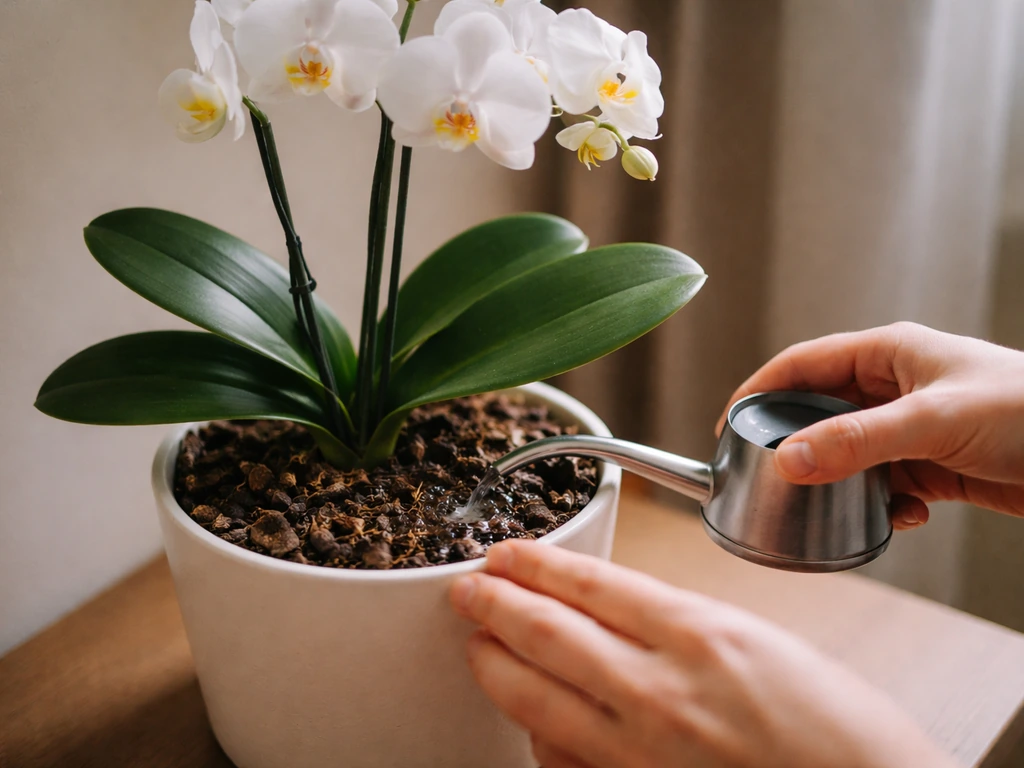
Phalaenopsis is the orchid to buy if you want indoor blooms without direct sun. The American Orchid Society says around 1,000 FC is sufficient for it to grow and flower, the Smithsonian Gardens describes it as a low-light orchid that thrives near an east-facing window, and it can even bloom under full-spectrum grow lights. Keep it away from direct midday sun, which scorches the leaves. It wants bright filtered light, temperatures between 65–85°F, and lets the roots dry out slightly between waterings. Overwatering is the number one killer. It's also one of the better flowers to grow in a terrarium-adjacent setup if you're experimenting with enclosed growing environments, though it generally prefers good airflow. If you want to try a terrarium-style setup, African violets are a common companion plant to consider alongside orchids terrarium-adjacent setup.
Kalanchoe (Kalanchoe blossfeldiana)
Kalanchoe is a succulent that blooms based on darkness duration, not light intensity. It's a short-day plant, meaning flower buds form after about six weeks of nights that are at least 14 hours long. Once it's in bud or bloom, it performs well in indirect indoor light without any direct sun. To trigger reblooming, move it to a spot where it gets 14 hours of uninterrupted darkness each night for six weeks, then bring it back to normal light. It's drought-tolerant, wants well-draining cactus or succulent soil, and needs very little feeding. It's a particularly good choice for anyone who finds orchids fussy.
Christmas cactus (Schlumbergera)
Christmas cactus blooms on a darkness trigger similar to kalanchoe. To get buds, it needs 12–14 hours of complete darkness each night for 6–8 weeks. The Royal Horticultural Society recommends bright indirect light during its growing season at temperatures of 65–69°F (18–20°C), with a rest period in a cooler spot after flowering. It tolerates indirect light well and asks for consistently moist (but not soggy) soil during active growth. Once you nail the dark-period timing, it's extremely reliable. The main mistake people make is leaving a light on in the room during the dark period, which resets the blooming clock.
Quick comparison: which plant suits your space
| Plant | Minimum light to bloom | Blooming trigger | Best for | Fuss level |
|---|---|---|---|---|
| Peace lily | 25–100 FC (very low) | Ambient light + warmth | Dark corners, north rooms | Low |
| African violet | 200–500 FC (low-medium) | Consistent light 12–16 hrs/day | Grow light setups, bright north window | Medium |
| Phalaenopsis orchid | ~1,000 FC (medium-low) | Bright indirect light | East window, filtered light | Medium |
| Kalanchoe | Moderate indirect light | 14-hr nights for 6 weeks | Apartments, offices without grow lights | Low |
| Christmas cactus | Bright indirect light | 12–14 hr darkness for 6–8 weeks | Rooms with manageable light control | Low-medium |
What if you truly have almost zero light: grow lights and setups
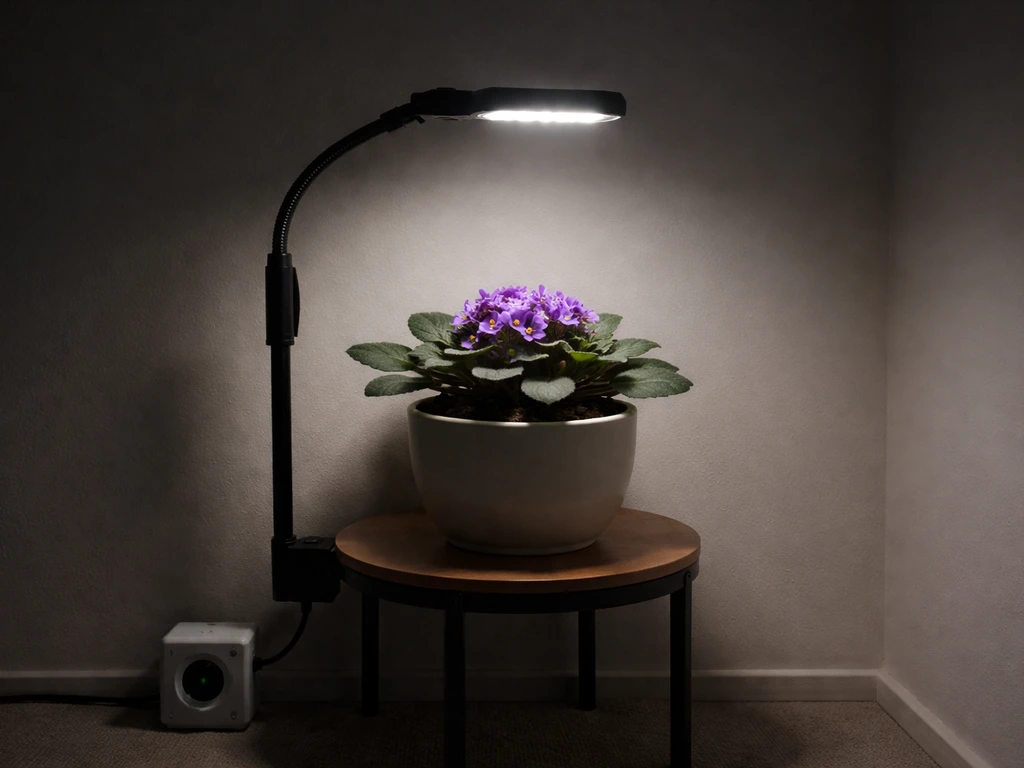
If your space casts no shadow at all, a basic grow light is not a luxury, it's a necessity. The good news is that it doesn't need to be expensive or complicated. UNH Cooperative Extension found that two standard cool-white or daylight fluorescent tubes placed 8–12 inches above the foliage provide the minimum light required for indoor flowering. Running them for at least 12 hours a day gets most plants through, and 18 hours per day noticeably boosts flowering rates. Modern LED grow panels are even better: they run cooler, use less electricity, and give you a full spectrum that's closer to daylight.
For African violets specifically, the standard setup is fluorescents or LEDs 8–10 inches above the leaves, on a timer set to 14–16 hours per day. For peace lily or phalaenopsis, place the light slightly further away (10–14 inches) to simulate bright filtered light rather than intense direct light. A cheap outlet timer is the best $10 investment you can make for grow-light success because consistency matters far more than total wattage. If you're setting up a basement space or an interior room with no windows at all, this grow-light approach can support any of the plants listed above.
Care essentials for getting indoor flowers to actually bloom
Watering in low light
Low-light plants use water more slowly because they're not actively photosynthesizing at high rates. The biggest mistake I see is watering on a schedule rather than by feel. In a dim room, the same pot that needs water twice a week in summer might only need it every 10–14 days in winter. The rule from UC IPM is simple and reliable: let the top inch or two of soil dry out completely before watering again. For peace lily, you can wait until it just starts to droop. For African violets, bottom watering (setting the pot in a shallow tray of water for 20–30 minutes) is safer than top watering because it avoids wetting the crown and causing rot. Every pot must have at least one drainage hole. No exceptions.
Soil and pots
Standard all-purpose potting mix works for peace lily and Christmas cactus, but African violets do best in a dedicated African violet mix that's lighter and more porous. Phalaenopsis needs bark-based orchid mix, not soil at all, because their roots need airflow. Kalanchoe wants a fast-draining cactus mix. The common thread is drainage: in low-light conditions where soil dries slowly, a heavy or water-retentive mix dramatically increases the risk of root rot. When in doubt, add a handful of perlite to whatever mix you're using to improve drainage.
Feeding
Low-light plants grow slowly, so they don't need heavy feeding. A balanced liquid fertilizer (something like 20-20-20) diluted to half strength, applied once a month during spring and summer, is enough for peace lily, African violet, and Christmas cactus. For phalaenopsis, 'weakly, weekly' is the orchid grower's mantra: a heavily diluted orchid fertilizer every watering during active growth, then ease off when it's resting. Kalanchoe barely needs feeding and can go the whole blooming season on a single light dose. Never fertilize a stressed or newly repotted plant.
Humidity and temperature
Most homes run at 30–50% relative humidity, which is fine for kalanchoe, Christmas cactus, and peace lily. African violets and phalaenopsis prefer 50–70% humidity, which can be tricky in dry winters. A pebble tray filled with water beneath the pot raises local humidity without waterlogging the roots. Grouping plants together also helps. Keep all of these plants away from cold drafts and heating vents: most prefer a steady 65–75°F and will stall or drop buds if temperatures swing sharply.
Troubleshooting: why your indoor flowers won't bloom (and what to do)
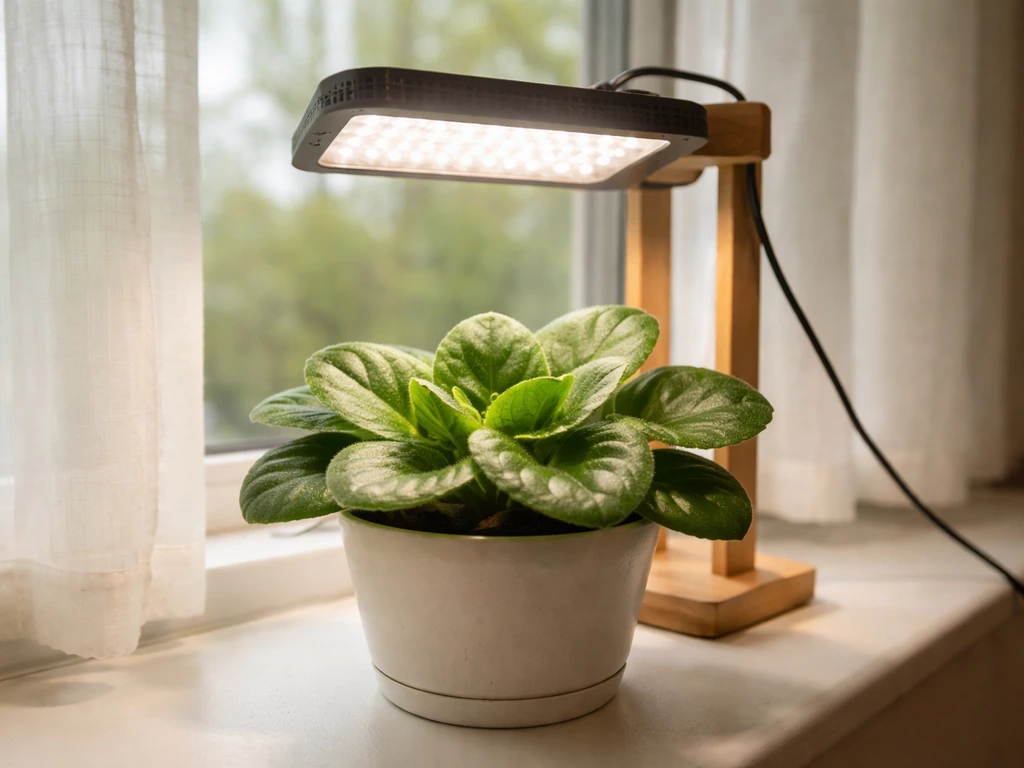
- No blooms on African violet: Almost always a light problem. Move closer to a window or add a grow light 8–10 inches above the plant and run it 14–16 hours a day. Results typically appear within 6–8 weeks.
- Leggy, stretched stems: The plant is reaching for light. Move it closer to the light source or increase grow-light hours. This also happens when grow lights are placed too far away.
- Yellow leaves: Most commonly overwatering in low-light conditions. Check the soil, make sure the pot drains properly, and cut back watering frequency. Yellow leaves can also signal too little light over a long period.
- Buds drop before opening: Usually a temperature or humidity shock. Check for cold drafts, heating vents, or a sudden move from one environment to another. Phalaenopsis and Christmas cactus are especially sensitive to bud-drop.
- Kalanchoe or Christmas cactus won't rebloom: You skipped the dark period. Give them 12–14 hours of complete, uninterrupted darkness each night for 6–8 weeks (kalanchoe needs 14-hour nights for 6 weeks). Even a small amount of light during the dark period, like from a hallway or streetlight, can stop bud formation.
- Peace lily has lots of leaves but no flowers: It needs slightly more light than you're giving it, or it's overdue for repotting. Try moving it 1–2 feet closer to a window, or give it a single dose of bloom-boosting fertilizer (higher middle number, like 10-30-10) in early spring.
- Root rot (mushy stem base, wilting despite wet soil): This is overwatering combined with poor drainage. Remove the plant, trim any black or mushy roots, let the roots air dry for a few hours, and repot in fresh, well-draining mix. Water much less going forward.
Your step-by-step plan to get indoor flowers blooming, starting today
- Test your light right now. Hold your hand 6 inches above the spot you have in mind on a bright day. Sharp shadow = decent light (200+ FC). Faint shadow = low light (50–100 FC). No shadow = very low light, get a grow light.
- Pick your plant based on your light result. Peace lily for very dim spots. African violet or phalaenopsis for low-to-medium indirect light near a north or east window. Kalanchoe or Christmas cactus if you want something that blooms on darkness cues and doesn't need intense light.
- Set up the right pot and soil before the plant goes in. Drainage hole, appropriate mix (orchid bark for phalaenopsis, cactus mix for kalanchoe, violet mix for African violets, standard mix with perlite for everything else).
- If you need a grow light, buy a simple LED grow panel and a plug-in outlet timer today. Set it to run 12–16 hours a day, with the light 8–12 inches above the foliage.
- Water correctly from day one. Stick a finger an inch into the soil before every watering. If it's still moist, wait. Water thoroughly when dry, and empty any saucers after 30 minutes so roots don't sit in standing water.
- If you're growing kalanchoe or Christmas cactus and want to trigger blooms, start a 14-hour darkness period tonight. Use a closet, a box, or a dark room. Set a timer so you don't forget. Keep it up for 6–8 weeks and you'll see buds.
- Feed once a month with a diluted balanced fertilizer during active growth. Don't feed in the first month after repotting or during the plant's rest period.
- Check back in 4–8 weeks. If there are no signs of blooming, reassess the light first (it's almost always the light), then check watering, then feeding.
If you're also exploring what's possible beyond just low-light flowers, there's a much wider world of plants that can bloom indoors given the right conditions, including some outdoor varieties that adapt surprisingly well inside. Yes, you can grow outdoor flowers indoors, but the easiest choices are the ones that tolerate lower light and adapt well to indoor temperatures. One way to expand your options is to learn whether you can grow outdoor plants indoors and what conditions they need to thrive can you grow outdoor plants indoors. And if you're interested in a more enclosed approach, growing flowers in a terrarium is another option worth exploring for the right species. But for most people starting out, one of the five plants above, matched correctly to your actual light situation, is the fastest path to having real flowers blooming indoors without a south-facing window in sight.
FAQ
What’s the difference between “no sunlight” and “no direct sun,” and why does it matter for blooming?
If your plant gets any steady ambient light, many low-light bloomers can flower, but true darkness usually prevents bud formation because they still need some light-driven cues. That’s why a grow light becomes the deciding factor in interior rooms that cast no shadow, not just the plant choice.
Can I use a regular desk lamp instead of a grow light?
Usually not. Most desk lamps emit too little intensity and the wrong spectrum for flowering, even if they feel bright. If you are in very low light (no shadow), use fluorescent or LED grow lights on a timer, positioned at the recommended distance so the leaves receive usable light.
How long do I need to run grow lights for indoor flowers?
For most low-light bloomers, 12 to 16 hours per day is the practical range, with longer durations generally improving flowering when you are using a proper grow light. Use a timer so the photoperiod is consistent, since irregular schedules can stall bud development.
How do I know if my “dark period” plant is actually getting uninterrupted darkness?
Watch out for phone screens, under-door light, indicator LEDs, or night lights. For kalanchoe and Christmas cactus, the dark phase must be complete and uninterrupted for weeks, so cover the plant or block room light when necessary.
Why isn’t my African violet blooming even though it seems healthy?
The most common cause is insufficient light intensity or too few light hours, even when the plant looks green and alive. Also confirm you’re using bottom watering to protect the crown, and avoid over-fertilizing, since excess nitrogen can encourage leaves over flowers.
Should I rotate my pots in low light?
Yes, rotating every week or two helps prevent the plant from leaning toward the brightest area, which can reduce overall light exposure on one side. With grow lights, rotation still helps, but keep it predictable and avoid moving plants during active bud formation if you can.
Is it normal for blooms to be fewer in low light?
Yes. Low light often supports survival and occasional flowering, but the number of blooms can be dramatically lower than it would be with bright filtered light. If you want more frequent bloom cycles, the fastest improvement is adding light duration or intensity rather than changing fertilizer.
How often should I water flowering plants that don’t get much light?
In dim rooms, the correct schedule is “by dryness,” not by calendar. Let the top inch or two dry fully before watering again, and for African violets use bottom watering to reduce crown rot risk, since low evaporation keeps crowns wet longer.
What potting mix should I use if my indoor humidity is low in winter?
If your air is very dry, prioritize mixes that drain well but still hold enough moisture to prevent constant wilting. For orchids use bark-based mix, for kalanchoe use a fast-draining cactus mix, and consider adding perlite to improve drainage when you are using an all-purpose mix.
Why are buds dropping off after I move the plant indoors?
Bud drop is often triggered by temperature swings, drafts, or a sudden change in light levels and photoperiod. Keep temperatures steady, place plants away from heating vents and cold windows, and try not to relocate during the weeks right before or during bloom.
Can I grow these flowers in a bathroom with only windowless lighting?
It can work if you can provide the right light, and the room runs at higher humidity. However, if there is truly no natural light (no shadow), plan on using a grow light on a timer, because humidity alone does not replace the light needed for bud formation.
Do these plants need fertilizer even if they’re not getting bright sun?
They usually need less feeding than full-sun growers. Use diluted fertilizer and only during active growth, and avoid fertilizing stressed, newly repotted, or recently moved plants, since low-light roots and leaves recover more slowly.