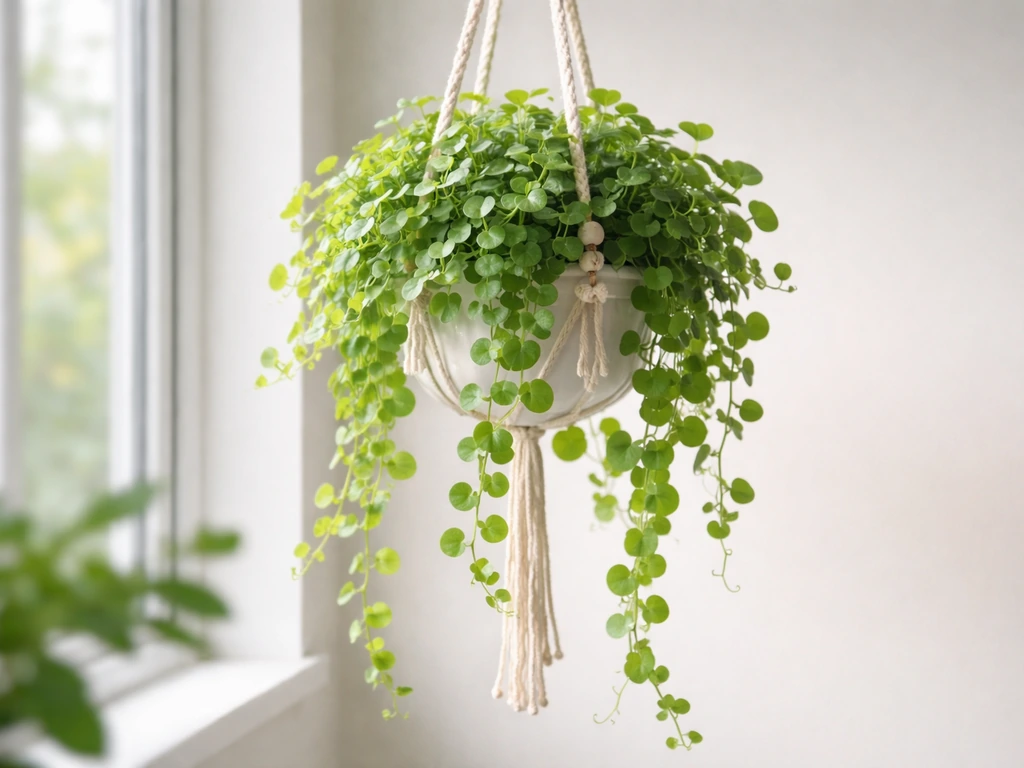
Yes, creeping charlie (Glechoma hederacea, also called ground ivy) can grow indoors in a pot, and it actually does surprisingly well as a trailing houseplant when you give it bright indirect light, well-draining soil, and careful watering. It roots fast from cuttings, spills beautifully over the edges of a hanging basket or shelf pot, and stays evergreen year-round. The catch is that it spreads aggressively via stolons that can reach over 7 feet long, so it needs regular trimming indoors, and it genuinely struggles in low-light rooms.
Can Creeping Charlie Grow Indoors Yes How to Succeed

James Hartwell
16 May 2026
Indoor requirements that make or break it
Light
This is the single biggest factor. Creeping charlie is shade-adapted in nature, which sounds like good news for indoor growing, but 'shade-adapted' outdoors still means bright, dappled light, not a dim corner far from any window.
If you’re wondering can confederate jasmine grow indoors, the answer is yes, but you’ll need bright light and regular trimming to keep it from getting leggy indoor growing. Indoors, aim for bright indirect light: a spot a few feet from a south- or east-facing window is ideal. Yes, it can be grown indoors, but you need to give it the right light level and care so it doesn't get weak and leggy can arabian jasmine grow indoors.
If you’re wondering whether can star jasmine grow indoors, the answer depends mainly on getting enough bright light and keeping temperatures steady bright indirect light. Under low light, stolons get leggy and pale, branching drops off noticeably, and the plant just looks weak and stringy. Direct midday sun through glass can scorch the leaves, so a sheer curtain works well for a south-facing sill.
Soil and container
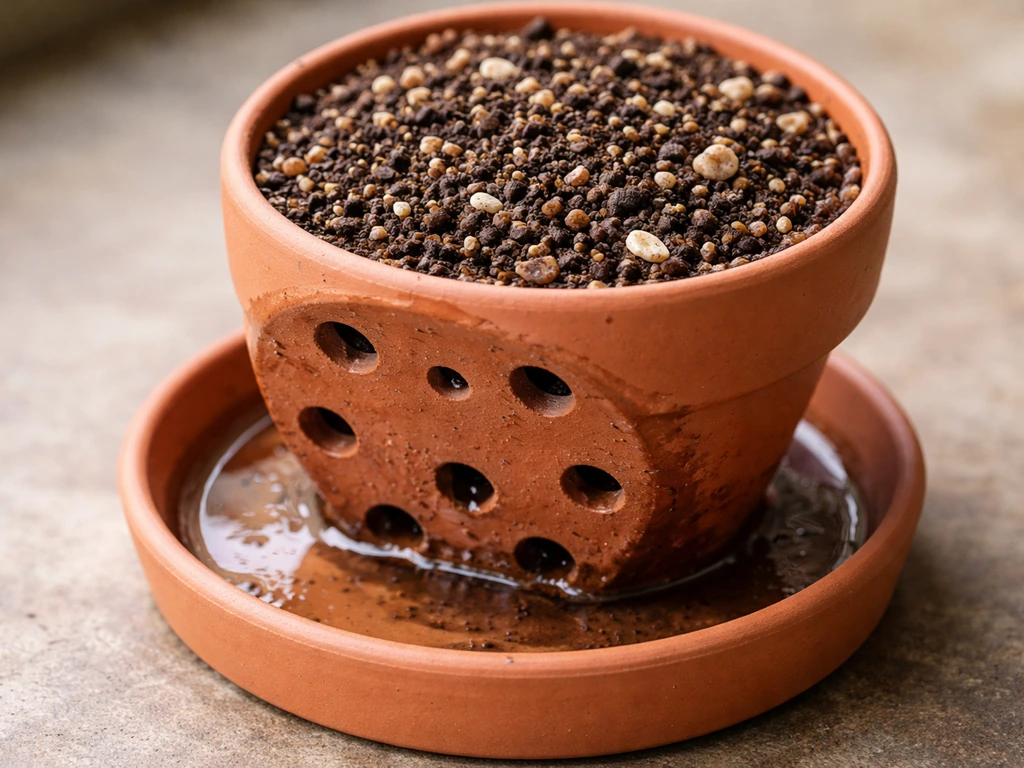
Use a standard, well-draining potting mix. Creeping charlie is forgiving about soil pH (it tolerates a wide range outdoors, roughly 4.5 to 8.0), so you don't need anything special on that front. What matters much more is drainage. The plant likes moisture but hates sitting in water. A hanging basket, a wide shallow pot, or a standard 6-inch container with drainage holes all work well. If you're putting it on a shelf to trail down, a wider pot gives the stolons more nodes in contact with soil, which helps it fill in faster.
Drainage
Never skip the drainage holes. Root rot is the most common way people kill this plant indoors, and it happens fast in a pot without drainage. If you love a decorative pot that doesn't have holes, use it as a cachepot (slip a plastic grower's pot with holes inside it) and always empty the saucer after watering.
Watering, temperature, and humidity indoors
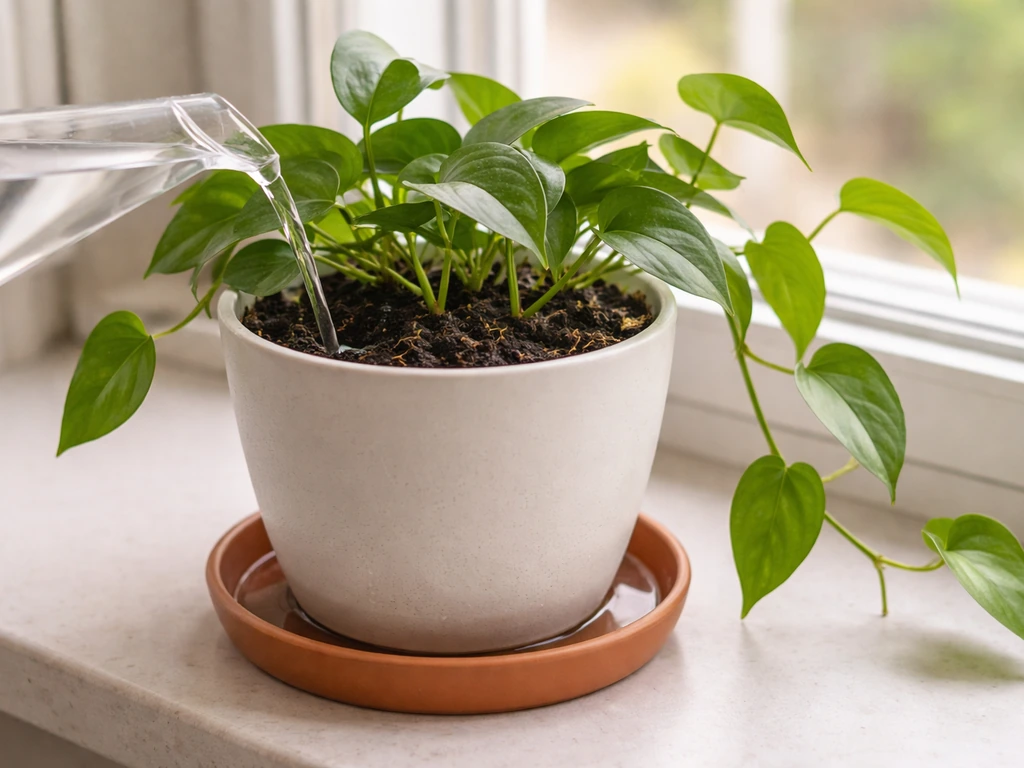
Water thoroughly when the top of the soil feels dry to the touch, then let it drain completely. The plant comes from moist, shaded habitats in the wild, so it does want consistent moisture, but 'consistent' doesn't mean constantly soggy. During propagation and the early rooting phase especially, it's better to let the substrate go slightly dry between waterings rather than keeping it perpetually wet, which raises root rot risk. Once established, it's more forgiving, but still: when in doubt, wait a day.
For temperature, creeping charlie roots best when the soil is around 70°F (21°C), which is basically normal room temperature. It handles average home conditions well and doesn't need any special humidity treatment. Standard indoor humidity (40 to 60 percent) is fine. If your home gets very dry in winter (common near heating vents), occasional misting or a small pebble tray with water nearby won't hurt, but it's not essential.
How to start and grow it indoors
Propagation from cuttings
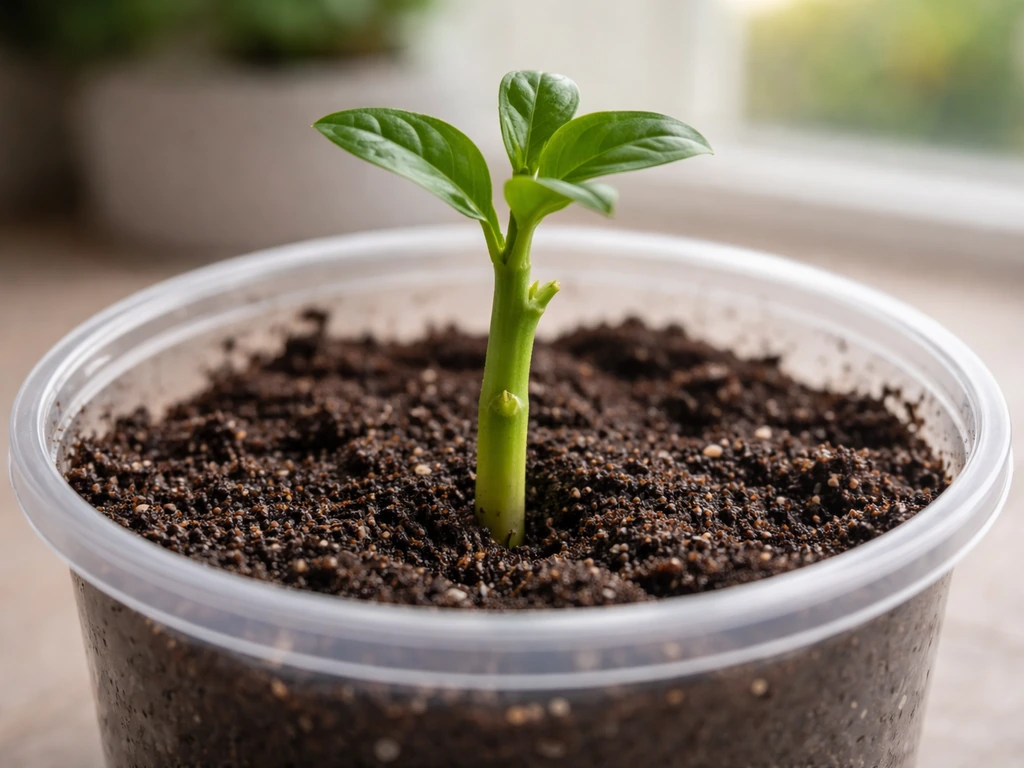
Stem tip cuttings are the easiest way to start creeping charlie indoors. Take a cutting 3 to 4 inches long, strip the lower leaves, and press the bare node section into moist potting mix. The node is where the magic happens: stolons root at nodes, so make sure at least one node is in contact with the medium. Cover loosely with a clear plastic bag or a humidity dome for the first week or so to keep moisture around the cutting while it settles in. Expect roots in 3 to 4 weeks at room temperature. You can also root cuttings in a glass of water and transplant once roots are about an inch long.
Planting and filling a pot
Plant two or three rooted cuttings per 6-inch pot for quicker coverage. The plant will send out stolons that drape over the sides and, if they touch the soil surface, will root again. This is what makes it so effective as a trailing plant. blank" rel="noopener noreferrer">It can spread several feet per year once established, so a hanging basket can fill in beautifully within a single growing season.
Pruning and controlling sprawl
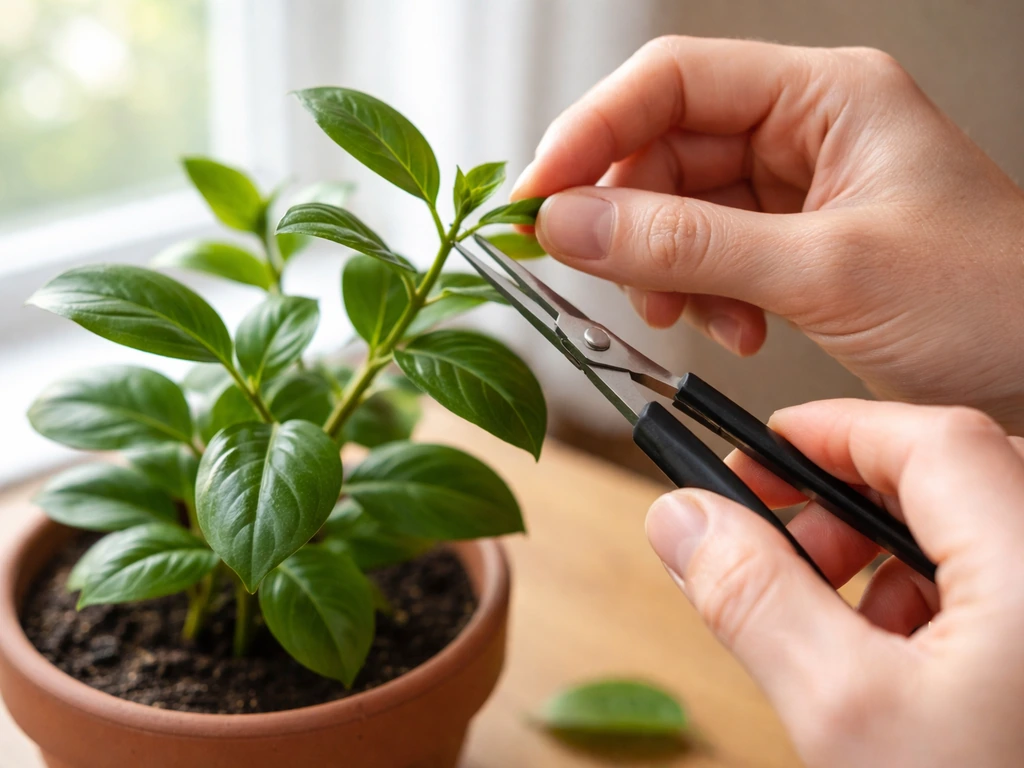
Plan on trimming regularly, roughly every few weeks during active growth. Pinching back the stem tips encourages bushier, more compact growth and prevents it from becoming a sprawling mess across your shelf. When you trim, be deliberate about where clippings fall: any node that lands in moist soil can re-root. That's useful if you want to propagate more plants, but annoying if you find little creeping charlie seedlings popping up in neighboring pots.
Common indoor problems and how to fix them
| Problem | Likely cause | Fix |
|---|---|---|
| Leggy, pale, sparse stems | Not enough light | Move closer to a bright window or add a grow light |
| Yellowing leaves or root rot | Overwatering or poor drainage | Let soil dry out more between waterings; repot with fresh, well-draining mix if roots are mushy |
| Brown leaf tips or edges | Low humidity or inconsistent watering | Water more evenly; try a pebble tray or occasional misting |
| Slow spread or poor rooting from cuttings | Cold soil, too-wet medium, or no node contact | Keep soil at ~70°F, let substrate dry slightly between waterings during rooting, press nodes firmly into mix |
| Plant looks healthy but won't fill out | Too few cuttings started, or needs more nodes in contact with soil | Add more cuttings to the pot; pin some trailing stems to the soil surface with a small pin or clip |
How it grows outdoors, and why the results are so different
Outdoors, creeping charlie is a completely different beast. It spreads aggressively in moist, shaded to partially shaded areas across most of the United States, covering several feet per year, forming dense evergreen mats, and invading lawns and garden beds. It's considered an invasive herbaceous perennial in many states, and it's notoriously hard to remove once established because any node left in the soil can re-root and restart the whole spread.
The key difference between outdoor and indoor performance comes down to space, light, and moisture. Outdoors it has unlimited room to sprawl, consistent ground moisture, and enough ambient light (even in shade) to fuel rapid growth. Indoors, it's contained by a pot, and its growth slows significantly compared to what you'd see in a garden bed. That's actually a feature for most houseplant situations: you get the trailing, lush aesthetic without the full invasive fury.
Reasons you might think twice before bringing it indoors
Creeping charlie is generally considered non-toxic to humans, but it is toxic to horses (it can cause a neurological condition called 'trembles') and is considered potentially harmful to some livestock. For households with cats and dogs, the ASPCA does not list it as a toxic plant, but it's always worth double-checking with your vet if a pet tends to chew on plants. Keep it out of reach of horses entirely.
The other honest downside is the cleanup factor. This plant drops leaves and bits of stem when you prune it, and any fragment with a node that lands in another pot can start growing there. If you're a tidy-desk kind of person who doesn't want to babysit a sprawling plant, you might prefer something less ambitious.
Plants like creeping jenny (a frequent comparison, and well worth looking up if you want a similar trailing effect but slightly less aggressive growth) or a jade plant might suit a lower-maintenance indoor setup better. If you are wondering whether a can jade plant grow indoors, it is usually a better low-maintenance option for many homes. Creeping jenny (also called Lysimachia nummularia) can grow indoors, but it also depends heavily on bright light and consistent, well-drained watering.
That said, if you like trailing plants and don't mind trimming every few weeks, creeping charlie is genuinely rewarding, grows fast, and looks great in a hanging basket near a bright window.
FAQ
Can creeping charlie grow indoors in a north-facing room?
It can, but only if the light is strong enough. Aim for bright indirect light near a south- or east-facing window, and rotate the pot weekly so trailing stolons grow evenly instead of leaning toward the glass.
What happens to creeping charlie indoors if the light is too low?
Expect more trailing, less compact growth. In low light, the internodes stretch, leaves look paler, and stolons become stringier, so you may need supplemental light (for example, a grow light) if your window is weak.
Can I grow creeping charlie in a decorative pot without drainage holes?
Yes, if the decorative pot is used correctly. Use a plastic grower pot with drainage holes inside the cachepot, then empty any water from the saucer after watering so roots never sit in runoff.
How do I fix root rot if my indoor creeping charlie is staying wet?
Reduce watering and let the top layer dry a bit more between waterings. If you notice black or mushy roots, a sour smell, or leaves yellowing fast, repot into fresh mix, trim dead roots, and ensure the pot drains freely.
How often should I water creeping charlie indoors?
Water until runoff, then wait to water again only when the top of the mix dries to the touch. Consistent moisture is the goal, but “always wet” raises rot risk, especially during winter or slower growth.
How many cuttings should I plant in one pot for fuller indoor coverage?
Yes, and it is one of the fastest ways to get a full trailing look. Plant 2 to 3 rooted cuttings in the same 6-inch pot, then trim early to encourage side shoots, not only long spillover.
Will trimmed creeping charlie clippings re-root in my other houseplant pots?
Keep pruning clippings from contacting other pots. Any node that touches moist soil can re-root, so gather trimmings and wipe the area around neighboring containers.
When is the best time to trim creeping charlie indoors?
Pinch or trim during active growth, typically every few weeks, and do lighter cuts in winter. This keeps it bushier and also limits how quickly stolons can find new nodes and start rooting.
Why are my creeping charlie cuttings taking longer than 3 to 4 weeks to root indoors?
It prefers room-temperature rooting, around 70°F (21°C). If your home is cooler, rooting can take longer, so keep cuttings in a warm spot out of direct sun and consider a mild humidity dome.
Does creeping charlie need special soil indoors, or is regular potting mix okay?
Standard potting mix is fine, since pH tolerance is wide. The critical factor is particle structure and drainage, so avoid compacting mix and consider adding perlite if your blend stays soggy.
Is creeping charlie safe around cats, dogs, and horses?
If you have pets, it is generally not flagged as toxic to cats and dogs by major reference lists, but chewing can still cause stomach upset. For horses, it is a real risk, and you should keep it completely out of reach.
How can I prevent creeping charlie from escaping the pot indoors?
It tends to spread mainly by stolons that root at nodes, so the solution is containment and maintenance. Use a hanging basket or pot with a clear trimming schedule, and periodically check the underside and rim area for nodes that may start rooting.