
Yes, lobelia can grow indoors, but it needs more light than most windowsills can offer and it will not perform as well as it does outside. If you have a very bright south- or west-facing window or a decent grow light setup, you can absolutely get Lobelia erinus to bloom indoors. Can lily grow indoors?
Can Lobelia Grow Indoors? Yes and How to Do It
James Hartwell
3 Jun 2026
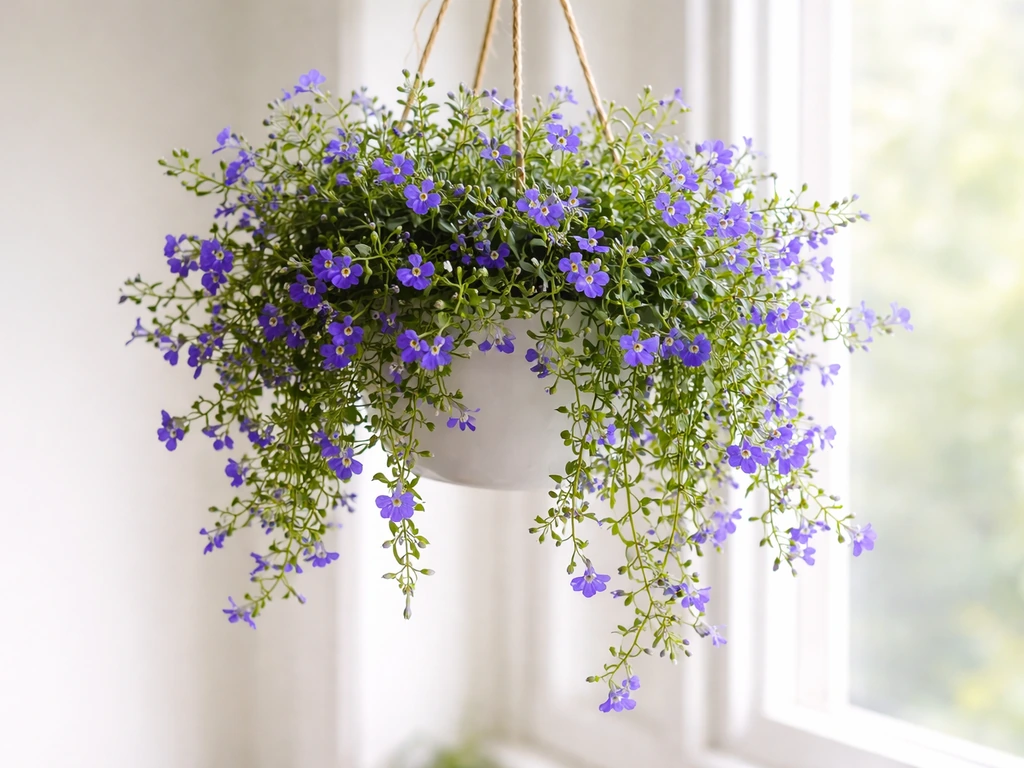
If you are also wondering can lantana grow indoors, it is important to match that plant’s needs for bright light and consistent warmth just like you do with lobelia Can lily grow indoors? . Yes, you can also ask can busy lizzies grow indoors, and the answer is that they can bloom indoors with the right light and care Can lily grow indoors?. Can daylilies grow indoors?
Yes, with enough direct light and the right watering and pot setup, daylilies can be grown as indoor container plants. If you are wondering can lily grow indoors, the same basics like bright light and consistent watering can help you get better results daylilies can be grown as indoor container plants. Yes, and the key is providing bright light and consistent care get Lobelia erinus to bloom indoors.
It will be more compact and the flush may be shorter than what you see in an outdoor hanging basket, but it is genuinely doable, and for apartment dwellers who want those vivid blue, purple, or white flowers on a shelf or sill, it is worth attempting.
Best indoor lobelia types and what to expect
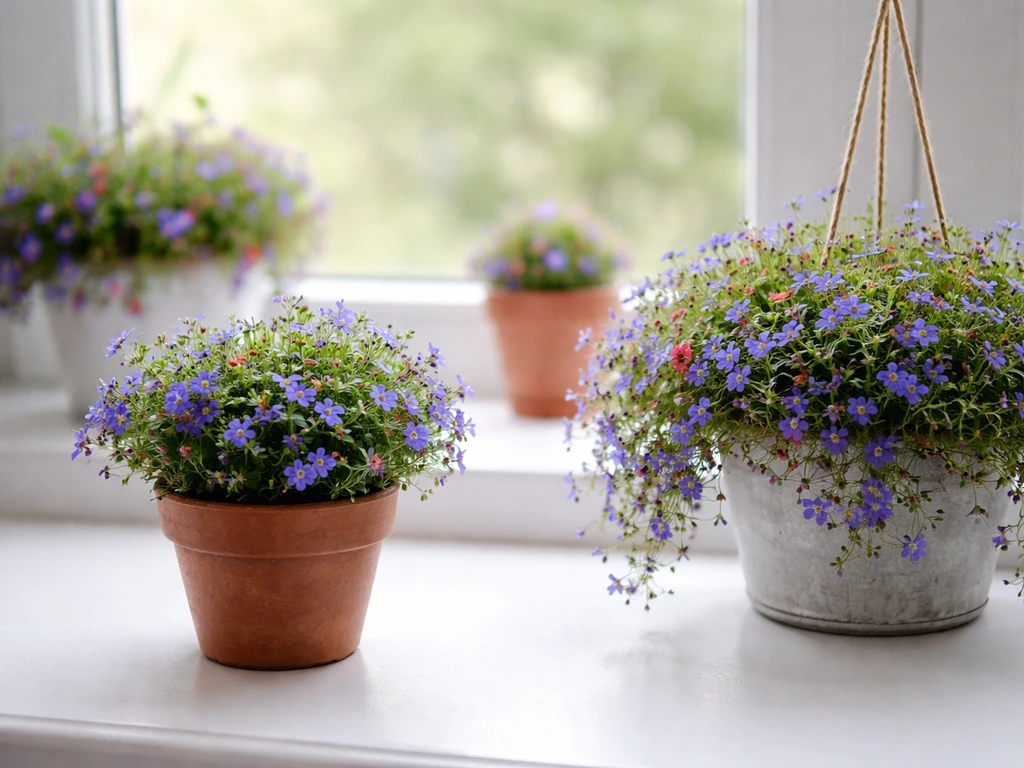
The species to grow indoors is Lobelia erinus, the common edging or trailing lobelia. This is the one you see in garden center packs every spring, with small jewel-toned flowers in shades of blue, violet, pink, and white. It comes in two main habits: bushy (or compact) types that mound up to about 6 inches tall, and trailing types that cascade out of containers. For indoor growing, compact bushy cultivars are the better choice because they stay neater and do not need as much horizontal space. Trailing types like 'Sapphire' or 'Regatta' can work in a hanging pot near a bright window, but they tend to get leggy faster indoors.
Lobelia erinus is technically a tender perennial, but most gardeners treat it as an annual because it does not survive frost. Indoors, away from frost, it can bloom for an extended season stretching from late winter or early spring right through to fall if conditions stay right. That said, realistic expectations matter: indoor lobelia often takes a midsummer pause in flowering when heat builds up near south-facing windows. With the right light, airflow, and watering routine, you can grow busy lizzies indoors and keep them flowering grow indoors. Plan around that, and the plant will reward you on the other side.
Light, temperature, and airflow requirements indoors
Light is where indoor lobelia lives or dies. It needs bright light for a minimum of 12 to 14 hours per day to bloom well. Long days genuinely matter for this plant, and anything less tends to produce leggy stems with sparse flowers. A south-facing window that gets direct sun for most of the day is your best natural option. East- or west-facing windows can work but you will likely need to supplement with a grow light. A simple full-spectrum LED grow light set on a timer for 14 hours a day makes an enormous difference and is the most reliable way to keep indoor lobelia compact and blooming.
Temperature-wise, lobelia is happiest in blank" rel="noopener noreferrer">a range of 60 to 70 degrees Fahrenheit (15 to 21 degrees Celsius). Night temperatures can dip a bit lower, around 54 to 59 degrees Fahrenheit (12 to 15 degrees Celsius), which actually encourages better bud set. Benary’s Lobelia erinus product guidance also lists day and night temperature targets, including night temperatures around 12 to 15°C, to support cultivation (and bud set) for Palace Blue blank" rel="noopener noreferrer">encourages better bud set. Day temperatures should ideally stay under 75 degrees Fahrenheit; once rooms get consistently hotter than that, lobelia tends to sulk and pause flowering. If your apartment runs warm in summer, keep lobelia away from south glass during the hottest afternoon hours.
Airflow is underrated and easy to overlook. Lobelia does not like stagnant, stuffy air indoors. A small fan running nearby on a low setting, or simply cracking a window during mild weather, helps prevent the humid, still conditions that invite fungal problems and make the plant look tired. Good air circulation also helps the soil surface dry out between waterings, which matters a lot for pest prevention.
Soil mix, pot size, and watering schedule
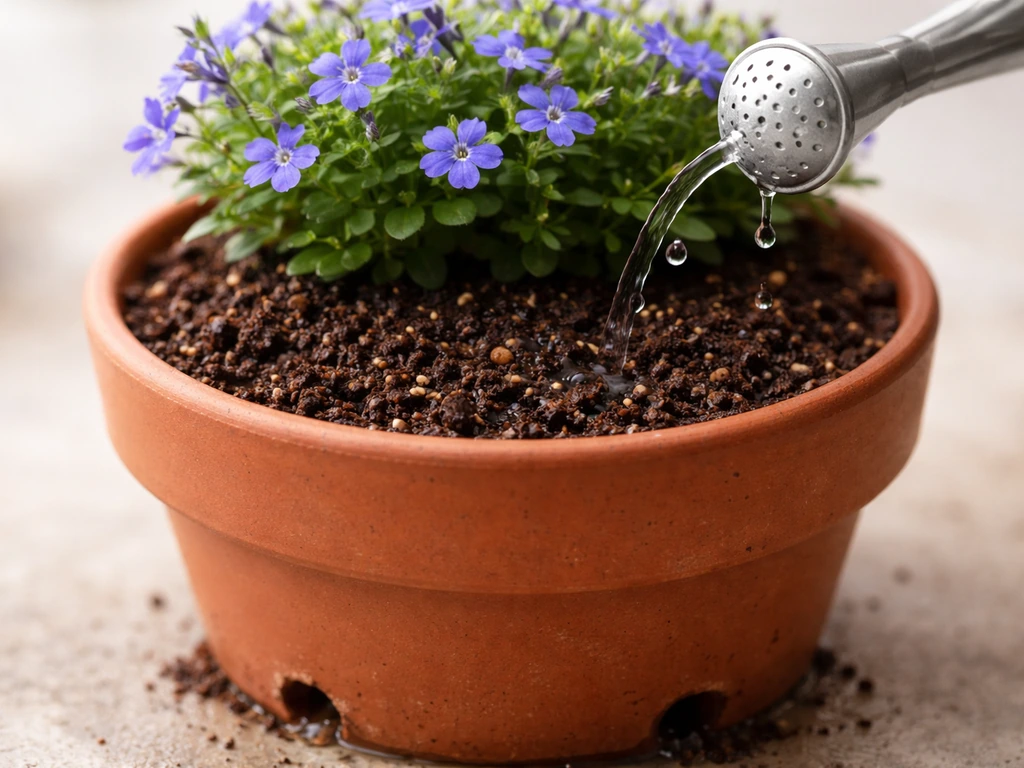
Lobelia wants rich, moist, well-drained soil. Do not use straight garden soil in a pot; it compacts and drains poorly. A quality peat- or coir-based potting mix with some added perlite (about 20 to 25 percent by volume) hits the sweet spot of moisture retention and drainage. The goal is soil that stays evenly moist but never soggy.
For pot size, a 6-inch pot works well for a single compact lobelia plant. A 8- to 10-inch pot lets you grow two or three plants together for a fuller look. Whatever you choose, the pot must have drainage holes, full stop. No drainage hole means waterlogged roots, and lobelia will rot or attract fungus gnats almost immediately. Speaking of which, avoid using saucers that hold standing water for more than an hour after you water.
Watering lobelia indoors is a bit of a balancing act. The soil should stay consistently moist but not wet. A practical routine is to check the top inch of soil with your finger every couple of days; water thoroughly when that top inch feels dry, and let the pot drain completely before putting it back. In a warm, well-lit spot the plant may need water every two to three days. In cooler or lower-light conditions, stretch that out. Bottom watering (setting the pot in a shallow basin of water for 20 to 30 minutes, then draining) works well for lobelia because it keeps the soil surface drier, which discourages fungus gnats.
Planting methods: seeds vs transplants, timing, and germination tips
You have two practical options for getting lobelia going indoors: starting from seed or buying transplants. Starting from seed is more satisfying and cheaper, but lobelia seed is tiny and has some specific germination quirks you need to know about.
Starting from seed
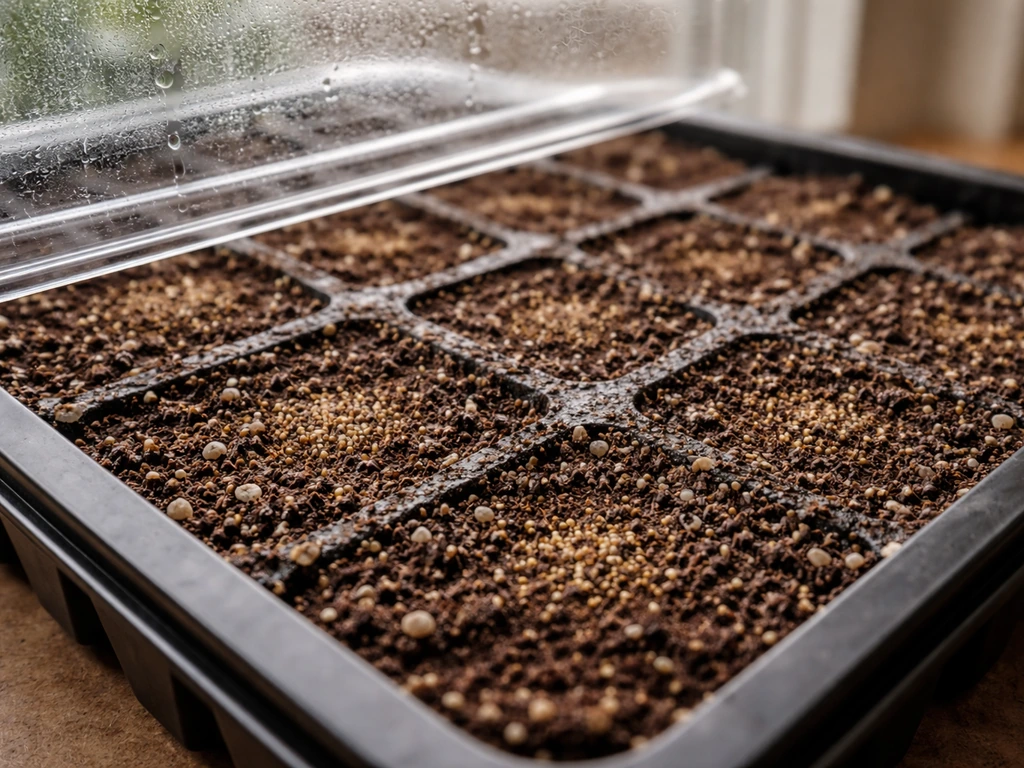
Lobelia seeds need light to germinate, so do not cover them. Press them gently onto the surface of a moist, sterile seed-starting mix so they make good contact with the medium, and leave them uncovered. Soil temperature should stay between 65 and 75 degrees Fahrenheit (18 to 25 degrees Celsius). Place the tray under a grow light or in a very bright spot.
Germination takes 15 to 21 days, which feels slow, but it is normal. A heat mat under the tray helps maintain consistent soil temperature and speeds things up. If you want blooms by early spring, start seeds indoors in early to mid-February. For outdoor transplant timing (if that is your plan), sow around early April so plants are ready to move outside once nighttime temperatures hold reliably above 50 degrees Fahrenheit (10 degrees Celsius).
Buying transplants
If you want blooms faster with less fuss, grab a six-pack from a garden center in spring. Transplants are already past the slow germination stage and typically flower within a few weeks of potting up. Pot them into your prepared container, water them in well, and get them under your brightest light source. This is the easier route for beginners and gives you a much faster payoff.
Fertilizing and deadheading for long-lasting blooms
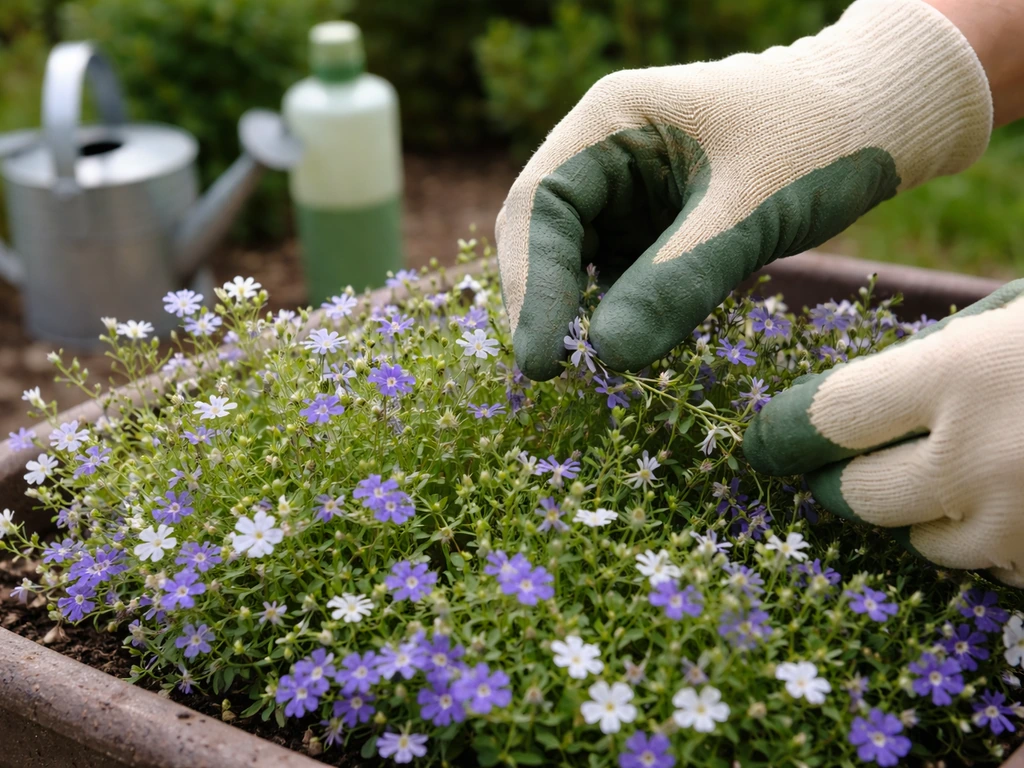
Lobelia is a heavy feeder when it is actively blooming. A balanced, water-soluble fertilizer (something like a 15-5-15 or similar complete formula) applied every two weeks at the recommended label rate keeps the plant producing. Some growers feed weekly at a diluted rate, which works just as well. The key is consistency: skip fertilizing for a month and the plant will tell you, usually with pale leaves and fewer flowers.
On deadheading: many compact and trailing lobelia varieties are largely self-cleaning, meaning spent flowers drop on their own without much intervention. But the real move for keeping indoor lobelia blooming long-term is a proper shear-back. When you notice the first flush of flowers tapering off, cut the whole plant back by about half. It feels drastic, but lobelia bounces back fast. Follow the shear-back immediately with a good watering and a dose of fertilizer, and within a couple of weeks you will see fresh growth and another round of blooms coming. This technique, recommended by Illinois Extension, is the difference between lobelia blooming for six weeks and blooming for six months.
Common indoor problems and fixes
Leggy, stretched growth
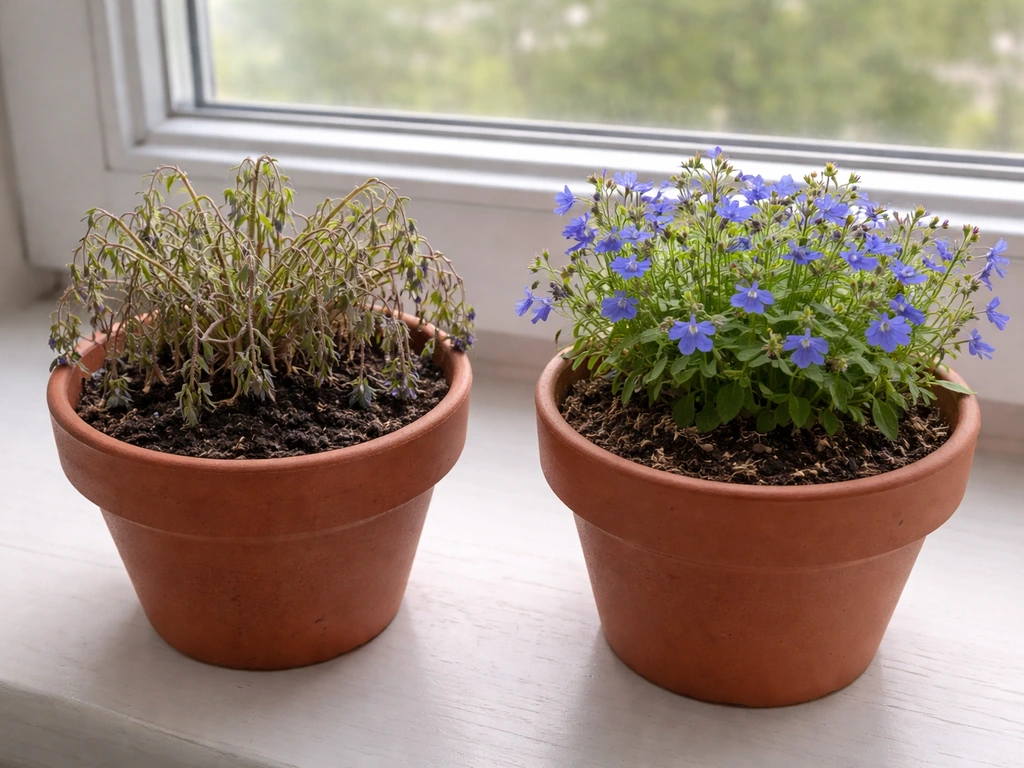
This is the most common indoor lobelia complaint, and it almost always comes down to insufficient light. If your lobelia is sending out long, thin stems with sparse leaves and few flowers, it is reaching for light it is not getting. Move it to your brightest window, add a grow light, or extend the light period to 14 hours. Then trim back the leggy growth by half to encourage bushier branching. Going forward, make sure it gets at least 12 to 14 hours of bright light daily.
Drooping and wilting
Drooping lobelia indoors usually signals one of two opposite problems: underwatering or overwatering. Check the soil. If it is bone dry, water thoroughly and the plant should perk up within a few hours. If the soil is wet and the plant is still drooping, you likely have root rot from overwatering or poor drainage. At that point, ease off water completely, make sure the pot is draining properly, and consider repotting into fresh mix if roots look dark and mushy.
No flowers
Poor flowering indoors usually means not enough light, too much heat, or the plant needs a shear-back and fresh fertilizer. If you are also wondering about can daylilies grow indoors, the answer depends on getting enough bright light and using the right container for their roots. Work through those three things in order. Also check that your day length is hitting 12 hours or more; lobelia is a facultative long-day plant, meaning longer days actively encourage it to bloom.
Pests
The most common indoor lobelia pests are fungus gnats, aphids, spider mites, and whiteflies. Fungus gnats are almost always a sign of consistently wet soil; let the top inch of soil dry out between waterings and switch to bottom-watering to cut their numbers fast. Aphids and spider mites show up as sticky residue or fine webbing on stems.
Knock them off with a strong spray of water, then treat with insecticidal soap or neem oil spray every five to seven days until they are gone. Whiteflies are trickier; yellow sticky traps placed near the plant help catch adults, and repeated neem oil applications take care of the rest. Any pest infestation heavy enough to distort flower buds needs to be dealt with immediately, because lobelia with a bad pest load will drop buds without ever opening.
Indoor care checklist and when to move lobelia outdoors
Here is a quick reference for keeping indoor lobelia healthy and blooming. Run through this whenever something seems off.
- Light: 12 to 14 hours of bright light daily, supplemented with a full-spectrum grow light if natural light is limited
- Temperature: 60 to 70 degrees Fahrenheit (15 to 21 degrees Celsius) during the day; cooler nights are fine
- Airflow: a gentle fan or cracked window to prevent stagnant, humid air
- Pot: 6 to 10 inches with drainage holes; no standing water in the saucer
- Soil: peat- or coir-based potting mix with 20 to 25 percent perlite
- Watering: check the top inch every two to three days; water when dry, drain completely
- Fertilizing: balanced water-soluble fertilizer every two weeks during active growth
- Shear-back: cut by half after each bloom flush, then fertilize and water to trigger the next round
- Pest check: inspect undersides of leaves weekly; address problems early before buds are affected
If your indoor setup cannot deliver at least 12 hours of decent light, or if your space runs warmer than 75 degrees Fahrenheit consistently, lobelia will struggle indoors and you will get better results moving it outside once the weather cooperates. The transition point is when nighttime temperatures are reliably above 50 degrees Fahrenheit (10 degrees Celsius).
At that point, move your lobelia to a spot with morning sun and afternoon shade, and it will reward you with a flush of blooms that indoor conditions simply cannot match. Some gardeners do exactly this: start lobelia indoors in late winter for early blooms, then transition it outside in late spring for the main show. It is honestly a great strategy if you have outdoor space to work with.
If you enjoy growing compact flowering plants indoors, lobelia fits into a similar space and care niche as alyssum and busy lizzies (impatiens), both of which face the same core indoor challenge of needing more light than a dim apartment can provide. Alyssum can also be grown indoors, but it typically needs a bright spot or a grow light to stay compact and keep flowering. Lobelia is not the easiest plant to keep thriving indoors, but with a grow light and the shear-back technique in your back pocket, it is one of the more rewarding ones.
FAQ
Can lobelia grow indoors without a grow light?
Yes, but pick the right window and plan for supplemental light. If your south or west window still gives you noticeably dim afternoons (no direct sun for much of the day), lobelia will often stretch and pause flowering even if it survives.
What is the best way to water indoor lobelia to prevent fungus gnats?
Use bottom watering in small, controlled intervals (about 20 to 30 minutes), then fully drain. If you see fungus gnats, let the top inch dry longer between waterings and keep the room airflow moving, these changes usually reduce outbreaks faster than adding insect treatments.
Why does my indoor lobelia stop blooming in summer even though I water it?
Watch for a predictable pattern. Heat near south glass can trigger a midsummer flowering pause, so keep daytime temps under about 75°F (24°C), and protect it from hot afternoon sun with a sheer curtain or move it slightly back from the glass.
How far should I shear-back lobelia indoors, and when?
Start trimming only after the first flush fades. Shear-back is most effective when you cut back about half and then immediately follow with fresh fertilizer and thorough watering, wait for new growth before doing any further light pinching.
Do lobelia seeds need to be covered when starting indoors?
Yes, but germination is not improved by covering seed. Press tiny seeds gently into the surface of moist sterile mix, keep them uncovered, and aim for 65 to 75°F (18 to 25°C) for consistent sprouting.
My lobelia is getting leggy, does that mean it needs more water or more light?
If it looks stretched with sparse leaves, it is usually not a watering issue. Improve the light first by extending to 14 hours under a full-spectrum LED, then trim long stems by about half to encourage branching.
Should I repot my lobelia when it comes from the nursery?
For the first repot, wait until roots fill the plug or you are moving into your final pot size. After that, repot only when drainage issues arise or the plant becomes rootbound, since frequent disturbance can set indoor lobelia back and delay blooming.
Will indoor lobelia bloom through winter?
It can bloom on and off, but it may not hold constant flowers all year. Expect a long season when day length and temperatures stay right, but if light drops in winter, you will likely get fewer blooms unless you increase light duration with a grow light.
How do I set up a grow light schedule for lobelia?
Yes. Use a full-spectrum LED set on a timer, and keep the light close enough that leaves stay compact rather than reaching. A common practical target is 12 to 14 hours per day, running longer often helps indoor lobelia maintain flower production.
Can I keep indoor lobelia in a humid bathroom?
Yes, but do not overdo high humidity. Lobelia dislikes stagnant air, so use a small fan on low or briefly ventilate on mild days to prevent fungal trouble and keep the soil surface from staying wet too long.