
Yes, lysimachia can grow indoors, but your success depends almost entirely on which type you're growing and how much light you can actually give it. Creeping jenny (Lysimachia nummularia) is by far the most realistic choice for indoor growing, and it genuinely does well in a pot on a bright windowsill or under a grow light. Upright loosestrife types like Lysimachia punctata or L. ciliata are much trickier indoors because they want more space, stronger light, and often go dormant in winter regardless of what you do. If you're starting fresh, go with creeping jenny. If you already have an upright type, I'll be honest with you: it's a tough indoor plant and you may be fighting it all the way.
Can Lysimachia Grow Indoors? Indoor Care Checklist

James Hartwell
27 May 2026
Which lysimachia types actually work indoors
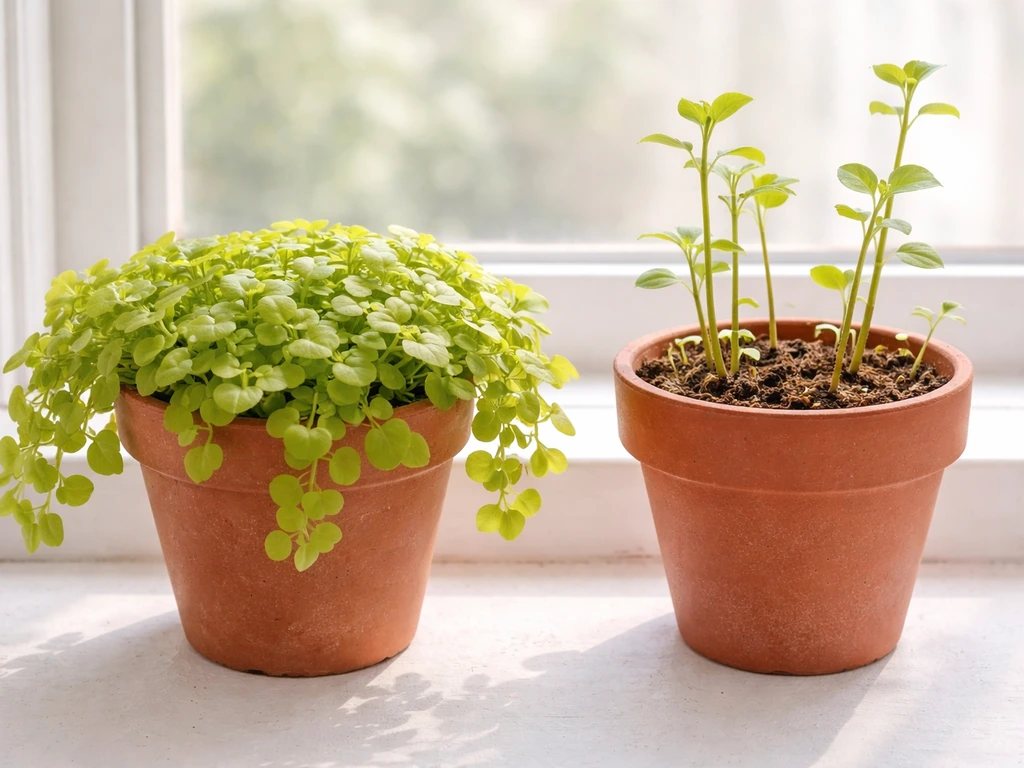
Not all lysimachia behave the same way indoors, and the difference is significant enough that it's worth breaking them down before you commit to a pot and a spot on your windowsill.
| Type | Indoor Suitability | Main Challenge | Verdict |
|---|---|---|---|
| Lysimachia nummularia (Creeping Jenny) | High | Overwatering sensitivity | Best choice for indoors |
| Lysimachia nummularia 'Aurea' (Golden Creeping Jenny) | High | Needs bright light to keep gold color | Great indoors with strong light |
| Lysimachia punctata (Garden Loosestrife) | Low | Tall, goes dormant, wants full sun | Not recommended indoors |
| Lysimachia ciliata (Fringed Loosestrife) | Low | Dormancy, space needs | Better kept outdoors |
| Lysimachia congestiflora | Moderate | Light and humidity requirements | Possible with grow light |
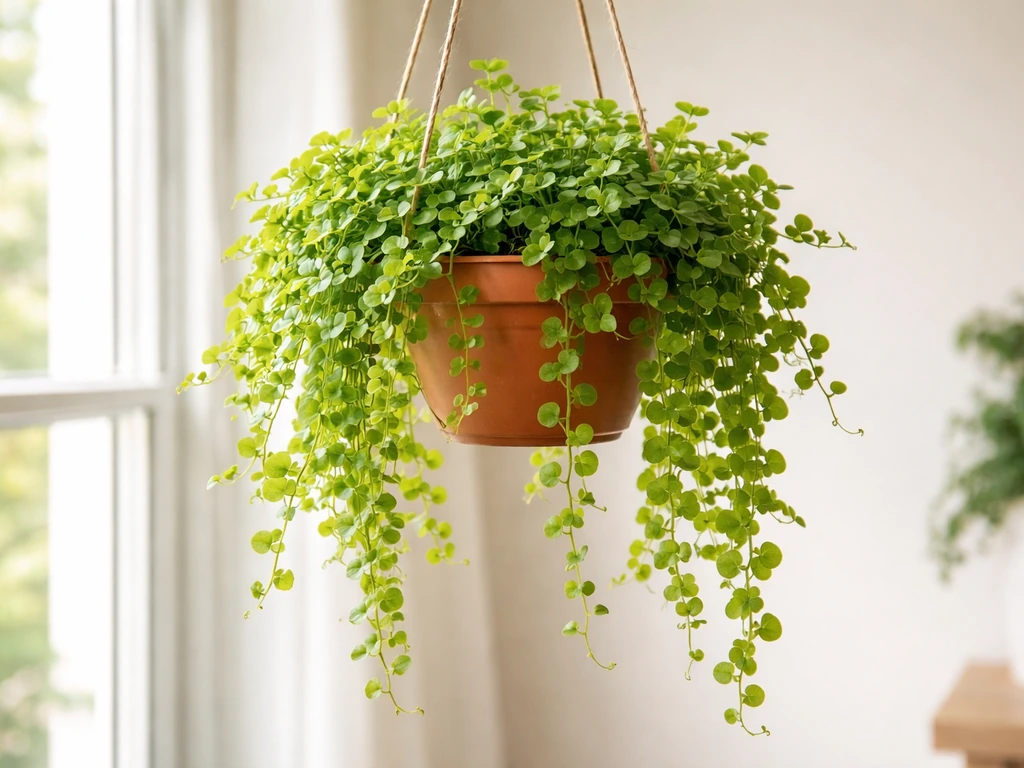
Creeping jenny is the one to focus on. It's low-growing, trails beautifully over pot edges, stays evergreen in mild conditions, and adapts to container life much more readily than its upright relatives. The golden variety ('Aurea') is especially popular as a houseplant because the chartreuse foliage looks striking indoors. Country Living has confirmed it works as a houseplant, and in my experience, it roots quickly from cuttings too, with new roots showing up within about two weeks of potting. If you're eyeing one of the taller loosestrife types, I'd steer you toward an outdoor container instead and save your indoor space for something that actually thrives.
Light needs and where to place it in your home
Light is the single biggest factor in whether your indoor lysimachia thrives or slowly struggles. Creeping jenny prefers bright indirect light to partial sun, which in home terms means your brightest window. A south- or west-facing window is ideal. An east-facing window can work if it gets a few hours of direct morning light. North-facing windows are generally not enough on their own unless you supplement with a grow light.
The golden variety ('Aurea') is especially demanding about light. Without enough brightness, it reverts toward a duller yellow-green and loses the vivid chartreuse color that makes it worth growing. If your windows are limited, a full-spectrum LED grow light placed 6 to 12 inches above the plant for 12 to 14 hours a day will do the job well. I've kept creeping jenny under a simple clip-on LED grow light in an apartment with average windows and it stayed dense and colorful through winter.
- South or west window: best option, place as close to the glass as practical
- East window: acceptable if the plant gets 3 or more hours of morning sun
- North window: supplement with a full-spectrum LED grow light
- No suitable window: use a grow light on a 12-14 hour timer, 6-12 inches above the foliage
- Rotate the pot a quarter turn every week or two to keep growth even
Potting, soil, drainage, and watering routine
Choosing your pot and soil
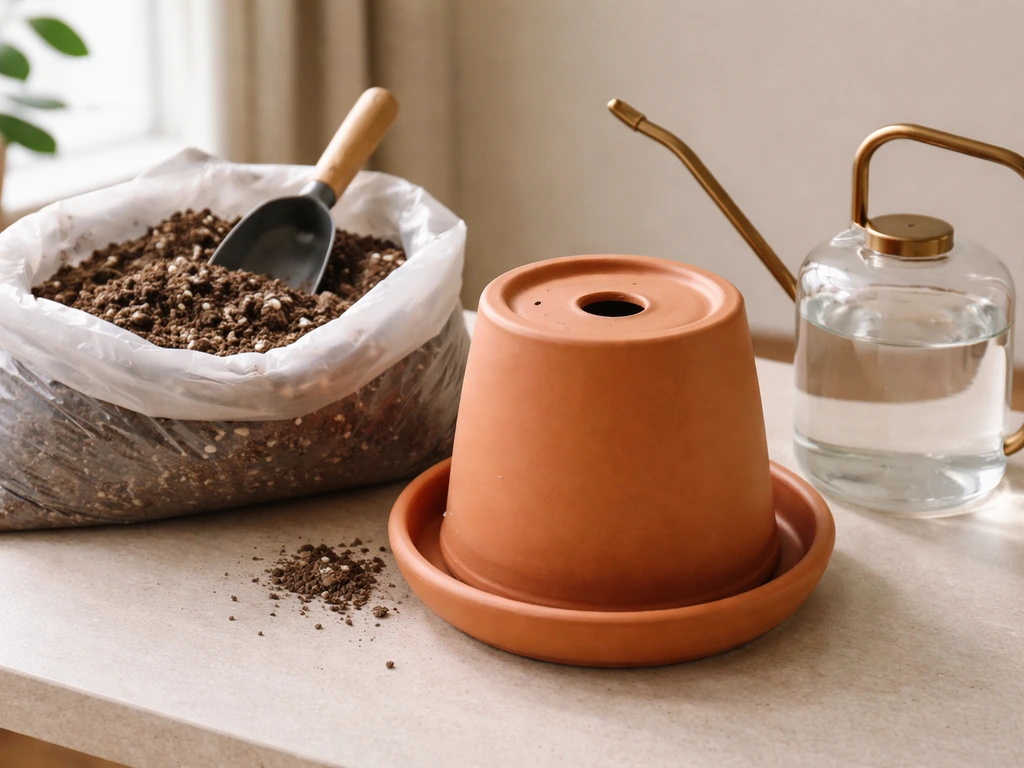
Drainage is non-negotiable with lysimachia. The number one indoor killer is overwatering and wet roots, so start with a pot that has at least one large drainage hole. IndoorVegetableGrower also recommends using appropriate pot conditions and staying on top of care to prevent stress when growing creeping jenny in containers indoors The number one indoor killer is overwatering and wet roots. Terracotta is a genuinely good choice here because it's porous and helps the soil dry out between waterings. Plastic pots work fine too, but you need to be more careful about your watering cadence since they retain moisture longer. For pot size, start with something 6 to 8 inches wide for a single plant or small cluster. Creeping jenny spreads, so a wide shallow pot suits it better than a deep narrow one.
For soil, use a well-draining all-purpose potting mix and improve it with about 20 to 30 percent perlite. Lysimachia wants consistently moist soil but not soggy conditions. A mix that holds some moisture but drains freely is the sweet spot. Avoid heavy garden soil or anything described as moisture-retaining or water-conserving, as those will work against you here.
Watering routine
Check the soil moisture before every single watering. Stick your finger about an inch into the soil. If it feels moist, wait. If it feels dry at that depth, water thoroughly until it drains out the bottom, then let it drain completely before putting the saucer back. Never let the pot sit in standing water. In most homes during winter, you might water every 7 to 10 days. In summer with more light and warmth, every 5 to 7 days is more typical, but always let the soil tell you rather than following a rigid schedule.
Indoor temperature, humidity, and fertilizing
Temperature and humidity
Creeping jenny is comfortable in normal indoor temperatures between 60 and 75 degrees Fahrenheit. It can tolerate a bit cooler without complaint, which is actually an advantage over more tropical houseplants. What it doesn't like is being near heating vents, radiators, or drafty cold windows in winter. Hot dry air from vents is a real problem because it drives down humidity and stresses the foliage. Average indoor humidity (around 40 to 50 percent) is usually fine, but if your home gets very dry in winter, a small humidifier nearby or a pebble tray with water under the pot will help keep leaves looking healthy.
Fertilizing schedule
Lysimachia indoors doesn't need heavy feeding. During the active growing season from spring through early fall, a balanced liquid fertilizer at half the recommended strength once a month is plenty. Something like a 10-10-10 or a general-purpose houseplant fertilizer works well. Stop fertilizing in late fall and through winter while the plant's growth naturally slows. Overfeeding in low-light winter conditions leads to weak, leggy growth rather than healthy compact foliage.
Common indoor problems and how to fix them
Leggy, stretched-out growth
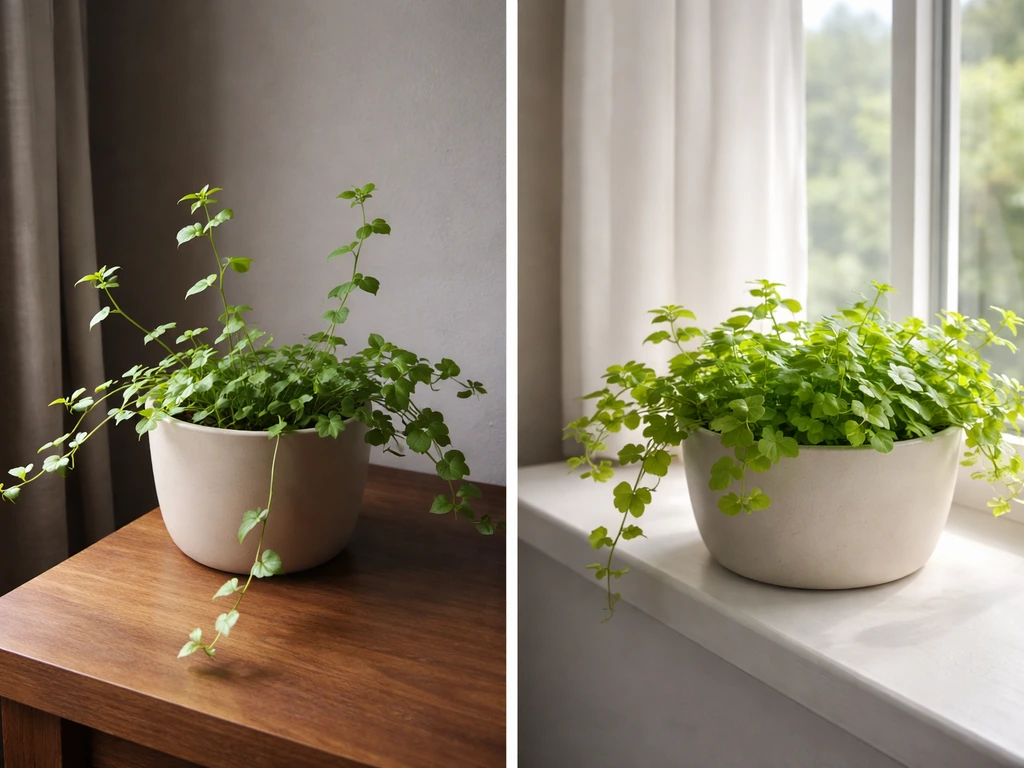
If your creeping jenny is sending out long, sparse stems with wide gaps between leaves, it's not getting enough light. This is the most common indoor complaint and the fix is straightforward: move it to a brighter window or add a grow light. Trim back the leggy stems to encourage bushier growth, and once the light situation improves, new growth will be noticeably more compact and healthy.
Yellow leaves
Yellowing leaves usually point to one of two things: overwatering or too little light. If the soil feels wet and the yellowing is happening at the base of the plant, you're almost certainly overwatering. Let the soil dry out more between waterings and make sure your drainage is working properly. If the soil seems fine but leaves are still yellowing, suspect light as the cause and address that first. Occasionally yellowing can be a sign of nutrient deficiency, but that's less common and should only be considered after ruling out watering and light issues.
Root rot
Root rot is the most serious problem lysimachia faces indoors and it usually comes from a combination of overwatering and poor drainage. Signs include mushy stems at the base, a foul smell from the soil, and wilting despite wet soil. If you catch it early, unpot the plant, trim off any blackened or mushy roots with clean scissors, let the roots air dry for an hour, and repot into fresh dry potting mix. If most of the root system is gone, take stem cuttings from any healthy growth, pot them into fresh mix, and start again.
Pests
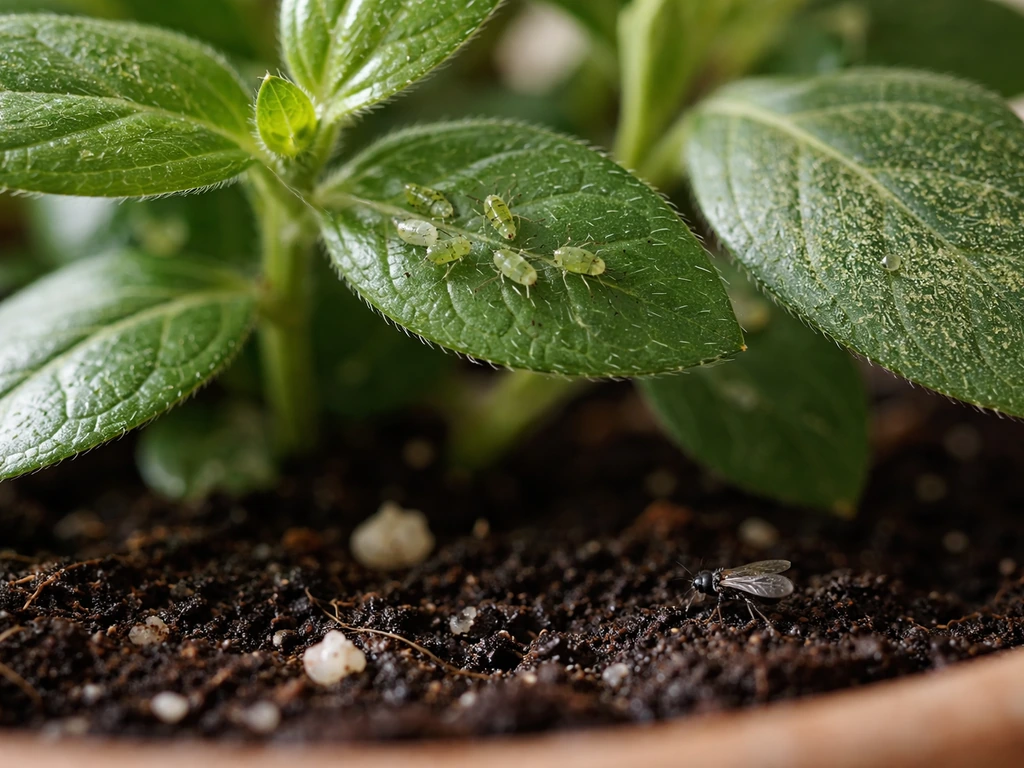
Indoors, lysimachia can attract aphids, spider mites, and fungus gnats. Spider mites tend to show up when humidity is too low and the air is dry, especially in winter. Check the undersides of leaves regularly and treat with a diluted neem oil spray or insecticidal soap if you spot them. Fungus gnats are almost always a sign of consistently wet soil. Let the top inch or two of soil dry out more reliably between waterings and the gnats will clear up on their own over a few weeks.
Slow growth or near dormancy in winter
If your lysimachia slows down dramatically in winter, that's largely normal behavior, especially for upright types that are hardwired to go dormant. For creeping jenny, slow winter growth is mostly a light issue. Can lamium grow indoors? It can, but it still needs the right light and careful watering to avoid stress. Add a grow light and keep temperatures stable, and you'll see much better activity through the cooler months. Don't overcompensate by watering or fertilizing more heavily in winter, as that causes more problems than it solves.
Set yourself up for success today
If you're ready to bring lysimachia indoors or troubleshoot an existing plant, here's what to do right now. Creeping jenny is generally the most reliable option if you’re wondering can lobelia grow indoors, but the right light and watering still make the difference. Getting these basics right from the start is what separates a thriving plant from a struggling one.
- Choose creeping jenny (Lysimachia nummularia or 'Aurea') as your indoor variety if you have any say in it
- Pick a terracotta or well-draining pot at least 6 inches wide with a drainage hole
- Mix your potting soil with 20 to 30 percent perlite before planting
- Place the pot in your brightest south or west-facing window, or set up a full-spectrum LED grow light on a 12-14 hour timer
- Water only when the top inch of soil feels dry, then water thoroughly and let it drain completely
- Keep the plant away from heating vents and cold drafts
- Check leaves every week for pests, yellowing, or leggy growth and act on any issues early
- Feed with half-strength balanced liquid fertilizer once a month from March through September, nothing in winter
- If cuttings are available, pot them directly into your prepared mix: roots should appear within about two weeks
The honest truth about indoor lysimachia is that it's not a fussy diva, but it's also not a set-it-and-forget-it plant. If you're also wondering about other sunny perennials, you may be asking can daylilies grow indoors. Get the light right and don't overwater, and creeping jenny is genuinely rewarding to grow inside. If you want a classic alternative, you can also grow tiger lilies indoors with the right light and potting mix. If you’re wondering can lantana grow indoors, the key is to choose a bright spot and mimic warm, sunny conditions as closely as possible. It trails beautifully, the golden variety adds real color to a shelf or windowsill, and it responds quickly when you give it what it needs. If you're comparing it to other trailing or compact indoor flowers like lobelia or busy lizzies, lysimachia sits comfortably in the manageable-to-easy range, as long as you respect its light needs. Start with one plant, nail the care routine, and you'll have a healthy indoor specimen that's easy to propagate and expand from there.
FAQ
Can lysimachia grow indoors year-round, or does it need winter dormancy?
Yes, but only if you can match its light and moisture needs. For best odds, keep it in a bright windowsill or under a full-spectrum grow light (about 12 to 14 hours daily), and use a potting mix with perlite. If your winters are dark, expect slower growth rather than trying to compensate with extra fertilizer or water.
How do I stop indoor lysimachia from getting root rot?
Use a draining pot and never water on a timer. If the soil is still damp 1 inch down, skip that watering, and make sure excess drains fully before the saucer is returned. Standing water and consistently wet soil are the fastest route to root rot indoors.
What’s the easiest way to propagate creeping jenny indoors?
Creeping jenny cuttings usually root quickly, but the biggest mistake is letting the cuttings dry out before they establish. Keep the mix lightly moist (not wet), provide bright light, and avoid cold drafts during rooting. Once you see new growth, you can return to your normal “check the top inch” watering rhythm.
Which window direction is best for indoor lysimachia, and what if I only have north light?
A south or west window is typically the most reliable. If you only have an east window, give it a few hours of direct morning light and watch leaf color. If the plant starts turning duller yellow-green (especially the golden variety), that’s a sign the light is not bright enough.
My plant is growing, but it looks leggy and sparse. What should I adjust first?
If it is trailing but looks thin with long gaps between leaves, increase light first. Trimming leggy stems helps it branch, but it will not fix a chronic low-light setup. Move the plant closer to the light or raise your grow light duration before increasing water or fertilizer.
Why are my lysimachia leaves turning yellow, especially near the base?
If only the lower leaves yellow while the soil stays wet, overwatering is the most likely cause. If the soil is not wet but leaves yellow, look at light intensity next (more brightness usually fixes it). Nutrient issues can happen, but they are less common than watering and light problems indoors.
Do I need a humidifier for indoor creeping jenny?
Yes, and in many homes it is helpful during winter. The key is to keep humidity roughly in the typical indoor range, and to avoid soaking the leaves directly during treatment with oils or soaps. A pebble tray can help, but a small humidifier near the plant often raises humidity more consistently.
What pests should I watch for on indoor lysimachia, and how do I treat them?
For pest control, identify the insect first because treatments differ. Spider mites often show up with dry air, so improving humidity and using insecticidal soap can work well. Fungus gnats point to wet soil, so letting the top inch or two dry and reducing watering is the priority.
How often should I repot indoor lysimachia?
Most indoor pots can be reused, but not with old contaminated or sour soil. When repotting due to root rot, replace the soil completely, and disinfect scissors used for trimming. After repotting, keep conditions bright but avoid heavy watering until new roots form.
If upright loosestrife varieties are harder indoors, is there a way to make them more successful?
It can, and the most common approach is to root cuttings in fresh mix rather than trying to keep a difficult upright type alive indoors. If you start with upright loosestrife, plan for higher light demands and potential winter slowdown or dormancy, even with good care.