
You can grow Queen Anne's lace indoors, but go in with realistic expectations: most of the time you'll get beautiful ferny foliage in year one, and flowering is genuinely difficult to achieve unless you can replicate the plant's biennial life cycle inside your home. It's not a quick windowsill success story like a pothos or a polka dot plant, but if you give it a very bright spot, the right container setup, and a little patience, it can be a rewarding and unusual indoor project.
Can You Grow Queen Anne’s Lace Indoors? How-To Guide

James Hartwell
31 May 2026
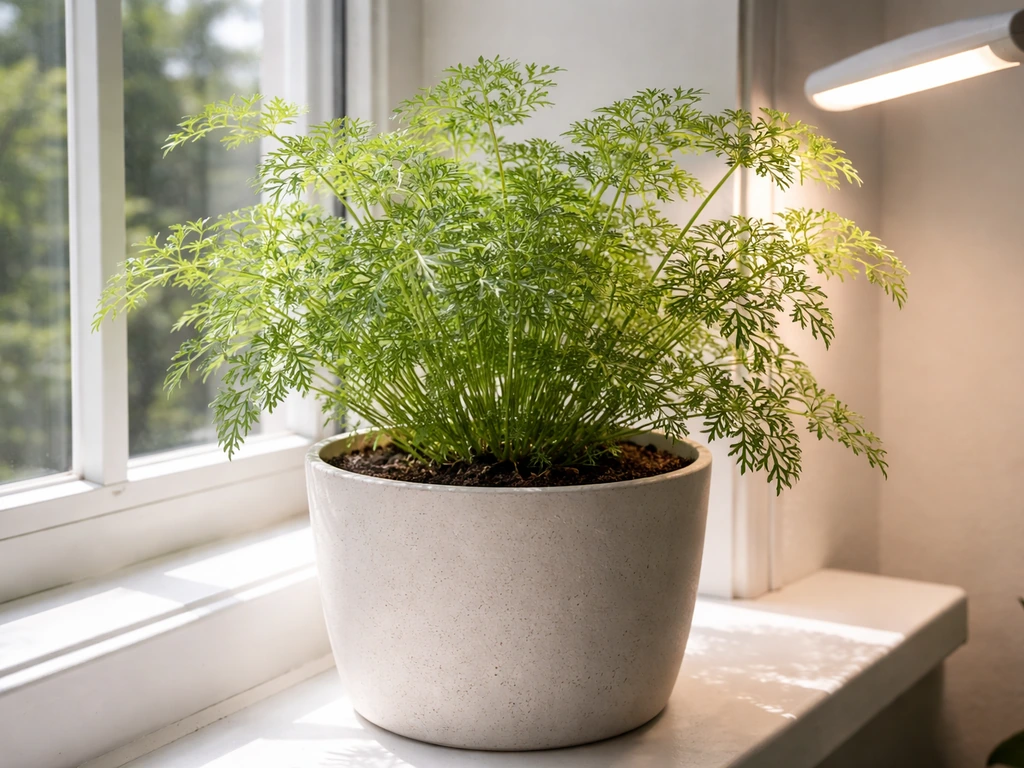
Is growing Queen Anne's lace indoors actually feasible?
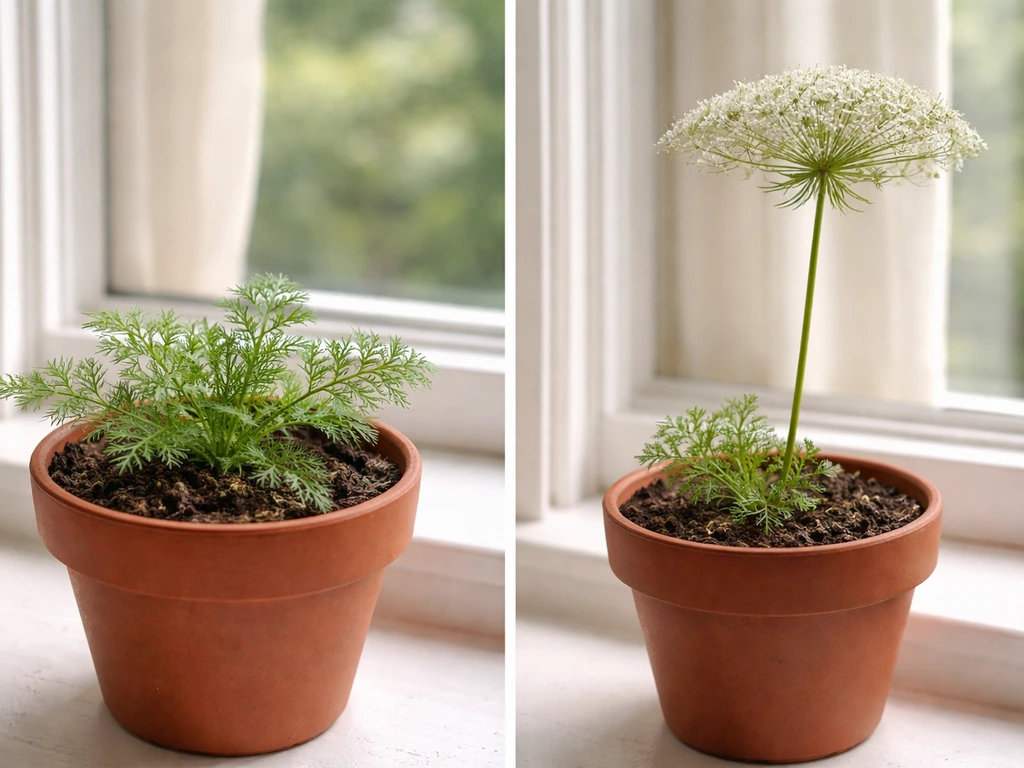
Queen Anne's lace (Daucus carota) is a biennial wildflower, which is the core thing to understand before you start. In year one it builds a low, bushy rosette of feathery foliage, typically 4 to 6 inches tall but spreading up to about 18 inches wide. In year two, it sends up flowering stalks that can reach 2 to 4 feet tall and produce those iconic flat-topped white umbel blooms. Indoors, getting through that full two-year cycle is the challenge. Your home lacks the natural cold period (vernalization) that triggers year-two flowering, so without deliberately simulating that, most plants just sit in rosette mode indefinitely.
That said, it is genuinely possible to grow healthy, attractive Queen Anne's lace foliage indoors, and some growers do manage to coax flowers by mimicking a cold dormancy period. Primula can also be grown indoors with the right cool temperatures, bright light, and consistent moisture can primula grow indoors. If you just want that delicate, carrot-top fern texture as an interesting indoor plant, this is totally doable. If you absolutely need the flowers, plan for a longer-term project and some extra work. I'd call this a moderate-difficulty plant for indoors, sitting somewhere between easy herbs and the truly difficult outdoor-only plants.
Light: this is the make-or-break factor
Queen Anne's lace wants full sun outdoors, meaning 6 or more hours of direct sunlight per day. That's a demanding requirement for any indoor space. Your best window placement is a south-facing window, which gets the longest and most direct light exposure throughout the day. East or west-facing windows can work as a secondary option, but expect slower, leggier growth. North-facing windows are not suitable for this plant.
Honestly, even a south-facing window in most homes and apartments doesn't fully replicate outdoor sun intensity, especially in winter. If you notice your plant stretching and leaning hard toward the light, that's your cue to add a grow light. A full-spectrum LED grow light positioned 6 to 12 inches above the plant and running 14 to 16 hours per day can compensate well. I've seen similar sun-hungry plants like portulaca face the exact same problem indoors, where they look okay at first and then slowly etiolate without supplemental light. Don't wait for the plant to look terrible before adding the light.
Starting from seed: germination, stratification, and timing
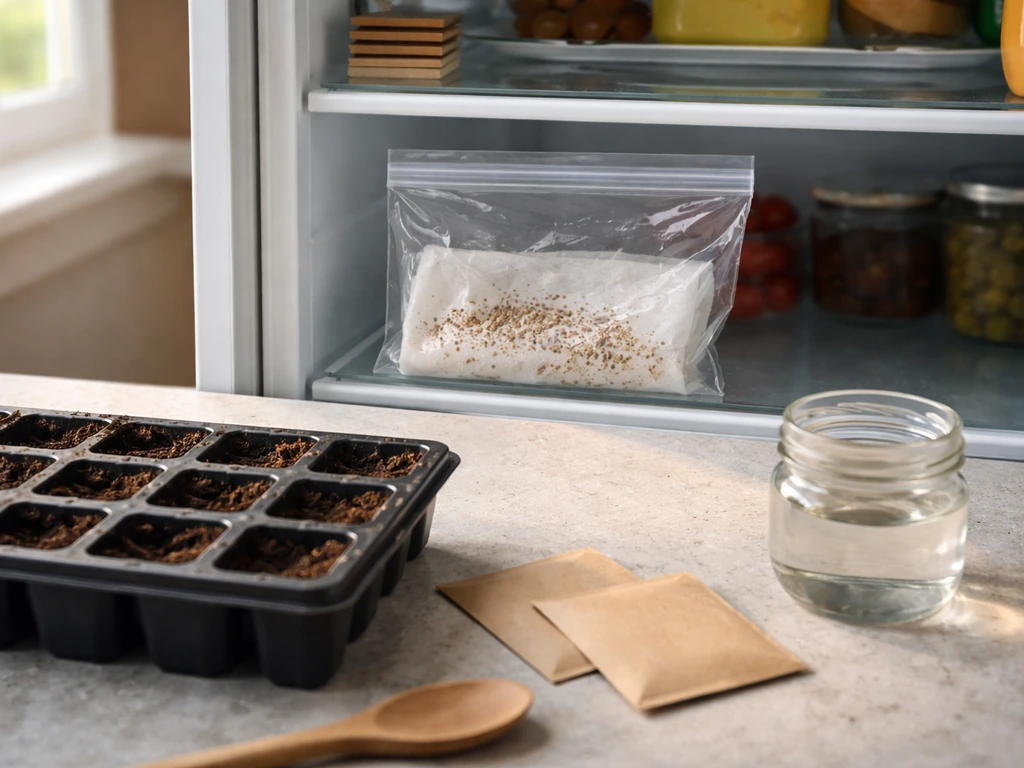
Seeds are essentially your only practical starting method for Queen Anne's lace indoors, since it's not a plant you'll commonly find as a transplant at a nursery. The good news is seeds are widely available and inexpensive. The less straightforward news is that germination can be erratic without a little prep work.
Cold stratification makes a real difference. Place your seeds in a slightly damp paper towel, seal them in a zip-lock bag, and refrigerate them for 2 to 4 weeks before sowing. Research on Daucus carota germination shows that some seed lots germinate reliably without it, but others barely move until they've had a cold period. Stratifying covers your bases. After stratification, sow seeds directly into your prepared container (more on that below) and expect germination somewhere between 7 and 30 days, depending on temperature and your specific seed source. Keep the soil consistently moist but not waterlogged during this window.
For timing indoors, late winter to early spring is a good window if you want to give the plant a long growing season before natural light drops again in fall. If you're using grow lights year-round, timing is more flexible. Avoid sowing into a cold room, as germination slows considerably below 60°F (15°C). Aim for room temperatures of 65 to 75°F (18 to 24°C) during germination.
Container, soil, and drainage setup
Because Queen Anne's lace is essentially a wild carrot, its root system behaves like one. It develops a long taproot, which means pot depth matters more than width. Use a container at least 10 to 12 inches deep to give the taproot room to grow without deforming or becoming stunted. Stunted roots lead to a weaker, shorter-lived plant. Width-wise, a pot in the 8 to 12 inch diameter range works well for a single plant or a small cluster.
A drainage hole is non-negotiable. Queen Anne's lace roots rot quickly in soggy soil, and a pot without drainage will eventually kill the plant no matter how careful you are with watering. Don't use a saucer that stays flooded either. Empty it after watering.
For soil, use a loose, well-draining potting mix rather than garden soil, which compacts too easily in containers and restricts taproot development. Aim for a pH between 6.0 and 6.5, which is the target range backed by carrot cultivation research and directly applicable to Daucus carota in pots. You can mix in a little coarse sand or perlite to improve drainage and looseness if your standard potting mix feels heavy. Avoid mixes with a lot of moisture-retaining gel or heavy peat if possible.
Watering and feeding without killing it
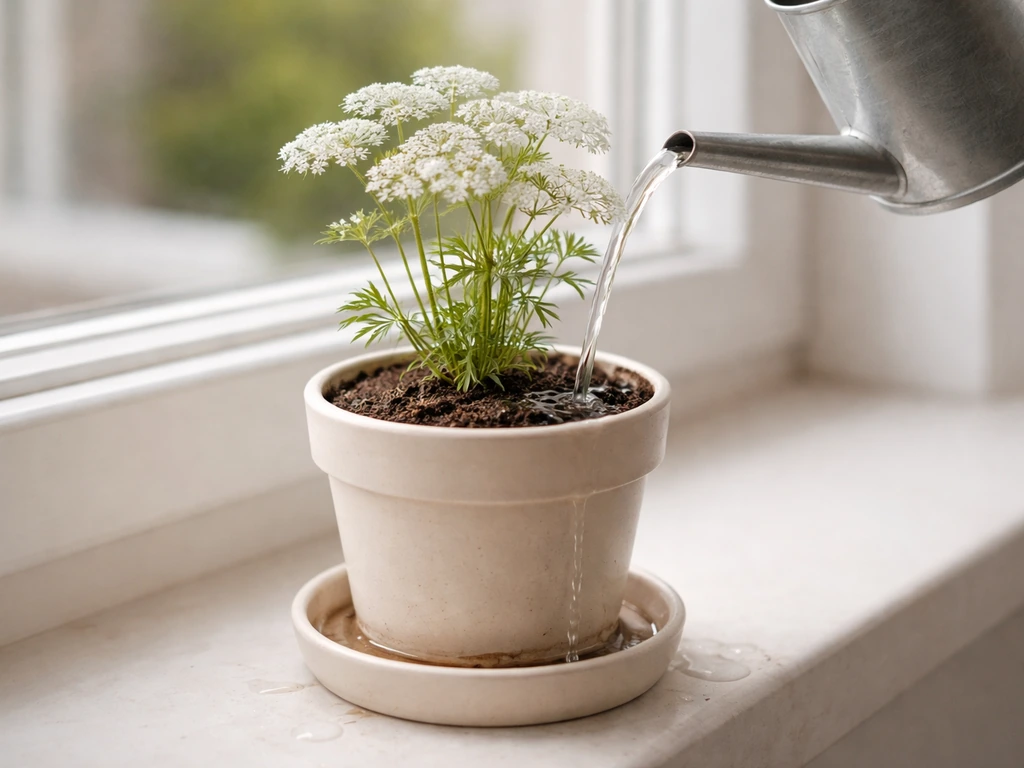
The most common way people lose Queen Anne's lace indoors is overwatering. Water when the top inch of soil feels dry, then water thoroughly until it drains from the bottom. Don't let the pot sit in standing water. During the slower winter months, back off watering frequency a bit since the plant isn't actively pushing growth.
Damping off (a fungal problem where seedlings collapse at the soil line) is a real risk at the germination stage. To reduce it, avoid misting seedlings from above and make sure there's some air circulation around your containers. A small fan running on low nearby helps a lot. Once the plant is established past the seedling stage, damping off risk drops significantly.
For fertilizing, Queen Anne's lace isn't a heavy feeder. A balanced, diluted liquid fertilizer (something like a 10-10-10 at half strength) applied once a month during active growth is plenty. Avoid high-nitrogen fertilizers, which push leafy growth at the expense of root and flower development. If you're using a potting mix that came pre-loaded with fertilizer, skip extra feeding for the first 6 to 8 weeks.
What to actually expect: growth timeline and realistic outcomes
Here's the honest picture. In year one, you'll see germination within 1 to 4 weeks (with stratification), then slow establishment of that ferny rosette over the following months. The foliage is genuinely attractive and has a feathery, aromatic quality that makes it interesting even without flowers. Don't expect flowering in the first growing season under normal conditions.
To attempt indoor flowering in year two, the plant generally needs a vernalization period: a stretch of cooler temperatures (around 40 to 50°F / 4 to 10°C) for several weeks to break dormancy and trigger the flowering response. Some growers move their plant to an unheated garage or cold porch for this period in winter, then bring it back indoors under strong light. Under ideal conditions, flowering stalks can develop relatively quickly once triggered.
There are reports of flowering occurring within about 6 weeks of conditions shifting favorably, though this varies considerably. Greg's indoor care guide also notes that flowering can happen after a period of cold and shifting conditions reports of flowering occurring within about 6 weeks of conditions shifting favorably.
Be aware that when the plant does bolt to flower, those stalks can hit 2 to 4 feet tall. In an average apartment, that's manageable near a ceiling, but you'll want to make sure your grow light setup has enough vertical clearance. If height is a real constraint, growing Queen Anne's lace primarily as a year-one foliage plant and simply refreshing with new seeds each spring is a completely legitimate approach. The Royal Horticultural Society notes that Daucus carota is propagated from seed sown in situ between February and July, which reflects why it generally establishes outdoors rather than being a straightforward indoor container plant propagation from seed sown in situ between February and July.
Troubleshooting when things go wrong
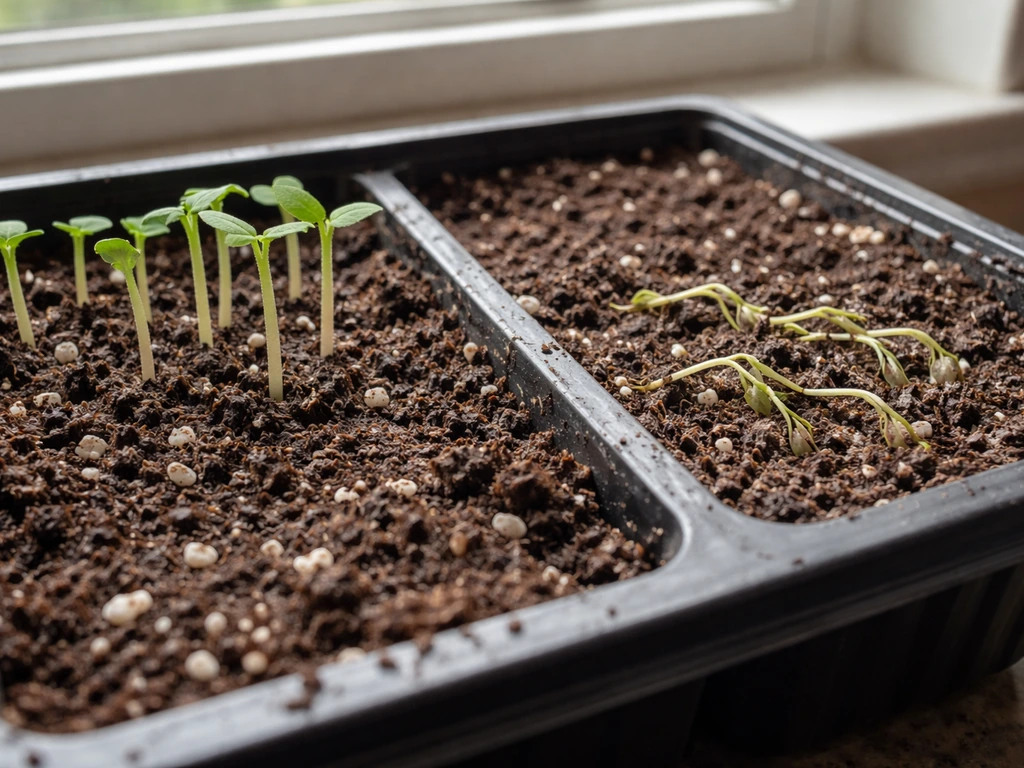
Most indoor problems with Queen Anne's lace trace back to just a few causes. Here's how to diagnose and fix the most common ones:
- Seeds not germinating: Try cold stratification if you haven't already. Also check that soil temperature is above 60°F and that the soil has stayed consistently moist (not waterlogged) since sowing. Old or low-viability seed is another culprit, so use fresh seed from a reliable source.
- Leggy, stretched growth: This almost always means insufficient light. Move the plant to a brighter window or add a full-spectrum grow light. The plant should be compact and upright, not flopping toward the light source.
- Yellowing lower leaves: Can be overwatering, poor drainage, or the natural senescence of older foliage. Check that your pot drains freely and that you're letting the top inch of soil dry between waterings.
- No flowers after year one: This is expected and normal. The plant needs vernalization to trigger flowering. Try simulating a cold dormancy period by moving the plant somewhere cool (40 to 50°F) for 6 to 8 weeks in winter, then returning it to warm, bright conditions.
- Wilting despite moist soil: Check the roots. Soggy, poorly-draining soil can cause root rot, which looks like wilting even when wet. If the roots look mushy or brown, repot into fresh, better-draining mix and cut back watering significantly.
- Plant declining after flowering: Queen Anne's lace is biennial, so decline after flowering is normal. The plant completes its life cycle after setting seed. Collect seeds and start fresh if you want to continue growing it.
Safety and identification: important notes for indoor gardeners
Before you grow Queen Anne's lace indoors (or handle it in any context), there are two safety topics worth taking seriously. The first is plant identification. Queen Anne's lace belongs to the Apiaceae family, which contains some of the most dangerous lookalikes in the plant world, including poison hemlock (Conium maculatum).
A key identification feature of true Queen Anne's lace is its hairy stem and the often-present single dark purple or red floret at the center of the white umbel flower cluster. Poison hemlock, by contrast, has smooth, hairless stems often marked with purple blotches and lacks the central purple floret.
If you're growing plants from seed purchased from a reputable supplier and labeled as Daucus carota, you're fine, but if you're collecting seeds from the wild, treat any Apiaceae plant with extreme caution until you're confident in your ID.
The second issue is phytophotodermatitis. Queen Anne's lace contains furanocoumarins, compounds that can cause a skin rash or burn when skin contact is followed by UV light exposure. This is particularly relevant for indoor growers using grow lights, since UV exposure indoors is lower but still possible. Always wear gloves when handling the plant, trimming foliage, or working with seeds. This is especially important if you have children or pets that might come into contact with the plant. The foliage is aromatic when brushed, which can be pleasant, but resist the habit of handling it casually without protection. The reaction can be surprisingly severe in sensitive individuals.
Quick-reference setup for indoor Queen Anne's lace
| Factor | Recommendation |
|---|---|
| Light | South-facing window or full-spectrum grow light, 14–16 hours/day |
| Container depth | At least 10–12 inches deep with drainage holes |
| Soil pH | 6.0–6.5, loose well-draining potting mix |
| Germination temp | 65–75°F (18–24°C) |
| Cold stratification | 2–4 weeks in refrigerator before sowing |
| Germination time | 7–30 days after stratification |
| Watering | When top inch of soil is dry; never let pot sit in water |
| Fertilizing | Balanced liquid feed at half strength, monthly during growth |
| Flowering requirements | Vernalization (6–8 weeks at 40–50°F) needed to trigger bloom |
| Expected height at flower | 2–4 feet; plan vertical clearance accordingly |
| Safety | Wear gloves; confirm ID before growing from wild-collected seed |
Queen Anne's lace indoors is one of those plants that rewards patience and punishes neglect of its basic needs, especially light. Can polka dot plant grow indoors too? The care is similar in that light and well-draining conditions make or break indoor success. If you're already growing sun-loving plants indoors and have a solid grow light setup, this is a fun and unusual addition. If your indoor light situation is already borderline, it's worth sorting that out first before tackling a plant this demanding.
For context, even relatively easy sun-lovers like primula or purple heart plants can struggle in low-light indoor conditions, and Queen Anne's lace has higher light needs than most. Get the light right, use a deep container with good drainage, give it a cold period if you want flowers, and handle it carefully with gloves.
If you are wondering whether a can mogra plant can grow indoors, the same approach is to match the light and container needs to the plant’s natural growth habits. A can polka dot plant grow indoors too, but it needs a different light and watering routine than Queen Anne's lace. Do those things and you'll get a genuinely rewarding plant.
FAQ
If I do not have space for a cold porch or garage, can I still grow Queen Anne’s lace indoors?
Yes, but it will behave more like a long-lasting foliage plant. If you skip the cold period, most plants stay in rosette mode rather than bolting, so plan to grow it for attractive ferny leaves and refresh with new seed for subsequent seasons.
How can I be sure I have the real plant (not a poisonous Apiaceae lookalike) when buying seed?
Look for the stem and flower-center details before you commit. True Daucus carota often has a hairy stem and a single dark purple or red floret at the center of the white umbel, while common dangerous lookalikes are typically hairless and marked differently.
Do I need grow lights even if I have a south-facing window?
Start with a short photoperiod then build up, especially right after germination. Use 14 to 16 hours per day under a grow light, and if seedlings stretch early, increase light duration or intensity rather than adding more water.
What’s the best way to water during seed germination to prevent damping off?
Yes, but avoid “flooding” the pot. During germination, keep the top slightly moist and ensure fast drainage, then water only after the top inch dries, since consistent moisture with good airflow helps reduce damping off.
Can I start Queen Anne’s lace seeds in a small tray and then transplant to a final pot?
You can transplant after the seedlings have several true leaves, but handle the root carefully because it forms a long taproot. If roots are disturbed or cramped early, growth can become shorter and slower even if the plant survives.
What is the single most important step if my goal is flowers indoors?
Betting on flowers usually requires a cold period, about 40 to 50°F (4 to 10°C) for several weeks, then immediate return to strong light. Without that shift, many plants never initiate the flowering stalk stage and remain a rosette.
What container mistakes most often kill Queen Anne’s lace indoors?
A common container mistake is using a pot that is deep enough but too narrow for long-term taproot growth. Choose at least 10 to 12 inches deep, and also ensure drainage holes are clear, since blocked holes can cause “quiet” root rot.
My plant is leaning and stretching, does that mean it needs fertilizer?
If it leans, the plant is likely light-starved rather than underfed. First correct the light (closer, brighter, or longer photoperiod), then only resume fertilizing after growth is stable, since excess fertilizer will not fix etiolation.
How do I know whether my fertilizer is helping or stressing the plant?
Avoid heavy nitrogen. Use a diluted balanced liquid only during active growth, and stop or reduce feeding in winter, because continued high feeding can weaken root behavior and increase stress when growth slows.
What’s the easiest way to handle indoor height limits with Queen Anne’s lace?
If you want a plant you can manage in an average room, treat it as a year-one project. After the rosette year, either store the plant in the appropriate cool conditions for an attempted second year, or simply restart each spring from seed to avoid tall bolting in confined spaces.
Is it really necessary to wear gloves indoors if there’s no outdoor sun?
Wear gloves and minimize direct skin contact, even indoors, because the plant contains skin-irritating compounds. If your skin is sensitive, consider long sleeves and wash hands and tools after trimming, especially if using grow lights in close proximity.