
Yes, you can grow genuinely exotic plants indoors, and plenty of them will thrive in a normal home without a greenhouse or grow tent. The key is matching the plant to the light and humidity you actually have, not the light you wish you had. Favorites like bird of paradise, monstera, hoya, and certain orchids do remarkably well on a bright windowsill or under a decent grow light. Others, like corpse flowers or certain pitcher plants, will punish you for trying. This guide cuts straight to the plants worth growing, what they need exactly, and how to keep them alive long-term.
Exotic Plants You Can Grow Indoors: Light, Care, and Tips
James Hartwell
27 May 2026
How to choose exotic indoor plants that will actually thrive
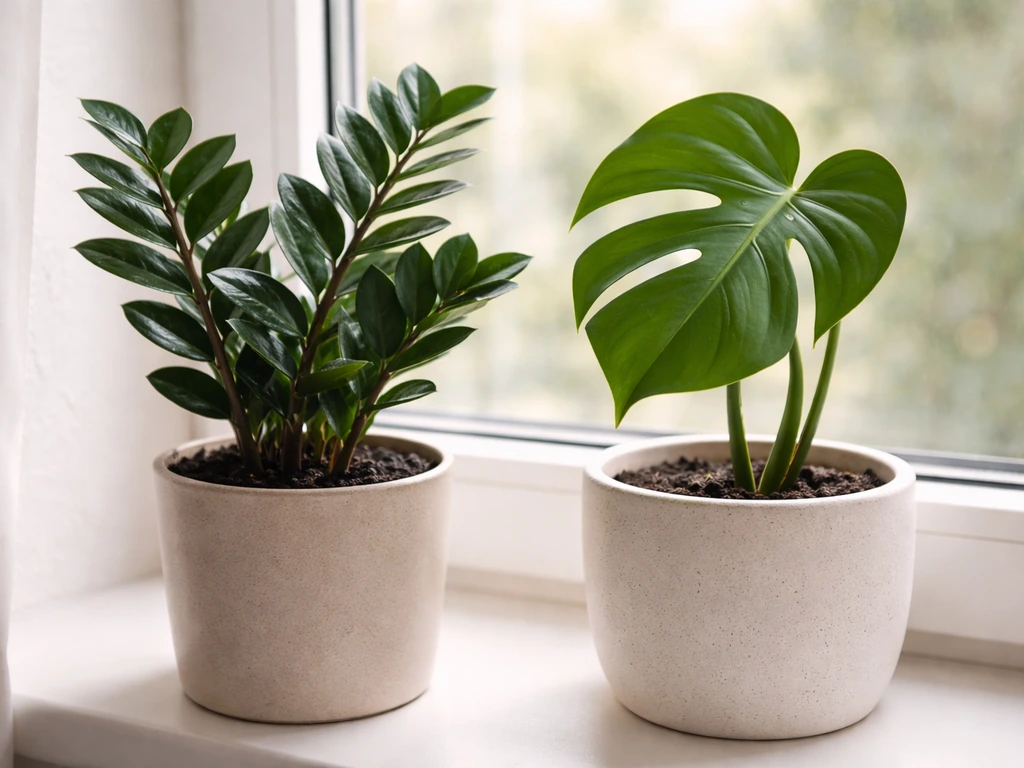
The word 'exotic' gets thrown around loosely, but for practical purposes it means plants that originate from tropical, subtropical, or unusual climates and look visually striking in your home. The problem is that exotic-looking doesn't automatically mean indoor-friendly. Before you buy anything, ask yourself three questions: What's the light level near my best window? How much humidity is in my home? And am I willing to mist, humidify, or accept a slower-growing plant? Your answers will determine 80% of your success.
Light is the single biggest factor. Indoor light is measured in foot-candles (fc), which is simply the brightness from one candle at one foot away. A north-facing room might give you 50–100 fc. An east or west-facing window typically delivers 100–500 fc of medium-bright light.
University of Maryland Extension also uses foot-candles to define indoor “low/medium/bright” light, and places medium-bright light in the 100, 500 fc range, which matches east or west-facing windows east or west-facing windows typically delivers 100–500 fc of medium-bright light.
A south-facing window with no obstructions can push well past 1,000 fc. Most tropical exotics need at least 250 fc to grow well, and many statement plants want 500 fc or more. Tropical plants you can grow indoors often need bright light, steady humidity, and protection from cold drafts. If you're not sure about your light levels, a cheap light meter from a garden center or a free smartphone app will give you a usable reading in seconds.
Beyond light, watch out for placement problems that catch people off guard. Sitting a plant right against a single-pane window in winter means cold drafts at night that can damage tropical roots and foliage. In summer, the same window can create a heat trap during the afternoon. The University of Arizona Extension specifically flags both of these as indoor plant killers: intense daytime heat near glass and cold nighttime drafts. Position plants a foot or two back from the glass, or use a sheer curtain as a buffer, and you'll avoid a lot of heartache.
One more thing: if you have cats, dogs, or small children, toxicity needs to be part of your selection process, not an afterthought. I'll cover this in the safety section, but know upfront that several of the most popular 'exotic' plants, including monstera, are listed as toxic to pets by the ASPCA.
Top exotic indoor plants organized by light level
Here's a curated list of genuinely exotic plants that indoor gardeners can realistically keep alive, sorted by the light level they actually need. Tropical plants you can grow indoors overlap heavily with this list, but I've focused here on species with strong visual impact and a track record in home environments.
Low light (50–200 fc): north-facing rooms and darker spots
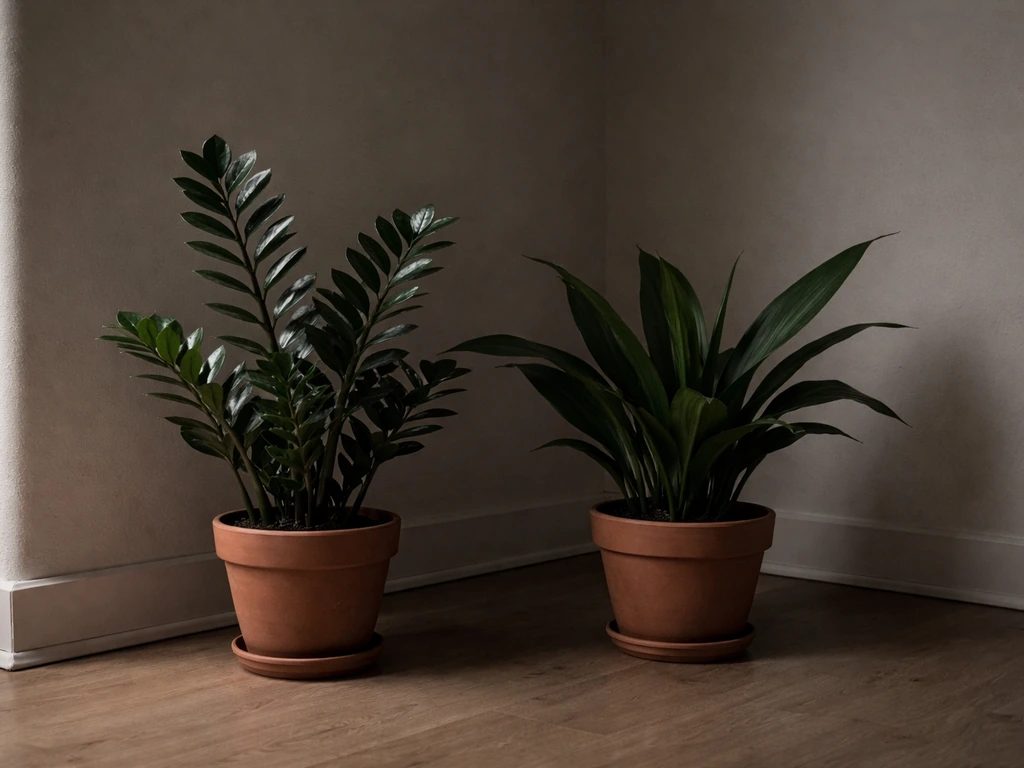
- ZZ plant (Zamioculcas zamiifolia): glossy, architectural foliage, nearly indestructible
- Cast iron plant (Aspidistra elatior): deep green, strap-like leaves, handles neglect and low light better than almost anything
- Chinese evergreen 'Red Siam' (Aglaonema): colorful pink-red patterned leaves, tolerates dim corners
- Peace lily (Spathiphyllum): tropical white blooms even in low light, one of the few flowering exotics that manages without a bright window
Medium light (250–1,000 fc): east or west-facing windows
- Monstera deliciosa: iconic split leaves, fast-growing, impressive as a statement plant
- Dumb cane (Dieffenbachia): bold tropical foliage in white and green patterns
- Bird of paradise (Strelitzia reginae): sculptural, large paddle-shaped leaves, blooms possible with enough consistent light
- Anthurium andraeanum: waxy red or pink spathes, long-lasting blooms, genuinely exotic-looking
- Syngonium (arrowhead vine): vining habit, arrow-shaped leaves in green, pink, or variegated forms
Bright light (1,000+ fc): south-facing windows or grow lights
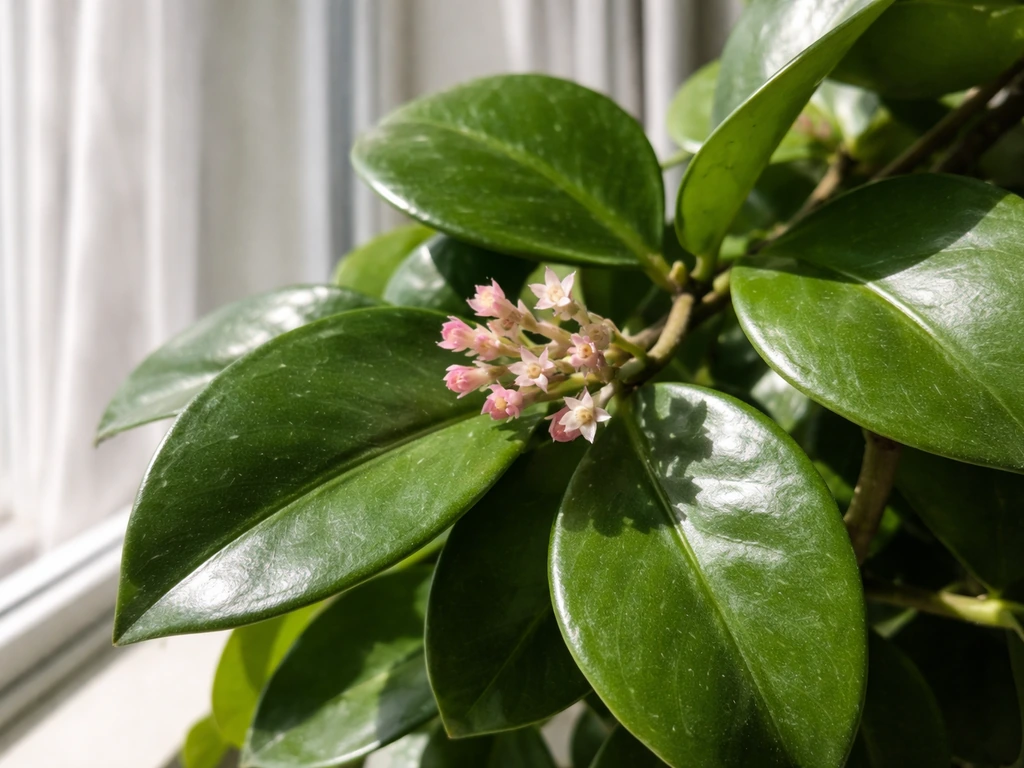
- Hoya (wax plant, multiple species): thick waxy leaves, produces fragrant star-shaped flower clusters with patience
- Cycas revoluta (sago palm): architectural, ancient-looking, slow-growing showpiece
- Fiddle-leaf fig (Ficus lyrata): large dramatic leaves, needs consistent bright light and no drafts
- Bird of paradise (Strelitzia nicolai, giant form): truly needs 1,000+ fc and a large space to perform
- Alocasia 'Polly' or Alocasia amazonica: striking arrowhead leaves with dramatic white veining
Plant-by-plant growing requirements
| Plant | Light (fc) | Watering | Ideal Temp (°F) | Humidity | Soil Mix |
|---|---|---|---|---|---|
| Monstera deliciosa | 250–800 fc | Top inch dry between waterings | 65–85°F | 40–60% | Well-draining peat/perlite mix |
| ZZ plant | 50–300 fc | Soil mostly dry between waterings | 60–75°F | 30–50% (tolerant) | Sandy, well-draining potting mix |
| Hoya (wax plant) | 500–1,000+ fc | Let compost get fairly dry, never fully bone dry | 60–80°F | 40–60% | Orchid bark and perlite blend |
| Bird of paradise | 500–1,500 fc | Top inch dry, reduce in winter | 65–85°F | 50–70% | Rich loam with perlite |
| Alocasia 'Polly' | 400–800 fc | Top inch dry, never soggy | 65–85°F | 60–80% | Well-aerated peat/perlite/orchid bark |
| Anthurium | 200–600 fc | Top inch dry between waterings | 65–80°F | 50–70% | Chunky orchid or aroid mix |
| Peace lily | 50–300 fc | Top inch dry, droops as a watering cue | 65–80°F | 40–60% | Standard potting mix with perlite |
| Fiddle-leaf fig | 800–1,500 fc | Top inch dry, consistent moisture | 60–80°F | 30–65% | Well-draining, slightly acidic mix |
| Cycas revoluta | 600–1,500 fc | Soil dry between waterings | 60–80°F | 30–50% | Sandy, fast-draining cactus mix |
| Aglaonema 'Red Siam' | 100–400 fc | Top inch dry between waterings | 65–80°F | 40–60% | Standard potting mix with perlite |
A few notes on the table. Hoyas are the most specific about their compost moisture: the RHS recommends letting the compost get fairly dry but never letting it completely dry out, which is a narrower window than people expect. Alocasia is the most humidity-hungry on this list and will show brown crispy edges fast in a dry apartment in winter. If you can run a small humidifier nearby or group it with other plants, the difference is dramatic.
Fast-growing statement plants vs slow, finicky exotics
Not all exotic plants grow at the same pace, and this matters a lot when you're setting expectations. Monstera deliciosa can push out a new leaf every few weeks in summer with decent light and regular feeding. Bird of paradise and sago palm, by contrast, might produce three or four new leaves in an entire year. Knowing this upfront saves a lot of unnecessary repotting, fertilizing, and anxiety.
| Plant | Growth Rate | Statement Potential | Difficulty |
|---|---|---|---|
| Monstera deliciosa | Fast (in good light) | Very high, iconic split leaves | Beginner-friendly |
| ZZ plant | Slow to moderate | Moderate, glossy architectural look | Very easy |
| Bird of paradise | Slow | Very high, sculptural presence | Moderate |
| Hoya | Moderate | High when flowering | Moderate, rewarding with patience |
| Alocasia 'Polly' | Moderate | Very high, dramatic veining | Intermediate to advanced |
| Fiddle-leaf fig | Moderate | Very high, design-magazine favorite | Finicky, unforgiving of moves |
| Cycas revoluta | Very slow | Very high, prehistoric look | Moderate but slow to show results |
| Anthurium | Moderate | High, long-lasting flowers | Moderate |
| Aglaonema 'Red Siam' | Moderate | Moderate, colorful accent | Beginner-friendly |
| Peace lily | Moderate | Moderate, elegant white blooms | Easy |
My honest advice: if you want fast visual payoff, start with monstera or aglaonema. If you want a conversation-starting showpiece and have patience, bird of paradise or a sago palm will eventually deliver something genuinely impressive. Fiddle-leaf figs look incredible in photos but are genuinely finicky indoors. They hate being moved, drop leaves at the first draft, and sulk in inconsistent light. I've had more success treating them like permanent fixtures: pick the best bright spot and leave them there forever.
If you're curious about plants that grow fast indoors more broadly, there's a whole category of fast-growing indoor plants worth exploring for people who want quicker results from their indoor garden. You can also look for wild plants you can grow indoors, since many adapt well to bright windows or careful grow-light setups. If you are aiming for what plants grow fast indoors, prioritize species that match your available light and feeding routine plants that grow fast indoors.
Why exotic plants fail indoors and how to fix it
Yellowing leaves
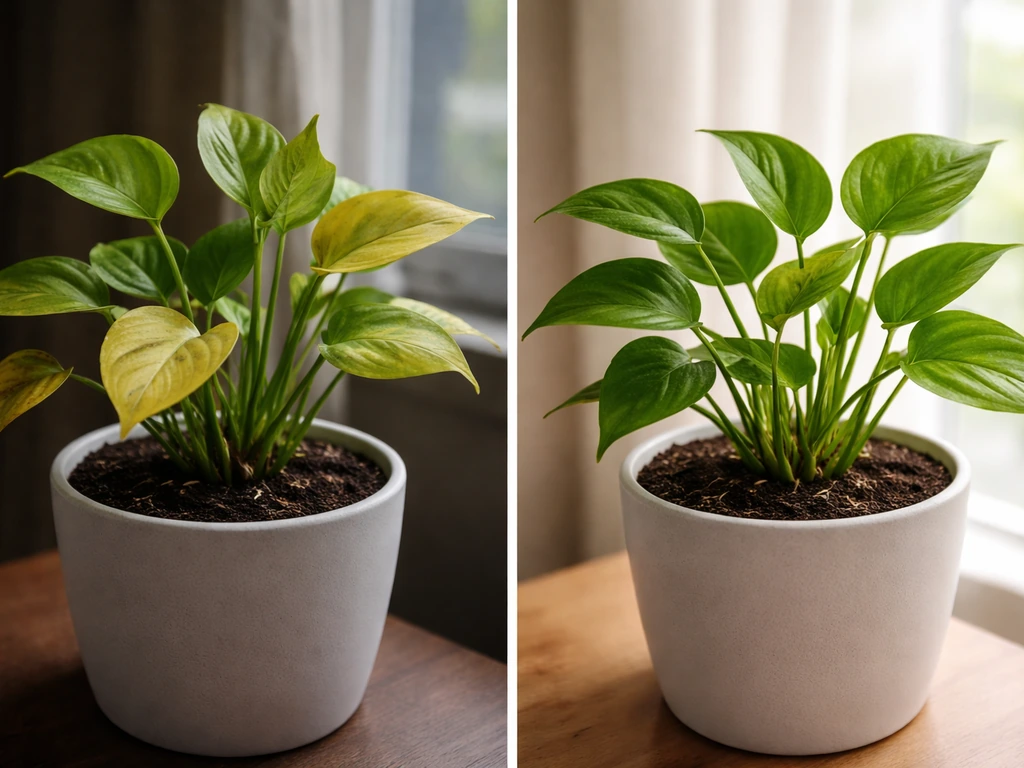
Yellow leaves are the most common complaint, and they almost always point to one of three things: overwatering, insufficient light, or cold stress. The fix depends on which one. If the soil has been damp for more than a week and you've been watering on a schedule rather than checking the soil first, overwatering is your culprit. Let the top inch dry completely before the next watering. If your plant is sitting more than six feet from the nearest window in a room that feels dim, move it closer or add a grow light. If yellow leaves appear after a cold snap or after the plant sat near an open window or air vent, cold stress is the likely cause.
Brown leaf tips and edges
Crispy brown tips almost always mean low humidity or inconsistent watering. Alocasia and anthurium are especially prone to this in centrally heated apartments. Group humidity-hungry plants together, run a humidifier nearby during winter, or set pots on a tray of wet pebbles (making sure the pot base isn't actually sitting in water). Soft brown edges that feel mushy are different and usually signal root rot or overwatering.
Drooping and wilting
Drooping can mean either too little or too much water, which is confusing but makes sense once you understand that both overwatering (rotted roots can't take up water) and underwatering (no water to take up) produce the same symptom. Stick your finger into the soil two inches deep. If it's wet and the plant is drooping, you likely have root rot. If it's completely dry and pulling away from the pot edges, the plant is thirsty. Peace lilies are actually useful here because they droop very specifically when dry and perk back up within hours of a good watering.
Root rot
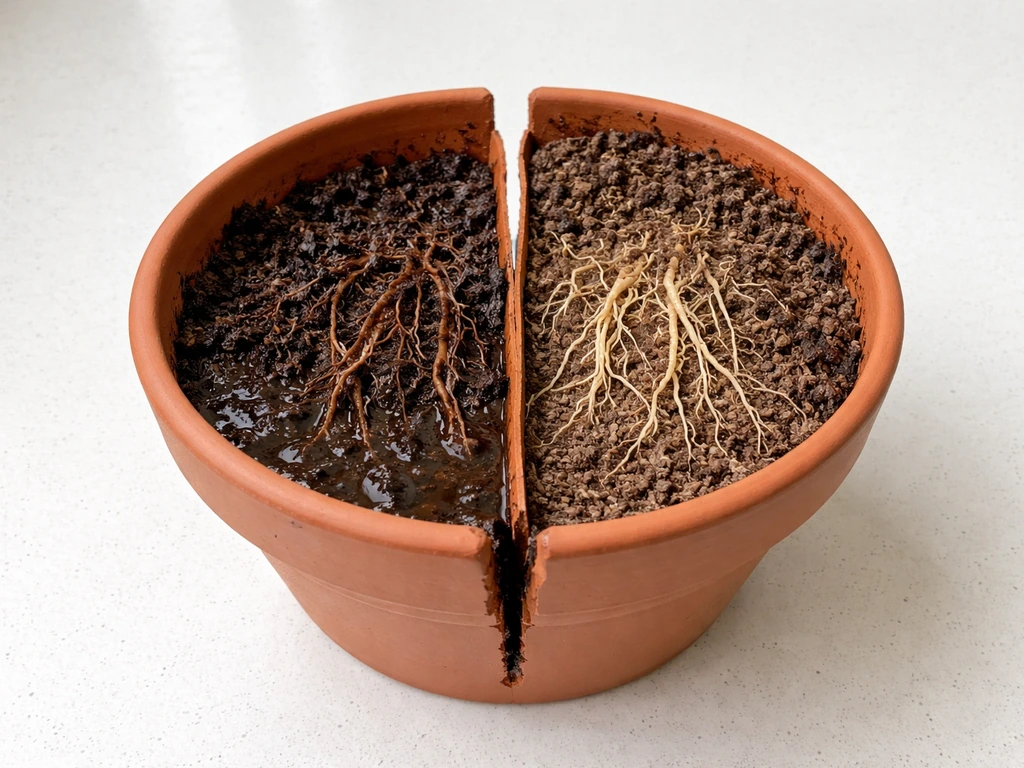
Root rot is the most common reason exotic plants die indoors. It's caused by soil that stays wet too long, usually from a pot without drainage holes, a pot that's too large, or watering too often. If you catch it early, you can save the plant: unpot it, cut away all black or mushy roots with clean scissors, let the root ball air-dry for a few hours, and repot into fresh dry mix in a properly draining container. Adding more perlite to your potting mix and sizing down your pot are the two most effective preventative steps.
Common pests
- Spider mites: fine webbing on undersides of leaves, thrives in low humidity; fix with neem oil spray and raising humidity
- Fungus gnats: tiny flies hovering around soil, larvae damage roots; fix by letting soil dry more between waterings and using a top dressing of sand or grit
- Mealybugs: white cottony clusters in leaf joints; remove with rubbing alcohol on a cotton swab, follow with insecticidal soap
- Scale: brown bumps on stems, sticky residue on leaves; scrape off manually and treat with horticultural oil
- Thrips: silver streaks or stippling on leaves; treat with insecticidal soap and isolate the affected plant immediately
One rule that saves a lot of trouble: always quarantine a new plant for two to three weeks before putting it near your existing collection. Pests hitchhike home from garden centers constantly, and a brief isolation period stops them spreading.
Bud and flower drop (specifically for hoya)
Hoya is worth a special mention here because once it finally sets flower buds, moving the plant to show it off or rotating the pot for even growth will cause it to drop every bud. The RHS is explicit about this: never move a hoya once flower buds have formed. Find its spot, get buds, and leave it completely alone until flowering is finished.
Care routines and setup checklist before you bring anything home
Pot and drainage setup
Every exotic plant on this list needs a pot with drainage holes. No exceptions. Decorative cachepots without holes are fine as an outer layer, but make sure the actual growing pot inside has drainage. Choose a pot size that's only one to two inches larger than the root ball. Oversized pots hold too much wet soil around the roots and dramatically increase root rot risk.
Fertilizer schedule
Most exotic tropicals benefit from feeding during their active growing season. A balanced liquid fertilizer at half the recommended strength, applied monthly from March through September, works well for most plants on this list. Hoya appreciates a higher-potassium fertilizer when it's about to bloom. Cycas and ZZ plants are slow growers and only need feeding two or three times per year. Always skip fertilizing a newly repotted plant or a stressed plant; feed only when the plant is actively growing and healthy.
Acclimation when moving plants indoors
If you've had a plant outdoors for summer or you're bringing a new plant from a bright nursery into your home, acclimate it gradually. Move it to a shadier spot for a week or two before bringing it fully indoors. Jumping from 5,000+ fc outdoors to 300 fc inside is a shock that causes leaf drop and stress, even on otherwise tough plants. The same logic applies in reverse: don't move a winter-dark-grown plant into full south-facing sun without a transition period.
Full setup checklist
- Measure or estimate your available light in foot-candles before buying any plant
- Select a pot with at least one drainage hole, sized one to two inches wider than the root ball
- Use a well-draining potting mix appropriate for your plant type (add perlite to standard mixes for most tropicals)
- Place the plant in its intended long-term spot and check for drafts from vents, windows, or doors
- Quarantine new plants for two to three weeks away from existing plants
- Water only when the soil check (not a schedule) tells you it's time
- Set a reminder to feed every four weeks during spring and summer
- Check humidity near your tropical exotics in winter; if below 40%, add a humidifier or pebble tray
- Adjust plant position in autumn as natural light levels drop and indoor heating begins
- Never move a hoya or fiddle-leaf fig once they're settled and growing well
Toxicity and safe placement for pets and kids
Several of the most popular exotic indoor plants are toxic, and this is worth knowing before you bring them home rather than after. Monstera deliciosa is listed by the ASPCA as toxic to both cats and dogs. Snake plant (Sansevieria, now reclassified as Dracaena trifasciata) is also in the ASPCA's toxic plant database. Peace lily is toxic to both cats and dogs as well. If a pet or child ingests any part of a plant you're unsure about, contact the ASPCA Animal Poison Control Center or your vet immediately. If ingestion occurs, contact ASPCA Animal Poison Control Center or a veterinarian right away for safety guidance blank" rel="noopener noreferrer">contact the ASPCA Animal Poison Control Center or your vet immediately.
| Plant | Toxic to Cats | Toxic to Dogs | Toxic to Humans (if ingested) |
|---|---|---|---|
| Monstera deliciosa | Yes | Yes | Yes (mild, causes oral irritation) |
| Snake plant (Dracaena trifasciata) | Yes | Yes | Mild GI upset |
| Peace lily (Spathiphyllum) | Yes | Yes | Yes (oral irritation) |
| ZZ plant | Yes (mildly) | Yes (mildly) | Mild irritant |
| Hoya | Generally non-toxic | Generally non-toxic | Low risk |
| Anthurium | Yes | Yes | Oral irritation |
| Bird of paradise | Mildly toxic | Mildly toxic | Mild GI upset |
| Alocasia | Yes | Yes | Yes (oral and GI irritation) |
| Cycas revoluta (sago palm) | Yes (highly toxic) | Yes (highly toxic) | Yes (serious) |
| Aglaonema | Yes | Yes | Oral irritation |
Sago palm deserves a special warning. It looks like an architectural, low-maintenance statement plant, and it is, but it is extremely toxic to pets and humans. All parts of the plant are dangerous, with seeds being the most toxic. If you have cats, dogs, or young children who explore plants, skip cycas revoluta entirely or place it completely out of reach.
For safer placement, put toxic plants on high shelves, hanging planters, or in rooms that pets and children don't access freely. Consider pet-safe alternatives like hoya, spider plants, or certain calatheas if you want tropical exotics without the toxicity risk. Whenever you're in doubt about a specific plant, cross-reference it with the ASPCA's online toxic plant database before buying.
Practical placement tips for the best results
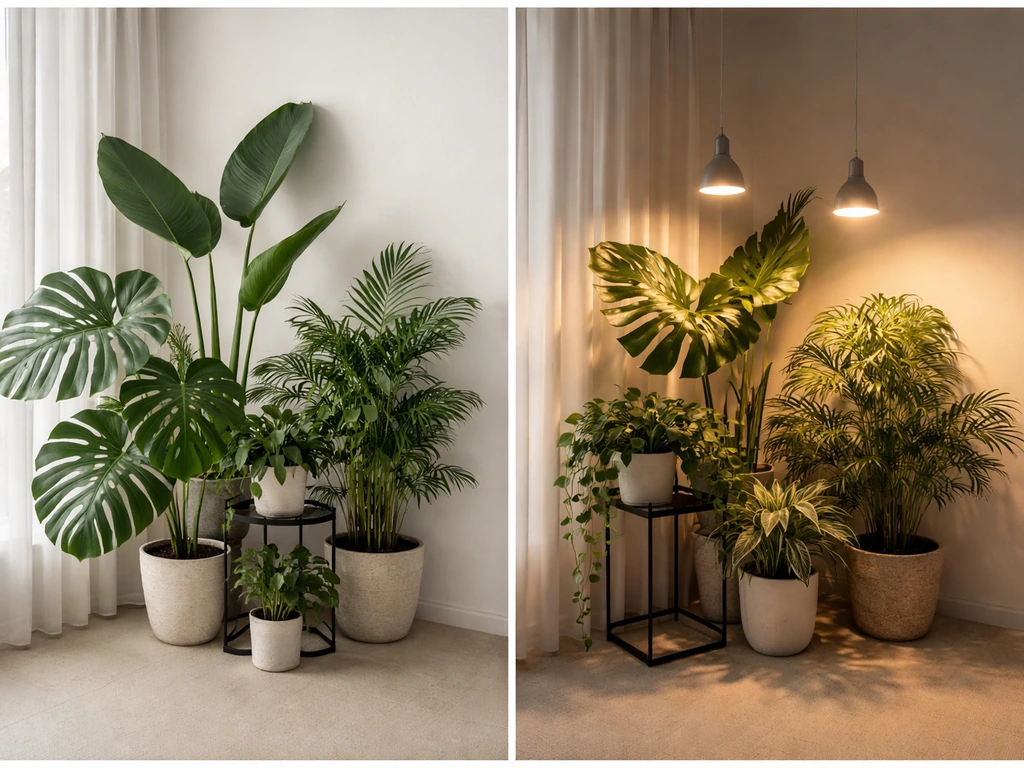
Think of plant placement as a permanent decision rather than a starting point you'll adjust later. Fiddle-leaf figs and hoyas both react badly to being moved frequently. For bright-light plants, south and west-facing windows are your best assets. East-facing windows work well for plants that want medium-bright light without intense afternoon sun. If you're using grow lights to supplement low natural light, aim for a PPFD (photosynthetic photon flux density) of 100–200 for low-light exotics and 300–600 for medium-light species. Position the light source according to the manufacturer's recommended canopy distance, and watch for bleached or yellow-green leaves near the bulb as a sign that intensity is too high.
Grouping plants together creates a microclimate with slightly higher humidity, which benefits tropical exotics considerably. A cluster of three or four plants near a bright window will consistently outperform the same plants spaced around a room individually. It also makes watering routines easier to manage since you're dealing with a zone rather than hunting down individual pots.
If you're curious about what makes certain plants able to adapt to indoor conditions at all, the characteristics that allow plants to grow indoors come down to tolerance for reduced light, stable temperatures, and lower humidity than their native habitat. If you want outdoor plants that can grow indoors, look for varieties that tolerate lower light and stable temperatures. The plants on this list were chosen partly because they hit that threshold.
FAQ
Can I grow exotic plants you can grow indoors near a window, even if my home feels dim?
Yes, but only if you match the plant to the window strength. Use a light meter reading at the exact spot where the plant will sit, then choose species that tolerate that range, since “bright window” can mean very different things from one home to another.
Will misting alone keep humidity high enough for tropical exotic plants indoors?
Avoid misting as your only humidity solution for humidity-hungry exotics. Misting often raises humidity briefly, then quickly drops, so for plants like alocasia, use a humidifier or grouping, and aim for consistent moisture in the air rather than daily sprays.
My exotic plant has yellow leaves. How do I tell whether it is overwatering or low light?
Switch from a schedule to a soil-check routine. Water only after the top inch (or two inches for larger pots) has dried to the point your plant expects, and ensure the pot drains freely, since “yellow leaves” can come from either too much water or too little light.
What should I do if my exotic plants you can grow indoors drop leaves after I bring them home or rearrange my furniture?
If a plant keeps dropping leaves right after moving, reduce change at the same time you improve conditions. Keep it in one location, avoid drafts, and give it 2 to 4 weeks to settle before judging growth, because leaf drop can lag behind the actual stress event.
Can I use a bigger decorative pot for an exotic plant if it still has a drainage hole?
Use the pot drainage rule and pot sizing together. A pot one to two inches wider than the root ball, with drainage holes, gives roots room without holding excess wet soil, which is the main driver of root rot in indoor exotics.
Do I need a different care routine for fast-growing exotic plants you can grow indoors versus slow growers?
Choose based on growth rate and temperament. Fast growers like monstera can handle more frequent checking, while finicky slow growers (for example, certain figs) often do better with a “set it and leave it” approach, even if that means slower visible progress.
How do I fertilize exotic indoor plants without burning them or causing soil buildup?
Yes, but with a caveat. Feed only when actively growing, and start at half strength to avoid salt buildup, then flush lightly with water occasionally if you notice crust on the soil surface or a fertilizer smell.
My exotic plant looks stressed. Should I fertilize to help it recover?
For a plant that’s already showing symptoms, do not add fertilizer as the first fix. Treat the likely root cause first (light, watering, or cold stress), then resume feeding after the plant stabilizes and produces new growth.
I moved a plant indoors from outdoors. Will the watering schedule stay the same?
Yes, but scale your watering and light expectations. Plants acclimated from bright outdoors to indoor light need a gradual transition, and even after acclimation, expect slower growth and potentially different watering frequency indoors.
How can I catch root rot early on exotic plants you can grow indoors?
Watch for root-related signs before you see dramatic wilting. If the soil stays wet for days or you get a sour smell, check roots and reduce watering immediately, since catching early root rot is the difference between saving the plant and losing it.
How exactly should I quarantine a new exotic plant for pests?
Quarantine should be more than “separate on a shelf.” Keep the new plant in a different area, inspect leaves (especially undersides) after a few days, and only merge it into your collection once you have seen no new pests for at least two weeks.
Can I repot an exotic plant when it is already having problems, like drooping or yellowing?
Do it, but only if the plant can tolerate it and the cause is known. For example, if you suspect overwatering and the roots are failing, repot into fresh dry mix and trim only black or mushy roots, then stop fertilizing until recovery.
How do I prevent cold draft damage to tropical exotic plants indoors during winter?
They can be, but you need a temperature buffer. Even if your daytime temperature is fine, nighttime drafts near cold windows can trigger cold stress, so move the plant away from the glass and avoid placing it where air vents blow directly.
What is the easiest way to set up a system so I do not forget watering and light needs?
Yes, and it helps with reliability. Label the plants by light zone (for example, “near south window” or “needs bright filtered light”) and create a simple routine for checking soil moisture, because inconsistent routines are a common cause of leaf-tip browning and root rot.
How do I know whether my grow light intensity is correct for exotic indoor plants?
Test-and-adjust, not guess. Start with a safe intensity range, then observe leaf color and growth for 2 to 3 weeks, since leaves that bleach or turn yellow-green near the lamp usually indicate intensity that is too high or light too close.
How do I handle plant toxicity if I have cats, dogs, or young children?
If you have pets or small children, do not rely on “I think it is safe.” Cross-check each exact species you buy, because toxicity can differ by species and cultivar, then place risky plants on high shelves or in inaccessible rooms.