Yes, you can grow wild plants indoors, and some of them thrive surprisingly well on a windowsill or under a grow light. The best candidates are wild herbs and edible greens like chickweed, wood sorrel, lamb's quarters, wild violet, and self-heal. These tolerate pots, don't need a dormancy period to survive indoors, and actually produce something useful. The ones to skip are deep-rooted natives, invasive species, and anything that needs a cold winter to reset. Get the right light, use a well-draining mix, don't overwater, and you can have harvestable wild greens growing in your home within a week of planting.
Wild Plants You Can Grow Indoors: 20 Options and Care Guide
James Hartwell
2 Jun 2026
What 'wild plants' actually means for indoor growing
The phrase 'wild plants' covers a lot of ground, so it helps to be specific about what you're working with. For indoor growing purposes, there are really three categories worth considering: native plants (species that occur naturally in a region without human introduction), naturalized non-natives (plants from elsewhere that now reproduce freely outdoors, but aren't actually native), and weedy volunteers (opportunistic plants that show up uninvited in gardens, lawns, and cracks in pavement). All three groups contain candidates that can work indoors, but they behave very differently.
Native plants are often the trickiest to grow indoors. Many have evolved specific seasonal cues, deep root systems, or symbiotic relationships with local soil organisms that are hard to replicate in a pot. Naturalized weeds and edible wild greens, on the other hand, tend to be tough, fast-growing, and adaptable. That's exactly what you want in an indoor plant. Think of chickweed, wood sorrel, and purslane: these plants thrive in disturbed, marginal conditions, which is honestly not far from what a small pot on a shelf looks like to them.
What to avoid: invasive species are a hard no. In the US, many plants are listed as noxious weeds by federal, state, or county authorities. In England and Wales, certain plants listed under the Wildlife and Countryside Act 1981 are banned from being caused to grow, even indoors if there's any risk of escape or spread. Beyond legal issues, invasive plants tend to be invasive for a reason. They spread aggressively, can outcompete everything else in your space, and are a nightmare to contain in a pot. Also avoid any wild plant you can't identify with 100% certainty. Toxic lookalikes are real, and getting this wrong is not worth it.
The best wild plants to grow indoors (sorted by light needs)
Here's the honest shortlist. These are plants I'd actually recommend to someone starting today, grouped by how much light they need. If you have a sunny south- or west-facing window or a grow light, you have more options. If you're working with a dim apartment and north-facing windows, stick to the low-light picks.
| Plant | Light Need | Edible? | Difficulty |
|---|---|---|---|
| Chickweed (Stellaria media) | Low to medium (2-4 hrs indirect) | Yes (leaves, stems) | Easy |
| Wood sorrel (Oxalis spp.) | Low to medium (2-4 hrs indirect) | Yes (leaves, flowers) | Easy |
| Wild violet (Viola sororia) | Low to medium (2-4 hrs indirect) | Yes (leaves, flowers) | Easy |
| Lamb's quarters (Chenopodium album) | Medium to bright (4-6 hrs direct) | Yes (leaves, cooked) | Easy-moderate |
| Purslane (Portulaca oleracea) | Bright (5-6+ hrs direct) | Yes (leaves, stems) | Easy |
| Self-heal (Prunella vulgaris) | Medium (3-5 hrs) | Yes (medicinal herb) | Moderate |
| Wild garlic / ramps (Allium tricoccum) | Medium, seasonal rest needed | Yes (bulb, leaves) | Moderate-hard |
Wild garlic and ramps are listed with a caveat: they need a cold dormancy period to regenerate properly, so growing them year-round indoors is not really feasible without mimicking winter. They're best treated as a seasonal project. Everything else on this list is genuinely doable in a typical home.
How to source wild plants safely and legally
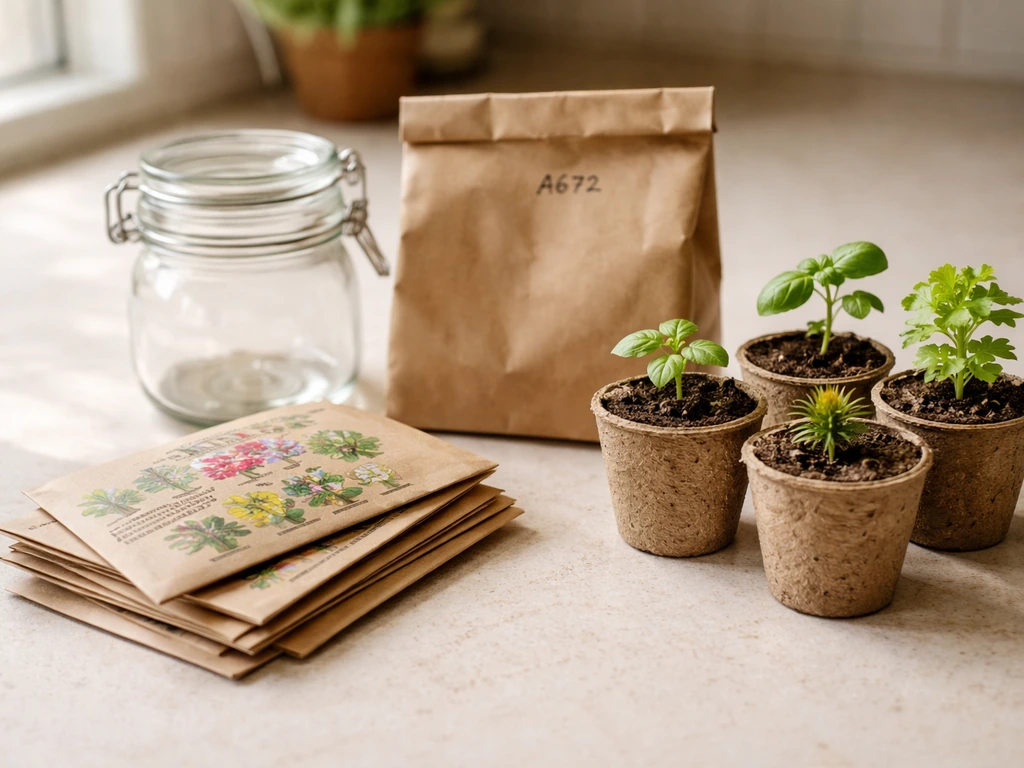
Sourcing is where a lot of people go wrong. The temptation is to just dig something up from a park or roadside, but that approach has real problems: contamination from pesticides or herbicides, legal restrictions on foraging from public land, and the fact that garden soil (and soil from outdoor sites) can introduce pests and pathogens you really don't want in your home. University Extension guidance is clear on this point: never pot indoor plants using soil from the garden, full stop.
Seeds (best option for most plants)
Buying seeds is the cleanest, safest, and most legal way to start. Several specialty seed companies sell wild edible and native herb seeds. Look for vendors who sell heirloom, wildflower, or foraging seed mixes. Chickweed, lamb's quarters, purslane, self-heal, and wood sorrel seeds are all available online. Grow them from scratch in a fresh potting mix and you eliminate pest risk, legal grey areas, and identification uncertainty.
Nursery-grown 'wild' species
Native plant nurseries often sell potted wild violets, self-heal, and other edible wild species as plugs or small pots. This is a great option if you want to skip the germination stage. Make sure the plant is clearly labeled, and repot it immediately into fresh potting mix, leaving the nursery soil behind where possible to minimize any hitchhiking pests.
Transplanting from outdoors (proceed carefully)
If you do want to bring something in from outside, take a small section of plant (a few stems or a small root clump), wash the roots thoroughly, and pot into fresh commercial potting mix, not outdoor soil. Quarantine it away from your other plants for at least two weeks to watch for pests. Only transplant from your own property or land where you have clear permission, and only species you've identified with certainty. Never bring in anything listed as invasive or noxious in your area.
Indoor setup: pots, soil, drainage, humidity, and temperature
The setup basics matter more than most beginners realize. Get these right and most wild plants will reward you with fast, healthy growth. Get them wrong and you'll be troubleshooting yellowing leaves and root rot within a month.
Pots and drainage
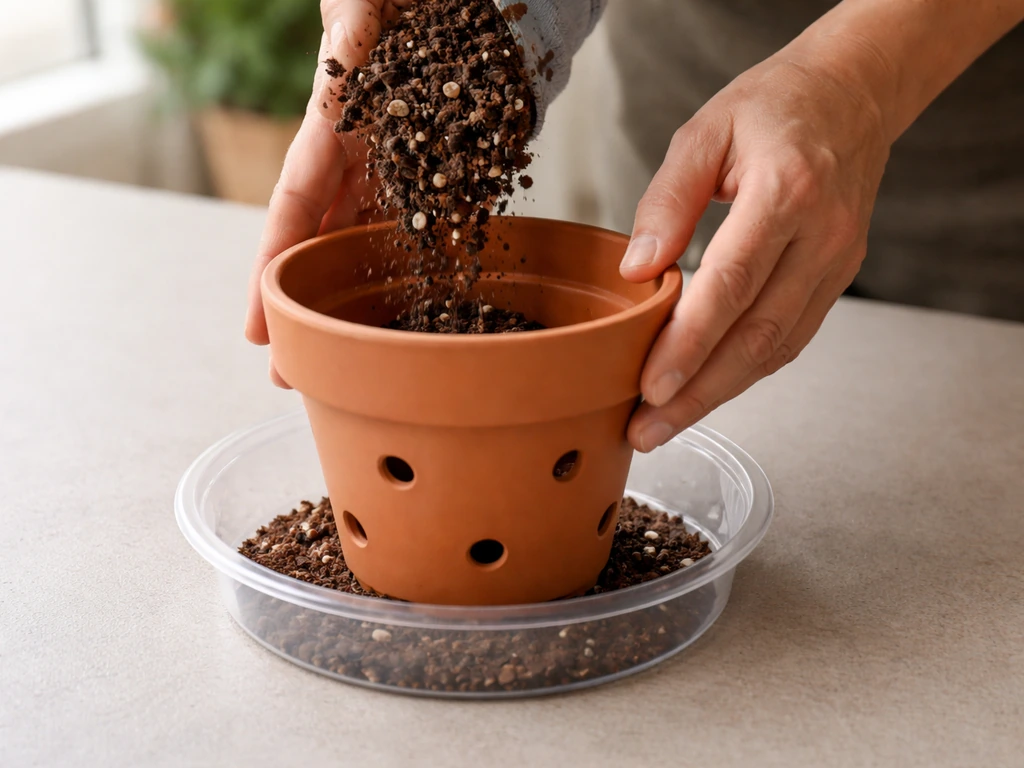
Every container must have drainage holes. This is non-negotiable. Waterlogged soil prevents roots from getting oxygen, and most wild edible greens will die faster from wet feet than from almost anything else. For most of the plants on this list, a pot that holds 2 to 5 gallons of soil and is at least 12 inches deep will work well. Chickweed and wood sorrel can get away with shallower containers (6 to 8 inches) because of their shallow root systems, but purslane and lamb's quarters prefer more depth to develop properly.
Skip the gravel-at-the-bottom trick. Research from University of Wisconsin Extension shows that layering materials in a container can actually impede drainage rather than improve it. A continuous column of well-draining potting mix works better than any gravel layer.
Soil mix
Use a commercial soilless potting mix, not garden soil and not straight compost. A good all-purpose mix drains well, holds some moisture, and is sterile enough to start clean. For purslane and other semi-succulent wild plants, you can add 20 to 30% perlite to improve drainage further. Chickweed and wood sorrel actually prefer a slightly richer, moister mix, so standard potting mix without amendment works fine.
Humidity and temperature
Most wild edible greens are more tolerant of typical indoor conditions than tropical houseplants. If you're looking for tropical plants you can grow indoors, start by matching light, warmth, and humidity to what each plant needs. Room temperatures between 60 and 75°F (15 to 24°C) suit almost everything on this list. Chickweed actually prefers the cooler end of that range, which makes it perfect for a cool spare room or an unheated porch in mild weather. Humidity is rarely a problem for these plants, but good airflow is. Stagnant air encourages fungal issues, so keep plants near a window that occasionally gets opened, or use a small fan on low.
Light strategy: windows vs grow lights
Light is the single biggest limiting factor for growing wild plants indoors. Most outdoor plants are used to full sun, so even a bright windowsill is a significant step down. Here's how to make the most of what you have.
Working with natural light
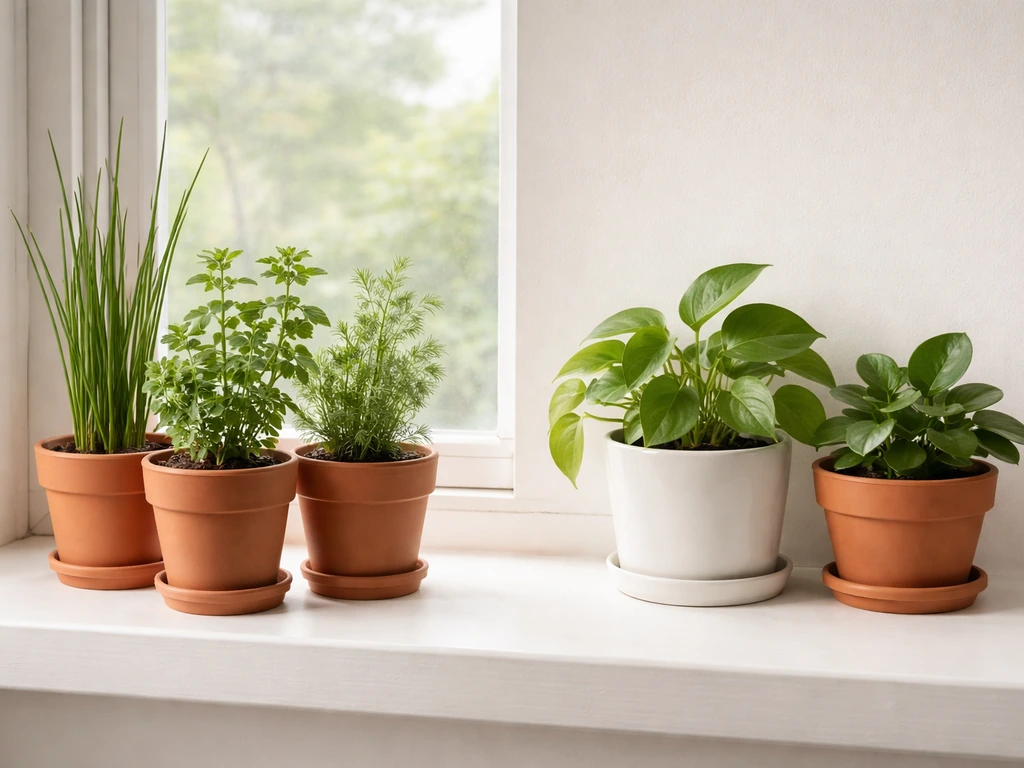
South-facing windows are the gold standard in the northern hemisphere, offering the most hours of direct light. West-facing windows give good afternoon sun and work well for most plants on this list. East-facing windows provide gentler morning light, which suits chickweed, wood sorrel, and wild violets well but may not be enough for purslane or lamb's quarters long-term. North-facing windows are genuinely tough, but chickweed and wood sorrel can survive there if the window is large and unobstructed. Place pots as close to the glass as possible since light intensity drops significantly with distance from the source.
Using grow lights
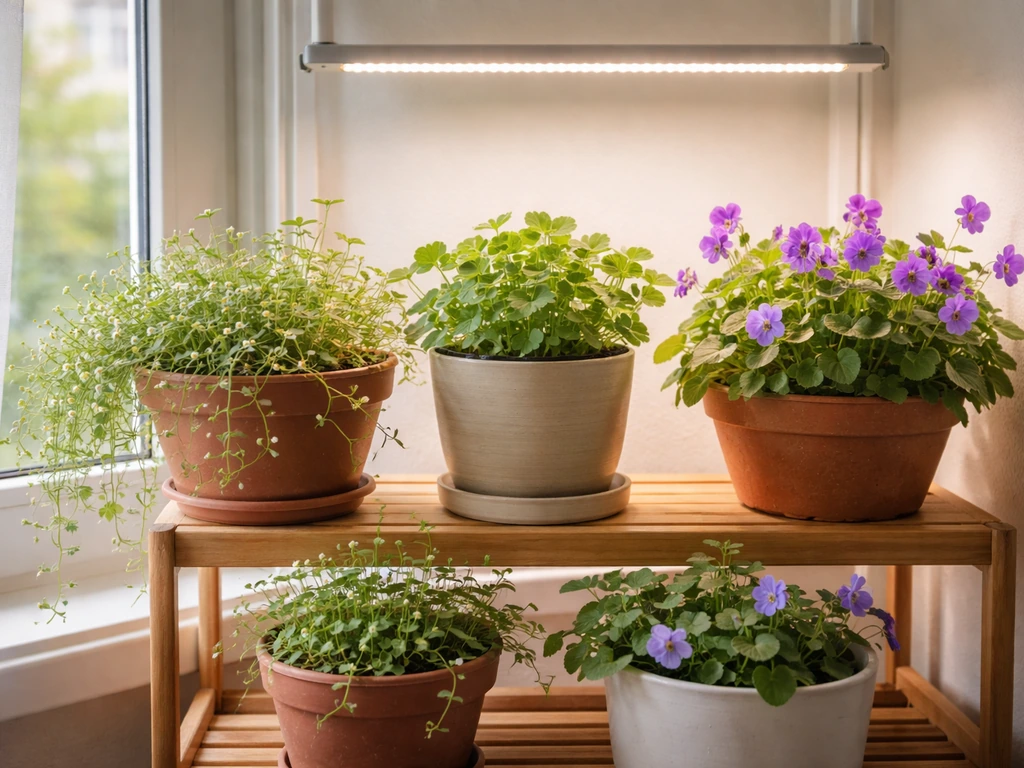
If your windows are limited, a grow light changes everything. A full-spectrum LED grow light positioned 6 to 12 inches above your plants, running 12 to 14 hours per day, is enough for leafy wild greens and herbs. That 12-to-14-hour photoperiod is the same range recommended for hydroponic herbs and lettuce, and it works well for most wild edibles too. Set a timer so you don't have to remember to switch it on and off. Even a relatively inexpensive clip-on grow light can dramatically outperform a dim north-facing window. If growth looks stretched and spindly, with long gaps between leaf nodes, that's the classic sign of insufficient light. Move the light closer or add more hours.
Plant-by-plant care instructions
Chickweed (Stellaria media)
Chickweed is probably the easiest wild plant to grow indoors and one of the most rewarding. It has a weak, shallow root system so it's happy in a pot as little as 6 inches deep. Use standard potting mix and keep it evenly moist but never waterlogged. It thrives in cool conditions (55 to 65°F is ideal) and tolerates low light better than almost anything else on this list.
A north or east window works. Under a grow light, it grows fast and lush. Expect harvestable leaves within 3 to 4 weeks from seed. Snip the tips regularly to encourage bushy growth.
It does not like heat, so keep it away from radiators. [Leaves have a fresh, mild flavour and are edible raw in salads. ](https://www. rhs.
org. uk/advice/profile? PID=1011) Difficulty: easy.
Wood sorrel (Oxalis spp.)
Wood sorrel is the clover-lookalike with heart-shaped leaves and a bright lemony taste. It grows from small bulblets or seeds and does well in a 6-to-8-inch pot with standard potting mix. Water when the top inch of soil feels dry. It handles low to medium light and looks charming on a windowsill. Growth is moderate: expect a decent clump within 4 to 6 weeks. Leaves, flowers, and stems are all edible and have a sharp citrus flavour. Note that it contains oxalic acid, so eat in moderation rather than in large quantities. Difficulty: easy.
Wild violet (Viola sororia)
Wild violets grow naturally in part shade, which makes them a genuinely good indoor candidate. Use a pot at least 8 inches deep and a slightly rich, moisture-retentive potting mix. Water consistently but let the surface dry slightly between waterings. They're slow to establish but once settled they produce a steady supply of edible leaves and flowers. Leaves are high in vitamin C and can be added to salads or used to make infusions. In spring, you may even get flowers indoors if light is decent. Difficulty: easy to moderate.
Lamb's quarters (Chenopodium album)
Lamb's quarters is a fast-growing wild green related to spinach, and it tastes like it. It needs more light than chickweed, so aim for a south or west window or a good grow light. Use a pot at least 10 inches deep with standard potting mix. Water when the top inch is dry. It grows quickly from seed, often producing harvestable leaves in 3 to 4 weeks. Pinch the tops regularly to keep it bushy and delay flowering. Once it bolts (starts flowering), leaf production slows, so keep it cut back. Leaves should be cooked or briefly wilted rather than eaten raw in large amounts. Difficulty: easy to moderate.
Purslane (Portulaca oleracea)
Purslane is a succulent wild green with thick, fleshy stems and a slightly tangy flavour. It loves heat and bright light, so it needs your sunniest windowsill or a strong grow light. Use a pot 8 to 10 inches deep with a well-draining mix (add perlite if your standard mix feels dense). Water deeply and then let the soil dry out almost completely before watering again. It tolerates drought far better than overwatering. Harvestable in 3 to 5 weeks from seed. One of the most nutritious wild greens available, high in omega-3 fatty acids. Difficulty: easy in bright conditions, struggles in low light.
Self-heal (Prunella vulgaris)
Self-heal is a low-growing wild herb traditionally used medicinally, with small purple flower spikes. It's slower-growing than the greens above but genuinely ornamental. Use a pot at least 8 inches deep with well-draining potting mix. It prefers medium light (3 to 5 hours, east or west window works). Water when the top inch is dry. It spreads slowly via runners and fills a pot nicely over time. Flowers and leaves are both edible and used in teas. Growth is slow, so expect to wait 6 to 8 weeks for an established plant from seed. Difficulty: moderate.
Wild garlic / ramps (Allium tricoccum)
Ramps are worth mentioning because people frequently ask about them, but be honest with yourself about the commitment. They need a genuine cold dormancy period (6 to 8 weeks below 40°F) to produce leaves the following season. That means spending a winter in your fridge or outdoors. Pot them in a deep container (at least 12 inches) with a rich, humus-heavy mix. After chilling, bring them indoors to a medium-light spot and water regularly. They'll produce broad, garlic-scented leaves you can harvest like green garlic. Rewarding, but a seasonal project rather than a year-round indoor plant. Difficulty: moderate to hard.
Common problems and how to fix them
Leggy, stretched growth
Long gaps between leaf nodes with thin, weak stems is the textbook symptom of insufficient light. The plant is literally stretching toward whatever light it can find. The fix is straightforward: move it closer to the window or lower your grow light. If you're already at the window and light is still poor, a supplemental grow light is the only real solution. No amount of fertiliser or watering adjustment will fix a light problem.
Yellowing leaves
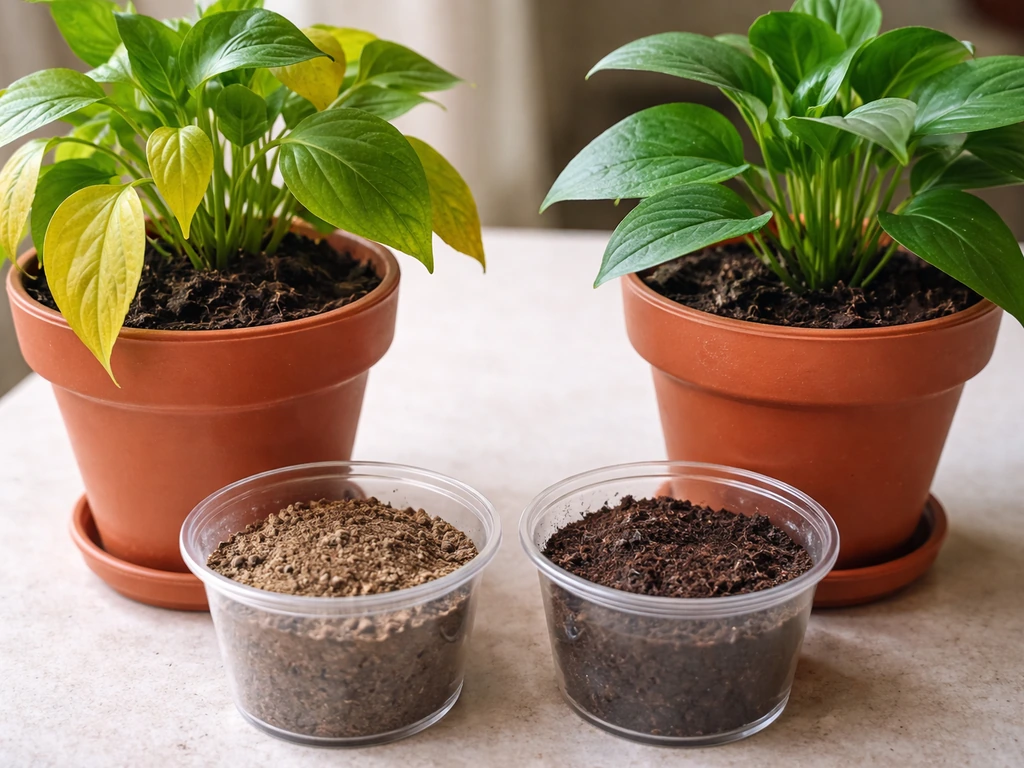
Young leaves turning yellow, especially on newer growth, is usually a sign of overwatering. Waterlogged soil suffocates roots and prevents nutrient uptake. Check that your drainage holes are clear, tip out any standing water from saucers, and let the soil dry out more between waterings. If yellowing is on older, lower leaves and the plant otherwise looks healthy, it may simply be natural leaf senescence, nothing to worry about.
Fungus gnats
Tiny flies hovering around your pots are almost always fungus gnats. Their larvae live in moist soil and can damage roots. The fix is to let the top 2 inches of soil dry out completely between waterings, which disrupts their breeding cycle. Yellow sticky traps placed near pots help monitor and reduce adult populations. University of Minnesota Extension recommends integrated pest-management for indoor plants, including using sticky traps and letting the soil dry out between waterings to help prevent fungus gnats. Avoid overwatering, which is the root cause of most fungus gnat infestations. Never use outdoor garden soil in your pots as it can introduce gnats and other pathogens from the start.
Aphids and other pests
Aphids, spider mites, and whiteflies can all appear on indoor wild plants, especially if you brought material in from outside without quarantining it. Check the undersides of leaves regularly. For small infestations, wipe leaves with a damp cloth or spray with insecticidal soap. Quarantine any new plants for two weeks before placing them near established ones. Good airflow and avoiding overwatering reduce conditions that attract pests in the first place.
Your plan to get started this week
Here's how to go from reading this today to having wild plants actively growing indoors by the end of the week. This is the exact sequence I'd follow if I were starting from scratch right now. If you want fast results, focus on wild greens and herbs that can establish quickly under the right light and watering routine what plants grow fast indoors.
- Today: Choose one or two plants from the shortlist above that match your light conditions. Order seeds online (chickweed and purslane are easiest to find) or check a local native plant nursery for plugs of wild violet or self-heal.
- Today: Gather your supplies. You need a pot with drainage holes (6 to 10 inches depending on plant), a bag of commercial soilless potting mix, and a saucer to catch drainage. If your windows are poor, order a basic full-spectrum LED grow light with a timer.
- Day 1-2: Fill your pot with potting mix, water it lightly, and sow seeds at the depth listed on the packet (most wild edible seeds go just 1/4 inch deep). Label the pot with the plant name and date.
- Day 1-7: Place in your brightest available spot or under your grow light set to 12 to 14 hours per day. Keep the surface of the soil just barely moist until germination. Don't overwater.
- Week 1-2: Watch for germination (chickweed and lamb's quarters are often up within 5 to 7 days). Once seedlings appear, water when the top inch of soil dries out.
- Week 2-4: Once seedlings are 2 to 3 inches tall, thin them if overcrowded (leave the strongest plants). Begin harvesting tips lightly once the plant has 6 or more leaves to ensure it can recover.
- Ongoing: Check weekly for pests, leggy growth, and yellowing. Adjust light first, then watering, if something looks off. Feed lightly with a balanced liquid fertiliser every 3 to 4 weeks once plants are established.
The plants covered here overlap naturally with the broader world of indoor edible gardening. If you want more ideas beyond these specific wild varieties, indoor edible gardening is a great next place to look for plants you can grow inside. If you're interested in how wild plants compare to standard houseplants or more exotic tropical species, many of the same light and soil principles apply across all of them.
If you're also curious about more exotic plants you can grow indoors, the same lighting and drainage basics will help you avoid common setup mistakes. If you want tropical plants you can grow indoors, choose species that like warm temperatures and bright, consistent light tropical species. The biggest difference is that wild plants tend to be more forgiving of neglect but less forgiving of low light than their cultivated cousins.
Start with chickweed or wood sorrel if you're unsure, succeed with those, and then work your way up to the more demanding species. You'll have a working indoor wild garden faster than you think. If you want more outdoor plants that can grow indoors, focus on species that tolerate containers, cooler temperatures, and bright light indoor wild garden.
FAQ
Is it safe to eat indoor wild plants right away, or should I wash them first?
Wash harvested leaves and flowers gently under cool running water, then pat dry. Avoid using any sprays or fertilizers not explicitly labeled as food-safe, and discard any growth that looks moldy, slimy, or has visible pest damage beyond light chewing.
What’s the safest way to prevent cross-contamination with pesticides if I’m growing wild greens indoors?
If you start from seed or labeled nursery plugs, you avoid most contamination risk. Also keep indoor plants away from treated outdoor areas, stop using household chemicals near the grow space, and use clean tools for each pot to prevent residue transfer.
Can I grow wild plants indoors in small containers like herb planters or window boxes?
Some can, but container volume matters. Shallow pots work only for shallow-root types like chickweed and wood sorrel, while lamb’s quarters and purslane generally need deeper soil to stay productive and not dry out too fast.
Do wild plants indoors need fertiliser, or will potting mix be enough?
Often, fresh potting mix covers the early weeks, especially for chickweed and wood sorrel. If growth slows or leaves pale, use a weak, balanced organic liquid at half strength, and avoid heavy feeding, since excess nitrogen can also make plants more susceptible to pests.
How do I water correctly when my wild plants are in a windowsill and temperatures swing at night?
Check moisture at the top 1 to 2 inches before watering, because cooler nighttime conditions slow drying. If the soil stays damp longer, water less frequently, and keep saucers emptied to prevent root suffocation.
What should I do if my wild plant is growing, but leaves taste “off” or too strong?
Taste can intensify with stress, especially low light and drought. Move to brighter light, aim for consistent moisture (not soggy), and harvest regularly so plants stay in a leafy growth phase rather than pushing toward flowering.
How can I tell the difference between leaf yellowing from overwatering versus normal aging?
Overwatering usually shows up as widespread yellowing, often with mushy stems or a persistently wet pot. Normal senescence is more localized to older, lower leaves while new growth stays green and firm.
If I see small flying bugs, how do I know whether it’s fungus gnats or something else?
Fungus gnats usually hover near the soil surface, especially after watering, and larvae live in moist media. If the insects are mostly on leaf surfaces, inspect underside of leaves for aphids or whiteflies, and respond based on what you find.
Are there any wild plants that are “beginner safe” to grow indoors but still can cause stomach or mouth irritation?
Yes, wood sorrel contains oxalic acid, so even though it’s edible, large amounts can cause irritation. Stick to moderation, especially if you have a sensitive stomach, kidney stone history, or you are serving it to children.
Can I propagate wild plants indoors by cutting or dividing instead of starting from seed?
Often, yes for some species, but you must be careful about how you do it. For anything that grows from bulbs or has a sensitive root system, division or transplanting can set it back, so start with nursery plugs for easiest success, then move toward division only when the plant is established.
How long can wild plants stay under a grow light each day?
A common starting point is a 12 to 14 hour photoperiod, using a timer. If plants become pale, slow, or develop unusual stretching, adjust lamp height and duration together rather than changing watering at the same time.
What’s the minimum airflow I should provide indoors to avoid fungal problems?
Aim for gentle, consistent airflow, not a blasting draft. Opening a window occasionally, using a small fan on low, and keeping leaves from touching each other reduces stagnant humidity pockets where fungi can take hold.
Can I bring wild plants indoors from my own yard without quarantine, since they’re already “my” plants?
Quarantine is still a good idea. Even plants from your own property can carry pests, and indoor conditions often let small infestations explode quickly, especially on windowsills. Keep new plants isolated for about two weeks and inspect leaves during that period.
What should I do if I accidentally bought or brought home a plant I can’t identify with certainty?
If you cannot confirm identity confidently, do not eat it and keep it physically separated from edible plants. Remove it from your growing area or discard it, because toxic lookalikes are a real risk and indoor growing can still allow people to mistake one for another later.
Do wild plants you can grow indoors need dormancy even when kept warm?
Most of the recommended indoor candidates do not require a winter rest. Species that rely on cold cues, like ramps, will underperform without chilling, so treat them as seasonal projects rather than expecting year-round production indoors.